
Why Whitening Toothpaste Doesn’t Work Top 5 Reasons
Many people invest in whitening toothpaste expecting a dazzling, brighter smile, only to be disappointed. While these toothpastes can be effective for certain types of stains, they often fall short of delivering the dramatic results advertised. Understanding why whitening toothpaste doesn’t always work requires a closer look at the science behind tooth whitening, the types of stains they target, and the limitations of over-the-counter products. This article delves into the top 5 reasons why your whitening toothpaste might be failing to deliver the smile you desire, providing insights and alternative solutions for a brighter, healthier grin. The efficacy of whitening toothpaste depends on several factors, and managing your expectations is key to achieving the best possible outcome. Let’s explore why your quest for a whiter smile might be hitting a wall.
Surface Stains vs Intrinsic Stains
One of the primary reasons whitening toothpaste may not work is the distinction between surface and intrinsic stains. Surface stains are those that sit on the enamel’s surface, often caused by foods, drinks, and smoking. Intrinsic stains, on the other hand, are embedded within the tooth structure itself and are often caused by factors like aging, genetics, medications, or trauma. Whitening toothpastes are generally designed to address surface stains, offering limited effectiveness against intrinsic discoloration. Understanding the type of stain you have is crucial to setting realistic expectations and choosing the right approach for a brighter smile. For those dealing with deeper, intrinsic stains, professional treatments are often a more effective solution.
How Whitening Toothpaste Works

Whitening toothpastes primarily work through two mechanisms. First, they contain mild abrasives that scrub away surface stains. These abrasives, such as hydrated silica or calcium carbonate, help to polish the tooth surface, removing the accumulated stains. Second, some whitening toothpastes include chemical agents, like hydrogen peroxide or carbamide peroxide, in lower concentrations compared to professional treatments. These chemicals help to break down stain molecules. The combination of abrasion and chemical action can effectively lighten surface stains, but their impact on intrinsic stains is usually minimal. This dual approach is designed to provide a noticeable improvement in tooth brightness, but its limitations are often overlooked in marketing.
Why It Fails on Intrinsic Stains
The inability of whitening toothpaste to effectively address intrinsic stains stems from its formulation and the limited penetration of active ingredients. The active whitening agents in these toothpastes are present in concentrations insufficient to significantly alter the color of the dentin, the layer beneath the enamel where intrinsic stains reside. Moreover, the abrasives are not designed to reach deep within the tooth structure. Professional whitening treatments, on the other hand, use higher concentrations of bleaching agents and employ methods like custom-fitted trays or in-office procedures to ensure better penetration and more consistent results. For stubborn, intrinsic stains, relying solely on toothpaste is unlikely to yield significant changes.
The Role of Abrasives
Abrasives are a critical component of whitening toothpaste, but their effectiveness and potential drawbacks are often misunderstood. These abrasive particles physically scrub away surface stains, which helps to brighten teeth. However, the abrasive level and the type of abrasive used can significantly impact the overall effectiveness and safety. Some toothpastes contain stronger abrasives, which can more effectively remove stains but may also lead to enamel erosion and increased tooth sensitivity. The choice of abrasive and its concentration is thus a delicate balance between stain removal and preserving tooth health. The best approach involves selecting a toothpaste with moderate abrasiveness and practicing gentle brushing techniques.
The Abrasive Power of Toothpaste

The abrasive power of toothpaste is measured by the Relative Dentin Abrasivity (RDA) value. The RDA scale ranges from 0 to 250, with lower values indicating less abrasive products. Toothpastes with higher RDA values can remove stains more quickly, but they also pose a greater risk of damaging tooth enamel. Dentists often recommend toothpastes with an RDA below 100 for everyday use, especially for individuals with sensitive teeth or a history of enamel erosion. Understanding the RDA of your toothpaste helps you to make an informed choice that balances stain removal with maintaining the long-term health of your teeth. Checking the RDA value before purchasing can help you mitigate the potential negative effects of over-abrasion.
Potential Damage from Over-Abrasion
Over-abrasion can lead to several adverse effects. Repeated use of highly abrasive toothpastes can wear down the enamel, making teeth more susceptible to cavities and sensitivity. As the enamel thins, the underlying dentin becomes more exposed, leading to increased sensitivity to hot, cold, and sweet foods. Additionally, abrasive toothpastes can irritate the gums, causing inflammation and recession. Over time, the abrasive action can create microscopic scratches on the enamel surface, making it easier for stains to accumulate. To prevent damage, it is crucial to choose a toothpaste with an appropriate RDA value and to brush gently, avoiding excessive pressure and harsh scrubbing motions. Consulting your dentist about the best toothpaste for your individual needs can help prevent long-term damage and maintain optimal oral health.
Not Enough Active Ingredients
The concentration of active whitening ingredients in over-the-counter toothpaste is often insufficient to produce significant results. Whitening toothpastes typically contain low concentrations of hydrogen peroxide or other bleaching agents, which are necessary to lighten the teeth’s color. These lower concentrations are used to ensure the product is safe for everyday use without professional supervision. However, the lower concentration means that the bleaching effect is significantly reduced compared to professional treatments. This limitation means that while you might see some improvement with consistent use, the results often fall short of dramatic whitening. The effectiveness is further diminished if the toothpaste is used inconsistently or if the user’s diet or habits continue to cause staining.
The Concentration of Whitening Agents

The concentration of active whitening agents, such as hydrogen peroxide or carbamide peroxide, is a key factor in the effectiveness of any whitening product. Professional treatments use significantly higher concentrations of these agents, allowing them to penetrate the enamel and break down stain molecules more effectively. Over-the-counter toothpastes are limited to much lower concentrations to ensure safety. This difference in concentration is why professional whitening treatments generally provide more noticeable and longer-lasting results. For instance, in-office treatments may use hydrogen peroxide concentrations of up to 40%, while whitening toothpastes typically contain concentrations of 0.1% to 1%. This disparity highlights a fundamental difference in the power of the whitening effect.
The Time Factor
Another critical aspect of whitening toothpaste effectiveness is the time factor. To see even modest results, you must use whitening toothpaste consistently, usually for several weeks or months. The cumulative effect of the abrasives and the low concentration of whitening agents gradually removes surface stains. Unlike professional treatments that can provide visible results in a single session, whitening toothpastes require patience and consistent adherence to a daily routine. If you’re looking for immediate or rapid results, you’re likely to be disappointed. The slow, incremental nature of whitening toothpaste means that it’s not a quick fix, and it requires diligent use over an extended period to achieve noticeable results.
Poor Oral Hygiene
The effectiveness of any whitening toothpaste is severely compromised by poor oral hygiene practices. Regular brushing, flossing, and rinsing are essential for maintaining healthy teeth and gums and for maximizing the impact of whitening treatments. If plaque and tartar build up on your teeth, they create a barrier that prevents the whitening agents in the toothpaste from effectively reaching the enamel. Moreover, poor oral hygiene leads to more rapid accumulation of new stains. Without proper care, the teeth can become stained more quickly, negating any whitening effect. It’s therefore essential to maintain a comprehensive oral hygiene routine, including brushing twice daily, flossing, and using mouthwash, to get the most out of your whitening toothpaste.
The Impact of Plaque and Tartar

Plaque and tartar are major impediments to achieving whiter teeth with toothpaste. Plaque is a sticky film of bacteria that constantly forms on teeth. If not removed by regular brushing and flossing, plaque hardens into tartar. Both plaque and tartar create a physical barrier on the tooth surface, preventing whitening agents from penetrating and reaching the enamel. Additionally, plaque and tartar can trap stains, making teeth appear darker and more discolored. Regular professional cleanings, which remove plaque and tartar, are crucial for maximizing the effectiveness of any whitening treatment. Without removing these barriers, even the best whitening toothpaste will struggle to produce noticeable results.
The Importance of Regular Dental Checkups
Regular dental checkups are essential for maintaining good oral hygiene and maximizing the effectiveness of whitening treatments. During a dental checkup, a dentist or hygienist can professionally clean your teeth, removing plaque and tartar. They can also identify and treat any underlying dental issues, such as cavities or gum disease, that may affect your teeth’s appearance. Regular checkups help prevent the buildup of stains, ensuring your teeth remain as bright as possible. A dentist can also offer personalized advice on oral hygiene practices and recommend the most appropriate whitening treatments for your individual needs. Moreover, they can monitor your teeth for any potential problems related to whitening products, ensuring your overall oral health is protected.
Unrealistic Expectations
Many people have unrealistic expectations about what whitening toothpaste can achieve. Aggressive marketing often creates the impression that these toothpastes can deliver dramatic, Hollywood-style whitening in a matter of days. However, it is important to remember that whitening toothpaste is designed to remove surface stains and may provide only a modest improvement in tooth brightness. The degree of whitening achieved depends on factors like the type and severity of the stains, the concentration of whitening agents, and the user’s oral hygiene habits. Setting realistic expectations is vital to avoiding disappointment and understanding the limitations of over-the-counter products. If you’re seeking a significantly whiter smile, professional whitening treatments may be a more appropriate choice.
The Limitations of Toothpaste
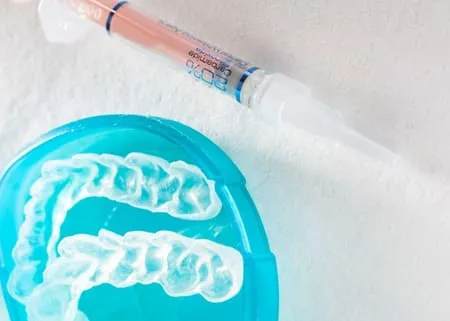
The limitations of whitening toothpaste are rooted in its formulation and intended use. Over-the-counter toothpastes are not as potent as professional treatments. Their primary function is to maintain oral hygiene and to gently remove surface stains. They are not designed to address intrinsic stains or significant discoloration. While whitening toothpaste can be a helpful part of a comprehensive oral care routine, it is not a substitute for professional dental treatments. The level of whitening that can be achieved is generally limited, and the results may not be long-lasting. Understanding these limitations helps you to make informed choices about your teeth whitening journey and to explore other effective options if necessary.
Alternative Whitening Methods
When whitening toothpaste doesn’t deliver the desired results, alternative methods offer more potent solutions. Professional teeth whitening, performed by a dentist, is the most effective option. This involves the use of higher concentrations of bleaching agents, often combined with special lights or lasers to enhance the whitening process. Other options include custom-fitted whitening trays that you can use at home with prescription-strength whitening gel, also provided by your dentist. For more severe discoloration, treatments like veneers or dental bonding might be recommended. These methods are designed to address a wider range of staining issues and provide more dramatic and lasting results. Consulting with a dentist is the best way to determine which method is most suitable for your individual needs and the condition of your teeth.