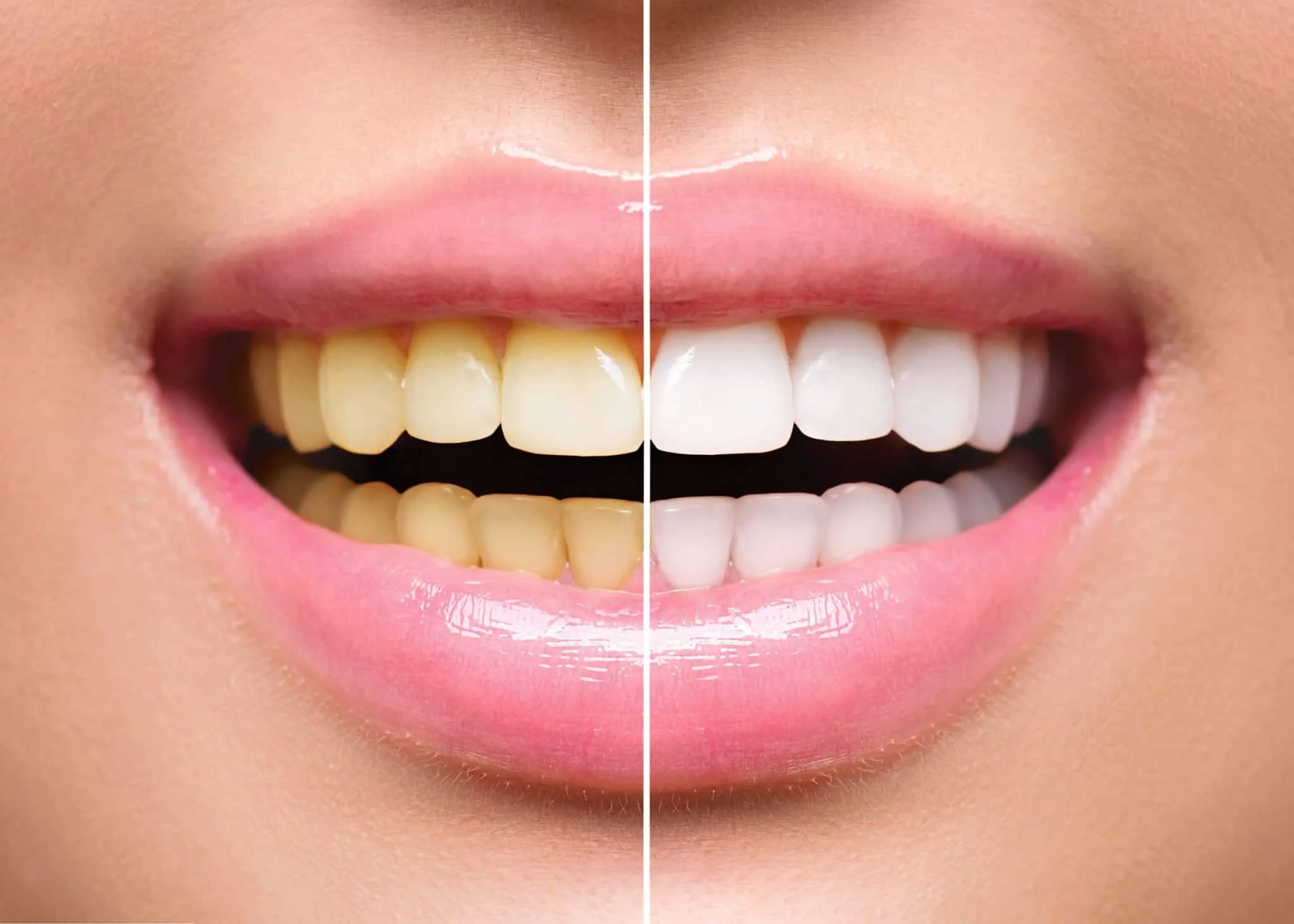
What Causes Brown Stains on Teeth?
Brown stains on teeth can be a source of cosmetic concern, affecting the brightness of your smile and potentially impacting your self-confidence. These unsightly discolorations arise from various factors, often related to lifestyle choices, oral hygiene habits, and underlying health conditions. Understanding the root causes of brown stains is the first step toward effective prevention and treatment. Some stains are superficial and can be removed relatively easily, while others are more ingrained and require professional intervention. Addressing the underlying causes and adopting proactive oral care practices is crucial for maintaining a healthy and vibrant smile. Several factors contribute to the formation of these stains, ranging from the foods and beverages we consume to habits like smoking and the effectiveness of our daily oral hygiene routines.
Dietary Habits and Brown Stains
Dietary habits play a significant role in the appearance of our teeth, with certain foods and drinks known to stain tooth enamel. Beverages like coffee, tea, and red wine contain chromogens, pigmented substances that adhere to the enamel and cause discoloration. Similarly, dark-colored fruits and vegetables, such as berries and beets, can contribute to staining over time. The acidity of certain foods and drinks, like citrus fruits and soft drinks, can also erode the enamel, making it more porous and susceptible to staining. Regular consumption of these items, without proper oral hygiene, can lead to the gradual accumulation of brown stains. Limiting intake of these stain-causing foods and beverages is a key preventive measure. Additionally, rinsing your mouth with water after consuming them can help minimize their impact on your teeth.
Tobacco Use and Brown Stains

Tobacco use, whether through smoking or chewing, is a major contributor to brown stains on teeth. Tobacco products contain nicotine and tar, which are highly staining substances. These substances readily penetrate the enamel, causing yellowing or browning of the teeth. The staining effect is often more pronounced with long-term tobacco use, and the discoloration can become increasingly difficult to remove. Beyond the aesthetic concerns, tobacco use significantly increases the risk of other oral health problems, including gum disease and oral cancer. Quitting tobacco use is one of the most effective steps you can take to improve your oral health and prevent further staining. The cessation of tobacco use not only reverses some of the staining but also promotes healthier gums and a lower risk of serious health issues. Professional teeth cleaning can often help to remove some of the initial staining caused by tobacco.
Poor Oral Hygiene and Brown Stains
Inadequate oral hygiene is another significant factor in the development of brown stains. Infrequent or improper brushing and flossing allow plaque and tartar to accumulate on the teeth. Plaque is a sticky film of bacteria that, if not removed, hardens into tartar, which is more difficult to remove. Both plaque and tartar can trap stains from food and beverages, leading to discoloration. Furthermore, poor oral hygiene can contribute to the erosion of enamel, making the teeth more vulnerable to staining. Regular brushing at least twice a day with fluoride toothpaste, daily flossing, and professional dental cleanings are essential for maintaining good oral hygiene. Proper oral care removes the buildup of plaque and tartar, preventing the trapping of staining substances and preserving the natural whiteness of your teeth.
The Science of Teeth Whitening
Teeth whitening involves using bleaching agents to break down the stains and discoloration embedded in tooth enamel. The most common active ingredient in whitening products is hydrogen peroxide or carbamide peroxide, which releases oxygen molecules when applied to the teeth. These oxygen molecules penetrate the enamel and react with the stain molecules, breaking them into smaller, less noticeable particles. The effectiveness of whitening treatments depends on the concentration of the bleaching agent, the duration of application, and the type and severity of the stains. Whitening treatments can address both extrinsic stains, which are on the surface of the teeth, and intrinsic stains, which are within the tooth structure. Understanding the science behind teeth whitening helps patients make informed decisions about the most suitable treatment options. The overall goal is to achieve a brighter, more aesthetically pleasing smile by reducing the appearance of stains and discoloration.
How Whitening Works on Stains

Whitening agents work by penetrating the porous enamel and breaking down the stain molecules. The peroxide-based bleaching agents release oxygen, which oxidizes the stain molecules, effectively lightening their color. This process is most effective on extrinsic stains, such as those caused by coffee or tea, which are located on the surface of the teeth. Intrinsic stains, which are within the tooth structure, may require more aggressive or prolonged treatment. The effectiveness of the whitening process depends on several factors, including the concentration of the bleaching agent, the duration of application, and the type of stain. Professional whitening treatments often use higher concentrations of bleaching agents and can produce quicker and more dramatic results. At-home whitening kits typically contain lower concentrations of the active ingredients and require more time to achieve noticeable results. The key to successful teeth whitening is understanding the nature of the stains and selecting a treatment that effectively addresses them.
Types of Teeth Whitening Treatments
Various teeth whitening treatments are available, ranging from professional procedures performed by dentists to over-the-counter at-home kits. Each type of treatment offers different levels of effectiveness, convenience, and cost. Professional whitening treatments are generally the most effective, as they use higher concentrations of bleaching agents and are administered under the supervision of a dental professional. At-home whitening kits provide a more convenient and affordable option, but they may take longer to produce noticeable results. The choice of treatment depends on individual needs, preferences, and the severity of the stains. Consulting with a dentist is essential to determine the most appropriate whitening option and to ensure that the treatment is safe and effective for your specific dental condition. Considering the type of stains and the desired outcome is crucial when selecting a teeth whitening treatment. Additionally, understanding the potential risks and benefits of each option will help you make an informed decision.
Professional Whitening Treatments
Professional teeth whitening treatments, also known as in-office whitening, are performed by a dentist in a clinical setting. These treatments typically involve the application of a high-concentration bleaching agent, often containing hydrogen peroxide, to the teeth. A protective barrier is placed over the gums to prevent irritation, and the bleaching agent is applied to the teeth for a specific period. The dentist may use a special light or laser to accelerate the whitening process, enhancing its effectiveness. Professional whitening treatments can produce dramatic results in a single visit, often lightening teeth several shades. The main advantages of professional whitening include faster results, greater effectiveness, and the supervision of a dental professional, ensuring the treatment is safe and appropriate for your dental health. Although professional whitening is generally more expensive than at-home options, it offers the most predictable and effective results, making it a preferred choice for many individuals seeking a brighter smile.
At-Home Whitening Kits

At-home teeth whitening kits offer a convenient and cost-effective alternative to professional treatments. These kits typically include whitening strips, trays with bleaching gel, or whitening toothpastes. Whitening strips are thin, flexible strips coated with a peroxide-based bleaching agent that are applied directly to the teeth. Tray-based systems involve filling custom or pre-formed trays with a whitening gel and wearing them for a specified amount of time. Whitening toothpastes contain mild abrasives and chemical agents to remove surface stains. At-home kits generally use lower concentrations of bleaching agents than professional treatments, so results may take longer to appear. It’s crucial to follow the instructions carefully and to consult with a dentist before using any at-home whitening product, particularly if you have any existing dental issues. At-home whitening can be an effective option for addressing mild to moderate staining. The key is selecting a reputable product and using it as directed to minimize potential risks and maximize the results.
Top 5 Facts about Whitening Brown Stains
Fact 1 Whitening Efficacy
Teeth whitening is generally effective in reducing the appearance of brown stains, but the degree of improvement varies depending on the type and severity of the stains. Extrinsic stains, those on the surface of the enamel, often respond well to whitening treatments. Intrinsic stains, which are deeper within the tooth structure, may require more aggressive or prolonged treatment. Professional whitening treatments tend to be more effective than at-home kits, offering quicker and more dramatic results. The active ingredient in most whitening products, hydrogen peroxide or carbamide peroxide, effectively breaks down stain molecules, leading to a brighter smile. It is important to note that the results of teeth whitening are not permanent. Maintaining a bright smile requires ongoing care and maintenance, including regular dental checkups and good oral hygiene habits.
Fact 2 Types of Stains

The type of brown stain significantly influences how well teeth whitening works. Surface stains from coffee, tea, and tobacco typically respond well to whitening treatments. Intrinsic stains, such as those caused by certain medications or dental fluorosis, may be more resistant. Professional whitening treatments often use stronger bleaching agents and can address a wider range of stain types. The effectiveness of whitening also depends on the concentration of the active ingredient, the duration of application, and the individual’s tooth structure. Identifying the specific type of stain is essential for determining the most appropriate whitening method. Consulting a dentist helps in assessing the type of stains and recommending the best course of action for optimal results. Understanding the origin of the stains will help setting realistic expectations about what teeth whitening can achieve.
Fact 3 Maintaining Results
Maintaining the results of teeth whitening requires ongoing care and attention. Avoiding or limiting the consumption of stain-causing foods and beverages is crucial. Regular brushing and flossing, along with the use of a whitening toothpaste, can help to keep your teeth bright. Routine dental checkups and professional cleanings are essential to remove any accumulated stains and maintain your smile. Touch-up whitening treatments may be necessary periodically to sustain the desired results. The longevity of the whitening effects also depends on individual habits, such as whether one smokes or practices good oral hygiene. By following these preventive measures, you can prolong the benefits of your teeth whitening treatment and enjoy a brighter smile for an extended period.
Fact 4 Professional vs At-Home
Both professional and at-home teeth whitening methods have their advantages. Professional whitening, performed by a dentist, offers faster and more dramatic results due to the use of higher-concentration bleaching agents and specialized techniques. At-home whitening kits are more convenient and cost-effective, allowing you to whiten your teeth in the comfort of your home. However, they typically take longer to produce noticeable results and may not be as effective for severe stains. The choice between professional and at-home whitening depends on your individual needs, preferences, and budget. Consulting with a dentist is essential to determine the most appropriate option and to ensure the treatment is safe and effective for your dental health. A dentist can also provide guidance on how to maintain your results and address any potential side effects.
Fact 5 Potential Risks

Teeth whitening, while generally safe, can carry some potential risks. The most common side effect is tooth sensitivity, which usually subsides shortly after treatment. Gum irritation may also occur if the bleaching agent comes into contact with the soft tissues. In rare cases, more serious complications, such as changes in tooth enamel or damage to existing dental work, can occur. It’s crucial to consult with a dentist before undergoing any teeth whitening treatment to assess your oral health and to determine the most appropriate method. Following the instructions carefully and using approved products minimizes the risk of adverse effects. Individuals with sensitive teeth, gum disease, or existing dental work should exercise caution and seek professional guidance to ensure the treatment is safe and effective.
Other Methods for Removing Brown Stains
Besides teeth whitening, other methods can help remove brown stains and improve the appearance of your smile. These methods often address the underlying causes of the stains and offer alternative or supplementary solutions. The choice of method depends on the type and severity of the stains, as well as individual preferences and dental health considerations. Combining various approaches may yield the best results. Consulting with a dentist is essential to determine the most appropriate treatment plan and to ensure that your oral health is maintained throughout the process. These additional techniques can enhance the overall effectiveness of stain removal and promote a brighter, healthier smile. Each method offers unique benefits and considerations, allowing for a tailored approach to address specific dental needs.
Dental Cleaning for Stains
A professional dental cleaning is often the first step in addressing brown stains. During a cleaning, a dental hygienist uses specialized tools to remove plaque, tartar, and surface stains from your teeth. Scaling removes plaque and tartar from the teeth and below the gum line, while polishing helps to smooth the tooth surfaces and remove surface stains. Dental cleanings can effectively remove stains caused by food, beverages, and tobacco use. Regular professional cleanings are essential for maintaining good oral hygiene and preventing the buildup of stains. They are also a good way to assess your overall oral health and identify any potential issues early on. If the stains are primarily on the surface and not deeply embedded, a dental cleaning may be sufficient to improve the appearance of your teeth. A dental cleaning, performed twice a year, is a fundamental part of preventative dental care.
Dental Veneers and Bonding

Dental veneers and bonding are cosmetic procedures that can effectively address brown stains and improve the overall appearance of your smile. Veneers are thin, custom-made shells that are bonded to the front surface of the teeth, covering up stains and imperfections. Bonding involves applying a tooth-colored resin to the teeth and shaping it to improve their appearance. Veneers are typically made from porcelain, while bonding uses a composite resin material. Both veneers and bonding can provide a long-lasting solution for covering brown stains and other cosmetic issues. Veneers offer a more durable and natural-looking result. The choice between veneers and bonding depends on factors such as the severity of the stains, the overall health of your teeth, and your budget. A dentist can help determine which option is best for you. These procedures are particularly effective when the stains are severe or resistant to other treatments. Both veneers and bonding enhance the aesthetic appeal of your smile and boost your self-confidence.
Conclusion
In conclusion, teeth whitening is a valuable tool in addressing brown stains on teeth, but its effectiveness depends on the type and severity of the stains, as well as the chosen treatment method. Understanding the causes of brown stains, which range from dietary habits to tobacco use and poor oral hygiene, is crucial for prevention and effective treatment. Professional whitening treatments often yield the most dramatic results, while at-home kits offer a convenient alternative. Regular dental cleanings, proper oral hygiene, and the consideration of cosmetic procedures such as veneers and bonding, all contribute to a brighter, healthier smile. Consulting with a dentist is essential to determine the most suitable treatment plan and to maintain your oral health for a lasting, confident smile. By adopting proactive oral care habits and seeking professional guidance, you can effectively manage brown stains and achieve the radiant smile you desire.