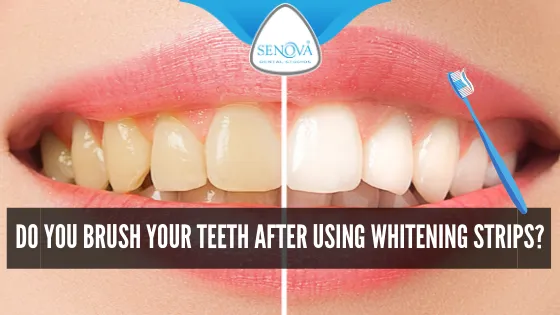
Understanding Whitening Strips and Oral Health
Teeth whitening strips have become a popular method for achieving a brighter smile. However, it’s essential to understand how these strips work and their impact on your oral health to use them effectively and safely. These strips typically contain a peroxide-based bleaching agent that penetrates the enamel to remove stains and discoloration. While effective, these products can potentially affect your teeth and gums. Proper usage, including the timing of brushing, is critical to minimizing any adverse effects and maximizing the whitening results. Ignoring the guidelines can lead to increased sensitivity, gum irritation, and a less effective whitening outcome. Therefore, a comprehensive understanding of these factors is crucial for incorporating whitening strips into your dental routine safely and efficiently.
How Whitening Strips Work
Whitening strips are designed to adhere to the teeth and deliver a whitening agent directly to the enamel. The active ingredient, usually hydrogen peroxide or carbamide peroxide, breaks down into oxygen molecules that penetrate the enamel and lift away stain-causing compounds. This process effectively lightens the color of your teeth. The effectiveness of the strips depends on the concentration of the whitening agent, the duration of application, and the consistency of use. Different brands offer varying strengths and application times. It is very important to adhere to the instructions provided by the manufacturer. These guidelines ensure the best results while minimizing potential risks, contributing to a brighter and healthier smile. Understanding the science behind this process is the first step in using whitening strips safely and efficiently.
The Active Ingredients in Whitening Strips

The effectiveness of whitening strips hinges on their active ingredients. Hydrogen peroxide and carbamide peroxide are the two most common agents used for teeth whitening. Hydrogen peroxide is a potent bleaching agent, often used in higher concentrations in professional treatments. Carbamide peroxide breaks down into hydrogen peroxide and urea. It offers a gentler, slower release of the whitening agent, often found in over-the-counter products. The concentration of these ingredients varies among different brands and products. It’s important to check the percentage of the active ingredient listed on the packaging. Those with sensitive teeth or gums may prefer lower concentrations to minimize discomfort. Always follow the manufacturer’s instructions regarding the duration of use and frequency, as these factors can significantly influence both the effectiveness and potential side effects of the whitening process. Understanding the specific ingredients and their concentrations will assist you in selecting the right product for your teeth and achieve the desired results.
Potential Effects on Teeth and Gums
While whitening strips can deliver a brighter smile, they may also have some potential side effects. The most common is tooth sensitivity, which can occur because the peroxide penetrates the enamel, leading to temporary irritation of the tooth’s nerve. Gum irritation is another potential issue; the bleaching agent can cause inflammation or even minor burns if it comes into contact with the gums. These side effects are usually temporary and subside once you stop using the strips or reduce the frequency of use. It is essential to be mindful of these potential effects and take precautions. Avoiding contact with the gums during application and using a toothpaste designed for sensitive teeth can help mitigate these issues. If sensitivity or irritation persists, it is advisable to consult with a dentist to rule out any underlying dental problems. Careful consideration and adherence to instructions will contribute to a safer and more comfortable whitening experience.
The Correct Timing for Brushing After Whitening Strips
The timing of brushing your teeth concerning the use of whitening strips is crucial for both the effectiveness of the treatment and the health of your teeth and gums. Brushing immediately after using the strips can reduce their effectiveness. It can also cause irritation and sensitivity. The key is to find the right balance. The timing recommendations vary depending on the product and your individual needs. However, following certain guidelines will maximize your results. Understanding the science behind the process and the sensitivity of your teeth will ensure a better and more comfortable whitening experience. Always consult the product’s instructions. If you are unsure, it is best to consult with your dentist for tailored advice.
Why Timing Matters

The reason timing is so important is linked to the way whitening strips work. The active ingredients in the strips, such as hydrogen peroxide, need time to penetrate the enamel and break down the stains. Brushing immediately after application can disrupt this process. It can remove the whitening agent before it fully takes effect. Additionally, the teeth are often slightly more porous during and immediately after whitening. Brushing at this time can increase sensitivity and potentially cause damage to the enamel. Waiting allows the whitening agent to work efficiently and reduces the risk of any adverse effects. Knowing why timing matters can help you make informed decisions about your oral hygiene routine, maximizing the effectiveness of the whitening strips while maintaining the health of your teeth and gums.
Immediate Brushing After Strips
Brushing your teeth immediately after removing whitening strips is generally not recommended. As mentioned earlier, the enamel is slightly more porous after the application of the strips. Brushing can remove the whitening agent before it can fully work, leading to less effective results. Also, the abrasive action of brushing can cause irritation to the teeth and gums, which may be temporarily sensitive. This can exacerbate any existing sensitivity. Instead of brushing immediately, it is better to wait. Follow the manufacturer’s instructions, which will provide the most accurate guidance. This approach allows the whitening process to occur without interruption. It also protects the health of your teeth and gums, leading to a safer and more effective experience.
Recommended Waiting Time
The recommended waiting time before brushing your teeth after using whitening strips varies. Most manufacturers suggest waiting at least 30 minutes to an hour. This allows the whitening agent to fully perform its function. It also gives your teeth a chance to re-mineralize slightly. The waiting period ensures that you are not interfering with the whitening process and reducing the risk of sensitivity. Always check the product’s instructions for specific recommendations. Some products may have different instructions. If you have any specific concerns or questions, it is always best to consult your dentist. Following the guidelines allows the active ingredients to work without interference. This will lead to optimal results and minimize potential discomfort, ultimately giving you the bright smile you desire.
Best Practices for Brushing After Strips

Besides timing, the way you brush your teeth after using whitening strips also plays a significant role in maintaining good oral hygiene and ensuring the effectiveness of your treatment. The best practices involve using the right toothpaste, applying a gentle brushing technique, and integrating other important oral hygiene practices. Proper brushing will help to remove plaque and debris, protect your enamel, and maintain your overall oral health. Avoiding harsh brushing habits will also reduce the risk of sensitivity and gum irritation. A comprehensive approach to brushing will maximize your results and ensure a positive experience.
Choosing the Right Toothpaste
The toothpaste you choose can affect your teeth after using whitening strips. It is best to use a toothpaste that is gentle. Look for a toothpaste specifically designed for sensitive teeth. These kinds of toothpaste usually contain ingredients like potassium nitrate or stannous fluoride. They help to reduce sensitivity and provide a protective barrier for the enamel. Avoid abrasive toothpastes that can potentially scratch the enamel. Also, be cautious of whitening toothpastes. Although they can help to remove surface stains, they might be too harsh to use immediately after whitening strips. Read the product labels carefully. If you’re unsure, consult your dentist. Choosing the right toothpaste will make brushing a comfortable and effective part of your routine. It also supports your overall oral health.
Technique for Gentle Brushing
After using whitening strips, use a gentle brushing technique. Avoid applying excessive pressure. It is especially important to be very gentle after using whitening strips. Excessive force can damage the enamel and increase sensitivity. Use a soft-bristled toothbrush and brush in small, circular motions. This method helps to remove plaque and debris without damaging your teeth. Brush each tooth for about two minutes. Focus on all surfaces, including the front, back, and chewing surfaces. Consider using an electric toothbrush with a pressure sensor to ensure you are not brushing too hard. It is an easy way to monitor and maintain proper technique. Remember that gentle brushing is key to protecting your enamel, reducing sensitivity, and promoting healthy gums.
Other Important Oral Hygiene Practices

Brushing and the timing of that activity are critical for oral hygiene, but other practices are equally important to maintaining your oral health. Flossing, using mouthwash, and seeing your dentist regularly are integral parts of a complete oral care routine. These practices work together to keep your teeth and gums healthy, reduce the risk of dental problems, and ensure that your whitening treatments are effective. A holistic approach to oral hygiene will benefit you more than just using whitening strips. You will be able to achieve a brighter smile and maintain long-term oral health.
Flossing and Mouthwash
Flossing is essential for removing food particles and plaque from between your teeth. This is where your toothbrush can’t reach. Flossing helps prevent cavities and gum disease. It’s recommended to floss at least once a day. Mouthwash can further enhance your oral hygiene routine. Use an alcohol-free mouthwash. It helps to reduce bacteria, freshen breath, and provide additional protection against decay. For optimal results, floss before brushing. Rinse your mouth with mouthwash after brushing, but avoid doing so immediately after brushing. It can wash away the fluoride from your toothpaste. Incorporating flossing and mouthwash into your routine will enhance your oral health. Also, it will contribute to a brighter and fresher smile.
Regular Dental Check-ups
Regular dental check-ups are a cornerstone of good oral health. During these visits, your dentist can check for signs of tooth decay, gum disease, and other dental problems. Professional cleanings remove plaque and tartar buildup, which is something you cannot do at home. These check-ups allow for early intervention. They can help prevent more serious issues. Your dentist can also evaluate the effectiveness of your whitening treatments and offer advice. They can ensure that you are using the strips correctly. Schedule appointments every six months. This regular check-up is the best way to ensure that your teeth and gums stay healthy. It is an investment in your overall oral health and a brighter smile.