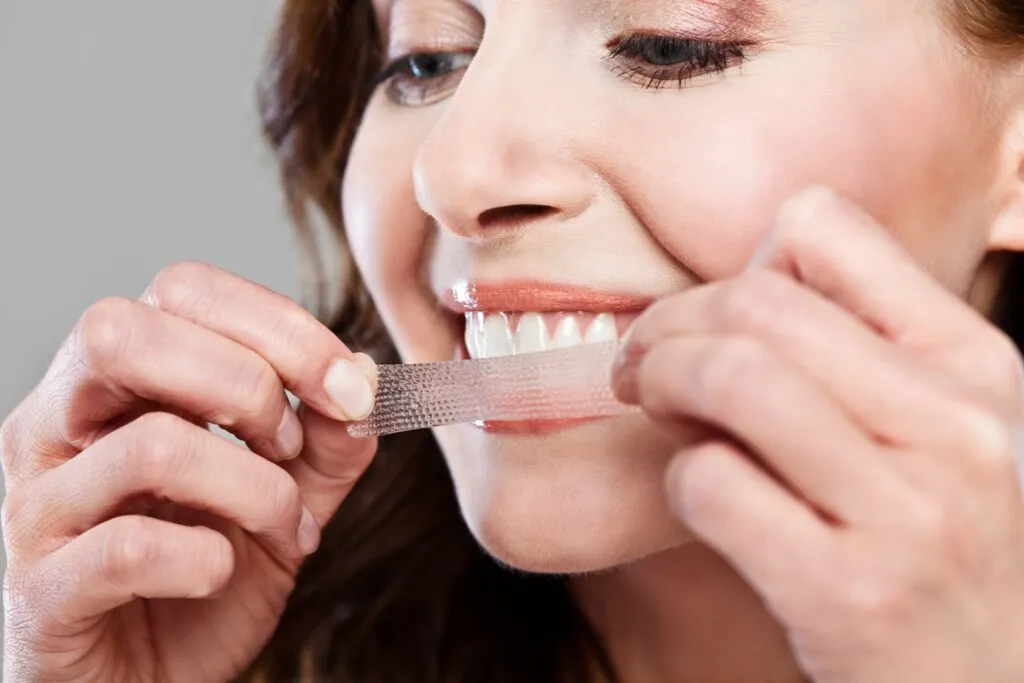
Whitening Strips and Brushing Introduction
Achieving a brighter, whiter smile is a common goal, and whitening strips have become a popular and accessible method. However, maximizing the effectiveness of these strips while maintaining optimal oral health requires understanding the nuances of your daily routine, particularly how brushing interacts with the whitening process. The timing and technique of your brushing can significantly impact the results you see, as well as the overall health of your teeth and gums. This guide provides five essential tips for harmonizing your brushing habits with your whitening strip use, ensuring you achieve a dazzling smile without compromising your oral health.
Why You Shouldn’t Brush Immediately
The timing of brushing after using whitening strips is critical for several reasons. Many people make the mistake of brushing immediately after applying or removing the strips, unknowingly diminishing the effectiveness of the whitening treatment and potentially harming their teeth. Brushing too soon can lead to unwanted side effects and hinder the whitening process. It’s essential to understand the potential problems that can arise from brushing at the wrong time to make informed decisions about your oral hygiene routine and maximize the benefits of your whitening efforts.
Sensitivity Issues

One of the primary reasons to avoid brushing immediately after using whitening strips is the potential for increased tooth sensitivity. Whitening strips contain ingredients, such as hydrogen peroxide, that can temporarily make your teeth more porous. This increased porosity makes your teeth more susceptible to sensitivity, especially to hot or cold foods and beverages. Brushing right after applying or removing the strips can exacerbate this sensitivity, leading to discomfort. The abrasive action of your toothbrush, combined with the whitening agents, can irritate your gums and teeth. (teeth-sensitivity.webp)
Enamel Damage
Another significant concern is the potential for enamel damage. While whitening strips are generally safe when used as directed, brushing too vigorously or too soon after use can erode the enamel. The enamel is the hard, protective outer layer of your teeth, and once damaged, it cannot be repaired. Aggressive brushing with a regular toothbrush and toothpaste after using strips can wear down the enamel. The combination of the whitening agents, which may slightly soften the enamel, and the friction from brushing can contribute to enamel erosion over time, making your teeth more vulnerable to cavities and other dental problems. (enamel-damage.webp)
How Long to Wait After Strips Before Brushing
Knowing when to brush after using whitening strips is essential for achieving the best results without compromising your oral health. The recommended wait time allows the whitening agents to work effectively and gives your teeth and gums time to recover. Adhering to these guidelines can make a significant difference in your whitening experience, ensuring your teeth remain healthy and bright.
Recommended Wait Time

The general recommendation is to wait at least 30 minutes to an hour after using whitening strips before brushing your teeth. This waiting period allows the whitening agents to fully penetrate the enamel and do their work. It also gives your teeth time to remineralize and reduces the risk of sensitivity. If you use the strips in the morning, it’s best to brush your teeth before applying the strips and then wait until at least 30 minutes to an hour after removing them before brushing again. Similarly, if you use the strips at night, brush before and wait after removing the strips. (waiting-after-whitening-strips.webp)
Factors Influencing Wait Time
Several factors can influence the optimal wait time. The type of whitening strips you use is one of them. Some strips may have stronger concentrations of whitening agents, possibly requiring a longer waiting period. Your individual tooth sensitivity also plays a role. If you have naturally sensitive teeth or experience increased sensitivity after using the strips, you might want to extend the wait time or consult your dentist. Your brushing habits are also significant, as aggressive brushing can increase the risk of enamel erosion, making a longer wait time beneficial.
Best Brushing Practices After Whitening Strips
Once the recommended waiting period has passed, it’s essential to brush your teeth correctly to maintain oral health and support your whitening efforts. Using the proper technique and products can help maximize the benefits of your whitening strips and protect your teeth. This approach will ensure that you get the most from your efforts without compromising your dental wellbeing.
Choosing the Right Toothpaste

The type of toothpaste you use is crucial. Opt for a toothpaste that is specifically designed for sensitive teeth. These toothpastes typically contain ingredients like potassium nitrate or stannous fluoride, which help to reduce sensitivity. Avoid toothpastes with harsh abrasives, as they can potentially damage the enamel, especially after using whitening strips. Consider using a toothpaste that contains fluoride to strengthen your enamel and protect against cavities. Look for a toothpaste with a low Relative Dentin Abrasivity (RDA) value, as this indicates a gentler formula. (best-toothpaste-for-whitening.webp)
Gentle Brushing Technique
Your brushing technique significantly impacts your oral health. Use a soft-bristled toothbrush to avoid damaging your enamel. Apply gentle pressure and use a circular or back-and-forth motion, ensuring you reach all surfaces of your teeth. Avoid scrubbing your teeth vigorously, as this can erode the enamel over time. Be thorough, but gentle. Aim to brush for two minutes, twice a day. Consider using an electric toothbrush, as many models have pressure sensors that alert you if you’re brushing too hard, which can help you brush more effectively while protecting your teeth and gums. (gentle-brushing-technique.webp)
Benefits of Proper Brushing
Following the best brushing practices after using whitening strips offers a multitude of benefits, extending beyond just a brighter smile. Proper brushing plays a vital role in your overall oral health, protecting your teeth and gums and contributing to your overall well-being. By adhering to these guidelines, you can ensure your teeth remain healthy and your smile continues to shine.
Maintaining Whitening Results

Consistent and proper brushing helps maintain the results of your whitening treatments. Removing surface stains and plaque prevents the buildup of discoloration, keeping your teeth looking brighter for longer. A good brushing routine supports your whitening efforts by preventing new stains from forming. Regular brushing ensures that the whitening agents can work more effectively without being blocked by plaque or surface stains, as this promotes better and longer-lasting results. (maintaining-whitening-results.webp)
Oral Hygiene Importance
Brushing twice a day is fundamental to a good oral hygiene routine, which is essential for preventing cavities, gum disease, and other oral health issues. It also helps to keep your breath fresh and your mouth feeling clean. Brushing removes food particles and bacteria that contribute to plaque and tartar buildup, which can lead to more serious dental problems. Incorporating flossing and mouthwash into your routine further enhances your oral health, ensuring a clean and healthy mouth.
Conclusion
Achieving a whiter smile with whitening strips involves more than just applying the strips. It requires a thoughtful approach to your oral hygiene routine. By understanding the importance of waiting to brush after using whitening strips, choosing the right toothpaste, and practicing gentle brushing techniques, you can maximize the effectiveness of your whitening treatments while protecting your teeth and gums. Remember, a bright smile is a healthy smile. Integrating these tips into your daily routine will help you achieve and maintain a beautiful, radiant smile while ensuring your overall oral health.