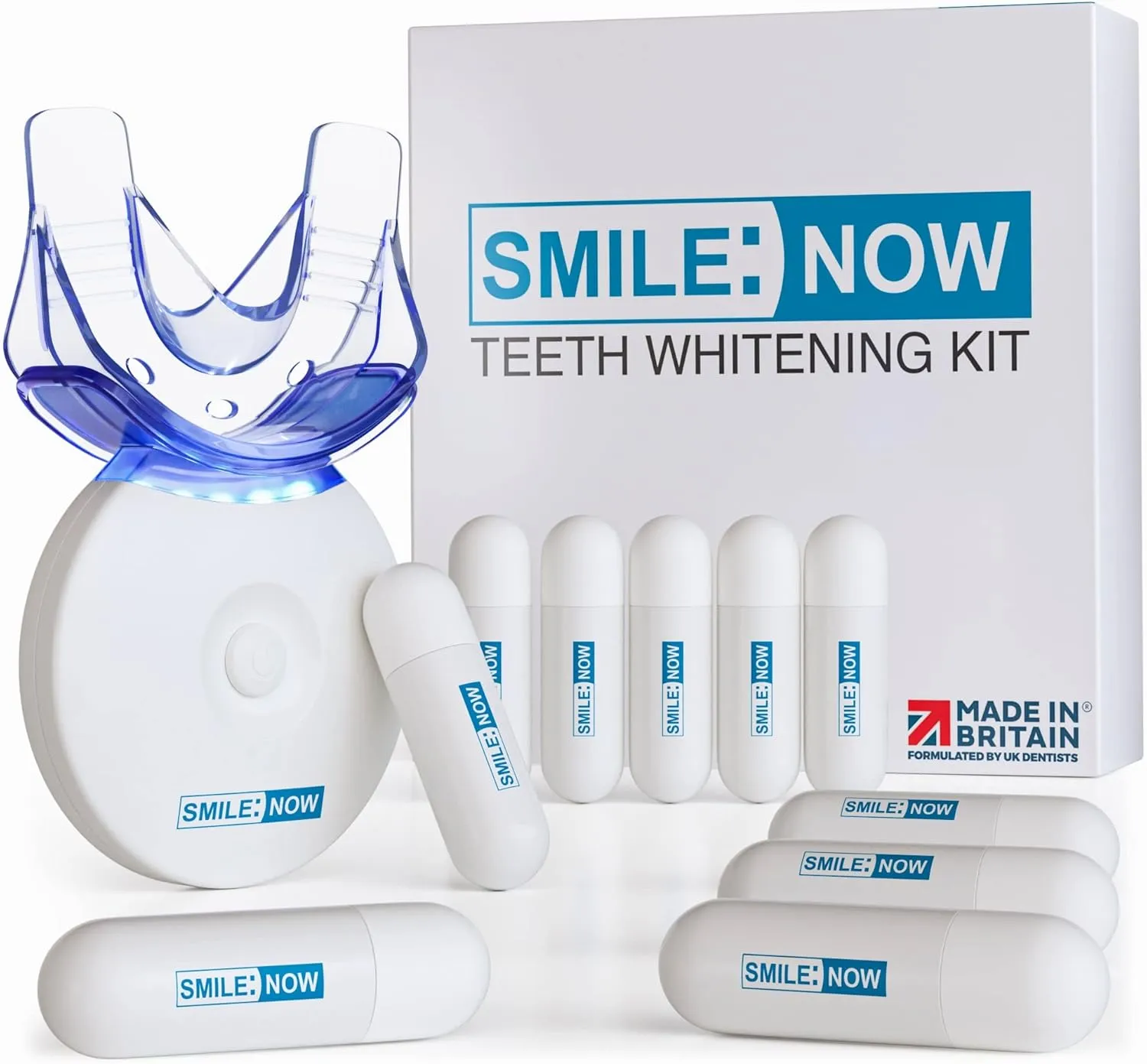
What is a Whitening Kit UK
A whitening kit UK is a product designed to lighten the shade of your teeth, improving their appearance and boosting your confidence. These kits typically contain bleaching agents that break down stains and discoloration. They are a popular choice for those looking to enhance their smile without undergoing extensive dental procedures. The effectiveness of a whitening kit depends on several factors, including the type of kit, the concentration of the whitening agent, and the individual’s oral hygiene habits. Choosing the right kit involves understanding your specific needs and expectations, as well as considering any potential risks or side effects.
Types of Whitening Kits Available in the UK
The UK market offers a variety of whitening kits, each with its own set of advantages and disadvantages. Understanding the different types available can help you make an informed decision about which kit is best suited for your needs. The most common categories include at-home kits and professional treatments. The former provides convenience and affordability, whereas the latter often yields quicker and more dramatic results.
At-Home Whitening Kits

At-home whitening kits are readily available over-the-counter (OTC) and online, offering a convenient and cost-effective way to whiten your teeth. These kits typically include whitening strips, trays with gel, or whitening toothpaste. The key advantage of at-home kits is their accessibility and ease of use. However, the concentration of the bleaching agent is usually lower than in professional kits, which means results may take longer to appear. It is important to follow the instructions carefully and be patient to achieve noticeable improvements. This option is ideal for those with mild to moderate staining and who are looking for a gradual improvement in their smile.
Professional Whitening Kits
Professional whitening kits are administered by a dentist and offer a more powerful and effective whitening treatment. These kits utilize a higher concentration of bleaching agents, often using either hydrogen peroxide or carbamide peroxide. The procedure is usually carried out in the dental office, where your dentist will apply the whitening agent to your teeth and may use a special light or laser to accelerate the process. Professional treatments offer faster and more dramatic results compared to at-home kits. They are particularly suitable for those with significant staining or discoloration. Your dentist can also monitor your progress and manage any potential side effects, such as tooth sensitivity. This option provides a tailored approach and ensures the best possible outcome for your smile.
Key Ingredients in Whitening Kits
The effectiveness of a whitening kit primarily depends on its active ingredients. The two most common bleaching agents used in these kits are hydrogen peroxide and carbamide peroxide. The concentration of these ingredients varies depending on the type of kit and the desired level of whitening. Understanding these ingredients is crucial for knowing what to expect in terms of results and potential side effects.
Hydrogen Peroxide

Hydrogen peroxide is a powerful oxidizing agent and is a common ingredient in professional teeth whitening treatments. When it comes in contact with the teeth, it breaks down into water and oxygen, which penetrates the enamel and dentin to break down the stain molecules. The concentration of hydrogen peroxide in professional kits is typically higher than that in at-home kits, which results in faster and more significant whitening. It’s important to note that higher concentrations may lead to increased sensitivity. Always consult your dentist before using high-concentration products.
Carbamide Peroxide
Carbamide peroxide is another popular bleaching agent, often used in at-home whitening kits. It breaks down into hydrogen peroxide and urea, releasing a gentler form of the bleaching agent over a longer period. This makes it suitable for home use, as it’s less likely to cause sensitivity compared to higher concentrations of hydrogen peroxide. Carbamide peroxide provides gradual whitening. The longer-term nature of the process makes it a user-friendly option for those who prefer a less intense whitening experience. It’s important to follow the instructions provided in the kit to ensure effective and safe results.
How to Choose the Best Whitening Kit UK
Choosing the right whitening kit requires careful consideration of your individual needs and preferences. Several factors should be considered to ensure you select a product that is both effective and safe. The first step involves assessing your current oral health and the degree of staining you wish to address. It is always best to consult with your dentist before starting any teeth whitening treatment, to ensure that it is appropriate for you. This will help you determine the best course of action and avoid potential complications.
Consider Your Needs and Goals

Before choosing a whitening kit, assess your specific needs and goals. Consider the degree of staining you wish to address, whether it is mild, moderate, or severe. Take into account how quickly you want to see results, as professional treatments offer faster whitening, while at-home kits provide a more gradual improvement. Think about your budget, as professional treatments are generally more expensive. Your lifestyle also plays a part; for instance, if you have a busy schedule, at-home kits might be more convenient. Consider what you value most regarding ease of use, time commitment, and sensitivity concerns. Deciding these things will influence your choice.
Check for Safety Certifications
Ensure that any whitening kit you choose is certified by relevant health and safety organizations. In the UK, products should comply with the regulations set by governing bodies. Certification indicates that the product has been tested and meets specific safety standards. This certification ensures that the kit has been evaluated for safety and efficacy, and that it contains the correct concentration of whitening agents. Look for certifications on the packaging, or check the manufacturer’s website for details. This helps reduce the risk of adverse effects and ensures the product is safe to use.
Read Reviews and Compare Products
Before making a purchase, read reviews from other users to get an understanding of the product’s effectiveness and any potential side effects. Look at reviews from trusted sources, and compare different products based on user experiences, price, and ease of use. Online platforms, social media, and dental forums can offer useful insights. This helps you assess real-world results and determine which kit aligns with your expectations. Pay attention to comments about tooth sensitivity, gum irritation, and the overall satisfaction of other users. By researching and comparing options, you increase your chances of finding a whitening kit that suits your needs and helps you achieve your desired results.
7 Amazing Ways to Use a Whitening Kit UK

Using a whitening kit effectively requires following the instructions carefully and adopting good oral hygiene habits. This section provides seven amazing ways to maximize the results and minimize any potential risks associated with teeth whitening. Proper use ensures you achieve a brighter, healthier smile. By following these tips, you can get the best results from your whitening kit.
Preparation Is Key
Before starting any whitening treatment, it’s essential to prepare your teeth and mouth. Brush and floss your teeth thoroughly to remove any plaque and debris. This ensures that the whitening agent can effectively reach the tooth surface. Consult your dentist for a professional cleaning beforehand to remove any stubborn stains. This will optimize the whitening process. Properly preparing your teeth helps to maximize the effectiveness of the whitening kit, and reduces the likelihood of irritation. By taking these preparatory steps, you’ll set yourself up for the best possible results.
Follow the Instructions Carefully
Always adhere to the instructions provided with your whitening kit. This includes following the recommended duration of use, the number of applications, and any specific guidelines for your chosen kit. Do not exceed the recommended amount of time or frequency of use, as this can increase the risk of sensitivity or other side effects. Incorrect usage can lead to disappointing results or potential harm. Pay close attention to all instructions, and consult with your dentist if you have any questions or concerns.
Use Consistently for Best Results

Consistency is key when using a whitening kit. Apply the product as directed consistently. Regular use, as per the instructions, is crucial for achieving the desired level of whitening. Skipping applications or using the kit inconsistently may result in less noticeable results. Stay committed to the recommended treatment plan, and track your progress to see how your teeth are responding. Consistency ensures the whitening agent has enough time to work on the stains and gradually improve the brightness of your smile.
Manage Sensitivity
Tooth sensitivity is a common side effect of teeth whitening. If you experience sensitivity, take steps to manage it. Use a toothpaste designed for sensitive teeth, which contains ingredients to soothe and protect the enamel. Avoid very hot or cold foods and drinks, which can trigger sensitivity. You may also reduce the frequency or duration of your whitening treatment to allow your teeth time to recover. Consult with your dentist about using fluoride treatments or desensitizing agents if sensitivity persists. Proper management ensures your comfort during the whitening process and helps you continue achieving your desired results.
Maintain Good Oral Hygiene
Maintain good oral hygiene practices while using a whitening kit. Brush your teeth twice a day with fluoride toothpaste. Floss daily to remove plaque and food particles from between your teeth. This helps to keep your teeth clean and healthy. Good oral hygiene ensures that the whitening agent can work effectively and prevents new stains from forming. Regular dental checkups and professional cleanings are also essential for maintaining your oral health and the results of your whitening treatment.
Avoid Staining Foods and Drinks

During and after your teeth whitening treatment, minimize your consumption of staining foods and drinks. These include coffee, tea, red wine, and dark-colored berries, which can stain your teeth. If you consume these items, drink through a straw to minimize contact with your teeth. By avoiding or limiting these staining agents, you will help preserve the whitening results and keep your teeth looking their best for a longer period. Maintaining a healthy diet, and practicing good oral hygiene, is a comprehensive strategy for maintaining a bright, white smile.
Consider a Whitening Toothpaste
Consider using a whitening toothpaste as part of your daily oral hygiene routine. Whitening toothpastes often contain mild abrasives and polishing agents that help to remove surface stains and maintain the brightness of your teeth. They can be a great complement to your whitening kit. However, do not rely solely on whitening toothpastes for dramatic results. Follow the guidelines from your dentist regarding the usage of whitening toothpaste, especially if you have any sensitivity or other oral health concerns. They can help keep your teeth bright.
Potential Risks and Side Effects
While teeth whitening kits are generally safe when used correctly, it’s important to be aware of potential risks and side effects. Being informed about the potential adverse effects can help you manage your expectations and take steps to minimize any discomfort. If you experience any severe or prolonged side effects, seek professional advice from your dentist or healthcare provider. They can provide guidance and help address any complications that may arise.
Tooth Sensitivity
Tooth sensitivity is the most common side effect of teeth whitening. This can manifest as a sharp, temporary pain when consuming hot, cold, sweet, or acidic foods and drinks. Sensitivity occurs because the whitening agent can penetrate the enamel and reach the nerves inside the teeth. Sensitivity typically subsides a few days after completing the treatment. To minimize sensitivity, use a toothpaste for sensitive teeth containing ingredients such as potassium nitrate. You might also reduce the frequency or duration of your whitening treatments. If sensitivity persists, consult with your dentist.
Gum Irritation
Gum irritation is another potential side effect, often caused by the whitening agent coming into contact with the gums. This can manifest as redness, swelling, or soreness. To prevent gum irritation, make sure the whitening product only contacts your teeth and not your gums. Use the whitening trays or strips as directed and avoid overfilling them. Rinse your mouth thoroughly after each application. Gum irritation is usually temporary, but if it persists, discontinue use and consult with your dentist.
Enamel Damage
While rare, excessive or improper use of teeth whitening kits can potentially lead to enamel damage. This is usually associated with using products with high concentrations of bleaching agents for extended periods, or incorrect application. Enamel damage can result in increased sensitivity and a higher risk of cavities. Always follow the instructions carefully and consult with your dentist before using any whitening product, especially if you have any existing dental issues. Proper use is crucial to avoid any damage and keep your teeth healthy.
Maintaining Your White Smile
Maintaining your white smile after using a whitening kit involves consistent oral hygiene, a healthy lifestyle, and regular dental care. This section provides practical tips to help you keep your teeth looking their best for the long term. Your efforts will ensure that your bright, white smile lasts. By adopting these habits, you will enjoy the benefits of your whitening treatment for years to come.
Regular Dental Checkups
Schedule and attend regular dental checkups. Professional cleanings can help remove any surface stains that can dull your smile. During checkups, your dentist can assess your oral health and identify any potential problems early. This ensures that your teeth remain healthy and bright. Regular dental visits will also help detect any issues before they become serious. Your dentist may provide additional advice on maintaining the results of your teeth whitening treatment. Routine checkups are a key element in maintaining your white smile and overall oral health.
Professional Cleanings
Get professional cleanings from your dentist. These cleanings can remove plaque and tartar buildup, which can trap stains and make your teeth appear dull. Professional cleanings help to maintain the brightness of your teeth. This helps remove superficial stains and helps keep your teeth looking their best. Your dentist may recommend specific products or treatments to maintain the results of your whitening treatment. Regular professional cleanings enhance your smile and provide an ideal environment for optimal oral health.
Avoiding Staining Habits
Minimize your consumption of staining foods and drinks to maintain your bright smile. Limit your intake of coffee, tea, red wine, and dark-colored berries. If you consume these items, rinse your mouth with water or drink through a straw to reduce contact with your teeth. Avoid tobacco products, as they can cause significant staining. By avoiding or reducing these habits, you will help preserve the results of your teeth whitening treatment and keep your smile looking its best for longer. A healthy lifestyle contributes to your overall well-being, including your oral health.