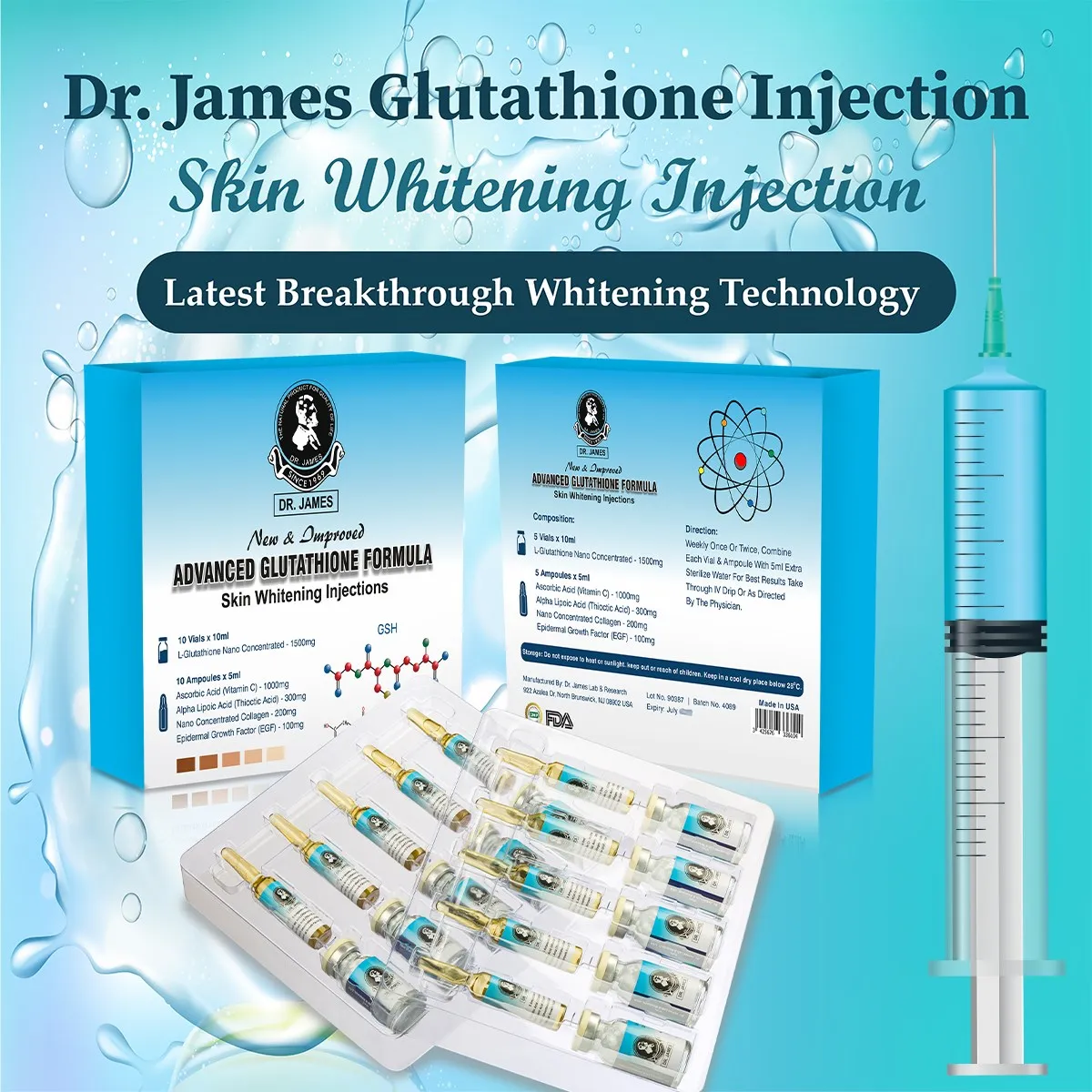
What Are Whitening Injections
Whitening injections are cosmetic procedures designed to lighten the skin tone and reduce the appearance of dark spots, hyperpigmentation, and uneven skin tone. These injections typically contain ingredients like glutathione and vitamin C, which are believed to inhibit melanin production, the pigment responsible for skin color. The popularity of whitening injections has surged as people seek brighter, more even-toned skin. However, it’s essential to understand the science, benefits, procedures, and potential risks associated with this treatment before considering it. This comprehensive guide explores everything you need to know about whitening injections, from their underlying mechanisms to the alternatives available and how to find a qualified professional. The ultimate goal is to empower you with the knowledge to make informed decisions about your skin health.
The Science Behind Whitening Injections
The effectiveness of whitening injections lies in their ability to interact with melanin, the pigment responsible for skin color. The primary active ingredient, glutathione, is a powerful antioxidant that inhibits the production of melanin by interfering with the enzyme tyrosinase, which is crucial for melanin synthesis. By reducing melanin production, glutathione can lead to a gradual lightening of the skin. Additionally, vitamin C, often included in these injections, plays a vital role by supporting glutathione’s function and providing antioxidant protection. This combination aims to not only lighten the skin but also improve its overall health and appearance. Understanding this science is critical for setting realistic expectations and comprehending the potential outcomes of the treatment. The process involves complex biochemical reactions, and results can vary depending on individual skin types and other factors.
How Whitening Injections Work

Whitening injections work by delivering active ingredients directly into the bloodstream, allowing them to be distributed throughout the body and reach the skin cells. This method bypasses the digestive system, which can sometimes reduce the effectiveness of oral supplements. The injections primarily aim to reduce the activity of tyrosinase, an enzyme that is essential for melanin production. Glutathione, the main active component, acts as a potent inhibitor of tyrosinase. This process minimizes the creation of new melanin, leading to lighter skin over time. Vitamin C, often included, enhances the effectiveness of glutathione and provides additional antioxidant benefits. The treatment typically involves a series of injections, administered over several weeks or months, to achieve the desired results. The frequency and dosage of the injections are typically determined by a medical professional, based on individual needs and skin conditions.
Benefits of Whitening Injections
Whitening injections offer several potential benefits, making them an appealing option for individuals seeking to improve their skin tone. These benefits extend beyond mere aesthetics, impacting self-esteem and overall well-being. However, it’s important to weigh these advantages against the potential risks and consider the individual’s specific skin concerns and goals.
Improved Confidence and Self-Esteem
One of the most significant benefits reported by individuals undergoing whitening injections is an improvement in self-esteem and confidence. Many people feel self-conscious about uneven skin tones, dark spots, or hyperpigmentation, which can impact their social interactions and mental well-being. By lightening the skin and achieving a more even complexion, whitening injections can lead to increased self-assurance. The transformation in appearance can have a profound effect on how individuals perceive themselves, leading to greater confidence in both personal and professional settings. For those struggling with skin imperfections, the positive psychological effects can be transformative.
Quick and Effective Results

Compared to topical treatments and other cosmetic procedures, whitening injections can offer relatively quick results. While the exact timeframe varies depending on individual skin types and the number of treatments, many people begin to notice visible improvements in their skin tone within a few weeks or months of starting the injections. This rapid action is due to the direct delivery of active ingredients into the bloodstream, which allows them to work directly at the cellular level. However, it’s important to have realistic expectations, as the lightening process is gradual and requires consistent treatments to achieve optimal outcomes. Maintaining a skincare routine and protecting the skin from sun exposure are also essential to sustain and enhance the results.
Minimal Downtime
Unlike more invasive cosmetic procedures, whitening injections typically involve minimal downtime. The injections are usually administered quickly, and most individuals can return to their daily activities immediately afterward. There may be some mild redness or swelling at the injection site, but these effects are generally temporary and subside within a few hours or days. This lack of significant downtime makes whitening injections a convenient option for those with busy schedules who cannot afford extended recovery periods. The ease of integrating the treatment into one’s routine is a significant advantage, allowing individuals to pursue their aesthetic goals without disrupting their lifestyle.
Types of Whitening Injections
The most common types of whitening injections use a combination of active ingredients to achieve skin lightening. Understanding the specific components and their roles can help individuals make informed decisions about their treatment. Different formulations and ingredient combinations cater to various skin types and concerns. It’s important to note that the efficacy and safety of different types of injections can vary, underscoring the need for professional consultation and careful evaluation.
Glutathione Injections

Glutathione is often the primary active ingredient in whitening injections. It is a powerful antioxidant that plays a crucial role in inhibiting melanin production, the pigment responsible for skin color. Glutathione works by interfering with the enzyme tyrosinase, which is essential for melanin synthesis. By reducing melanin production, glutathione can lead to a gradual lightening of the skin and a reduction in dark spots. In addition to its skin-lightening properties, glutathione also offers antioxidant benefits, protecting the skin from free radical damage. The effectiveness of glutathione injections can vary depending on the dosage, frequency of treatments, and individual skin type. Glutathione injections are a popular choice due to their efficacy and additional health benefits.
Vitamin C Injections
Vitamin C is another common component of whitening injections, often used in combination with glutathione. Vitamin C enhances glutathione’s effects and offers additional skin benefits. It is a potent antioxidant that helps protect the skin from damage caused by free radicals, which can contribute to premature aging and skin darkening. Vitamin C also plays a role in collagen production, promoting skin elasticity and firmness. By supporting glutathione and improving skin health, vitamin C injections can complement the skin-lightening effects of other ingredients. The combination of glutathione and vitamin C can lead to more comprehensive results, including improved skin tone, reduced hyperpigmentation, and enhanced overall skin health. Vitamin C is essential for maintaining healthy skin, making it a beneficial addition to whitening injections.
Other Ingredients in Whitening Injections
In addition to glutathione and vitamin C, some whitening injections may contain other ingredients designed to enhance their effects. These can include alpha-lipoic acid (ALA), which supports glutathione’s antioxidant function, and other vitamins and minerals that promote overall skin health. Some formulations may also include ingredients that improve skin hydration and texture. The specific combination of ingredients can vary depending on the brand and the medical professional administering the injections. Always ensure that you discuss the full list of ingredients with your practitioner to understand the treatment fully. The additional ingredients can help address specific skin concerns and optimize the results of the whitening injections, leading to a more comprehensive approach to skin health.
The Whitening Injections Procedure

The procedure for whitening injections typically involves several steps, from the initial consultation to post-treatment care. Understanding each stage can help individuals prepare for the treatment and know what to expect. Following the recommended guidelines and advice from a qualified professional is essential for achieving the best results and minimizing potential risks. The procedure is generally straightforward, but it’s important to be well-informed about each phase to ensure a smooth and safe experience.
Pre-Treatment Consultation
Before undergoing whitening injections, a thorough consultation with a qualified medical professional is crucial. During this consultation, the practitioner will assess your skin type, discuss your skin concerns, and review your medical history. This helps determine if whitening injections are a suitable option for you. The practitioner will also explain the procedure, potential risks, and expected outcomes, setting realistic expectations. Questions about your desired results, previous skin treatments, and any allergies or sensitivities will be addressed. It is important to disclose all relevant information to ensure the treatment is safe and effective. The pre-treatment consultation allows you to make an informed decision and build a trusting relationship with the practitioner.
Injection Process
The injection process is usually quick and relatively painless. The practitioner will administer the injections, typically into the veins or muscles, depending on the specific formulation and the practitioner’s preference. The injections are usually given in a series, with treatments scheduled over several weeks or months, to achieve the desired lightening effects. The number of injections and the frequency of treatments will vary based on individual needs and the practitioner’s recommendations. During the procedure, you may experience a slight pinch or discomfort, but this is generally minimal. The practitioner will monitor your response to the injections and adjust the treatment plan as necessary. The overall process is designed to be efficient and effective, with minimal disruption to your daily life.
Post-Treatment Care

After receiving whitening injections, following the aftercare instructions provided by your practitioner is important. This typically includes avoiding excessive sun exposure and using sunscreen with a high SPF to protect the skin from further darkening. You may also be advised to stay hydrated and maintain a healthy lifestyle to support skin health. Some minor side effects, such as redness or swelling at the injection site, are common and usually resolve quickly. Contact your practitioner if you experience any unusual symptoms or concerns. Proper post-treatment care is crucial for optimizing the results of the injections and maintaining the desired skin tone. Following these guidelines ensures the best possible outcome and helps minimize any potential complications.
Who Is a Good Candidate for Whitening Injections
Not everyone is an ideal candidate for whitening injections. The best candidates typically have specific skin concerns and realistic expectations about the treatment’s results. It’s crucial to consult with a medical professional to determine if whitening injections are suitable for you. This assessment includes evaluating your skin type, existing conditions, and overall health to ensure safety and effectiveness. Knowing whether you are a good candidate will help you make an informed decision and ensure that the treatment aligns with your goals and expectations.
Individuals with Hyperpigmentation
Whitening injections can be beneficial for individuals with hyperpigmentation, such as dark spots, sunspots, or melasma. These conditions are caused by an overproduction of melanin, resulting in uneven skin tone. The active ingredients in whitening injections work to reduce melanin production, leading to a gradual lightening of these areas. The effectiveness of the injections depends on the severity of the hyperpigmentation and the individual’s skin type. The treatment can help even out skin tone and reduce the appearance of dark spots, improving overall skin appearance. For those struggling with hyperpigmentation, whitening injections offer a targeted approach to address this common skin concern.
People Seeking Skin Brightening

Many individuals seek whitening injections to achieve overall skin brightening. These treatments can help create a more radiant and luminous complexion by reducing melanin production and improving skin tone. People who want to reduce dullness or achieve a more youthful glow often opt for whitening injections. The injections provide a comprehensive approach to skin brightening, targeting multiple factors that contribute to skin appearance. By reducing dark spots and improving skin tone, whitening injections can help individuals achieve a more vibrant and healthy-looking complexion. This can lead to increased confidence and a more positive self-image for those seeking a brighter and more even skin tone.
Those Looking for Even Skin Tone
People who desire a more even skin tone often consider whitening injections. Uneven skin tone can be caused by various factors, including sun damage, acne scars, and hormonal changes. Whitening injections can help address these issues by reducing melanin production, which leads to a more uniform complexion. This can be particularly beneficial for those who struggle with areas of discoloration or unevenness. The injections provide a way to achieve a smoother, more balanced skin tone, which can improve overall skin appearance. Individuals seeking a more consistent skin tone can find whitening injections to be an effective solution for enhancing their natural beauty.
Risks and Side Effects of Whitening Injections
While whitening injections can offer several benefits, it’s essential to be aware of the potential risks and side effects. Understanding these aspects will help you make an informed decision and prepare for any potential issues. It is crucial to discuss these risks with your practitioner to ensure you are well-informed and comfortable with the treatment. Knowing what to expect and how to manage any side effects can lead to a safer and more positive experience. The following information outlines the common side effects and more serious complications associated with whitening injections.
Common Side Effects

Several common side effects are associated with whitening injections, which are typically mild and temporary. These may include redness, swelling, and tenderness at the injection site, which usually subside within a few days. Some individuals may also experience mild flu-like symptoms, such as fatigue or headache, which are often a response to the body’s detoxification process. These side effects are usually transient and do not require medical intervention. Proper post-treatment care, such as applying ice packs or taking over-the-counter pain relievers, can help manage these symptoms. It’s important to inform your practitioner if you experience any prolonged or severe side effects.
Serious Risks and Complications
Although rare, serious risks and complications can occur with whitening injections. These may include allergic reactions, infections, and, in some cases, more severe adverse effects. Allergic reactions can manifest as skin rashes, itching, or swelling, requiring immediate medical attention. Infections at the injection site can occur if proper hygiene is not maintained. Long-term use or high doses of certain ingredients, such as glutathione, may carry potential health risks that are not fully understood. It is crucial to choose a qualified and experienced practitioner to minimize these risks. Discussing all potential complications with your practitioner ensures that you are prepared and able to seek appropriate medical care if necessary. Ensuring the procedure is performed by a trained professional minimizes the chances of serious complications.
Alternatives to Whitening Injections
Several alternatives to whitening injections can help improve skin tone and address concerns about hyperpigmentation and uneven skin. These options offer different approaches and vary in invasiveness and effectiveness. Depending on your needs and preferences, exploring these alternatives can help you choose the best treatment option for your skin. Consulting with a dermatologist or skincare professional is always recommended to determine the most suitable approach. Considering the alternatives allows you to weigh the pros and cons and make an informed decision about your skin health.
Topical Skin Whitening Products
Topical skin whitening products, such as creams and serums, are a popular alternative to injections. These products typically contain ingredients like hydroquinone, kojic acid, vitamin C, and niacinamide, which work to reduce melanin production and brighten the skin. Topical treatments are less invasive and can be used at home, making them convenient options. However, the effectiveness of these products can vary depending on the concentration of active ingredients and the individual’s skin type. Using topical products requires consistency and patience, as results usually appear over several weeks or months. It is important to follow the instructions and protect the skin from sun exposure to enhance the effectiveness of these products. Consulting with a dermatologist can help you choose the best topical products for your specific skin concerns.
Chemical Peels
Chemical peels are another alternative to whitening injections, involving the application of a chemical solution to exfoliate the skin and improve its tone and texture. Different types of chemical peels, such as light, medium, and deep peels, are available, each targeting different skin concerns. Light peels can address superficial issues like fine lines and uneven skin tone, while deeper peels can treat more significant concerns like hyperpigmentation and acne scars. Chemical peels stimulate collagen production, which can improve skin elasticity and reduce the appearance of wrinkles. The results of chemical peels vary depending on the type of peel used and the individual’s skin type. It is crucial to undergo this procedure with a qualified professional to ensure safety and achieve optimal results. Chemical peels can provide noticeable improvements in skin appearance, but they often require some downtime and aftercare.
Laser Skin Resurfacing
Laser skin resurfacing is a more advanced alternative to whitening injections, using laser technology to improve skin tone and texture. Various types of lasers, such as fractional lasers and IPL (Intense Pulsed Light) devices, are used to target specific skin concerns, including hyperpigmentation, wrinkles, and acne scars. Laser treatments work by stimulating collagen production and removing damaged skin cells. The effectiveness of laser skin resurfacing depends on the type of laser used and the individual’s skin type. Laser treatments can offer significant improvements in skin appearance, but they may involve some downtime and potential side effects, such as redness and swelling. The procedure should be performed by a qualified professional to ensure safety and achieve desired results. Laser skin resurfacing provides a more intensive approach to skin rejuvenation, offering long-lasting results.
Finding a Qualified Professional
Choosing a qualified and experienced professional is essential for ensuring the safety and effectiveness of whitening injections. The skill and expertise of the practitioner can significantly impact the results and minimize potential risks. Taking the time to research and verify the credentials of potential practitioners is crucial. This ensures that you receive treatment from a professional who adheres to the highest standards of care and has the necessary expertise. The following steps can help you identify a reputable and trustworthy professional for your whitening injection needs.
Researching Practitioners
Start your search by researching potential practitioners in your area. Look for clinics and medical professionals who specialize in cosmetic procedures and have experience with whitening injections. Online directories, medical associations, and referrals from friends or family can be valuable resources. When researching, consider factors such as the practitioner’s qualifications, experience, and the types of services they offer. Reading online reviews and testimonials can provide insights into the experiences of other patients. Checking the clinic’s website and social media pages can give you a sense of their reputation and the quality of their services. Comprehensive research helps you narrow down your options and identify practitioners who meet your criteria.
Checking Credentials and Experience
Verify the credentials and experience of any potential practitioners before scheduling a consultation. Ensure that they are licensed and board-certified in a relevant medical field, such as dermatology or plastic surgery. Checking their professional affiliations can provide additional assurance of their qualifications and commitment to best practices. Inquire about their experience with whitening injections and the number of procedures they have performed. Ask for before-and-after photos of previous patients to assess the quality of their work. A qualified practitioner will be transparent about their credentials and happy to provide you with the information you need. This step is essential for ensuring that the practitioner has the necessary training, knowledge, and experience to perform the procedure safely and effectively.
Reading Reviews and Testimonials
Reading reviews and testimonials from previous patients can offer valuable insights into the practitioner’s services and the overall patient experience. Look for reviews on reputable websites and social media platforms. Pay attention to comments about the practitioner’s professionalism, the quality of their work, and the results achieved by other patients. Read reviews about the clinic’s environment, staff, and level of care. Positive reviews from satisfied patients can indicate that the practitioner is reliable and provides high-quality service. Negative reviews may highlight potential issues, such as poor communication or unsatisfactory results. Use these reviews and testimonials to assess the practitioner’s reputation and make a well-informed decision. They provide valuable perspectives from people who have undergone the procedure and can help you make an informed choice.
Conclusion
Whitening injections offer a potentially effective solution for individuals seeking to lighten their skin tone, reduce hyperpigmentation, and improve overall skin appearance. However, it’s essential to approach this cosmetic procedure with a thorough understanding of its science, benefits, risks, and alternatives. Making informed decisions about your skin health starts with researching and consulting with qualified professionals. By considering the potential benefits, weighing the risks, and choosing a reputable practitioner, you can make a well-informed decision that aligns with your aesthetic goals. Always prioritize your health and well-being throughout the process. Embracing this knowledge empowers you to make the right choices and achieve the radiant, healthy skin you desire.