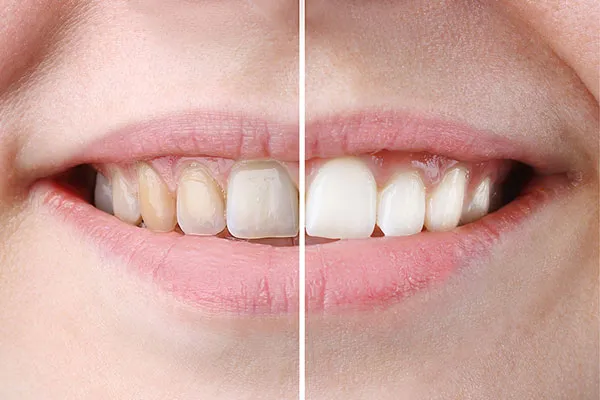
Understanding Whitening After Braces
Embarking on the journey of straightening your teeth with braces is a significant commitment to achieving a healthier and more aesthetically pleasing smile. However, the removal of braces often reveals a new set of challenges, particularly when it comes to the appearance of your teeth. One of the most common concerns is the discoloration that can occur during the time braces are worn. This article is designed to provide you with 101 top tips to navigate the world of whitening after braces, ensuring that you achieve the bright, confident smile you’ve always dreamed of. The process involves understanding the causes of discoloration, exploring effective whitening options, and establishing a comprehensive care plan to maintain your dazzling results. Achieving a radiant smile after braces requires a proactive approach, and these tips will empower you to make informed decisions and take effective action.
Why Teeth Discolor After Braces?
The process of wearing braces, while effective in aligning teeth, can create several opportunities for discoloration to occur. The brackets and wires, which are crucial for moving teeth, can make it more difficult to effectively clean every surface of your teeth. Food particles and plaque can easily get trapped around the brackets, leading to a buildup of bacteria and staining. Moreover, the adhesive used to attach the brackets to the teeth can sometimes leave subtle marks or unevenness after removal, which can also impact the uniformity of your tooth color. The enamel itself may also be affected due to prolonged exposure to the adhesive and the mechanical stress of the braces. Understanding the underlying causes of discoloration is the first step in choosing the right whitening approach.
Factors Contributing to Discoloration

Several factors contribute to the discoloration of teeth after braces. Dietary habits play a significant role. Consuming foods and drinks that are known to stain teeth, such as coffee, tea, red wine, and dark-colored berries, can exacerbate the problem, especially when oral hygiene is compromised. Poor oral hygiene is another critical factor. If you don’t brush and floss thoroughly, plaque and bacteria can accumulate, leading to stains and the early stages of tooth decay. Smoking and tobacco use are also major culprits, as they not only stain teeth but can also damage the enamel, making it more susceptible to discoloration. Additionally, the type of adhesive used during the bracing process and the duration of treatment can also influence the extent of discoloration.
Effective Whitening Options After Braces
Fortunately, several effective whitening options are available to restore the natural brightness of your teeth after braces. The best approach often involves a combination of professional treatments and at-home care, carefully chosen to suit your specific needs and the extent of the discoloration. From professional in-office procedures to convenient over-the-counter products, the market offers many solutions to achieve optimal results. It’s crucial to consult with your dentist or orthodontist to determine the most appropriate method for your unique situation. They can assess the severity of the discoloration, evaluate the health of your teeth, and recommend a treatment plan that is both effective and safe, ensuring you achieve a beautiful, healthy smile.
Professional Teeth Whitening
Professional teeth whitening offers the most effective and often quickest results. Dentists use a higher concentration of bleaching agents than those available in over-the-counter products. This can significantly lighten your teeth in a single session, usually lasting about an hour. The procedure is performed under controlled conditions, minimizing the risk of sensitivity and ensuring even results. Professional whitening is particularly beneficial for more severe cases of discoloration or when you want rapid and dramatic improvements. Your dentist can also provide custom-fitted trays for at-home maintenance to prolong and enhance the whitening effects. Consulting your dentist is essential for a safe and successful whitening experience.
In-Office Whitening Procedures

In-office whitening procedures are performed in a dental clinic under the supervision of a trained professional. Your dentist will begin by protecting your gums with a protective barrier. A highly concentrated whitening gel is then applied to the teeth, often activated by a special light or laser to accelerate the bleaching process. These procedures are designed to deliver immediate and noticeable results, often lightening your teeth by several shades in just one visit. Because of the controlled environment and expertise of the dental professional, in-office whitening is a safe and effective method to combat discoloration after braces. The process is typically followed by detailed aftercare instructions to maintain the bright results.
At-Home Whitening Kits
At-home whitening kits offer a convenient and cost-effective alternative to in-office treatments. These kits typically include custom-fitted trays that your dentist creates specifically for your mouth. The trays are used to apply a lower concentration of bleaching gel to your teeth for a specified period, usually daily or nightly, for a few weeks. While at-home kits generally take longer to achieve the desired results compared to professional treatments, they are still effective for many individuals. Consistent use, as directed by your dentist, is crucial for optimal results. It’s essential to follow all instructions carefully and to discuss any concerns or sensitivity with your dentist.
Over-the-Counter Whitening Products
Over-the-counter whitening products, such as whitening strips, toothpastes, and mouthwashes, are readily available for those seeking an initial boost in brightness. These products are generally less potent than professional or prescription treatments, making them a gentler option. Whitening strips are easy to use and typically applied to the teeth for a specific amount of time, while whitening toothpastes and mouthwashes work to remove surface stains. While these products can help to remove surface stains and slightly brighten teeth, they may not be effective for more severe discoloration. Always follow the instructions on the product packaging, and consider consulting your dentist for personalized advice.
Essential Tips for Optimal Whitening Results

Achieving and maintaining optimal whitening results requires more than just the whitening treatment itself. It involves a holistic approach that includes proper oral hygiene, dietary adjustments, and diligent post-whitening care. Consistently following these tips will not only enhance your whitening results but also contribute to the overall health of your teeth and gums. Remember, a beautiful smile is a result of combined efforts; by integrating these tips into your daily routine, you can maximize the longevity and effectiveness of your whitening treatments and enjoy a radiant smile for years to come. These are the keys to maintaining a healthy, bright smile after braces.
Oral Hygiene for Whitening Success
Excellent oral hygiene is the foundation of a bright, healthy smile. This includes brushing your teeth at least twice a day with a fluoride toothpaste, using a soft-bristled toothbrush to avoid damaging your enamel. Flossing daily is also crucial to remove plaque and food particles from between your teeth and along the gumline, areas that brushing often misses. Consider using an antibacterial mouthwash to help kill bacteria and freshen breath. Regularly scheduled dental check-ups and professional cleanings are essential to remove any buildup of plaque and tartar and to identify any potential problems early on. These practices support the effectiveness of whitening treatments and promote long-term oral health.
Dietary Adjustments for a Brighter Smile
Your diet plays a significant role in the appearance of your teeth. Certain foods and drinks are known to stain teeth, and minimizing their consumption can help to preserve your whitening results. Consider reducing your intake of coffee, tea, red wine, and dark-colored berries. These beverages and foods contain chromogens, which are pigments that can stain the enamel. If you consume these items, rinsing your mouth with water immediately afterward can help to minimize staining. Eating a diet rich in crunchy fruits and vegetables like apples and carrots can also naturally help to clean your teeth and stimulate saliva production, which washes away food particles.
Post-Whitening Maintenance and Care

After your teeth whitening treatment, proper maintenance and care are crucial to prolong the results. Your dentist will likely provide specific instructions based on the type of treatment you received. These may include using a desensitizing toothpaste if you experience any sensitivity and avoiding certain foods and drinks that can stain your teeth. Regular dental check-ups and cleanings are essential for maintaining your bright smile. Your dentist may also recommend touch-up treatments or at-home maintenance to keep your teeth looking their best. With consistent care and attention, you can enjoy your radiant smile for a long time. Following this advice will help you enjoy the benefits of your whitening treatment for longer.
Maintaining Your Bright Smile
Maintaining your bright, white smile requires a consistent and proactive approach, encompassing good oral hygiene practices, mindful dietary choices, and regular professional dental care. By adopting these habits, you can significantly extend the longevity of your whitening results and ensure that your teeth remain healthy and radiant for years to come. This proactive approach is important to help you enjoy your beautifully whitened teeth. It is not just about the initial whitening; it’s about making lasting changes that support your oral health and enhance your overall well-being.
Foods and Drinks to Avoid
Certain foods and drinks are notorious for staining teeth, and it is wise to moderate their consumption to protect your newly whitened smile. Coffee and tea contain tannins, which can stain teeth. Red wine, with its dark pigments, is another common culprit. Dark-colored sodas and fruit juices also have the potential to stain. Similarly, highly pigmented foods, such as berries, soy sauce, and balsamic vinegar, can leave their mark. If you do consume these items, rinsing your mouth with water or brushing your teeth afterward can minimize their impact.
Regular Dental Check-ups

Regular dental check-ups and professional cleanings are essential components of maintaining a bright, healthy smile. During these visits, your dentist can assess the overall health of your teeth and gums, identify any early signs of problems, and provide professional cleaning to remove plaque and tartar that regular brushing and flossing can’t eliminate. These cleanings can also help to remove surface stains, keeping your teeth looking their best. Regular check-ups are also a great opportunity to discuss any concerns you have about your smile and receive personalized advice from your dentist. By consistently attending dental appointments, you are investing in your long-term oral health and the vibrancy of your smile.