Understanding Teeth Whitening
Teeth whitening is a popular cosmetic procedure aimed at lightening the color of your teeth and removing stains. Over time, teeth can become discolored due to various factors, including the consumption of staining foods and drinks like coffee, tea, and red wine, as well as smoking and aging. The enamel, the outer layer of your teeth, is porous and can absorb pigments from these substances. Whitening treatments work by using bleaching agents to break down these stains, restoring your teeth to a brighter appearance. The effectiveness of whitening treatments can vary depending on the type of stains, the method used, and the individual’s tooth structure. There are several methods available, ranging from professional treatments at a dentist’s office to over-the-counter products and DIY approaches, offering a range of options to suit different needs and budgets.
How Baking Soda Whitens Teeth
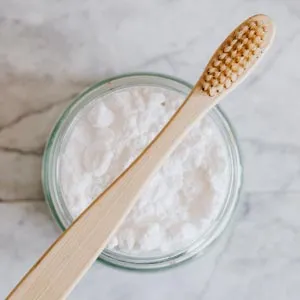
Baking soda, or sodium bicarbonate, is a mild abrasive that can help remove surface stains from your teeth. It works by gently scrubbing away the plaque and debris that can accumulate on the enamel. This action can lead to a brighter appearance over time. Moreover, baking soda has natural whitening properties, helping to neutralize acids in the mouth and preventing bacteria growth. The abrasive nature of baking soda is relatively gentle, making it a popular ingredient in many homemade whitening solutions. However, it is crucial to use it with caution, as excessive or improper use can potentially damage the enamel. When used correctly, baking soda can be an affordable and accessible way to improve the appearance of your teeth. Its effectiveness depends on the type of stains and the frequency of use, so consistency is key.
The Power of Peroxide for Teeth

Hydrogen peroxide is a bleaching agent commonly used in teeth whitening products. It works by penetrating the enamel and breaking down the stain molecules within the teeth. This process releases oxygen, which helps to lift the stains and lighten the overall color. The concentration of hydrogen peroxide in whitening treatments varies, with professional treatments using higher concentrations than over-the-counter products. Higher concentrations typically provide faster and more dramatic results, but they also increase the risk of sensitivity and other side effects. Hydrogen peroxide is effective against both intrinsic and extrinsic stains, making it a versatile option for teeth whitening. When used in conjunction with baking soda, it can enhance the whitening effect, providing a more noticeable change in tooth color. Always follow recommended usage guidelines to minimize potential risks.
Top 7 Baking Soda Hacks for Whiter Teeth
Here are seven effective ways to use baking soda to whiten your teeth at home. These methods utilize baking soda in combination with other ingredients to boost the whitening power and address different needs and preferences. Remember to exercise caution and use these techniques in moderation to avoid potential enamel damage. Always consult a dentist before starting any new teeth whitening regimen to ensure it is suitable for your oral health. Begin with a test application to check for sensitivity before regular use. Consistency and proper oral hygiene are key to achieving and maintaining a brighter, whiter smile.
Hack 1 Baking Soda and Water Paste
Mix baking soda with water to create a simple paste. The ratio should be enough to form a paste-like consistency. Apply the paste to your toothbrush and brush your teeth gently for about two minutes. Rinse thoroughly with water. This method provides a basic approach to utilizing the abrasive properties of baking soda to remove surface stains. It is a simple and accessible technique that can be easily incorporated into your regular oral hygiene routine. Using plain water helps keep the ingredient list minimal. However, it is crucial to avoid excessive brushing to prevent enamel damage. This method should be used in moderation, perhaps once or twice a week, to achieve noticeable results without compromising dental health.
Hack 2 Baking Soda and Peroxide

Combine baking soda with a small amount of 3% hydrogen peroxide to create a paste. Brush your teeth gently with this paste for about two minutes. Rinse well with water. This combination enhances the whitening effect by leveraging the bleaching properties of hydrogen peroxide in conjunction with the abrasive action of baking soda. The hydrogen peroxide helps to break down stain molecules, while the baking soda assists in removing them from the tooth surface. This method should be used with care and frequency restricted to once or twice a week to avoid potential sensitivity. Monitor your teeth for any signs of irritation, and consult your dentist if you experience any adverse effects.
Hack 3 Baking Soda with Lemon Juice
Mix baking soda with fresh lemon juice to form a paste. Apply this paste to your teeth, and leave it on for no more than a minute. Rinse thoroughly. Lemon juice contains citric acid, which can help to brighten teeth. However, it can also erode enamel if used excessively. This method should be used with utmost caution and should not be used more than once a week, if at all. Always ensure you rinse your mouth thoroughly after use to remove any residual acid. Those with sensitive teeth should avoid this hack. This method can lead to increased sensitivity and potential damage to the enamel. Consulting your dentist beforehand is advisable.
Hack 4 Baking Soda and Coconut Oil
Combine baking soda with coconut oil to create a paste. Coconut oil has antibacterial properties and can help to improve oral health. Brush your teeth gently with this mixture. Rinse thoroughly. This combination is a gentler alternative as coconut oil has soothing qualities and can help to reduce sensitivity. The baking soda removes surface stains while the coconut oil contributes to overall oral hygiene. This method can be used a few times per week without significant risks. It also leaves your mouth feeling fresh. Using this method regularly will improve the overall health and appearance of your teeth.
Hack 5 Baking Soda with Salt

Mix baking soda with a pinch of salt and water to create a paste. Salt is another mild abrasive that can assist in removing stains. Brush your teeth gently with this paste. Rinse well with water. The salt enhances the cleaning action of the baking soda. This method is cost-effective and easy to implement. However, excessive use can damage enamel. This combination provides an extra boost to the cleaning power of baking soda. It’s important to use it in moderation. If you have high blood pressure, consult your doctor before using salt in oral hygiene routines. Brushing gently is essential to avoid any damage to the gums or teeth.
Hack 6 Baking Soda and Strawberry
Mash a ripe strawberry and mix it with baking soda to form a paste. Strawberries contain malic acid, which can help to whiten teeth. Apply the paste to your teeth for a short duration and rinse thoroughly. This method combines the abrasive action of baking soda with the natural whitening properties of strawberries. The malic acid helps to break down stains, and the baking soda assists in removal. Use this method sparingly, as the acidity from the strawberry can potentially erode the enamel. Always rinse your mouth thoroughly to remove any residue. This can be an excellent way to whiten teeth without resorting to harsh chemicals.
Hack 7 Baking Soda and Apple Cider Vinegar
Mix baking soda with apple cider vinegar to create a paste. Apple cider vinegar has acidic properties that can help to remove stains. Apply to teeth, leave for a minute, then rinse. This is a more abrasive method, so it should be used sparingly. Apple cider vinegar can be harsh on enamel. Its use should be carefully considered. It is better to consult with a dentist before using this method. It is essential to rinse your mouth thoroughly after use to remove any remaining acidity. Due to the potential for enamel erosion, this method should be used with extreme caution.
Important Considerations & Precautions

Before using baking soda for teeth whitening, it is crucial to consider several important factors. Excessive use of baking soda can erode tooth enamel, leading to increased sensitivity and a higher risk of cavities. It’s essential to brush gently to avoid damaging the enamel further. If you have any existing dental issues, such as cavities, gum disease, or sensitive teeth, consult your dentist before trying any DIY whitening methods. Regular dental check-ups are also important to monitor your oral health. Using baking soda is not a substitute for professional dental care, and it should be used as a supplementary method only. Consider these points before starting any whitening routine.
Potential Side Effects
Baking soda can have potential side effects, especially with overuse. These may include increased tooth sensitivity, gum irritation, and enamel erosion. Tooth sensitivity can manifest as discomfort when consuming hot or cold foods and drinks. Enamel erosion, which can occur with frequent use, makes your teeth more vulnerable to decay. If you experience any adverse reactions, discontinue use immediately and consult with your dentist. Monitoring your teeth and gums for any changes is also important. Be aware of the risks before starting any teeth-whitening regimen. Seek professional advice if you notice any signs of problems.
Alternative Whitening Methods
If DIY methods are not suitable or you are seeking more effective whitening solutions, several alternatives are available. Professional teeth whitening treatments offered by dentists use stronger bleaching agents to achieve dramatic results. These treatments are generally safe and performed under professional supervision. Over-the-counter whitening products, such as whitening strips, toothpastes, and gels, offer a convenient option. These products usually contain lower concentrations of bleaching agents than professional treatments. Always follow the instructions on the product packaging and consult with your dentist if you have any concerns. Professional methods are generally more effective, though at-home methods can be easier on your wallet.
Maintaining Your White Smile

Maintaining your newly whitened smile involves adopting good oral hygiene practices and making lifestyle adjustments. Brush your teeth twice a day with a fluoride toothpaste. Floss daily to remove plaque and debris from between your teeth. Limit your consumption of staining foods and drinks, such as coffee, tea, and red wine. Avoid smoking and using tobacco products. Regular dental check-ups and cleanings are important for maintaining your oral health and the brightness of your teeth. Following these practices will help you to preserve the results of your whitening treatments and maintain a healthy, radiant smile. A proactive approach to oral hygiene is the best long-term strategy.