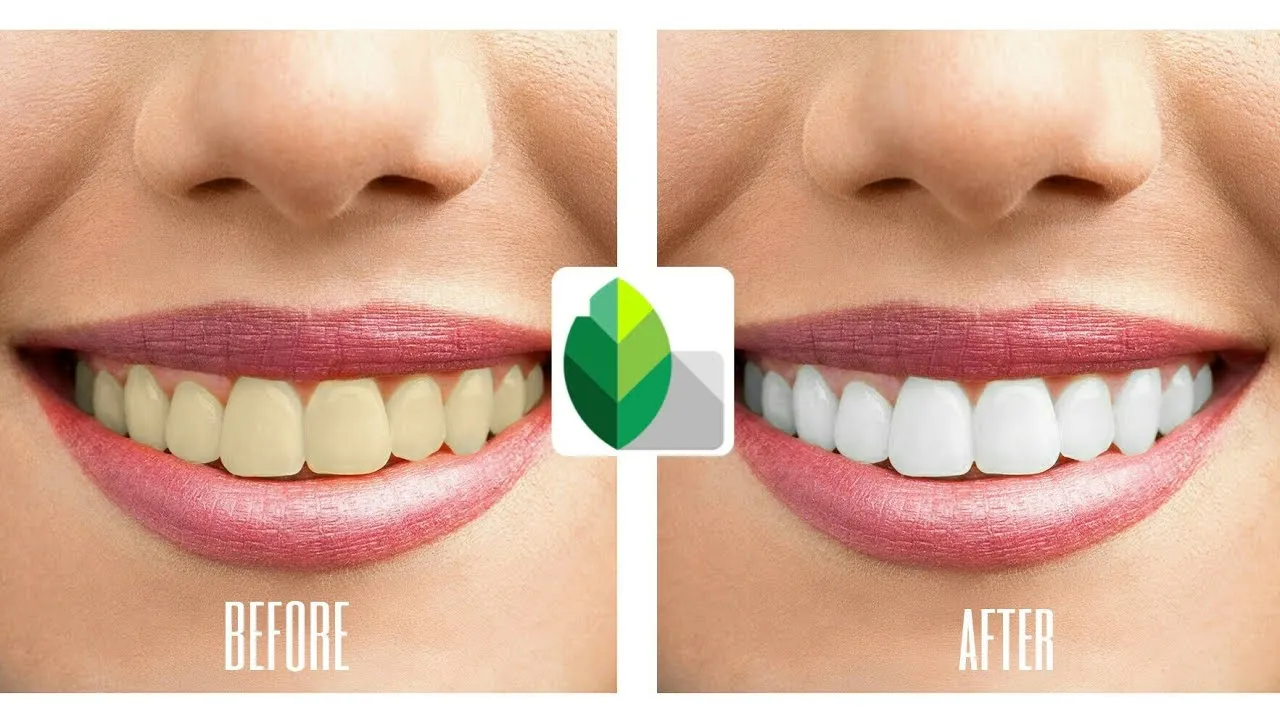
Understanding Teeth Discoloration
Teeth discoloration is a common cosmetic concern that affects people of all ages. The vibrant, pearly white smile we often desire can be compromised by a variety of factors, leading to a less-than-perfect appearance. Understanding the causes behind teeth discoloration is the first step in addressing the problem effectively. This knowledge allows us to choose the most appropriate whitening methods and maintain a healthy, bright smile. The process of discoloration can be categorized into two main types intrinsic and extrinsic stains. Extrinsic stains are on the surface, while intrinsic is within the enamel.
Factors that Cause Teeth Staining
Several factors contribute to the staining of teeth. Many of these are related to our daily habits and lifestyle choices. Knowing these factors can help us to proactively prevent or mitigate the effects of staining. This proactive approach, combined with effective whitening techniques, is crucial for maintaining a bright smile. Regular dental checkups, good oral hygiene, and mindful dietary choices are fundamental in preventing these stains from appearing in the first place and keeping the teeth whiter.
Dietary Choices

The foods and beverages we consume play a significant role in the discoloration of our teeth. Certain items are notorious for their staining properties. Regularly consuming these items can lead to a gradual but noticeable change in the color of the teeth. This is because these substances contain chromogens, which are deeply colored pigments that adhere to the enamel. Minimizing the intake of these foods and drinks can significantly contribute to maintaining a whiter smile.
- Coffee and Tea These popular beverages contain tannins, which can bind to teeth and cause staining over time.
- Red Wine The high concentration of tannins and chromogens in red wine makes it a potent source of teeth stains.
- Dark-Colored Fruits and Vegetables Berries (blueberries, blackberries) and beets are rich in pigments that can stain teeth.
- Curry and Tomato-Based Sauces These sauces contain strong pigments that can adhere to the enamel.
- Sports Drinks and Sodas The acidity in these drinks can erode enamel, making teeth more susceptible to stains.
Lifestyle Habits
Lifestyle habits can greatly impact the color of your teeth. Some habits can accelerate the process of teeth staining, leading to a duller, less attractive smile. Understanding these habits and making conscious changes can help to minimize discoloration and maintain a brighter appearance. The choices you make in your daily routine can make a huge difference in the color of your teeth. This includes everything from avoiding smoking to maintaining a good oral hygiene routine and being mindful of how often you brush.
- Smoking and Tobacco Use Tobacco use is a leading cause of teeth discoloration, due to the presence of tar and nicotine.
- Poor Oral Hygiene Neglecting to brush and floss regularly allows plaque and stains to build up on teeth.
- Medications Certain medications, such as tetracycline antibiotics, can cause teeth discoloration.
- Teeth Grinding and Clenching These habits can wear down enamel, making teeth more prone to staining.
- Mouthwash with Chlorhexidine Chlorhexidine can cause brown stains on teeth with prolonged use.
The Impact of Aging
As we age, changes in tooth color are natural. The outer layer of enamel gradually wears down, revealing the yellowish dentin underneath. Additionally, over time, teeth accumulate stains from various sources, leading to a darker appearance. While aging is unavoidable, several strategies can help to minimize its impact on the brightness of your smile. This includes taking proactive steps towards dental care and adapting lifestyle changes to address the discoloration caused by aging, which promotes a healthier and brighter smile as you age.
7 Proven Ways to Whiten Teeth

There are numerous effective methods to whiten teeth, ranging from professional treatments to at-home remedies. The best approach often involves a combination of techniques tailored to individual needs and preferences. Each method has its advantages and considerations. The best way is to consult with a dental professional to determine the best approach for you. These treatments can help you achieve a brighter, more confident smile, and make you feel good and happy about yourself.
Professional Teeth Whitening
Professional teeth whitening, performed by a dentist, is one of the most effective and fastest ways to achieve a significantly whiter smile. These treatments use high-concentration bleaching agents, which can quickly penetrate the enamel and break down stain-causing molecules. Professional whitening offers the benefit of supervision by a dental professional, ensuring the procedure is safe and effective. This method is often preferred for its immediate and dramatic results. Consulting with your dentist before any treatments is crucial to determine the right option for you.
In-Office Whitening Treatments
In-office whitening treatments are typically completed in a single session, making them a convenient option for those seeking immediate results. During the procedure, the dentist applies a strong whitening agent to the teeth and uses a special light or laser to activate the bleaching process. This helps the whitening solution to work more efficiently and effectively. The dentist closely monitors the entire process, ensuring the safety of the gums and other soft tissues. The benefits of in-office whitening include immediate results and customized care.
At-Home Whitening Kits

At-home whitening kits provide a more accessible and affordable alternative to in-office treatments. These kits typically include custom-fitted trays and a lower-concentration bleaching gel. At-home whitening is a gradual process, with results becoming visible over several weeks of consistent use. While less powerful than in-office treatments, these kits can effectively whiten teeth over time. Be sure to follow the instructions carefully to avoid any potential side effects. Also, consult a dentist before using any products to ensure they are right for you.
Whitening Toothpaste
Whitening toothpaste is a common and easily accessible option for teeth whitening. These toothpastes contain mild abrasives and polishing agents that help to remove surface stains. They are a good option for maintaining brightness and preventing new stains from forming. It is important to understand how whitening toothpaste works and its limitations. While they are effective for surface stains, they don’t change the intrinsic color of teeth. Using whitening toothpaste as a part of your regular oral hygiene routine can help maintain a brighter smile.
How Whitening Toothpaste Works
Whitening toothpastes work through a combination of mechanical and chemical actions. Most whitening toothpastes contain mild abrasive particles, such as silica or hydrated alumina, that gently scrub the surface of the teeth to remove stains. Some toothpastes also contain chemical agents, such as hydrogen peroxide, that can help to break down stain molecules. The key is to find a balance between effective stain removal and gentleness to avoid damaging the enamel. It is important to check the ingredients and follow the guidelines. Also, consult a dentist to know the best options.
Benefits of Whitening Toothpaste

Whitening toothpaste offers several benefits, making it a popular choice for many people. They are convenient and affordable. Whitening toothpastes can help to remove surface stains caused by foods, drinks, and tobacco, resulting in a brighter smile. Regular use can improve the overall appearance of your teeth and boost your confidence. They can also help to prevent future stains, making it an integral part of your routine. They also help to maintain oral hygiene which will make you happy and confident.
Whitening Strips
Whitening strips are another popular at-home teeth whitening option. They are thin, flexible strips coated with a whitening gel, usually containing hydrogen peroxide. Whitening strips are easy to use and provide a convenient way to whiten your teeth gradually. This makes them a popular choice for many people. The effectiveness of whitening strips depends on the concentration of the whitening agent and the frequency of use. Properly used, these strips can provide noticeable results. They are available over the counter.
The Effectiveness of Whitening Strips
The effectiveness of whitening strips can vary depending on the brand and the concentration of the whitening agent. Generally, whitening strips are effective at removing surface stains and providing a noticeable improvement in the brightness of your teeth. The results of whitening strips are not as dramatic or immediate as professional treatments. For best results, consistency and adherence to the instructions are essential. The use of whitening strips is an affordable and accessible way to enhance your smile and boost your confidence.
Correct Usage of Whitening Strips

Correct usage is key to achieving the best results and minimizing potential side effects. Before using, brush your teeth gently and thoroughly. Apply the strips according to the instructions, ensuring they are properly positioned on the teeth. Avoid contact with gums to prevent irritation. It is recommended to follow the directions carefully and avoid overuse to reduce the risk of tooth sensitivity. When used properly, whitening strips can be a safe and effective way to brighten your smile. Always consult your dentist or dental professional before using any products.
Oil Pulling for Whitening
Oil pulling is an ancient Ayurvedic practice that involves swishing oil in the mouth to remove bacteria and promote oral health, and potentially whiten teeth. The process is believed to pull toxins from the mouth, which can improve oral hygiene and reduce stains. While the scientific evidence on its whitening effects is limited, many people find it to be a beneficial addition to their oral care routine. Some people are using oil pulling for better oral hygiene and health. It is a natural remedy with many benefits.
The Science Behind Oil Pulling
The science behind oil pulling is based on the concept of lipid attraction. As oil pulling is done, oil is swished around the mouth, it attracts and binds to bacteria and other impurities. This process can help to reduce plaque and remove bacteria that contribute to tooth decay and staining. The mechanical action of swishing the oil helps to clean the teeth and gums, promoting oral health. Scientific studies are still ongoing to validate these claims. Most people claim that they are seeing positive results with oil pulling.
Optimal Oil Pulling Practices

To practice oil pulling effectively, it is important to choose a high-quality oil and follow a specific routine. Coconut oil is the most commonly used, due to its antibacterial properties. Start by swishing one tablespoon of oil in your mouth for 15–20 minutes. Make sure to swish the oil gently and thoroughly around your mouth, between your teeth, and around your gums. After swishing, spit the oil into the trash. Rinse your mouth with water and brush your teeth as usual. For best results, oil pulling should be done daily.
Activated Charcoal for Teeth Whitening
Activated charcoal has gained popularity as a natural teeth-whitening agent. Activated charcoal is a fine, black powder that is made from coconut shells or other materials. It is processed to increase its absorbency, which allows it to remove surface stains from teeth. Many people use activated charcoal to enhance their smile. While it can be effective, it is essential to use it cautiously and be aware of its potential drawbacks. It is best to consult with a dental professional before use to ensure its suitability for your teeth.
How Activated Charcoal Works
Activated charcoal works by adsorbing stains and impurities from the teeth. The porous structure of activated charcoal traps stain molecules, which are then removed when you rinse or brush your teeth. It is abrasive and helps to remove surface stains from teeth, giving them a brighter appearance. Unlike chemical whitening agents, activated charcoal does not bleach the teeth. It is not as effective for intrinsic stains. People use activated charcoal as an alternative way to whiten their teeth.
Precautions for Using Activated Charcoal
While activated charcoal can be effective for teeth whitening, it’s crucial to use it with caution. Overuse can damage tooth enamel, leading to increased sensitivity and increased risk of decay. Always brush gently. It’s important to consult a dentist or dental professional before using activated charcoal. They can assess your oral health and determine if it’s suitable. It is important to be cautious about the use of activated charcoal and consult with dental professionals for better results.
Homemade Teeth Whitening Recipes
Homemade teeth-whitening recipes often involve natural ingredients that are believed to remove stains and brighten teeth. Some people prefer homemade remedies because they are more natural and are usually cheaper than commercial products. While these recipes can be tempting, it is essential to be cautious. Be sure to consult with your dentist to avoid any potential risks to your oral health. Many of these remedies are safe for short-term use, but they may not be effective as commercial treatments.
Baking Soda and Lemon Juice
Baking soda and lemon juice is a popular homemade teeth whitening combination. Baking soda acts as a mild abrasive to remove surface stains, while lemon juice is believed to have bleaching properties. To use this method, mix baking soda and lemon juice into a paste and apply it to your teeth. Brush for a short time and rinse thoroughly. The high acidity of lemon juice can erode tooth enamel. It is better to use this mixture sparingly and consult your dentist. This mix is very effective in removing stains.
Hydrogen Peroxide Rinse
Hydrogen peroxide is a mild antiseptic that can also be used as a teeth-whitening agent. Rinsing with a diluted hydrogen peroxide solution can help to lighten the color of your teeth and kill bacteria. It is important to dilute the hydrogen peroxide with water to reduce the risk of irritation. Rinse your mouth with a mixture for a short time and then rinse with plain water. Using it too often can irritate the gums. It is best to consult a dentist before using this method. This method has many benefits.
Maintaining Your White Smile
Maintaining a white smile requires consistent effort and a commitment to good oral hygiene and a healthy lifestyle. There is a need for adopting a regular routine. Following some simple guidelines can help to preserve your smile and prevent future discoloration. These long-term practices are essential for enjoying the benefits of a bright, healthy smile. This routine also includes regular dental checkups, which also help in maintaining your smile. Proper oral hygiene promotes healthy gums.
Oral Hygiene Routine
A consistent oral hygiene routine is the foundation for maintaining a bright smile. Brushing your teeth twice a day with fluoride toothpaste is essential to remove plaque and food particles that can cause stains. Flossing daily removes plaque and debris. Use mouthwash to remove any remaining bacteria and freshen your breath. A consistent routine helps to keep your teeth clean and prevent stains from building up. This helps to improve the health of your teeth and gums. Consistent oral hygiene ensures a healthy mouth.
Avoiding Stain-Causing Foods and Drinks
Avoiding stain-causing foods and drinks can significantly reduce the likelihood of teeth discoloration. Limiting your consumption of coffee, tea, red wine, and dark-colored fruits and vegetables can help keep your teeth whiter. Rinsing your mouth with water after consuming these items can also help to minimize staining. Making mindful choices about your diet can contribute to a long-lasting, bright smile. Taking care of your diet will improve your general health.
Regular Dental Check-ups
Regular dental check-ups are crucial for maintaining a white smile and overall oral health. Regular visits to your dentist allow for professional cleanings, which can remove surface stains and plaque build-up. Dentists can detect any potential problems early on, which can prevent them from developing into more serious issues. Regular check-ups also provide an opportunity to discuss any teeth whitening options and receive personalized advice. Making dental appointments a regular part of your routine is crucial for maintaining a healthy and beautiful smile.