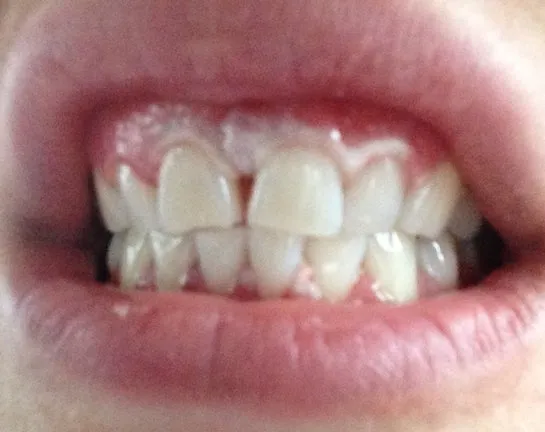
What Causes White Gums
White gums can be a cause for concern, often indicating a problem with your oral health. The color of your gums is a good indicator of your overall oral hygiene. Healthy gums are typically pink, with variations depending on your natural skin tone. White gums, however, can signal various issues. One of the most common causes is poor oral hygiene. When plaque and bacteria accumulate, they can irritate the gums, leading to inflammation and a change in color. Another cause of white gums can be the development of canker sores or other mouth ulcers. These painful sores can cause the surrounding gum tissue to appear white or pale. In some instances, white gums can be a sign of more serious conditions, such as anemia, where a lack of red blood cells can make the gums appear pale. Fungal infections, like oral thrush, can also present with white patches on the gums and tongue. It’s crucial to consult with a dentist to determine the exact cause of white gums and receive appropriate treatment, ensuring your overall health and well-being.
Teeth Whitening Methods
Teeth whitening methods vary widely, each offering different levels of effectiveness, convenience, and cost. The primary methods include professional treatments performed by a dentist and at-home options available over the counter or through prescription. Professional whitening often involves the use of high-concentration bleaching agents applied under controlled conditions. This approach can yield significant results quickly, sometimes improving the shade of your teeth by several levels in a single session. At-home whitening options are typically less potent, but still can offer some results. These range from whitening toothpaste and strips to custom-fitted trays provided by your dentist, with varying levels of hydrogen or carbamide peroxide. Whitening toothpaste helps remove surface stains, while strips and trays provide a more concentrated whitening effect. The best method for you will depend on your individual needs, the current condition of your teeth, and your desired outcome. Consulting with your dentist is the first step in determining which approach will work best, taking into consideration your oral health and expectations for results.
Professional Teeth Whitening

Professional teeth whitening offers the most dramatic and rapid results, performed in a dental office by trained professionals. This method typically involves the application of a highly concentrated hydrogen peroxide gel to the teeth, which is then activated by a special light or laser. The process usually takes about an hour and can significantly lighten the shade of your teeth in a single session. Before the procedure, your dentist will often take steps to protect your gums and soft tissues, as the bleaching agents can cause irritation. This may involve the use of a protective barrier or a rubber dam. Professional whitening is ideal for those seeking immediate and noticeable results, and for individuals with significant staining or discoloration. Because it is supervised by a dental professional, it also minimizes the risk of complications compared to some at-home methods. However, professional whitening can be more expensive than at-home options. It’s essential to discuss your expectations and any concerns with your dentist before undergoing the treatment.
At-Home Whitening Options
At-home teeth whitening options provide a more convenient and cost-effective approach to brightening your smile. These options vary in potency and method, allowing individuals to choose the option that best suits their needs and preferences. Whitening toothpaste is a common choice, formulated with mild abrasives or chemicals that help remove surface stains. Whitening strips, available over the counter, contain a thin layer of bleaching agent, typically hydrogen peroxide, that is applied directly to the teeth for a set amount of time each day. Custom-fitted trays, often prescribed by a dentist, provide a more precise application of a whitening gel, ensuring even coverage and minimizing gum contact. These at-home methods generally contain a lower concentration of bleaching agents than professional treatments, resulting in a more gradual whitening effect. However, they are also easier to incorporate into your daily routine and offer a budget-friendly alternative to professional treatments. It is important to follow the instructions carefully and consult your dentist to ensure that your gums and teeth are healthy enough for these treatments.
How to Protect Your Gums During Whitening
Protecting your gums is crucial during teeth whitening to avoid irritation and potential damage. Whitening agents, particularly those with high concentrations of hydrogen peroxide, can cause gum sensitivity, inflammation, or even burns if they come into prolonged contact with the soft tissues. When opting for professional whitening, dentists take precautions to protect your gums, such as applying a protective barrier or using a rubber dam to isolate the teeth. If using at-home whitening products, ensure the product is applied only to your teeth, avoiding contact with the gums. Be cautious with the amount of gel used in trays, and remove any excess that might leak onto your gums. It’s also important to choose products that are specifically designed for at-home use and to carefully follow the instructions provided. If you experience any gum irritation, discontinue use immediately and consult your dentist. Maintaining good oral hygiene, including regular brushing and flossing, can also help minimize the risk of gum inflammation during teeth whitening.
Choosing the Right Whitening Product

Choosing the right teeth whitening product involves considering several factors to ensure effectiveness and safety. The first step is to consult your dentist, who can assess your oral health and recommend the most suitable option. The concentration of the active whitening agent, typically hydrogen peroxide or carbamide peroxide, is a key factor. Higher concentrations often provide faster results but can also increase the risk of sensitivity. Consider your teeth’s current condition, any existing fillings, crowns, or veneers, as whitening products do not work on these. Evaluate the method of application; whitening strips, trays, and toothpastes each offer different levels of convenience and effectiveness. Read reviews and research brands to understand the experiences of other users. Look for products with the American Dental Association (ADA) Seal of Acceptance, which indicates that the product has been tested and is safe and effective. Prioritize products that provide clear instructions and warnings. Finally, consider your budget and the desired timeline for results, as professional treatments and certain at-home kits can be more costly.
Ingredients to Avoid for Gum Health
When choosing teeth whitening products, it’s important to be aware of ingredients that could potentially harm your gums. Certain harsh chemicals can cause irritation, sensitivity, and even tissue damage. Avoid products with excessively high concentrations of hydrogen peroxide or carbamide peroxide, as these can burn or inflame the gums, particularly with prolonged contact. Some whitening toothpastes contain abrasive particles that, while effective at removing stains, can also erode enamel and irritate the gums with frequent use. Look for toothpastes with a low Relative Dentin Abrasivity (RDA) value. Ingredients like sodium lauryl sulfate (SLS), a common foaming agent in toothpaste, can cause irritation and dryness, especially in individuals with sensitive gums. Also, be cautious of products containing alcohol, which can dry out the mouth and exacerbate gum inflammation. Always read the product label carefully, and if you experience any discomfort or irritation after using a whitening product, discontinue use and consult your dentist for advice.
Safe Whitening Practices for White Gums
Implementing safe whitening practices can help you achieve a brighter smile while protecting your gums. Always consult your dentist before starting any whitening treatment, as they can assess your oral health and offer personalized recommendations. When using at-home products, carefully follow the instructions and avoid exceeding the recommended treatment duration. Use a small amount of whitening gel or solution, ensuring it only covers your teeth and avoids contact with your gums. If you experience any sensitivity or irritation, discontinue use immediately and consult your dentist. Prioritize products with the ADA Seal of Acceptance, indicating they meet safety and efficacy standards. Maintain good oral hygiene by brushing twice a day with fluoride toothpaste and flossing daily to minimize gum inflammation. Consider using a desensitizing toothpaste during whitening to reduce any sensitivity. Remember, teeth whitening is a cosmetic procedure, and maintaining your gum health is paramount. If you’re prone to gum sensitivity or inflammation, consult your dentist about alternative options or strategies to protect your gums during the process.
Potential Side Effects and Solutions

Teeth whitening, while effective, can sometimes lead to side effects, and understanding these can help you mitigate any discomfort. The most common side effects are tooth sensitivity and gum irritation. Tooth sensitivity usually occurs due to the whitening agents penetrating the enamel and reaching the nerves in the teeth. Gum irritation can manifest as redness, swelling, or tenderness. To manage tooth sensitivity, use a desensitizing toothpaste containing potassium nitrate for a few weeks before and during the whitening process. Avoid extremely hot or cold foods and drinks during treatment. If gum irritation occurs, discontinue the whitening treatment immediately and consult your dentist. They might recommend a different product or a lower concentration. Ensure the whitening agent is applied only to your teeth, and avoid contact with your gums. Additionally, some people experience mild discomfort in their jaws due to the prolonged use of trays or mouthpieces; this is generally temporary. Always discuss potential side effects with your dentist and follow their instructions carefully to minimize any issues.
Maintaining Healthy Gums After Whitening
Maintaining healthy gums after teeth whitening is crucial for long-term oral health and a beautiful smile. Continue to practice good oral hygiene by brushing your teeth twice a day with fluoride toothpaste and flossing daily. Regular dental checkups and professional cleanings are essential for preventing gum disease and other oral health issues. Avoid smoking and excessive consumption of staining foods and drinks, such as coffee, tea, and red wine, as these can diminish the whitening effect and affect gum health. Use a soft-bristled toothbrush to avoid irritating your gums, and consider a toothpaste specifically formulated for sensitive gums. Stay hydrated to keep your mouth moist, which helps prevent dryness and irritation. Be mindful of your diet, and eat a balanced diet rich in vitamins and minerals to support overall gum health. If you notice any changes in your gums, such as redness, swelling, or bleeding, consult your dentist promptly. Consistent care will ensure that your gums remain healthy and your smile stays bright long after your whitening treatment.