Understanding Teeth Whitening and Diet
Teeth whitening is a popular cosmetic dental procedure designed to brighten the shade of your teeth. While it can dramatically improve your smile, the effectiveness and longevity of the results depend heavily on your post-whitening care, particularly your diet. The foods and beverages you consume can significantly impact how long your teeth remain bright and the overall success of the treatment. Understanding the principles of teeth whitening and how certain foods interact with your newly whitened teeth is crucial for maintaining your dazzling smile. This guide provides the information you need to navigate your diet after teeth whitening, ensuring the best possible outcome for your investment in a brighter, more confident smile.
How Teeth Whitening Works
Teeth whitening treatments generally work by using a bleaching agent, usually hydrogen peroxide or carbamide peroxide, to penetrate the enamel and break down stains and discoloration. The process oxidizes the stain molecules, making them less visible and resulting in a lighter tooth shade. The effectiveness of the whitening process depends on the concentration of the bleaching agent, the duration of its contact with the teeth, and the type of stains being treated. After the procedure, the enamel is more porous, making it more susceptible to absorbing pigments from food and drinks. This is why dietary restrictions are particularly important immediately following teeth whitening.
The Importance of Post-Whitening Diet

Following a specific diet after teeth whitening is critical to prevent new stains from forming. Your teeth are more vulnerable during this period because the pores in the enamel are open, and they can easily absorb pigments from the food and drinks you consume. Ignoring dietary guidelines can lead to the rapid re-staining of your teeth, diminishing the results of the whitening treatment. Adhering to a white diet or a diet that avoids staining agents helps maintain the bright results for as long as possible. The choices you make in the first few days are the most crucial, so it’s important to be mindful of what you eat and drink to protect your investment in a brighter smile.
Why Tuna Might Be Problematic After Whitening
Tuna, while a healthy source of protein, can pose potential problems after teeth whitening. The primary concern is the presence of pigments and other compounds that can contribute to staining. Tuna, like other foods, contains natural compounds that can interact with the porous enamel. Additionally, tuna often comes with additives or is prepared with ingredients that can contribute to staining. Understanding these factors can help you make informed choices about your diet and maintain your teeth’s brightness after the whitening procedure.
The Pigment Factor
The primary reason tuna can be problematic is the presence of natural pigments and compounds that can potentially stain the teeth. Although tuna itself is a relatively light-colored food, the way it’s prepared and consumed can introduce staining agents. For example, if tuna is mixed with ingredients such as soy sauce or balsamic vinegar, these could contribute to staining. Even the natural oils in tuna can potentially interact with the teeth, though to a lesser extent than strongly pigmented foods. Therefore, it’s essential to consider the preparation methods and the other ingredients used.
Acidity and Sensitivity

Another aspect to consider is the potential acidity of certain tuna preparations. Highly acidic foods can erode the enamel, making teeth more susceptible to staining and sensitivity. While tuna itself is not highly acidic, some preparations might include acidic ingredients like lemon juice or vinegar. Following teeth whitening, your teeth can be more sensitive, and the effects of acidic foods can be heightened. Therefore, you should also be cautious about foods with high acidity levels, as they can affect your comfort and the longevity of your whitening results.
How Long to Wait Before Eating Tuna
The duration you should wait before eating tuna after teeth whitening is a crucial aspect of maintaining your bright smile. This timeframe allows your enamel to re-mineralize and reduces the risk of staining. Understanding the recommended waiting period and factors that can influence it will help you plan your diet and achieve the best results from your whitening treatment.
General Guidelines for Waiting Period
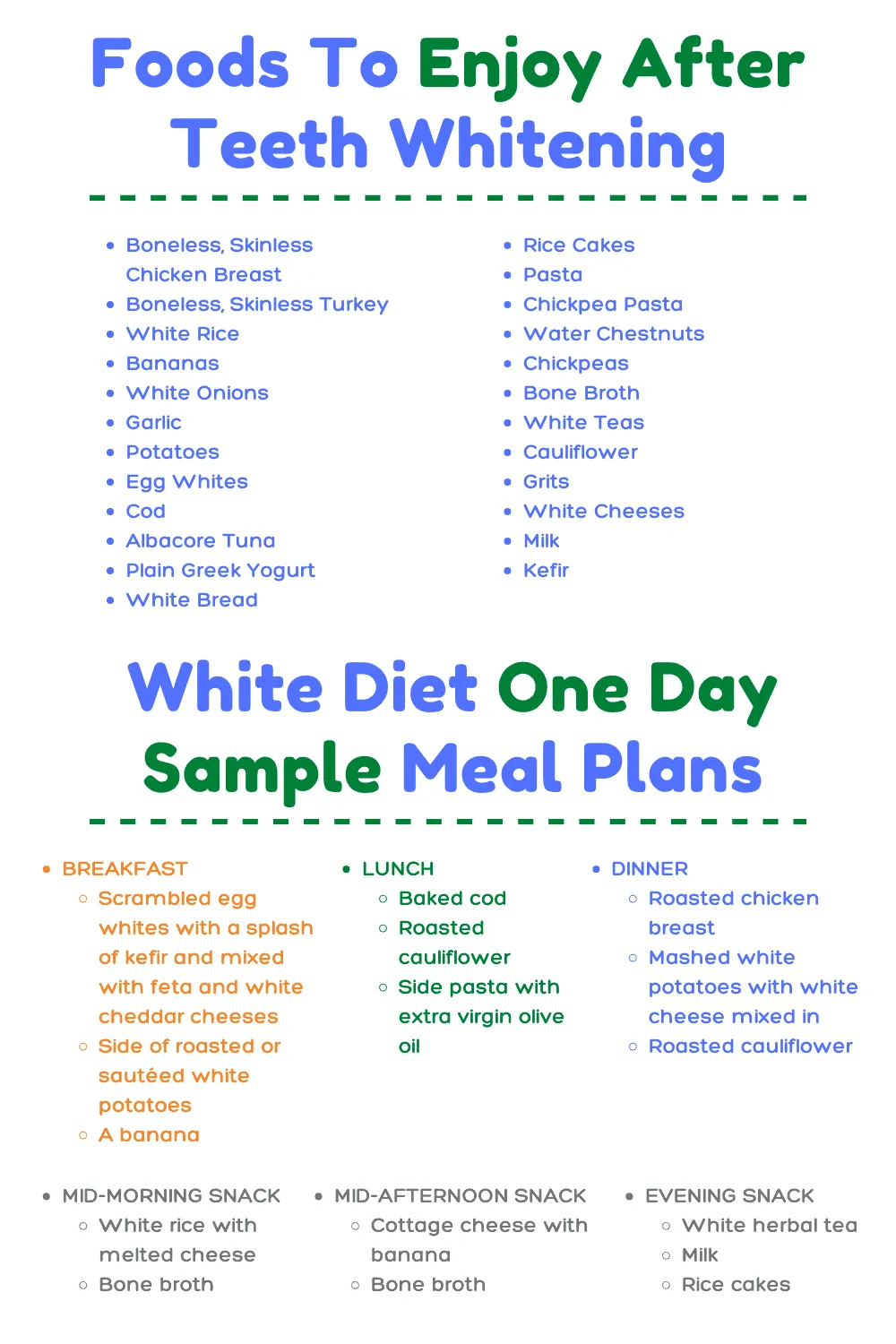
Most dentists recommend a waiting period of at least 48 to 72 hours after teeth whitening before consuming foods and drinks that can cause staining, including tuna. During this period, it is best to stick to a ‘white diet’, consisting of foods that are light in color and won’t stain your teeth. This helps to minimize the risk of pigments from food and drinks being absorbed into the porous enamel. After the initial waiting period, you can slowly reintroduce other foods, but it’s crucial to remain mindful of the color and potential staining properties of your food choices.
Factors Influencing the Waiting Time

Several factors can influence the optimal waiting time before eating tuna. The type of teeth whitening treatment used, the concentration of the bleaching agent, and the individual’s enamel porosity all play a role. For more intensive treatments, a longer waiting period might be recommended. Additionally, the sensitivity of your teeth and your ability to stick to dietary guidelines can affect how long you should wait. Always follow the specific instructions provided by your dentist, as they can offer personalized advice based on your treatment and unique oral health.
Foods to Avoid After Teeth Whitening
Understanding which foods to avoid after teeth whitening is vital for protecting your newly whitened smile. These foods contain pigments and compounds that can easily stain the porous enamel. Knowing what to avoid and why can significantly impact how long your teeth stay bright and white. Making informed food choices protects your teeth and the results of your whitening treatment. Prioritizing the following list will help you avoid unnecessary staining.
Foods That Stain Teeth
Some of the most common foods that stain teeth include coffee, tea, red wine, berries (like blueberries, raspberries, and blackberries), tomato-based sauces, soy sauce, and curry. Dark-colored sodas, sports drinks, and fruit juices can also cause staining. These foods contain strong pigments that can easily adhere to the porous enamel, causing discoloration. Avoiding these foods, particularly in the initial post-whitening period, is crucial for maintaining your bright results. Choose lighter alternatives or eliminate these foods from your diet to preserve your sparkling smile.
Foods That Can Irritate

Certain foods can also irritate your teeth and gums after teeth whitening. Acidic foods like citrus fruits, vinegar, and pickles can increase tooth sensitivity. Spicy foods can also be irritating. It’s important to avoid foods that can cause discomfort. Opting for bland, non-irritating foods can make the post-whitening period more comfortable and promote the healing of any sensitivity that might have resulted from the procedure. Gentle food choices will ensure a smoother recovery and better results.
Recommended Foods After Teeth Whitening
Choosing the right foods after teeth whitening is as important as avoiding the wrong ones. Focusing on light-colored, non-staining foods can help maintain your bright smile. These foods are generally gentle on your teeth and don’t pose a risk of staining. The goal is to select food options that are safe and support the longevity of your whitening results. This can include a variety of delicious and nutritious choices.
Foods to Favor
The best foods to eat after teeth whitening are those that are white or light-colored. This includes items like white rice, plain pasta, skinless chicken or turkey, white fish, cauliflower, and tofu. Dairy products, like milk, yogurt, and cheese, can also be good choices. Drinking plenty of water is always recommended. These food choices minimize the risk of staining and are generally gentle on sensitive teeth. Sticking to these items ensures your teeth remain bright and the whitening treatment continues to be effective.
Foods to Avoid

As mentioned before, avoiding foods that can stain is crucial. This means steering clear of coffee, tea, red wine, dark juices, berries, tomato-based sauces, soy sauce, and curry. Be cautious with any foods that are heavily pigmented or have intense colors, as they can increase the risk of staining. It is also best to avoid foods and drinks that can irritate your teeth, such as highly acidic and very spicy items. Always check ingredient labels to confirm that your food choices don’t contain hidden staining agents.
Tips for Maintaining White Teeth
Maintaining a bright smile after teeth whitening requires more than just careful dietary choices. Proper oral hygiene and regular dental care are essential for long-term results. Creating a good oral hygiene routine can help maintain your teeth’s brightness. Combine it with regular dental check-ups to enjoy a healthy and radiant smile.
Good Oral Hygiene
Brushing your teeth twice a day with a whitening toothpaste is the foundation of good oral hygiene. Flossing daily helps remove plaque and food particles from between your teeth. Rinsing with an alcohol-free fluoride mouthwash can help protect your enamel and further whiten your teeth. Be gentle when brushing to avoid irritating your gums, and consider using a soft-bristled toothbrush. Proper brushing and flossing, combined with regular rinsing, help maintain the brightness of your teeth and prevent stains.
Regular Dental Check-ups
Regular dental check-ups and professional cleanings are essential for maintaining your bright smile. Your dentist can remove plaque and stains that regular brushing cannot reach and can also assess your overall oral health. They can recommend additional whitening treatments or touch-ups if needed. Schedule dental check-ups at least twice a year, or as recommended by your dentist. This ensures that any potential issues are caught early, and your smile continues to shine.