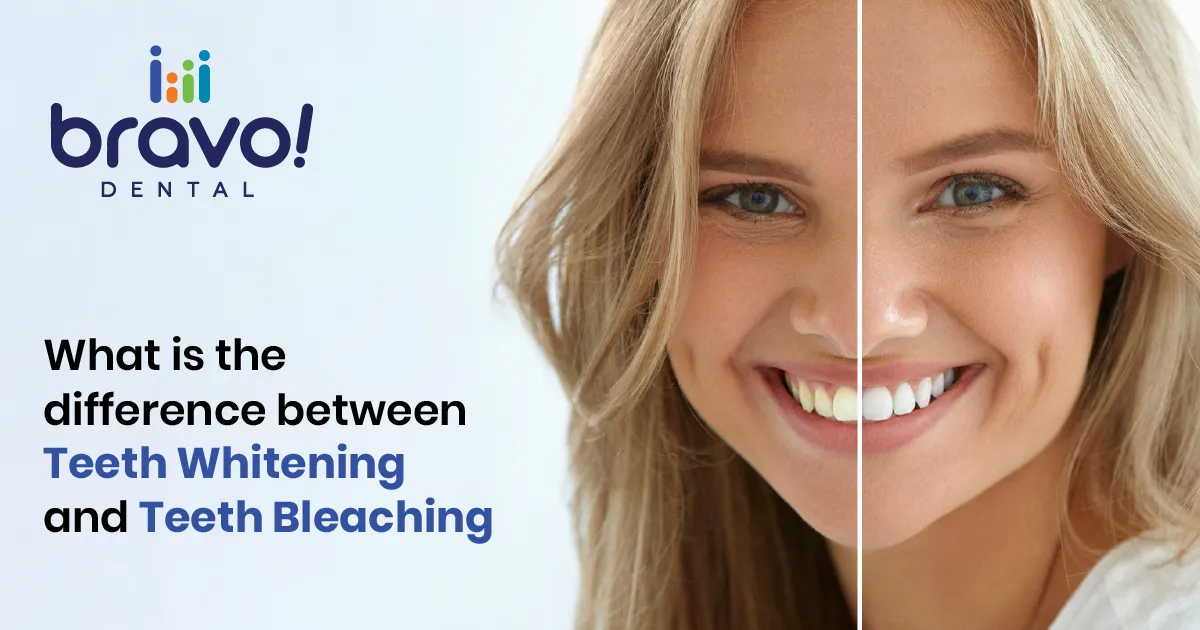
Teeth Whitening vs Bleaching [Overview]
The quest for a brighter, more confident smile has led many to explore teeth whitening and bleaching options. While the terms are often used interchangeably, they represent distinct approaches with varying methods, ingredients, and outcomes. Understanding the difference between teeth whitening and bleaching is crucial for making an informed decision that aligns with your dental health needs and aesthetic goals. This guide delves into the nuances of each process, providing a comprehensive comparison to help you navigate the world of cosmetic dentistry.
What is Teeth Whitening
Teeth whitening is a general term encompassing any procedure that aims to lighten the shade of your teeth. This can be achieved through various methods, ranging from professional treatments performed by a dentist to over-the-counter products available at your local pharmacy. The effectiveness of teeth whitening depends on the type of stains present on your teeth and the whitening agent used. Surface stains, often caused by foods and beverages like coffee and tea, are typically easier to remove compared to deeper stains caused by aging or internal factors.
Types of Teeth Whitening Procedures

Teeth whitening procedures can be broadly classified into two categories professional treatments and at-home kits. Each approach offers different levels of convenience, cost, and effectiveness. The best choice for you will depend on your individual needs, preferences, and the advice of your dentist. Professional treatments often yield faster and more dramatic results, while at-home kits offer a more budget-friendly and flexible solution. The options available ensure that there’s a suitable teeth whitening method for almost everyone.
In-Office Teeth Whitening
In-office teeth whitening is a professional procedure performed by a dentist. This method typically involves the application of a high-concentration bleaching agent, often containing hydrogen peroxide, to the teeth. The dentist may use special lights or lasers to accelerate the bleaching process, enhancing its effectiveness. In-office treatments provide immediate results, with teeth often becoming several shades whiter in a single session. This option is ideal for those seeking rapid and noticeable improvements and are willing to invest in a professional service [in-office-teeth-whitening.webp].
At-Home Teeth Whitening Kits
At-home teeth whitening kits offer a more accessible and affordable alternative to professional treatments. These kits generally include custom-fitted trays and a bleaching gel, which is applied to the trays and worn for a specified duration. The bleaching agent in at-home kits usually contains a lower concentration of hydrogen peroxide compared to in-office treatments, requiring more prolonged use to achieve desired results. At-home kits are a convenient option for those who prefer to whiten their teeth at their own pace and in the comfort of their homes [at-home-teeth-whitening-kits.webp].
What is Teeth Bleaching

Teeth bleaching is a specific type of teeth whitening that uses bleaching agents to lighten the color of teeth. These agents typically contain hydrogen peroxide or carbamide peroxide, which penetrate the enamel and dentin to break down stain-causing molecules. Bleaching is more effective at removing both extrinsic (surface) and intrinsic (internal) stains, leading to more dramatic and long-lasting results compared to other teeth whitening methods that may only remove surface stains. Bleaching is considered a chemical process because it changes the color of the tooth structure itself [teeth-bleaching-process.webp].
The Active Ingredient in Bleaching
The primary active ingredient in teeth bleaching products is hydrogen peroxide or its derivative, carbamide peroxide. Hydrogen peroxide is a strong oxidizing agent that penetrates the enamel and dentin to break down the pigments responsible for tooth discoloration. Carbamide peroxide breaks down into hydrogen peroxide, releasing the bleaching agent gradually. The concentration of these agents varies in professional and at-home products, affecting the effectiveness and speed of the bleaching process.
How Bleaching Works on Teeth
The bleaching process involves the oxidation of stain molecules within the tooth structure. When hydrogen peroxide or carbamide peroxide comes into contact with the stained tooth enamel and dentin, it releases oxygen free radicals. These radicals break down the complex stain molecules into smaller, less visible ones, effectively lightening the tooth’s overall color. The process is a chemical reaction that alters the internal structure of the tooth, resulting in a brighter smile.
Teeth Whitening vs Bleaching [Key Differences]

While often used interchangeably, there are key differences between teeth whitening and bleaching. These differences primarily revolve around the type of agents used, the depth of stain removal, and the resulting effects on the tooth structure. Bleaching, as previously defined, utilizes bleaching agents to change the color of the tooth structure. Teeth whitening, on the other hand, can include methods that only remove surface stains without altering the internal tooth structure. It is important to understand these distinctions to choose the most appropriate treatment for your needs.
Procedure
The procedure for teeth whitening can vary widely. Professional whitening involves the application of a high-concentration bleaching agent by a dentist, often combined with a light or laser to enhance the process. At-home whitening typically involves using custom-fitted trays filled with a lower concentration bleaching gel. Non-bleaching whitening methods, such as certain types of toothpaste or polishing, focus on removing surface stains without changing the tooth’s intrinsic color. Bleaching focuses on the chemical alteration of the tooth structure.
Ingredients
The key ingredient in bleaching products is hydrogen peroxide or its derivative, carbamide peroxide. Whitening products that do not involve bleaching may contain abrasive agents, such as silica or calcium carbonate, to remove surface stains. Some whitening toothpastes also contain mild chemicals like sodium tripolyphosphate, which helps to break down stains. The specific ingredients used will affect the product’s efficacy and the level of results achieved. The most important factor is the difference between surface cleaning and internal change of tooth color.
Cost

The cost of teeth whitening and bleaching procedures varies significantly. Professional in-office bleaching is generally the most expensive option, reflecting the expertise, equipment, and time involved. At-home whitening kits are more affordable but require consistent use over time to achieve optimal results. Whitening toothpastes and other over-the-counter products are the most budget-friendly options, offering a subtle improvement in tooth shade. The cost should be weighed against the expected results and the convenience of each method.
Results and Longevity
Bleaching generally produces more dramatic and longer-lasting results than other teeth whitening methods, especially when performed professionally. In-office bleaching can lighten teeth by several shades in a single session, with results lasting for several months to years. At-home whitening kits offer noticeable improvements, though the results may take longer to achieve. The longevity of the results depends on various factors, including diet, oral hygiene habits, and lifestyle choices. Regular maintenance, such as touch-up treatments and avoiding staining foods and drinks, can help maintain a brighter smile.
Teeth Whitening vs Bleaching [Pros and Cons]
Understanding the pros and cons of teeth whitening and bleaching can help you make an informed decision. Each method offers unique advantages and potential drawbacks. By evaluating these factors, you can determine which option best suits your needs, lifestyle, and dental health [teeth-whitening-pros.webp].
Pros of Teeth Whitening

- Improved Aesthetics teeth whitening can significantly enhance the appearance of your smile.
- Increased Confidence A brighter smile often leads to increased self-esteem and confidence.
- Versatile Options Many teeth whitening options, from professional treatments to at-home kits.
- Relatively Quick Results Some methods offer noticeable improvements within a short time.
Cons of Teeth Whitening
- Sensitivity Some people experience temporary tooth sensitivity after whitening treatments.
- Gum Irritation can cause gum irritation, especially with at-home treatments.
- Potential Ineffectiveness for all types of stains.
- Maintenance Requirements Results can fade over time, requiring touch-up treatments.
Pros of Teeth Bleaching
- Dramatic Results Bleaching can provide significant and noticeable improvements in tooth shade.
- Effective on various Stains Bleaching is effective in removing both extrinsic and intrinsic stains.
- Long-Lasting Results results can last for several months to years with proper maintenance.
- Professional Supervision professional bleaching ensures safe and effective treatment.
Cons of Teeth Bleaching

- Cost The cost of professional bleaching can be higher than other whitening options.
- Sensitivity Some individuals may experience increased tooth sensitivity.
- Potential Side Effects Gum irritation and tooth sensitivity are possible side effects.
- Not Suitable for Everyone Bleaching may not be suitable for everyone, such as those with certain dental conditions.
Choosing the Right Option for You
Choosing between teeth whitening and bleaching requires careful consideration of your individual needs and circumstances. The best option for you will depend on factors such as the severity of discoloration, your budget, your desired level of improvement, and your overall dental health. Consulting with a dentist is essential to determine the most appropriate and safe method for your teeth [consulting-dentist.webp].
Factors to Consider
Several factors should influence your decision. Assess the type and severity of stains, your budget, and your commitment to maintaining the results. Consider your dental health, including any existing fillings, crowns, or other dental work, as these may not whiten in the same way as your natural teeth. Weigh the convenience and time commitment associated with each method, and evaluate your tolerance for potential side effects, such as tooth sensitivity or gum irritation.
Consulting Your Dentist
Before starting any teeth whitening or bleaching treatment, it is highly recommended to consult with your dentist. Your dentist can assess your oral health, identify the cause of discoloration, and recommend the most appropriate treatment plan. They can also address any underlying dental issues, such as cavities or gum disease, that need to be treated before whitening. Professional guidance ensures that the treatment is safe, effective, and tailored to your specific needs.
In conclusion, the difference between teeth whitening and bleaching is a matter of the methods and agents used to lighten the shade of your teeth. Bleaching involves the use of chemical agents to alter the internal structure of the tooth, while whitening can refer to various methods, including those that focus on removing surface stains. By understanding these differences, you can make an informed decision to achieve a brighter, more confident smile.