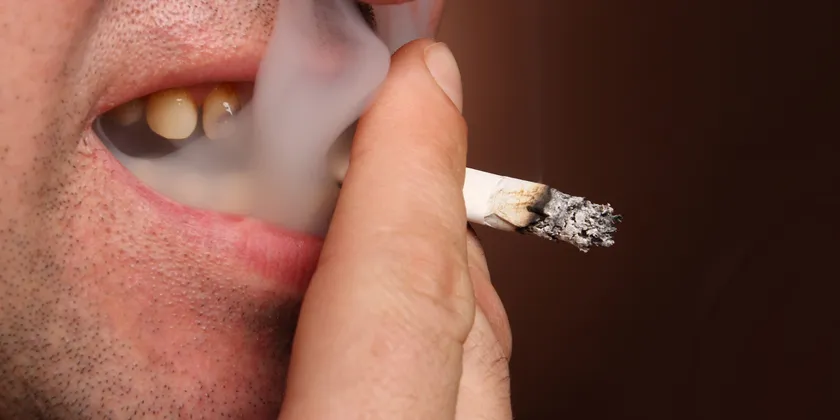
Understanding the Impact of Smoking on Teeth Whitening
Smoking is a significant challenge to achieving and maintaining a bright, white smile. The chemicals in tobacco products, such as nicotine and tar, wreak havoc on your teeth, causing them to become stained and discolored. This article will delve into the complex relationship between teeth whitening and smoking, offering insights into the challenges smokers face, the effective strategies available, and the lifestyle changes that can make a real difference. It’s a journey that combines professional dental treatments with personal commitment, all aimed at helping you achieve a healthier, more radiant smile. Whether you’re a long-time smoker or just starting, understanding the impact of smoking is the first step toward effective teeth whitening.
The Science Behind Smoking and Tooth Discoloration
The discoloration caused by smoking isn’t merely superficial; it’s a complex process driven by chemical interactions. Nicotine and tar, the primary culprits, deposit on the tooth enamel, forming a sticky residue that traps stains. Over time, these stains penetrate the enamel, making the discoloration increasingly difficult to remove. The porous nature of the enamel allows these substances to be absorbed, leading to yellowing or even brownish hues. The severity of the staining depends on factors like how long and how much you smoke, as well as individual oral hygiene practices. Regular smoking accelerates this process, making teeth whitening a tougher battle.
How Nicotine and Tar Affect Your Teeth

Nicotine and tar are the most damaging components of tobacco when it comes to your teeth. Nicotine, though addictive, is relatively colorless, but it becomes yellow when combined with oxygen. Tar, a dark, sticky residue, is the primary cause of the brown stains smokers often experience. These substances not only stain the teeth but also contribute to other dental problems. Smoking weakens the immune system, making it harder for your body to fight off bacteria and infections in your mouth. This can lead to gum disease (periodontitis), which can cause tooth loss. Furthermore, the reduced blood flow in the gums due to smoking hinders the healing process after dental procedures. Therefore, quitting smoking is essential not only for cosmetic reasons but also for overall oral health.
Why Teeth Whitening Is Challenging for Smokers
Teeth whitening is more difficult for smokers because the stains caused by smoking are often deeply embedded in the enamel. The chemicals in tobacco products create a complex matrix of stains, making it harder for whitening agents to penetrate and remove them. Moreover, the constant exposure to nicotine and tar means that teeth tend to re-stain more quickly after whitening treatments. This requires more frequent touch-ups and can reduce the effectiveness of at-home whitening kits. Additionally, smoking can dry out the mouth, reducing saliva production. Saliva helps to naturally clean the teeth and neutralize acids, so its reduction can exacerbate staining. In summary, smokers need to take a more proactive and sustained approach to teeth whitening to achieve noticeable results.
Effective Teeth Whitening Strategies for Smokers
While smoking presents challenges for teeth whitening, effective strategies are available to help you achieve a brighter smile. A combination of professional treatments, at-home care, and lifestyle changes can significantly improve the outcome. It’s essential to choose the right approach, considering the extent of staining and your commitment to maintaining results. Consulting with your dentist is the best starting point, because they can assess the condition of your teeth and recommend the most appropriate whitening options for your individual needs. This section will cover some of the most effective methods and the steps you can take to attain a whiter smile.
Professional Teeth Whitening Options

Professional teeth whitening, performed by a dentist, is often the most effective way to achieve significant results quickly. These treatments use stronger whitening agents than those available in over-the-counter products. The dentist can also monitor the process and address any potential sensitivity issues. The main professional options include in-office whitening procedures and customized whitening trays. These methods can provide dramatic improvements in tooth shade, especially when combined with consistent oral hygiene practices and lifestyle adjustments.
In-Office Whitening Procedures
In-office whitening involves the dentist applying a high-concentration whitening gel to your teeth. A special light or laser may be used to activate the whitening agent and accelerate the process. The entire procedure usually takes about an hour, and you can see immediate results. The dentist will often isolate your gums and lips to protect them from the whitening solution. Multiple sessions might be necessary to achieve the desired level of whiteness, depending on the degree of staining. In-office treatments are ideal for smokers seeking immediate and dramatic improvements in their smile.
Customized Whitening Trays
Customized whitening trays are another professional option. Your dentist will take impressions of your teeth to create custom-fitted trays. You’ll then receive a prescription-strength whitening gel to use at home. The trays ensure the whitening gel is in close contact with your teeth, and the customized fit prevents the gel from leaking onto your gums. You’ll wear the trays for a specified period each day or night, as directed by your dentist, until you reach your desired level of whiteness. This method offers a balance between professional-grade results and the convenience of at-home application. It’s often a more gradual process than in-office whitening, but it’s highly effective for smokers.
At-Home Whitening Kits for Smokers

At-home whitening kits can be a practical option for smokers, particularly when used in conjunction with professional treatments or lifestyle changes. These kits usually include whitening strips, gels, or trays with a lower concentration of whitening agents than those used by dentists. The key is to choose products that are effective and safe for your teeth. It’s recommended to consult your dentist before using at-home kits. This will ensure that they’re suitable for your specific needs and that you use them correctly. Consistency is essential when using at-home kits; following the instructions carefully will enhance your chances of achieving the desired results.
Choosing the Right Whitening Products
When selecting at-home whitening products, look for those containing carbamide peroxide or hydrogen peroxide. These are the active ingredients that break down stains. The concentration of the active ingredient varies from product to product. Generally, stronger concentrations provide faster results but might also increase tooth sensitivity. Consider your sensitivity level and your dentist’s recommendations when selecting a product. Other factors to consider include the product’s ease of use, the treatment duration, and any additional features, such as a built-in light for accelerated whitening. Researching different brands and reading reviews can also help you choose a product that aligns with your needs.
Proper Application Techniques
Proper application is essential to maximize the effectiveness of at-home whitening kits. Always read and follow the product instructions carefully. For whitening strips, ensure they fit snugly against your teeth, and avoid touching your gums to minimize irritation. If using trays, make sure the gel is evenly distributed and that you don’t overload them. Overfilling can lead to the gel leaking out and causing gum sensitivity. For gels applied with a brush, apply an even layer to each tooth, avoiding the gums. Maintaining consistency is vital; most products require daily use for a specified period to achieve noticeable results. If you experience any sensitivity or discomfort, stop using the product and consult your dentist.
Lifestyle Changes to Enhance Teeth Whitening

Lifestyle changes play a crucial role in enhancing the effectiveness of teeth whitening and maintaining a bright smile. The most important change is quitting smoking, which reduces new staining and improves oral health. Other adjustments, such as dietary modifications and improved oral hygiene practices, can also significantly contribute to a whiter smile. These changes not only support the whitening process but also contribute to your overall health and well-being.
The Importance of Quitting Smoking
Quitting smoking is the single most effective step you can take to improve your teeth whitening results and overall oral health. By eliminating the source of staining, you prevent further discoloration and allow your whitening treatments to work more effectively. Quitting also reduces your risk of developing gum disease, tooth loss, and other serious health problems. It may seem difficult at first, but there are numerous resources available to help you quit, including nicotine replacement therapy, counseling, and support groups. The benefits of quitting smoking extend far beyond a whiter smile, positively impacting your overall health and well-being, making it one of the best investments you can make in yourself.
Dietary Recommendations to Avoid Staining
Dietary choices significantly impact the appearance of your teeth. Certain foods and drinks are known to stain teeth, and limiting their consumption can help maintain a brighter smile. Coffee, tea, red wine, and dark-colored sodas are notorious culprits, and should be consumed in moderation. Other foods that can stain teeth include berries (blueberries, blackberries, raspberries), curries, and tomato-based sauces. If you do consume these items, it’s a good idea to brush your teeth shortly afterward, or at least rinse your mouth with water, to minimize the staining effect. Incorporating more teeth-friendly foods, like apples, celery, and other crunchy vegetables, which naturally help to clean the teeth by stimulating saliva production, is beneficial.
Oral Hygiene Practices for Smokers

Maintaining good oral hygiene is essential for smokers, and it becomes even more critical if you are undergoing teeth whitening. Brush your teeth at least twice a day, using a fluoride toothpaste. The fluoride helps to strengthen the enamel and protect against stains. Flossing daily removes plaque and food particles from between your teeth, where staining can occur. Consider using an electric toothbrush, which can be more effective at removing plaque and stains than a manual toothbrush. Regular use of an antibacterial mouthwash also helps to reduce bacteria in your mouth and freshen your breath. In addition, scheduling regular dental check-ups and professional cleanings is extremely important for removing stubborn stains and maintaining optimal oral health.
The Role of Regular Dental Check-ups
Regular dental check-ups and professional cleanings are essential for maintaining a bright, healthy smile, especially for smokers. During check-ups, your dentist can assess your overall oral health, identify any potential issues early on, and provide personalized advice. Professional cleanings remove plaque and tartar, which can cause staining and other dental problems. Your dentist can also polish your teeth, further removing surface stains and leaving your teeth feeling smooth and clean. Regular check-ups also allow your dentist to monitor the effectiveness of your teeth whitening treatments and make adjustments if necessary. Following your dentist’s recommendations and maintaining a consistent schedule of check-ups will significantly contribute to the long-term success of your teeth whitening efforts.
Maintaining Your Bright Smile After Whitening
Maintaining a bright smile after teeth whitening requires consistent effort and a commitment to healthy habits. While professional treatments can provide dramatic results, the longevity of those results depends on your daily practices and choices. Making informed decisions about your lifestyle and oral hygiene is critical to preserving your whiter teeth and preventing future staining. By adopting these strategies, you can enjoy a beautiful smile for years to come.
Tips for Long-Term Results

To ensure the long-term success of your teeth whitening efforts, consider these tips. Continue to practice good oral hygiene, brushing at least twice a day, flossing daily, and using an antibacterial mouthwash. Schedule regular dental check-ups and professional cleanings to maintain oral health and address any potential staining. Consider touch-up treatments using at-home whitening products to maintain your desired level of whiteness. Be mindful of your diet, limiting the consumption of staining foods and drinks. Quit smoking, or if you are not ready to quit, significantly reduce your smoking habits. Protecting your teeth from further discoloration will help you keep your smile bright.
Avoiding Habits That Stain Teeth
Avoiding habits that stain teeth is a key component of maintaining a bright smile. Aside from quitting smoking, which is paramount, minimizing your consumption of staining foods and beverages is essential. This includes coffee, tea, red wine, and dark-colored sodas. If you choose to consume these items, rinse your mouth with water immediately afterward, or brush your teeth within 30 minutes. Using a straw when drinking dark-colored beverages can also help reduce contact with your teeth. Regular consumption of acidic foods and drinks can erode enamel, making your teeth more susceptible to staining; therefore, practice moderation. Being aware of these habits and making conscious choices will help you preserve your beautiful, white smile for years to come.