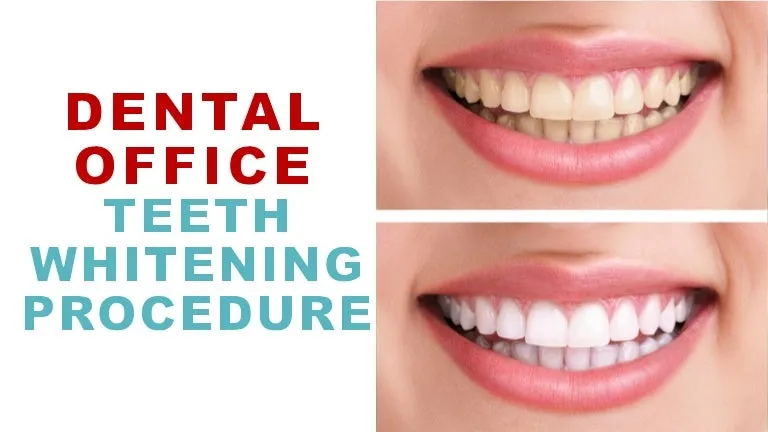
Understanding Teeth Whitening at the Dentist
Teeth whitening, a popular cosmetic dental procedure, offers a pathway to a brighter, more confident smile. The process at the dentist involves using professional-grade bleaching agents to lighten the shade of your teeth, effectively removing stains and discoloration caused by various factors such as aging, genetics, diet, and lifestyle choices. Unlike over-the-counter products, professional teeth whitening provides superior results, delivering a noticeably whiter smile in a safe and controlled environment. The dentist ensures that the process is tailored to your specific needs and oral health condition, maximizing both the effectiveness and safety of the treatment. The benefits extend beyond aesthetics; a whiter smile can boost self-esteem and improve overall well-being, making professional teeth whitening a worthwhile investment for many individuals seeking to enhance their appearance and confidence.
Professional Teeth Whitening Benefits
Enhanced Confidence and Self-Esteem

One of the most significant advantages of professional teeth whitening is the boost it provides to your confidence and self-esteem. A bright, white smile is often associated with youth, health, and attractiveness, making you feel more comfortable and self-assured in social and professional settings. When you’re proud of your smile, you’re more likely to smile openly, which in turn can have a positive impact on your mood and interactions with others. This newfound confidence can extend to various aspects of your life, from making new friends to excelling in your career. The psychological benefits of a whiter smile are profound, contributing to an overall sense of well-being and improved quality of life.
Removal of Stubborn Stains
Professional teeth whitening is highly effective in removing stubborn stains that over-the-counter products often struggle to eliminate. These stains can be caused by various factors, including coffee, tea, red wine, and tobacco use. The potent bleaching agents used by dentists penetrate the enamel, breaking down the molecules responsible for discoloration. This process not only lightens the existing stains but also helps to prevent future staining by removing the underlying pigments that contribute to the problem. The dentist can customize the treatment to address specific types of stains and the degree of discoloration, ensuring optimal results. This targeted approach is a significant advantage over generic whitening solutions, providing a more comprehensive and effective solution for a brighter, cleaner smile.
Immediate and Noticeable Results
One of the most appealing aspects of professional teeth whitening is the speed at which you can see results. Unlike over-the-counter products that may require weeks or months to show any noticeable improvement, in-office whitening procedures can deliver significant results in just one appointment. The dentist uses powerful bleaching agents and techniques, such as laser or light activation, to accelerate the whitening process. This means you can walk out of the dentist’s office with a significantly brighter smile, often several shades lighter than before. This immediate transformation is particularly beneficial for special events, such as weddings or job interviews, where a confident and attractive smile can make a lasting impression. The fast and effective results make professional teeth whitening a convenient and highly desirable cosmetic option.
Customized Treatment Plans

A significant advantage of professional teeth whitening is the ability to create a customized treatment plan tailored to your specific needs and oral health. The dentist will conduct a thorough examination of your teeth and gums to assess the cause and severity of the discoloration, as well as identify any potential issues that may affect the whitening process. Based on this evaluation, the dentist can recommend the most appropriate whitening method, the strength of the bleaching agent, and the duration of the treatment. This personalized approach ensures that the whitening process is both safe and effective, minimizing the risk of sensitivity or other complications. The dentist can also address any underlying dental problems, such as cavities or gum disease, before starting the whitening procedure, ensuring the best possible outcome for your oral health and the appearance of your smile.
Long-lasting Effects and Maintenance
Professional teeth whitening provides long-lasting results when combined with proper care and maintenance. While the whitening effect isn’t permanent, it can last for several months to a few years, depending on your lifestyle and oral hygiene habits. The dentist will provide you with post-whitening instructions, including tips on how to maintain your bright smile. This may involve avoiding staining foods and drinks, practicing good oral hygiene, and using touch-up treatments as needed. Regular dental check-ups and cleanings are also essential for maintaining your results and addressing any new staining. With proper care, you can enjoy your whiter, brighter smile for an extended period, making professional teeth whitening a valuable investment in your appearance and oral health. The longevity of the results is a testament to the effectiveness of the professional-grade treatments and the importance of a proactive approach to oral care.
The Dentist Teeth Whitening Process
Initial Consultation and Evaluation

The teeth whitening process at the dentist typically begins with an initial consultation and evaluation. During this appointment, the dentist will examine your teeth and gums to assess your overall oral health and determine if you are a suitable candidate for teeth whitening. The dentist will discuss your goals for whitening, as well as your medical history and any medications you are taking. They will also take photos of your teeth to document the current shade and serve as a reference point for measuring the results. This initial evaluation is crucial to ensure that teeth whitening is the right choice for you and to identify any potential issues that need to be addressed before proceeding with the treatment. It also allows the dentist to create a personalized treatment plan tailored to your specific needs.
Teeth Cleaning and Preparation
Before the actual teeth whitening procedure, your dentist will perform a professional teeth cleaning. This is essential to remove any plaque, tartar, and surface stains from your teeth, allowing the whitening agent to penetrate the enamel effectively. The cleaning process typically involves scaling to remove tartar, polishing to remove surface stains, and flossing to clean between your teeth. Once your teeth are thoroughly cleaned, the dentist will isolate them from your gums and other soft tissues using a protective barrier, such as a cheek retractor and a gingival barrier. This ensures that the whitening agent only comes into contact with your teeth, minimizing the risk of irritation or sensitivity. Proper preparation is crucial for achieving optimal whitening results and protecting your oral health throughout the process.
Application of Whitening Agent
After the teeth are cleaned and prepared, the dentist will apply the professional-grade whitening agent to the surface of your teeth. This agent typically contains a high concentration of hydrogen peroxide or carbamide peroxide, which breaks down the stains and discoloration within the enamel. The dentist will carefully apply the whitening agent to each tooth, ensuring even coverage. The amount of time the whitening agent is left on your teeth will vary depending on the type of whitening treatment and the severity of the discoloration. The dentist will monitor the process and may reapply the agent several times during the session to achieve the desired level of whitening. This precise application and monitoring are crucial for maximizing effectiveness while minimizing any potential side effects.
Laser or Light Activation (If Applicable)

In some in-office teeth whitening procedures, the dentist may use a special laser or light to activate the whitening agent. This process involves shining a specific wavelength of light onto the teeth, which accelerates the whitening process. The light helps to break down the bleaching agent, allowing it to penetrate the enamel more quickly and effectively. This can significantly reduce the overall treatment time and enhance the whitening results. The type of light used, such as a laser or LED light, may vary depending on the dentist’s equipment and the specific whitening system being used. The use of light activation is an advanced technique that can provide faster and more dramatic results compared to traditional whitening methods. The dentist will take precautions to protect your gums and eyes during this process, ensuring your safety and comfort.
Post-Whitening Instructions and Care
After the teeth whitening procedure, the dentist will provide you with detailed post-whitening instructions to help you maintain your results and prevent staining. These instructions typically include advice on avoiding staining foods and drinks, such as coffee, tea, red wine, and dark-colored sauces, for at least 24 to 48 hours after the treatment. The dentist may also recommend using a special toothpaste or mouthwash designed to protect your enamel and prevent sensitivity. You will also be advised on good oral hygiene practices, including brushing your teeth twice a day and flossing daily, to remove plaque and maintain the brightness of your smile. The dentist may also suggest touch-up treatments or take-home whitening kits to help you maintain your results over time. Following these instructions carefully is essential for maximizing the longevity of your whiter, brighter smile and protecting your overall oral health.
Types of Teeth Whitening Procedures at the Dentist
In-Office Whitening

In-office teeth whitening, also known as chairside bleaching, is a professional procedure performed by a dentist in their office. This is the fastest and most effective way to whiten your teeth, delivering dramatic results in a single appointment. The dentist applies a high-concentration bleaching agent to your teeth and may use a special light or laser to enhance the whitening process. The entire procedure typically takes about an hour, and you can walk out of the office with a significantly brighter smile. In-office whitening is ideal for individuals who want immediate results or those who have significant staining or discoloration. The dentist closely monitors the process, ensuring your safety and comfort throughout the procedure. This method offers the highest level of control and the most predictable results.
Take-Home Whitening Kits
Take-home whitening kits provide a convenient and cost-effective alternative to in-office whitening. The dentist will create custom-fitted trays that are designed to fit your teeth perfectly. You will then be provided with a professional-grade whitening gel to use at home. The dentist will instruct you on how to apply the gel to the trays and how long to wear them each day. Take-home whitening kits typically require several weeks of use to achieve the desired results, but they offer a more gradual and controlled whitening process. This method is ideal for individuals who prefer to whiten their teeth at their own pace or who want to maintain the results of an in-office whitening treatment. The dentist will monitor your progress and adjust the treatment plan as needed to ensure optimal results and minimize any potential sensitivity.
Considerations Before Teeth Whitening
Teeth and Gum Health

Before undergoing teeth whitening, it’s essential to ensure that your teeth and gums are healthy. The dentist will examine your mouth for any signs of cavities, gum disease, or other dental problems. If any issues are detected, they will need to be addressed before the whitening process can begin. Teeth whitening can exacerbate existing dental problems, such as causing increased sensitivity in teeth with cavities or irritating inflamed gums. It’s crucial to have a healthy foundation before whitening to achieve the best possible results and avoid any complications. Your dentist will provide recommendations for treatment, such as fillings or periodontal therapy, to ensure your mouth is in optimal condition for the teeth whitening procedure.
Realistic Expectations
It’s important to have realistic expectations about the results of teeth whitening. While professional teeth whitening can significantly improve the brightness of your smile, it may not achieve a perfectly white shade for everyone. The final shade of your teeth will depend on factors such as your natural tooth color, the type and severity of staining, and the whitening method used. The dentist will discuss your expectations and provide you with an estimate of the expected results. Keep in mind that teeth whitening is most effective on natural teeth and may not work as well on dental restorations, such as crowns or veneers. Understanding these limitations will help you set realistic goals and be satisfied with the outcome of your teeth whitening treatment.
Potential Sensitivity
Teeth whitening can sometimes cause temporary tooth sensitivity. This is a common side effect that usually subsides within a few days after the treatment. The sensitivity is caused by the bleaching agent penetrating the enamel and affecting the nerves in the teeth. The dentist can take measures to minimize sensitivity, such as using a lower concentration of the whitening agent or applying a desensitizing agent before and after the procedure. Avoiding hot and cold foods and drinks can also help reduce sensitivity. If you experience persistent or severe sensitivity, consult your dentist. They can provide additional advice and recommend products to alleviate the discomfort. The dentist will also monitor your progress and adjust the treatment plan if necessary to ensure your comfort.
Cost and Insurance Coverage
The cost of teeth whitening varies depending on the type of procedure, the dentist’s fees, and your geographic location. In-office whitening is typically more expensive than take-home whitening kits. The dentist will provide you with a detailed estimate of the cost before starting the treatment. Dental insurance often does not cover cosmetic procedures like teeth whitening. However, some dental plans may cover a portion of the cost if the whitening is deemed medically necessary, such as in cases of severe staining due to medical treatments. It’s essential to discuss the cost and payment options with your dentist and insurance provider beforehand. Consider the long-term benefits and the value of a brighter, more confident smile when evaluating the cost of teeth whitening.
Maintaining Your Bright Smile
Oral Hygiene Practices
Maintaining a bright smile after teeth whitening requires consistent oral hygiene practices. This includes brushing your teeth twice a day with fluoride toothpaste, flossing daily to remove plaque and food particles from between your teeth, and using an antimicrobial mouthwash to kill bacteria and freshen your breath. Regular dental check-ups and cleanings are also essential for removing plaque and tartar, which can contribute to staining. The dentist may recommend using a whitening toothpaste or touch-up treatments to help maintain your results. Practicing good oral hygiene not only preserves your white smile but also promotes overall oral health, preventing cavities and gum disease. Consistent and effective oral hygiene habits are the foundation for a healthy and beautiful smile.
Dietary Adjustments
Making dietary adjustments is crucial for maintaining the results of your teeth whitening treatment. Certain foods and beverages can stain your teeth, causing the whiteness to fade over time. It’s important to limit or avoid consuming foods and drinks that are known to stain teeth, such as coffee, tea, red wine, dark-colored sodas, and berries. If you do consume these items, rinse your mouth with water or brush your teeth immediately afterward to minimize staining. Eating a diet rich in calcium-rich foods, such as milk, yogurt, and cheese, can help strengthen your teeth and protect them from stains. Consider incorporating teeth-whitening-friendly foods into your diet, such as apples, celery, and carrots, which can help naturally clean your teeth. Being mindful of your dietary choices can significantly extend the lifespan of your bright smile.
Regular Dental Check-ups
Regular dental check-ups and cleanings are essential for maintaining the results of your teeth whitening and ensuring your overall oral health. During these appointments, the dentist will assess the condition of your teeth and gums, checking for any signs of decay, gum disease, or other issues. Professional cleanings remove plaque and tartar, which can cause staining and damage to your teeth. The dentist may also recommend touch-up whitening treatments to maintain the brightness of your smile. Regular check-ups allow the dentist to monitor your progress and address any potential problems early, preventing them from worsening. Visiting your dentist every six months is a vital part of your oral health routine, helping you to maintain a healthy, beautiful smile for years to come.