What is Teeth Whitening
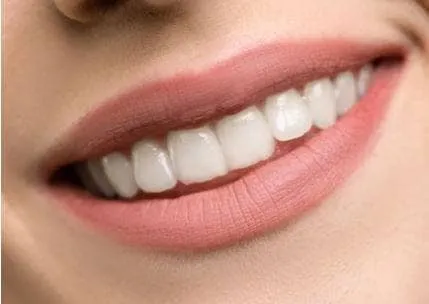
Teeth whitening is a cosmetic dental procedure designed to lighten the shade of your teeth, making them appear brighter and more youthful. It is a popular treatment for individuals looking to enhance their smiles and boost their self-confidence. The process involves removing stains and discoloration that have accumulated on the tooth surface over time, resulting in a more aesthetically pleasing appearance. Stains can be caused by various factors, including the consumption of certain foods and drinks, such as coffee, tea, and red wine, as well as smoking and the natural aging process. Teeth whitening treatments typically use bleaching agents, such as hydrogen peroxide or carbamide peroxide, to penetrate the enamel and dentin layers of the teeth and break down the stain molecules.
Types of Teeth Whitening
There are several types of teeth whitening treatments available, catering to different needs and preferences. These include professional teeth whitening, at-home whitening kits, and over-the-counter products. Professional teeth whitening, often performed in a dental clinic, offers the most dramatic and immediate results. This typically involves the application of a high-concentration bleaching agent, activated by a special light or laser, to accelerate the whitening process. At-home whitening kits, prescribed by a dentist, provide a more gradual whitening effect. These kits usually include custom-fitted trays and a lower concentration bleaching gel. Over-the-counter products, such as whitening toothpaste and strips, are readily available and offer a more subtle whitening effect. The choice of treatment depends on the severity of the staining, desired results, and budget.
Professional Teeth Whitening

Professional teeth whitening, also known as in-office teeth whitening, is a highly effective method for achieving significant results in a short amount of time. The procedure typically involves a dental professional applying a powerful bleaching agent to the teeth. The dentist will first assess the patient’s teeth and gums to ensure they are suitable for the treatment. A protective barrier is then applied to the gums to prevent irritation from the bleaching agent. The bleaching agent, usually a high-concentration hydrogen peroxide solution, is applied to the teeth and activated using a special light or laser. This process can be repeated several times during a single visit, with each session lasting for a few minutes. The results are often visible immediately, with teeth becoming several shades lighter. Professional teeth whitening is a safe and controlled procedure when performed by a qualified dentist.
At-Home Teeth Whitening Options
At-home teeth whitening provides a convenient and more budget-friendly alternative to professional treatments. These options typically involve the use of custom-fitted trays or pre-fabricated strips containing a lower concentration of bleaching agent. Custom trays are often prescribed by a dentist, ensuring a proper fit and optimal contact with the teeth. The dentist will take impressions of the patient’s teeth to create the trays, which are then filled with a whitening gel and worn for a specified amount of time each day or night. Whitening strips are another popular at-home option. These thin, flexible strips are coated with a whitening agent and applied directly to the teeth. Results may be noticeable within a few weeks, with consistent use. It is important to follow the instructions carefully and consult with a dentist before starting any at-home whitening treatment.
The Advantages of Teeth Whitening
Teeth whitening offers numerous advantages, both aesthetically and psychologically. A brighter, whiter smile can significantly enhance a person’s appearance, making them look more youthful and attractive. This can boost self-confidence and improve social interactions. It can also make a person feel more comfortable and confident in professional settings, as a bright smile often projects an image of health and vitality. Furthermore, teeth whitening is a relatively quick and non-invasive procedure with minimal downtime. The results can be long-lasting with proper maintenance and care. It can improve overall oral hygiene as a side effect, as it encourages individuals to take better care of their teeth to maintain the whitening effect. Ultimately, the benefits of teeth whitening extend beyond mere aesthetics, contributing to a more positive self-image and overall well-being.
Teeth Whitening Procedure

The teeth whitening procedure typically involves several steps. During an in-office whitening session, the dentist will first assess the patient’s oral health, including the condition of their teeth and gums. The dentist will then clean the teeth to remove any surface stains. A cheek retractor is placed to keep the mouth open, and a protective barrier, such as a gel or a rubber dam, is applied to the gums to prevent the bleaching agent from causing irritation. The bleaching agent is then applied to the teeth and activated using a special light or laser, accelerating the whitening process. The process may be repeated multiple times during the session to achieve the desired shade. After the procedure, the teeth are rinsed and the protective barrier is removed. The dentist will provide post-treatment instructions and advise on how to maintain the results.
How Long Does Teeth Whitening Last
The longevity of teeth whitening results varies depending on several factors, including the type of treatment, individual lifestyle habits, and oral hygiene practices. Professional teeth whitening typically lasts longer than at-home treatments, often for one to three years, or even longer in some cases. At-home whitening kits and over-the-counter products provide less long-lasting results, usually needing touch-ups every six months or so. Habits such as smoking, consuming staining foods and drinks (coffee, tea, red wine, etc.), and poor oral hygiene can significantly reduce the duration of the whitening effect. Proper oral hygiene, including regular brushing, flossing, and dental check-ups, is essential for maintaining the results. Avoiding or minimizing the consumption of staining substances can also help prolong the whitening effect. Some people may require occasional touch-up treatments to maintain the desired level of brightness.
Teeth Whitening Maintenance
Maintaining the results of teeth whitening involves a combination of good oral hygiene and lifestyle choices. Brushing teeth twice a day with a whitening toothpaste helps remove surface stains and maintain the brightness of the teeth. Flossing daily removes food particles and plaque from between the teeth, preventing staining and promoting overall oral health. Regular dental check-ups and professional cleanings are essential for removing any accumulated stains and maintaining optimal oral health. Limiting the consumption of staining foods and drinks, such as coffee, tea, red wine, and dark-colored berries, can help prevent future staining. Avoiding smoking and tobacco products is crucial, as these substances can significantly stain teeth. Using a straw when consuming staining beverages can also help minimize contact with the teeth. Consider using a whitening mouthwash for additional maintenance.
The Risks and Side Effects

While teeth whitening is generally considered safe, it’s important to be aware of potential risks and side effects. The most common side effect is tooth sensitivity, which may occur during or after the treatment. This sensitivity is usually temporary and subsides within a few days. Gum irritation is another potential side effect, particularly if the bleaching agent comes into contact with the gums. Overuse of whitening products can lead to enamel damage, increasing the risk of cavities and tooth decay. In rare cases, some people may experience allergic reactions. It is also important to note that teeth whitening is not effective for all types of stains, such as those caused by certain medications or dental work. Always consult with a dentist before undergoing teeth whitening to determine its suitability and minimize potential risks. Discussing any existing sensitivities or concerns with your dentist is vital for safe and effective results. They can advise on the best approach.
Finding the Right Clinic
Choosing the right clinic for teeth whitening is crucial for achieving the best results and ensuring a safe procedure. Researching local dental clinics in the Mornington Peninsula is the first step. Look for clinics with experienced and qualified dentists specializing in cosmetic dentistry. Read online reviews and testimonials to gauge patient satisfaction and the quality of service. Check for accreditations and certifications that demonstrate the clinic’s commitment to quality and safety standards. Schedule a consultation to discuss your specific needs, expectations, and any concerns you may have. During the consultation, the dentist will assess your oral health and determine the most appropriate whitening treatment. Inquire about the types of whitening treatments offered, the cost, and the expected results. Ensure the clinic uses high-quality products and equipment and follows strict hygiene protocols. Trust your instincts and choose a clinic where you feel comfortable and confident. Consider the location and accessibility of the clinic for your convenience.