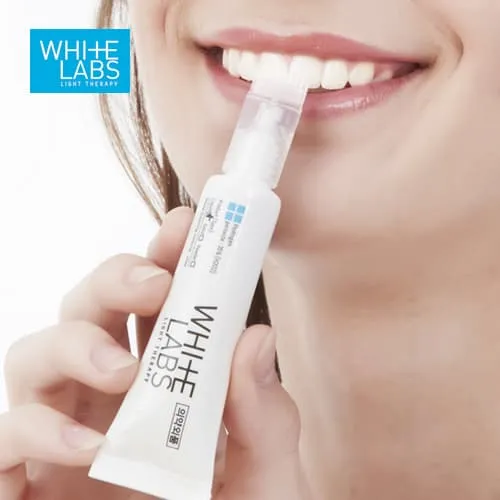
What Is World Health Labs Teeth Whitening
World Health Labs offers teeth whitening solutions designed to enhance the brightness and appearance of your teeth. These products often come in various forms, including whitening strips, gels, and specialized kits, all formulated to remove stains and discoloration. The goal is to provide a convenient and effective way for individuals to achieve a more confident and radiant smile. The products are designed for at-home use, making them a popular choice for those seeking a convenient and affordable alternative to professional whitening treatments. With a focus on accessible oral care, World Health Labs aims to help users attain noticeable results from the comfort of their own homes.
The Science Behind World Health Labs Teeth Whitening
The effectiveness of World Health Labs teeth whitening products hinges on a scientific approach to stain removal. The core principle involves the use of active ingredients that penetrate the enamel and break down the molecules responsible for discoloration. This process works through oxidation, where the whitening agents react with the stained molecules, altering their structure and making them less visible. The precise formulation and concentration of these agents are crucial, as they determine the speed and extent of the whitening effect. Understanding this fundamental science is key to appreciating how the products work to deliver brighter, whiter teeth.
Understanding the Ingredients

Key ingredients in World Health Labs teeth whitening products are designed to target and remove stains. These often include hydrogen peroxide or carbamide peroxide, which are the primary bleaching agents. Other ingredients, such as glycerin and water, act as carriers and stabilizers, ensuring the product’s efficacy and shelf life. Flavoring agents might also be added to improve the taste and user experience. These carefully selected components work synergistically to create a formula that is both effective at whitening and gentle on the teeth and gums. Reviewing the ingredient list provides a better understanding of how each component contributes to the overall effectiveness of the product.
Hydrogen Peroxide’s Role
Hydrogen peroxide is a potent oxidizing agent that is widely used in teeth whitening. It works by penetrating the enamel and dentin, where it breaks down stain molecules into smaller, less noticeable components. The effectiveness of hydrogen peroxide depends on its concentration, which can vary across different products. Higher concentrations may lead to faster results, but they also increase the risk of sensitivity. The mechanism of action involves a chemical reaction where the peroxide releases oxygen, which then oxidizes the stains. This process effectively lightens the teeth, offering a brighter and more vibrant smile. Hydrogen peroxide is a standard in many professional and at-home whitening treatments.
Carbamide Peroxide Explained
Carbamide peroxide is another common ingredient in teeth whitening products. It is a compound that breaks down into hydrogen peroxide and urea. The urea acts as a stabilizer, prolonging the release of hydrogen peroxide, which allows for extended contact with the teeth. Carbamide peroxide is typically used in lower concentrations than hydrogen peroxide, making it a gentler option. It also has a longer shelf life and can be used in products designed for overnight whitening. The gradual release of hydrogen peroxide ensures a consistent whitening effect with reduced potential for sensitivity. Carbamide peroxide offers a balanced approach, combining effectiveness with user comfort.
How World Health Labs Whitening Works

World Health Labs’ teeth whitening products use a straightforward approach to brighten teeth. Whether using strips, gels, or other kits, the active ingredients come into contact with the tooth surface. These ingredients then penetrate the enamel, targeting the stains and discoloration. The whitening process begins as the active agents react with the stained molecules, breaking them down. This oxidation process lightens the teeth, revealing a brighter smile. Consistency in use is essential, as the effects build over time. Following the product instructions is key to achieving the best results. The goal is to provide an easy-to-use method for enhancing the appearance of teeth without professional intervention.
The Application Process
The application process for World Health Labs teeth whitening varies depending on the product type. For strips, the steps usually involve applying the strip to the teeth, ensuring good contact with the surface. Gels, on the other hand, might require the use of a tray or applicator to evenly coat the teeth. Specific instructions for each product should always be followed, including recommended application times. It is important to avoid swallowing the product and to rinse thoroughly after use. Correct application ensures that the active ingredients effectively target the stains, maximizing the whitening results. Proper preparation, such as brushing your teeth before use, can also improve the outcome.
The Chemical Reaction
The chemical reaction behind World Health Labs teeth whitening is a key part of the process. Once the active ingredients, such as hydrogen peroxide or carbamide peroxide, come into contact with the tooth surface, a chemical reaction begins. These compounds release oxygen molecules, which penetrate the enamel. The oxygen molecules then break down the stain molecules. This oxidation process lightens the color of the teeth. The speed and extent of the reaction depend on the concentration of the active ingredients. Understanding this reaction helps users appreciate how the product works at a molecular level. It’s a scientifically-driven method designed to dissolve discoloration and reveal a brighter smile.
Expected Results and Timeline

The expected results and timeline for World Health Labs teeth whitening can vary. Most users typically start seeing some improvement in the brightness of their teeth within a few days to a couple of weeks. The full whitening effect is generally achieved over several weeks of consistent use. The degree of whitening depends on factors such as the severity of staining and the specific product used. Some products may offer faster results, while others may provide a gradual but more lasting effect. Consistent use, as per the instructions, is critical for achieving optimal outcomes. Understanding these timelines allows users to manage their expectations and monitor their progress effectively.
Factors Influencing Results
Several factors can influence the effectiveness of World Health Labs teeth whitening products. The type and severity of stains play a crucial role. Extrinsic stains, which are on the surface, usually respond better than intrinsic stains, which are deeper within the tooth. The initial shade of the teeth also impacts the results. The product’s active ingredient concentration and the duration of use are also significant. Following the instructions carefully ensures optimal results. Diet and lifestyle choices can also affect the outcome. For instance, avoiding staining foods and drinks helps maintain the whiteness. Proper oral hygiene contributes to the overall effectiveness of the whitening process.
How Long Does the Whitening Last
The longevity of teeth whitening results from World Health Labs depends on several factors. Generally, the whitening effect can last from several months to a few years. The duration is greatly influenced by lifestyle choices, such as diet and oral hygiene practices. Avoiding or limiting consumption of staining foods and drinks (coffee, tea, red wine) helps to prolong the whiteness. Regular dental check-ups and professional cleanings can also support the maintenance of results. Periodic touch-ups with whitening products might be needed to maintain the desired level of brightness. The key is a combination of proper care and mindful habits to enjoy a lasting, brighter smile.
Maintenance and Aftercare

Maintenance and aftercare are essential to keep your teeth looking their best after using World Health Labs teeth whitening products. This includes brushing twice daily with a whitening toothpaste and flossing regularly. Rinse your mouth with an antibacterial mouthwash to keep your mouth clean. Schedule regular dental check-ups and professional cleanings to maintain oral health. It’s advisable to avoid or limit the consumption of stain-causing foods and drinks, such as coffee, tea, and red wine. If you do consume these, rinse your mouth with water afterward. Periodic touch-ups with whitening products can also help to keep your teeth bright. Proper maintenance ensures that the whitening effects last as long as possible.
Tips for Prolonging Whitening Effects
Several tips can help to prolong the whitening effects achieved with World Health Labs products. Minimize the intake of staining foods and beverages like coffee, tea, red wine, and dark-colored berries. If you do consume these, drink plenty of water and rinse your mouth immediately afterward. Brush your teeth twice daily with a whitening toothpaste. Floss regularly to remove plaque and debris. Consider using a straw when drinking staining beverages to reduce contact with your teeth. Avoid smoking, as tobacco use can cause significant discoloration. Regular dental check-ups and professional cleanings are also crucial. Following these tips will help maintain a bright, white smile for a longer time.
Potential Side Effects and Solutions
While generally safe, World Health Labs teeth whitening products can cause some side effects. The most common is tooth sensitivity, which can range from mild to moderate. Gum irritation is another possible side effect. Some users may experience slight discomfort or a burning sensation in their gums. Following the product instructions carefully can help reduce the likelihood of these side effects. If sensitivity occurs, try using a toothpaste for sensitive teeth or reducing the frequency of whitening treatments. For gum irritation, avoid direct contact of the product with the gums. If side effects persist or worsen, it is recommended to consult with a dentist.
Sensitivity Management

Tooth sensitivity is a potential side effect of teeth whitening. To manage this, consider using a toothpaste designed for sensitive teeth. These toothpastes often contain ingredients like potassium nitrate, which help to block the pathways to the nerves in your teeth. Reduce the frequency of your whitening treatments or shorten the application time if sensitivity is noticeable. Avoid extremely hot or cold foods and drinks, as these can exacerbate the sensitivity. If the sensitivity persists, consult your dentist. They may recommend treatments like fluoride varnish or provide advice on how to manage the sensitivity effectively. Being proactive and taking preventive measures is key.
Gum Irritation
Gum irritation is another possible side effect from teeth whitening. This can occur if the whitening agent comes into contact with the gums. To prevent this, carefully apply the product, ensuring it only touches the teeth and avoids the gums. If irritation does occur, rinse your mouth with water thoroughly. Apply a small amount of vitamin E oil or a soothing gel to the affected area. Avoid brushing the irritated gums vigorously. If the irritation persists, you may need to reduce the frequency of treatments or stop using the product. Consulting a dentist is advisable if the irritation is severe or prolonged. They can provide guidance and ensure your gums heal properly.
Is World Health Labs Teeth Whitening Right for You
World Health Labs teeth whitening products are suitable for many individuals looking to improve the brightness of their smile. Those with stained teeth due to aging, coffee, tea, or smoking may see significant improvements. It’s a great option for people looking for a convenient, at-home whitening solution that is more affordable than professional treatments. However, it is not for everyone. Individuals with sensitive teeth or gum disease should consult their dentist before use. Those with fillings, crowns, or other dental work should also be aware that the whitening products will not change the color of these restorations. Considering these factors will help determine if World Health Labs is a good fit for your needs.
Pros and Cons

World Health Labs teeth whitening products offer several advantages. They are easy to use, convenient, and available at an affordable price. They can provide noticeable results in a relatively short time. These products are ideal for individuals who want to whiten their teeth in the comfort of their homes. However, there are also potential drawbacks. Side effects such as tooth sensitivity and gum irritation are possible. The results may not be as dramatic as those achieved with professional whitening. The effectiveness can vary based on the type and severity of staining. Also, these products may not work on all types of stains. Weighing these pros and cons helps individuals to make an informed decision.
Who Should Consider World Health Labs
World Health Labs teeth whitening is most suitable for individuals with surface stains caused by coffee, tea, smoking, or aging. Those seeking an affordable and convenient at-home whitening solution will find these products appealing. People with mild to moderate staining will likely achieve the best results. It is a good option for those who want to avoid the cost and time of professional dental treatments. However, if you have extensive dental work, such as fillings or crowns, it’s important to understand that these products may not whiten the restorations. Similarly, those with sensitive teeth or gum disease should consult a dentist before use.
Alternatives to World Health Labs Teeth Whitening
Several alternatives to World Health Labs teeth whitening are available. Professional teeth whitening performed by a dentist offers faster and more dramatic results. These treatments often use higher concentrations of whitening agents. Whitening toothpastes and mouthwashes can help to remove surface stains and maintain brightness. Over-the-counter whitening strips and gels from other brands provide similar options. Natural remedies, such as baking soda or activated charcoal, are also available, though their effectiveness is debated. The best option depends on individual needs, preferences, and budget. Consulting with a dentist can help you determine the most appropriate and effective whitening method for you.