A bright, white smile is often considered a sign of health and beauty, and teeth whitening has become one of the most popular cosmetic dental procedures. Whether you’re looking to reverse the effects of staining from coffee, tea, or simply want to enhance your smile, understanding how dentists approach teeth whitening is essential. This comprehensive guide will walk you through the simple steps involved in both in-office and at-home teeth whitening treatments, providing insights into the procedures, benefits, risks, and aftercare.
Understanding Teeth Whitening [Overview]
Teeth whitening, also known as tooth bleaching, involves lightening the shade of your teeth. This is typically achieved through the use of bleaching agents, which contain hydrogen peroxide or carbamide peroxide. These agents penetrate the enamel and dentin, breaking down the stain molecules that cause discoloration. Teeth whitening is a cosmetic procedure and can significantly improve your smile. It’s important to consult with a dentist before undergoing any whitening treatment to ensure it’s appropriate for your specific dental health situation. They can assess your teeth for any underlying issues, like cavities or gum disease, and recommend the best approach for your needs.
Types of Teeth Whitening Treatments Offered by Dentists
Dentists offer several teeth whitening options tailored to individual needs and preferences. The most common are in-office whitening and dentist-supervised at-home kits. In-office whitening provides immediate results due to the higher concentration of bleaching agents and the use of specialized equipment, such as UV or laser light, to accelerate the process. At-home kits, on the other hand, offer a more gradual approach, using custom-fitted trays and lower concentrations of bleaching agents. Dentists might also offer over-the-counter whitening products, but these are generally less effective and may not be as safe without professional guidance. The choice of treatment depends on factors like the severity of staining, sensitivity of teeth, and desired level of whitening.
In-Office Teeth Whitening [The Procedure]

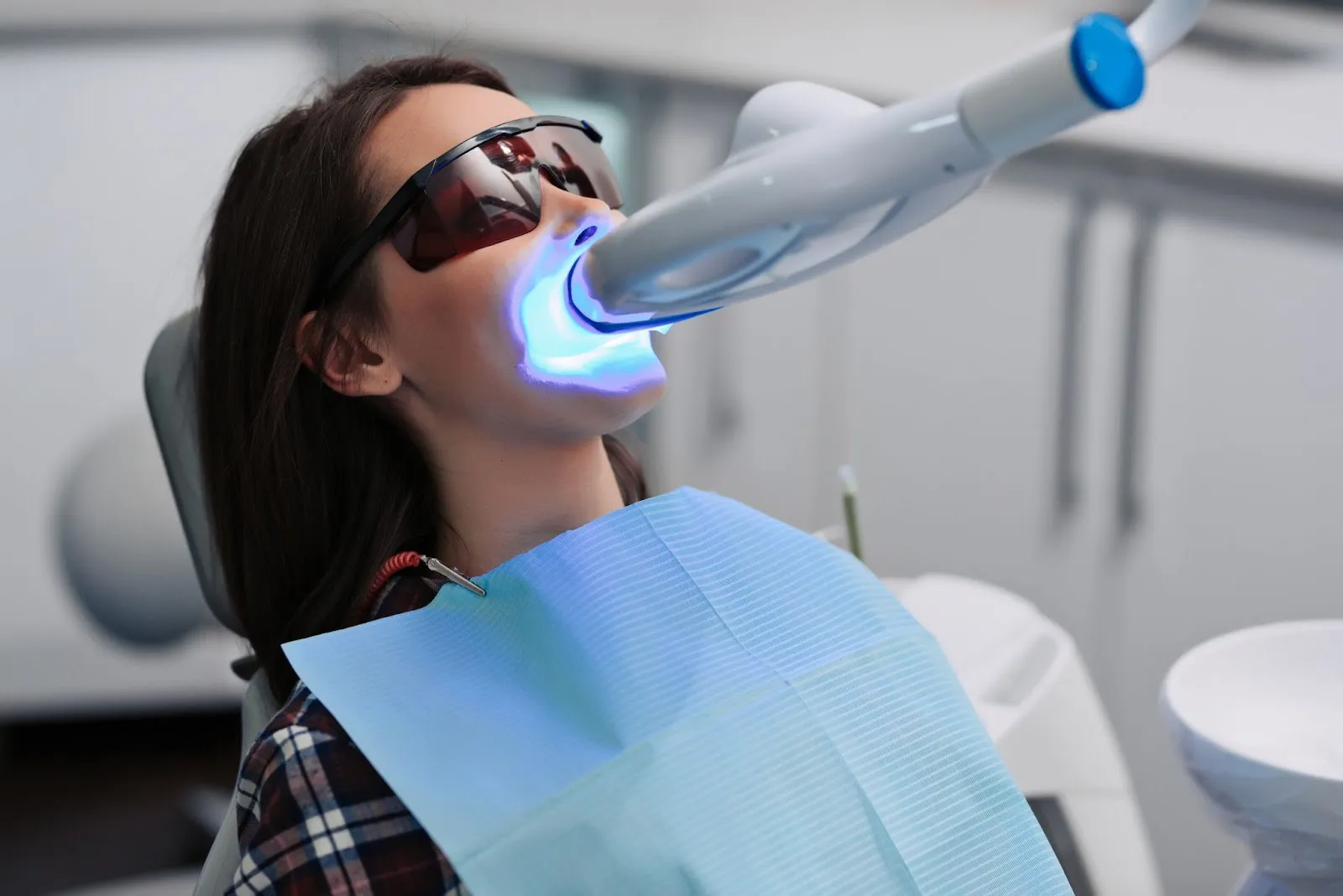
In-office teeth whitening is a quick and effective way to achieve a brighter smile in just one appointment. The process is meticulously managed by a dental professional to ensure safety and effectiveness. The entire procedure typically takes about one to two hours, providing instant and noticeable results. It is especially beneficial for individuals seeking immediate improvements or those with significant tooth discoloration. Because the dentist controls the process, they can closely monitor the patient’s comfort and adjust the treatment as needed.
Step 1 Initial Consultation and Examination
The first step in any teeth whitening procedure is a thorough consultation and examination. The dentist will assess your overall oral health, looking for any existing issues such as cavities, gum disease, or other dental problems that may need to be addressed before whitening. The dentist will also evaluate the type and severity of the stains on your teeth to determine the most effective whitening approach. A shade guide is used to document your current tooth color, which serves as a reference to measure the progress of the whitening treatment. This initial evaluation is crucial to ensuring the safety and success of the whitening process.
Step 2 Preparation for Whitening
Once the examination is complete and it’s determined that you are a good candidate for teeth whitening, the dentist will prepare your mouth for the procedure. This involves isolating the teeth to be treated. This is generally done by retracting your lips and cheeks with a cheek retractor and placing a protective barrier along the gum line. The purpose is to protect the soft tissues of your mouth from the bleaching agent. Then, the dentist will apply a protective gel or a rubber dam to your gums to prevent irritation. This meticulous preparation helps to minimize any potential discomfort and ensures that the whitening agent focuses solely on the teeth.
Step 3 Applying the Whitening Agent

The dentist will then apply the whitening agent to the surface of your teeth. The agent is usually a high-concentration hydrogen peroxide gel. The dentist carefully applies this gel to each tooth, ensuring even coverage. Once applied, the dentist may use a special curing light or laser to activate and accelerate the whitening process. This light enhances the effectiveness of the bleaching agent, helping it to penetrate the enamel and break down the stains more quickly. The process is repeated several times during the session, typically in 15-20 minute intervals, to achieve the desired level of whiteness.
Step 4 The Whitening Process
During the whitening process, the dentist will monitor your teeth and gums for any signs of sensitivity or irritation. You may experience some mild sensitivity, but the dentist can provide measures to alleviate any discomfort. The whitening agent is left on your teeth for a set period, often with breaks for examination and reapplication. The entire process is performed under the supervision of a dentist to ensure the procedure is performed safely. This close monitoring ensures any potential side effects are addressed promptly and that the best possible outcome is achieved for your smile.
Step 5 Post-Whitening Care and Instructions
After the in-office whitening, the dentist will remove all the protective barriers and thoroughly rinse your mouth. You will receive specific instructions on how to care for your teeth in the days following the procedure. This often includes avoiding foods and drinks that can stain teeth, such as coffee, tea, red wine, and dark-colored berries, for at least 48 hours. You might also be advised to use a toothpaste designed for sensitive teeth to minimize any potential discomfort. Regular brushing and flossing, as well as follow-up visits, will help maintain your brighter smile.
At-Home Teeth Whitening Kits [Dentist-Supervised]

Dentist-supervised at-home whitening kits offer a convenient and cost-effective alternative to in-office treatments. These kits typically include custom-fitted trays made by the dentist based on impressions of your teeth, and a bleaching agent containing a lower concentration of hydrogen peroxide compared to in-office treatments. The dentist will provide detailed instructions on how to use the kit safely and effectively. This approach allows you to whiten your teeth in the comfort of your own home, with the added benefit of professional guidance and support. The dentist ensures that the treatment is tailored to your specific needs and monitors your progress throughout the process.
How At-Home Kits Work
To use an at-home whitening kit, you fill the custom trays with the whitening gel and wear them for a specified amount of time each day, usually for a few hours or overnight, as directed by your dentist. The trays fit snugly over your teeth, ensuring the whitening agent makes full contact with the tooth surfaces. The duration of the treatment varies depending on the concentration of the bleaching agent and the degree of whitening desired. Your dentist will monitor your progress and may adjust the treatment plan as needed. Consistency is key with at-home whitening; results become visible over a few weeks as you follow your dentist’s instructions.
Maintaining Your White Smile [Tips]
Once you’ve achieved your desired level of whiteness, proper care is necessary to maintain your bright smile. Several lifestyle choices can help prolong the effects of teeth whitening. Regular brushing and flossing are essential to remove surface stains. Using a whitening toothpaste can also help to maintain the brightness. Consider using a straw when drinking staining beverages like coffee or tea to minimize contact with your teeth. Routine dental check-ups and cleanings help remove any accumulated stains and keep your teeth healthy.
Avoiding Stains and Discoloration

To avoid stains and discoloration, it is essential to be mindful of your dietary habits. Limit your consumption of stain-causing foods and beverages, such as coffee, tea, red wine, and dark-colored berries. If you consume these items, rinse your mouth with water immediately afterward to minimize staining. Avoid smoking and other tobacco products, as they are major contributors to tooth discoloration. Regular dental hygiene practices, including brushing, flossing, and professional cleanings, are also crucial to keeping your teeth white.
Regular Dental Check-ups
Regular dental check-ups and cleanings play a vital role in maintaining your white smile. During these visits, the dentist can remove surface stains and plaque that can dull your teeth. They will also assess your overall oral health and address any potential issues that could affect the longevity of your whitening treatment. Professional cleanings, using specialized tools, remove stains and polish your teeth, helping to maintain their brightness. Routine check-ups provide an opportunity to address any dental problems before they worsen, ensuring that your teeth remain healthy and your smile continues to shine.
Benefits and Risks of Teeth Whitening
Teeth whitening offers significant cosmetic benefits, including enhancing your smile and boosting your self-confidence. However, it is also essential to be aware of the potential risks and side effects. Understanding these aspects will help you make an informed decision about whether teeth whitening is right for you. Always consult with your dentist to discuss any concerns and receive personalized recommendations.
Potential Side Effects and How to Manage Them

The most common side effect of teeth whitening is tooth sensitivity. This sensitivity can occur during and after the procedure due to the bleaching agent penetrating the enamel. Other potential side effects include gum irritation. To manage sensitivity, your dentist might recommend using a toothpaste designed for sensitive teeth. They may also suggest a fluoride treatment to strengthen the enamel. Using custom-fitted trays in at-home kits ensures the bleaching agent does not come into contact with your gums. If gum irritation occurs, the dentist may adjust the treatment or recommend a different approach. Always consult your dentist if you experience any discomfort.
Teeth whitening is a popular and effective way to achieve a brighter smile. By understanding the procedures, benefits, and potential risks, you can make an informed decision about the best approach for you. Consulting with your dentist is the first step to a successful whitening experience, ensuring both a beautiful and healthy smile.