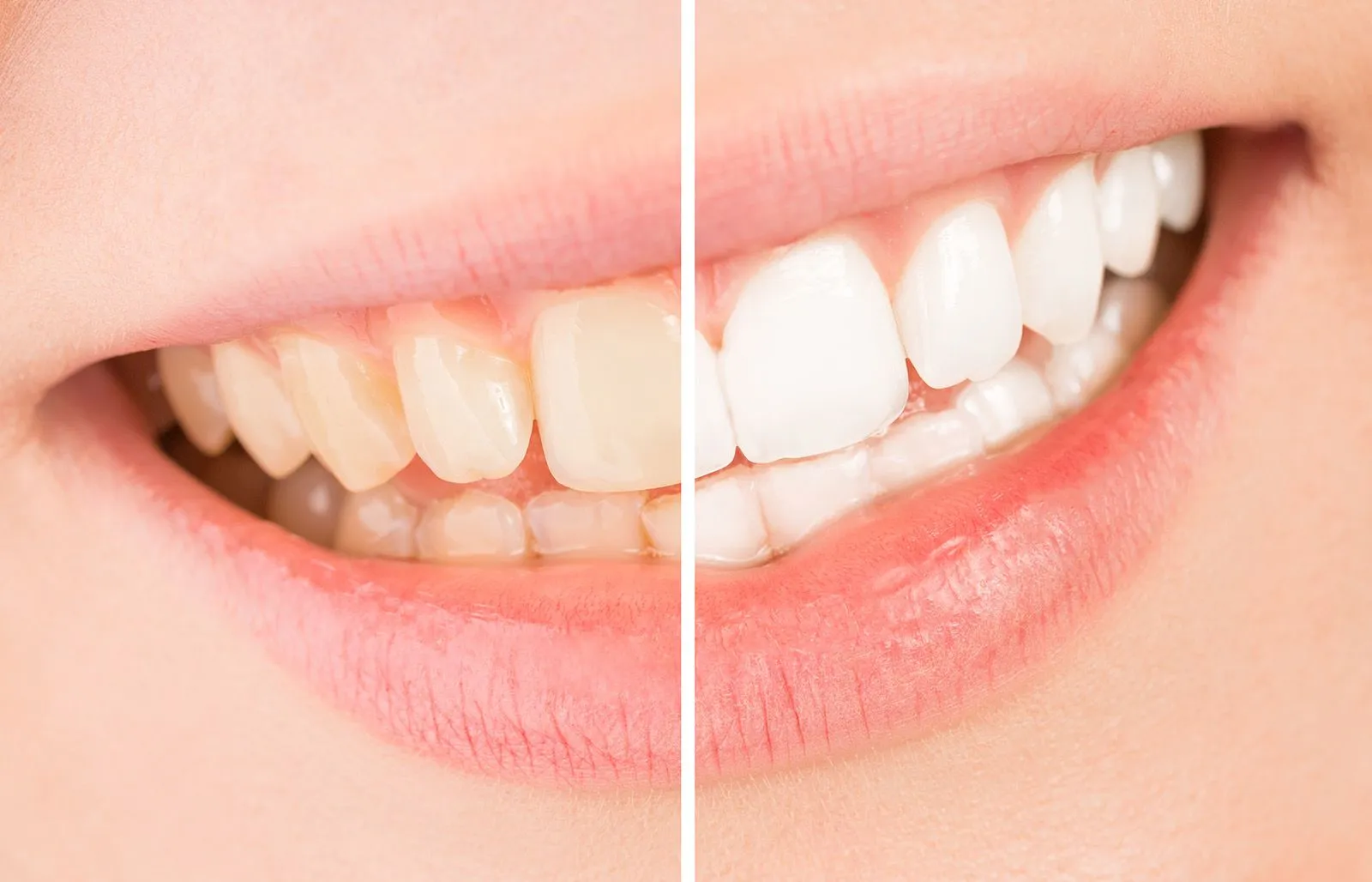
Understanding Teeth Whitening
Teeth whitening has surged in popularity, promising a brighter, more confident smile. But with this cosmetic enhancement comes the question: is teeth whitening really bad for your teeth? This article delves into the intricacies of teeth whitening, exploring the various methods, potential risks, and essential precautions. We’ll examine the science behind whitening, the different treatment options available, and the potential side effects you should be aware of. Our aim is to provide a balanced perspective, empowering you to make informed decisions about your oral health and the pursuit of a dazzling smile. Understanding the process, potential downsides, and how to mitigate risks is key to achieving the best and safest results. Let’s begin by understanding how this process works and the different approaches to achieve a brighter smile.
How Teeth Whitening Works
Teeth whitening operates on the principle of bleaching the enamel and dentin, the layers of your teeth. The active ingredients in whitening products, typically hydrogen peroxide or carbamide peroxide, penetrate the tooth surface and break down stain molecules. These stains accumulate from various sources, including food, drinks (like coffee, tea, and red wine), and tobacco use. The bleaching agents oxidize these stain molecules, effectively lightening their color and making teeth appear brighter. The strength of the whitening agent, the duration of application, and the frequency of treatment all influence the final outcome. Understanding this process helps us appreciate the potential for both positive and negative impacts on dental health. Professional treatments often use higher concentrations of bleaching agents, resulting in faster and more dramatic results compared to over-the-counter options.
Types of Teeth Whitening Treatments

The world of teeth whitening offers a variety of options, each with its own approach and level of intensity. These treatments can be broadly categorized into professional in-office procedures and at-home methods. The choice often depends on your budget, the degree of whitening desired, and your dentist’s recommendations. Understanding the differences between these options is crucial for selecting the most suitable approach for your needs and oral health condition. From the immediate results of in-office treatments to the gradual changes offered by at-home kits, each method has its own set of advantages and potential drawbacks. Considering the different treatment methods will provide valuable insight for those seeking a brighter smile and the associated effects.
In-Office Whitening
In-office teeth whitening, performed by a dentist or dental professional, typically involves a high concentration of hydrogen peroxide. This strong solution is applied to the teeth, and sometimes, a special light or laser is used to enhance the whitening process. The procedure is done in a controlled environment, which allows for the use of stronger agents and better protection of the gums and soft tissues. Results are usually visible immediately, often achieving several shades lighter in a single session. While effective and quick, in-office treatments are often more expensive than at-home options. The cost reflects the expertise of the professional, the advanced technology employed, and the immediate gratification of a brighter smile. This method is ideal for those looking for fast results and are willing to invest in a professional service.
At-Home Whitening Kits
At-home whitening kits provide a convenient and more affordable alternative to in-office treatments. These kits generally include custom-fitted trays or strips, along with a lower concentration of bleaching agent. The trays are filled with the whitening gel and worn for a specified amount of time each day, as instructed. Whitening strips are directly applied to the teeth. These methods require more time to see results compared to professional whitening. Although the results may not be as dramatic, they can still effectively lighten the teeth over several weeks. It is important to follow the instructions carefully to minimize the risk of side effects. The accessibility and lower cost make at-home kits a popular choice, but consulting with your dentist before starting any treatment is essential to ensure it’s safe and suitable for your specific dental needs.
Whitening Toothpastes and Rinses

Whitening toothpastes and mouth rinses offer a gentler approach to teeth whitening, and are readily available over-the-counter. These products usually contain mild abrasives or chemical agents that help remove surface stains. They are designed to maintain the brightness of your teeth, but are less effective at changing the intrinsic color of the enamel, making them unsuitable for significant whitening. The advantage of these products is that they are generally safe for daily use. However, their effectiveness varies, and they may not be suitable for everyone. It is crucial to use these products as directed, avoiding excessive brushing or aggressive rinsing, which can potentially damage the enamel. While these products can contribute to a brighter smile, it is essential to manage your expectations, as they are not intended for dramatic whitening results.
Potential Risks and Side Effects
Teeth whitening, despite its cosmetic benefits, is not without potential risks and side effects. Understanding these is crucial for making an informed decision. The most common side effects are usually temporary and mild, but it is essential to be aware of them and take the necessary precautions. The severity of the side effects can vary depending on the whitening method used, the concentration of the bleaching agent, and the individual’s oral health. Always consult a dentist before starting any teeth whitening treatment to assess your suitability and to discuss potential risks. This ensures that you can achieve the desired results while minimizing the adverse effects on your teeth and gums. Awareness of these risks allows you to make informed decisions.
Tooth Sensitivity
Tooth sensitivity is one of the most frequently reported side effects of teeth whitening. The bleaching agents can penetrate the enamel and dentin, irritating the nerves inside the teeth. This often manifests as a sharp, temporary pain or discomfort when consuming hot, cold, sweet, or acidic foods and drinks. The level of sensitivity varies among individuals, with some experiencing only mild discomfort while others experience more significant pain. There are several strategies to manage sensitivity, including using desensitizing toothpaste containing potassium nitrate, avoiding overly hot or cold foods and beverages during the treatment period, and using fluoride treatments. If sensitivity is severe, consult your dentist. The good news is that sensitivity is typically temporary and subsides after the whitening treatment is completed.
Gum Irritation

Gum irritation is another potential side effect of teeth whitening, especially with in-office treatments that use higher concentrations of bleaching agents. If the whitening agent comes into contact with the gums, it can cause inflammation, redness, and soreness. This is often due to the strong chemicals used or improper application of the whitening product. To minimize gum irritation, dentists typically apply a protective barrier to the gums before starting the whitening process. At-home whitening kits often come with custom-fitted trays that help to keep the bleaching agent away from the gums. If irritation occurs, it’s important to stop the treatment and consult your dentist. Gum irritation usually resolves quickly once the whitening treatment is discontinued or modified.
Enamel Damage
Although less common, the overuse or misuse of teeth whitening products can lead to enamel damage. The bleaching agents, particularly in high concentrations, can potentially weaken the enamel, making the teeth more susceptible to decay and sensitivity. The risk of enamel damage is usually minimal when whitening treatments are used as directed and under professional supervision. However, frequent or prolonged use of over-the-counter products can increase the risk. Furthermore, some whitening toothpastes contain abrasive particles that can wear away the enamel over time if used excessively. It is, therefore, important to follow the instructions carefully and to consult with a dentist to ensure that your teeth whitening treatment is safe and effective. Regular dental check-ups can help monitor the health of your enamel and identify any potential issues early.
Alternatives to Teeth Whitening
If teeth whitening is not suitable or if you’re looking for alternatives, other cosmetic dental procedures can enhance your smile. Dental veneers, which are thin shells bonded to the front of teeth, can correct discoloration, chips, and gaps. Veneers offer a durable and aesthetically pleasing solution, but they are a more permanent and invasive option. Dental bonding involves applying a tooth-colored resin to the teeth to improve their appearance. This is a less expensive option but may not be as durable as veneers. Professional teeth cleaning can remove surface stains and reveal a brighter smile. The best alternative depends on the cause of the discoloration, your budget, and your desired outcome. Consulting with a dentist is essential to determine the most appropriate treatment plan for your specific needs.
Preventative Measures and Best Practices

Regardless of whether you choose teeth whitening, adopting good oral hygiene habits is vital for maintaining a bright, healthy smile. Regular brushing with fluoride toothpaste, flossing daily, and rinsing with an antibacterial mouthwash can prevent stains and keep your teeth in good condition. Limiting your consumption of staining foods and drinks, such as coffee, tea, and red wine, can help maintain the results of teeth whitening treatments. Avoiding tobacco products is also crucial, as smoking and chewing tobacco are major contributors to tooth discoloration. Regular dental check-ups and professional cleanings are essential for removing plaque and tartar, and for identifying and addressing any dental problems early on. A consistent oral hygiene routine, coupled with professional care, supports both a bright smile and overall oral health.
Consulting with a Dentist
Before starting any teeth whitening treatment, consulting with a dentist is strongly recommended. A dentist can assess the overall health of your teeth and gums, identify any underlying dental issues, and recommend the most appropriate whitening method for your specific needs. They can also discuss the potential risks and side effects and provide guidance on how to minimize them. If you have existing dental work, such as fillings or crowns, your dentist can advise you on how these might affect the whitening process. They can provide custom-fitted trays for at-home treatments, ensuring that the whitening agent is applied safely and effectively. Professional guidance helps you achieve the best results while protecting your oral health.
Oral Hygiene Routine
Maintaining a consistent oral hygiene routine is critical to achieving and sustaining a bright, healthy smile. This includes brushing your teeth twice a day with fluoride toothpaste, flossing daily to remove plaque and food particles from between your teeth, and rinsing with an antibacterial mouthwash. Proper brushing technique involves using gentle, circular motions to clean all surfaces of your teeth, and brushing for at least two minutes each time. Flossing reaches areas that a toothbrush can’t, preventing the build-up of plaque and tartar. Rinsing with mouthwash further reduces bacteria and freshens your breath. Regular dental check-ups and professional cleanings are also essential to maintain optimal oral health. A consistent and thorough oral hygiene routine not only supports a brighter smile but also helps prevent tooth decay, gum disease, and other oral health problems.