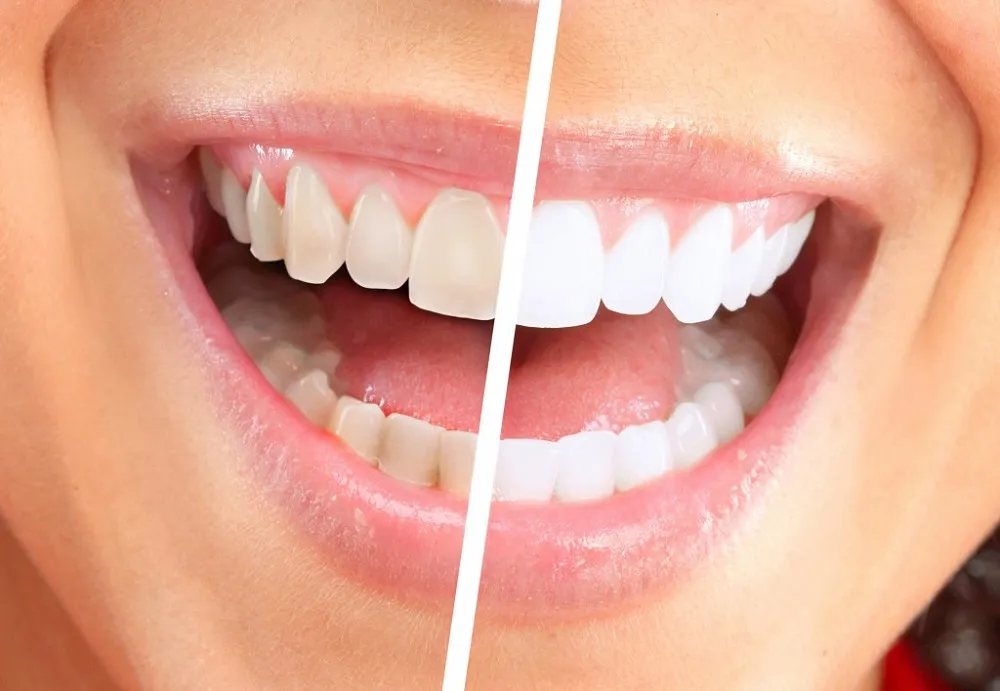
What is Teeth Whitening
Teeth whitening is a cosmetic dental procedure designed to lighten the shade of your teeth and remove stains and discoloration. It’s one of the most popular cosmetic dental treatments, as it can significantly improve the appearance of your smile, boosting your confidence and making you feel more self-assured. Teeth whitening works by using bleaching agents, typically hydrogen peroxide or carbamide peroxide, to break down the stains that have accumulated on the enamel surface of your teeth. These stains can be caused by various factors, including the consumption of certain foods and beverages, smoking, and the natural aging process. Whitening treatments can range from simple at-home methods to professional procedures performed by a dentist.
Types of Teeth Whitening Treatments
There are primarily two main categories of teeth whitening treatments professional treatments performed by a dentist and at-home treatments that you can use yourself. Each option offers different levels of convenience, effectiveness, and cost. Professional treatments are generally more effective and provide quicker results due to the higher concentrations of bleaching agents used. They also ensure the procedure is safely carried out by a dental professional. At-home treatments, on the other hand, are often more affordable and can be done at your convenience, though they typically take longer to achieve the desired results. The best choice for you will depend on your individual needs, the severity of your staining, and your budget.
Professional Teeth Whitening

Professional teeth whitening, also known as in-office whitening, is performed by a dentist in a dental clinic. This method offers several advantages, including faster results and a higher level of safety. The dentist will apply a stronger concentration of bleaching agent to your teeth, which is then often activated using a special light or laser. This process typically takes about an hour and can lighten your teeth several shades in a single session. In-office treatments are ideal for those seeking immediate results or who have significant staining. The dentist can also monitor your teeth during the procedure to minimize any potential side effects like sensitivity.
In-Office Teeth Whitening Procedures
The in-office teeth whitening procedure typically involves several steps. First, the dentist will examine your teeth and gums to ensure you are a suitable candidate for the treatment. Next, a protective barrier will be applied to your gums to prevent irritation from the bleaching agent. The whitening agent is then applied to your teeth, and a special light or laser may be used to enhance the whitening effect. The agent is usually left on your teeth for a certain period, and the process may be repeated several times during the session. After the procedure, the dentist will remove the agent and provide you with aftercare instructions. This can include avoiding certain foods and beverages for a period of time.
Benefits of Professional Whitening
Professional teeth whitening offers several benefits compared to at-home methods. It provides faster and more dramatic results, often lightening teeth by several shades in just one session. The treatment is performed under the supervision of a dental professional, ensuring safety and minimizing the risk of complications. Dentists can also address any underlying dental issues before starting the whitening process, such as cavities or gum disease. In-office whitening is particularly beneficial for those with deep staining or discoloration that may not respond well to at-home treatments. The convenience and immediate results make it a popular choice for people wanting a quick smile transformation.
At-Home Teeth Whitening Options

At-home teeth whitening offers a convenient and cost-effective way to brighten your smile. These treatments typically involve using custom-fitted trays or strips containing a bleaching agent. At-home options are generally less potent than professional treatments, but they can still provide noticeable results over time. They are suitable for people with mild to moderate staining and those who prefer the flexibility of whitening their teeth at their own pace. It’s essential to follow the instructions carefully and consult with your dentist before starting any at-home whitening treatment to ensure it’s appropriate for your dental health.
Over-the-Counter Whitening Products
Over-the-counter whitening products are readily available at drugstores and supermarkets. These products include whitening strips, toothpastes, and mouthwashes. Whitening strips are thin, flexible strips coated with a bleaching agent that you apply directly to your teeth. Whitening toothpastes contain mild abrasives and chemicals that help remove surface stains. Whitening mouthwashes may contain a bleaching agent to help whiten teeth and freshen breath. While these products can help remove surface stains, they are generally less effective than professional treatments or custom-fitted trays. It is crucial to read and follow the instructions carefully to avoid any potential side effects and to manage expectations regarding the results.
How to Choose At-Home Whitening
When choosing an at-home whitening product, consider several factors. Look for products that contain a proven whitening agent, such as hydrogen peroxide or carbamide peroxide. Check the concentration of the bleaching agent the higher the concentration, the faster the results, but also the higher the risk of sensitivity. Read reviews and research the brand to ensure the product is reliable and safe. Talk to your dentist before starting any at-home treatment, as they can recommend products suitable for your specific needs and dental health. Your dentist can also help you with custom-fitted trays, which are more effective than generic strips. Follow the instructions carefully, and be patient, as results may take several weeks to become visible.
Teeth Whitening and Sensitivity

Tooth sensitivity is a common side effect of teeth whitening treatments. The bleaching agents can penetrate the enamel and irritate the nerves inside your teeth, leading to temporary sensitivity. This sensitivity can range from mild discomfort to a sharp, shooting pain, especially when consuming hot or cold foods and drinks. Sensitivity usually subsides within a few days or weeks after the treatment. Not everyone experiences sensitivity, and the degree of sensitivity varies based on the type of whitening treatment, the concentration of the bleaching agent, and individual tooth sensitivity. There are steps you can take to manage and minimize the sensitivity.
Managing Tooth Sensitivity During Whitening
There are several ways to manage tooth sensitivity during teeth whitening. Use a desensitizing toothpaste containing potassium nitrate for several weeks before and during the whitening process. Avoid foods and drinks that are extremely hot or cold, as they can exacerbate sensitivity. If using at-home whitening trays, reduce the amount of time you wear them or use the product less frequently. Your dentist may provide you with a high-fluoride toothpaste or gel to strengthen your enamel and reduce sensitivity. Consider taking over-the-counter pain relievers, such as ibuprofen, to manage any discomfort. If sensitivity becomes severe, stop the whitening treatment and consult your dentist.
Maintaining Your Whitened Smile
Maintaining your whitened smile requires consistent oral hygiene and lifestyle adjustments. Brush your teeth at least twice a day with a fluoride toothpaste, and floss daily to remove plaque and food particles. Visit your dentist for regular check-ups and cleanings, as this can help remove surface stains and maintain the brightness of your teeth. Use a whitening toothpaste or mouthwash to help maintain the results, but be cautious about overusing these products. Avoid or limit foods and drinks that can stain your teeth, such as coffee, tea, red wine, and dark-colored berries. Refrain from smoking, as it can cause significant discoloration.
Tips for Long-Lasting Results

To achieve long-lasting results, follow these tips. Maintain excellent oral hygiene habits. Avoid or limit the consumption of staining foods and beverages. If you consume staining items, rinse your mouth with water immediately afterward to minimize their impact. Use a straw for drinks that can stain your teeth. Consider touch-up treatments periodically, either at home or with your dentist, to maintain the brightness of your smile. Schedule regular dental check-ups and cleanings to remove any surface stains and monitor your oral health. Use a whitening toothpaste or mouthwash, but in moderation, to avoid any potential side effects. By following these steps, you can enjoy a bright, beautiful smile for a long time.
Dietary Considerations for Teeth Whitening
Diet plays a crucial role in the success and longevity of your teeth whitening efforts. Certain foods and drinks can stain your teeth, undoing the effects of your whitening treatment. Being mindful of your diet is essential to maintaining a bright, white smile. Consuming foods and beverages that are highly pigmented can lead to staining. This is especially true immediately after a whitening treatment when your enamel is more porous and susceptible to staining. Making informed choices about what you eat and drink can significantly impact the results of your teeth whitening process and the duration for which you enjoy those results.
Foods and Drinks to Avoid
Certain foods and drinks are notorious for staining teeth. Coffee and tea, due to their high tannin content, can cause significant discoloration. Red wine contains tannins and chromogens, which contribute to staining. Dark-colored sodas and sports drinks also contain chromogens and acids that can erode enamel. Berries, such as blueberries, blackberries, and raspberries, contain pigments that can stain teeth. Tomato-based sauces, curries, and soy sauce have strong colors that can stain your teeth. It’s advisable to avoid these items, especially immediately after a whitening treatment. If you do consume them, drink plenty of water, rinse your mouth, or brush your teeth soon afterward to minimize their impact.
Potential Risks and Side Effects

Teeth whitening is generally a safe procedure, but there are potential risks and side effects. Tooth sensitivity is the most common side effect, which usually subsides within a few days or weeks. Gum irritation, such as inflammation or tenderness, can occur if the whitening agent comes into contact with your gums. Uneven whitening can occur if the bleaching agent is not applied evenly or if your teeth have varying shades. In rare cases, teeth whitening can cause damage to the enamel. Existing dental work, such as fillings, crowns, and veneers, will not whiten and may appear mismatched with the rest of your teeth. It’s essential to consult with your dentist before starting any whitening treatment to discuss potential risks and ensure it is appropriate for your dental health.
When to See a Dentist
Consulting with a dentist is essential for teeth whitening to ensure you are a suitable candidate and to address any underlying dental issues. You should see a dentist before starting any whitening treatment, especially if you have existing dental work, such as fillings, crowns, or veneers. Your dentist can assess the condition of your teeth and gums and recommend the most appropriate whitening treatment for your needs. They can also provide professional whitening options that offer faster and more effective results. If you experience any side effects, such as severe sensitivity or gum irritation, consult your dentist immediately. Regular dental check-ups and cleanings are vital to maintain your oral health and the results of your teeth whitening treatment.