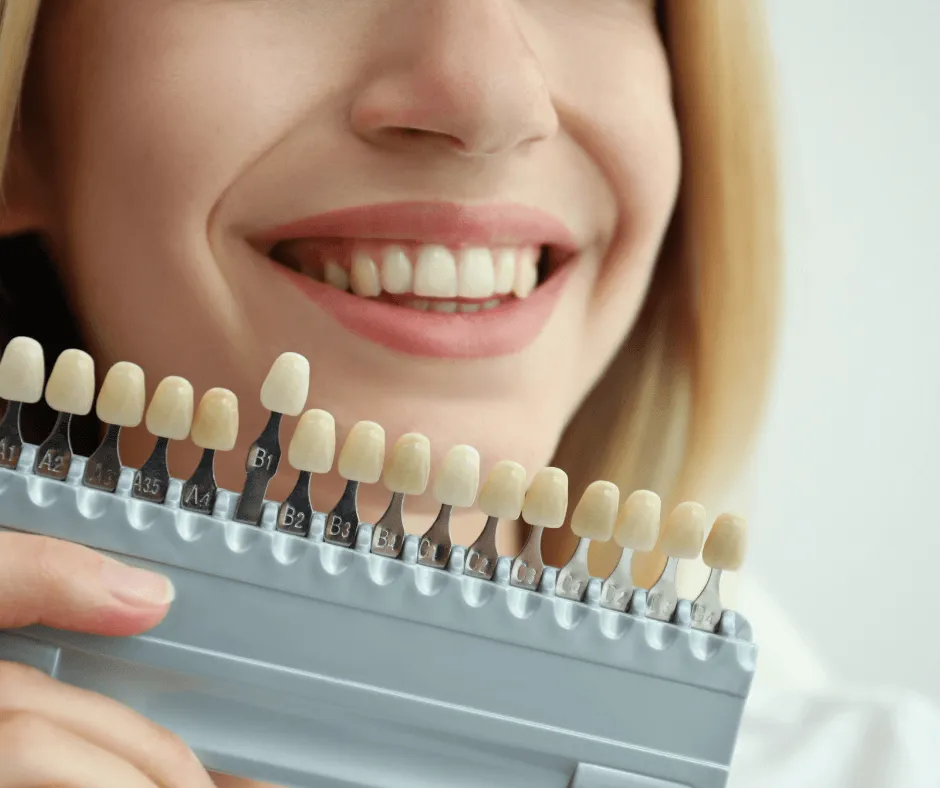
What is Teeth Whitening
Teeth whitening, also known as bleaching, is a popular cosmetic dental procedure designed to lighten the color of your teeth. This process removes stains and discoloration, enhancing the overall appearance of your smile. Over time, teeth can become stained due to various factors, including the consumption of certain foods and drinks, smoking, and the natural aging process. Teeth whitening treatments offer a solution to restore brightness and boost confidence. The procedure involves the use of bleaching agents, typically hydrogen peroxide or carbamide peroxide, which penetrate the enamel and dentin to break down stain molecules. The effectiveness of teeth whitening depends on the type of stains, the whitening method, and the individual’s oral health. Understanding the different types of treatments and associated costs is crucial for making an informed decision about achieving a brighter smile.
Types of Teeth Whitening Treatments
There are two main categories of teeth whitening treatments professional in-office whitening and at-home whitening kits. Each method offers different levels of convenience, effectiveness, and cost. Professional whitening, performed by a dentist, typically yields faster and more dramatic results due to the higher concentrations of bleaching agents used. At-home kits, on the other hand, provide a more gradual whitening effect and are often more budget-friendly. Both options can be effective in improving the color of your teeth, but the best choice depends on your specific needs, preferences, and budget. It’s essential to consult with a dentist to determine the most suitable treatment plan for your individual circumstances and to ensure the safety and effectiveness of the procedure.
In-Office Teeth Whitening

In-office teeth whitening is a professional procedure performed by a dentist in their clinic. This method involves applying a high-concentration bleaching agent to the teeth, which is then activated using a special light or laser. The entire process typically takes about an hour and can significantly whiten teeth in a single session. This is the most effective method of teeth whitening because it uses the highest concentrations of bleaching agents. The dentist will also protect your gums and soft tissues during the procedure. The benefits include immediate results and professional supervision, ensuring the treatment is performed safely and effectively. However, in-office whitening tends to be more expensive compared to at-home options.
Cost of In-Office Teeth Whitening
The cost of in-office teeth whitening varies depending on several factors, including the dentist’s location, the specific whitening system used, and the number of sessions required. On average, in-office whitening can range from $500 to $1,000 or more per session. The price typically includes the cost of the procedure, the bleaching agent, and any protective measures taken to safeguard your gums and soft tissues. Some dental offices offer packages that include multiple sessions or maintenance treatments, which may be more cost-effective in the long run. Always inquire about the total cost upfront and any potential additional fees before undergoing the procedure. Additionally, consider the reputation and experience of the dentist, as this can impact the overall cost and quality of the treatment. While the initial investment might seem high, the immediate and dramatic results often make it a worthwhile choice for those seeking a quick and effective teeth-whitening solution. (Image: in-office-teeth-whitening)
At-Home Teeth Whitening
At-home teeth whitening kits provide a convenient and affordable alternative to professional treatments. These kits typically include custom-fitted trays and a bleaching gel that you apply to your teeth for a specified amount of time each day. There are various types of at-home kits available, including those prescribed by a dentist and over-the-counter options. Dentist-prescribed kits often contain a higher concentration of bleaching agent and provide more effective results compared to over-the-counter products. However, it’s essential to follow the dentist’s instructions carefully to avoid potential side effects such as tooth sensitivity or gum irritation. Over-the-counter kits are readily available at drugstores and supermarkets and are generally less expensive. The results might take longer to appear, but they are an accessible option for those seeking to whiten their teeth at home. (Image: at-home-teeth-whitening-kits)
Cost of At-Home Teeth Whitening

The cost of at-home teeth whitening varies significantly depending on the type of kit and the source of purchase. Over-the-counter whitening strips, gels, and trays can range from $20 to $100 or more. These kits are usually the most budget-friendly option, but the results might not be as dramatic as professional treatments. Dentist-prescribed at-home kits typically cost between $100 and $400. These kits offer custom-fitted trays and a stronger bleaching agent, leading to better results than over-the-counter options. When considering the cost of at-home whitening, it’s essential to factor in the time commitment, as it may take several weeks to achieve the desired results. Additionally, be aware of potential costs, such as the need for follow-up appointments with your dentist to monitor progress or address any side effects. Always read reviews and compare products before making a purchase to ensure the best value for your money.
Factors Affecting Teeth Whitening Cost
Several factors influence the overall cost of teeth whitening, and understanding these elements can help you budget for the procedure and make informed decisions. The location of the dental practice and the dentist’s expertise play a significant role in pricing. Dentists in major metropolitan areas or those with specialized training may charge higher fees. The type and severity of stains on your teeth will also affect the cost, as more stubborn stains might require more aggressive treatments or multiple sessions. The number of treatments needed to achieve the desired results, whether in-office or at-home, contributes to the overall expense. Furthermore, any additional services, such as dental cleanings or fluoride treatments, will add to the final cost. Being aware of these factors will allow you to find a whitening solution that aligns with your budget and aesthetic goals.
Location and Dentist Expertise
The location of the dental practice and the dentist’s experience can significantly impact the cost of teeth whitening. Dentists in urban areas or regions with a higher cost of living often charge more for their services than those in rural areas. This difference in pricing reflects the higher overhead costs, such as rent, salaries, and equipment, associated with operating a practice in these locations. The dentist’s expertise and reputation also affect the price. Dentists with advanced training in cosmetic dentistry or a long history of successful teeth-whitening procedures may command higher fees. Consider researching the dentist’s credentials, reading patient reviews, and comparing prices among different practices in your area to find a qualified dentist who fits your budget. While it’s essential to prioritize quality and experience, being mindful of geographical factors can help you make an informed decision.
Type of Stains

The type of stains you have on your teeth is another critical factor in determining the cost of teeth whitening. There are two main categories of tooth stains extrinsic and intrinsic. Extrinsic stains are those that affect the surface of the teeth, caused by foods, drinks, and smoking. These stains are usually easier to remove with teeth-whitening treatments. Intrinsic stains, on the other hand, occur within the tooth structure. They can be caused by factors like aging, medications, or genetic conditions. Intrinsic stains often require more intensive or multiple treatments, resulting in higher costs. (Image: teeth-whitening-stains) Your dentist will assess the type of stains you have and recommend the most effective treatment plan to achieve the desired results. The severity of the stains also influences the overall cost. More severe staining might require stronger bleaching agents or multiple sessions, driving up the price. Consult with your dentist for an accurate assessment and personalized treatment plan.
Number of Treatments
The number of teeth whitening treatments needed to achieve the desired results is another crucial factor influencing the overall cost. For in-office whitening, the number of sessions required depends on the severity of the stains and the desired degree of whitening. Some patients may achieve satisfactory results with a single session, while others may need multiple treatments. Each session adds to the cost. With at-home whitening, the duration of treatment varies depending on the strength of the bleaching agent and the type of kit used. It may take several weeks to several months to achieve noticeable whitening. For both methods, follow-up treatments or touch-ups might be necessary to maintain the results over time. These additional treatments also contribute to the overall expense. Before starting the procedure, discuss with your dentist the expected number of treatments and their associated costs to plan your budget.
Additional Costs
In addition to the primary cost of teeth whitening, various additional expenses may be associated with the procedure. These can include pre-treatment dental cleanings to remove plaque and tartar, which can improve the effectiveness of the whitening treatment. Protective measures, such as custom-fitted trays or gum shields, may be necessary to protect your gums and soft tissues during in-office whitening, increasing the overall cost. Post-whitening care products, such as desensitizing toothpaste or fluoride treatments, might be recommended to reduce sensitivity or remineralize the teeth. Maintaining the results of teeth whitening may involve periodic touch-up treatments or the purchase of at-home whitening products. Always inquire about all potential additional costs upfront to understand the complete financial implications of the teeth-whitening procedure.
Teeth Whitening Cost Comparison

A direct comparison of the different teeth whitening options can help you make the most informed decision based on your needs, budget, and lifestyle. In-office whitening provides immediate results and is administered by a dentist, which ensures safety and effectiveness. However, it is the most expensive option. At-home whitening kits offer greater affordability and convenience, allowing you to whiten your teeth at your own pace. While the results are usually less dramatic and take longer to appear, at-home kits are ideal for those with budget constraints or those seeking a gradual whitening effect. The comparison table highlights the pros and cons of each method, helping you weigh the advantages and disadvantages of each option, consider your priorities, and make the best choice for achieving your desired smile. (Image: teeth-whitening-comparison)
Professional Teeth Whitening vs At-Home Kits
Professional teeth whitening, performed by a dentist, is generally more expensive, costing anywhere from $500 to $1,000 or more per session. It provides immediate and dramatic results due to the use of stronger bleaching agents and professional supervision, ensuring the process is performed safely. At-home whitening kits are more affordable, with costs ranging from $20 to $400 or more. They offer a convenient, gradual whitening effect. However, the results are often less dramatic and can take several weeks to months to appear. When choosing between these options, consider the speed of results, the level of supervision you desire, and your budget constraints. If you have significant staining or need fast results, professional whitening may be the better choice. For those seeking a more budget-friendly and flexible option, at-home kits can be effective, provided you follow instructions carefully.
Pros and Cons of Each Method
Professional teeth whitening offers the benefits of immediate results, professional supervision, and more dramatic whitening. However, it is the most expensive option and may cause tooth sensitivity in some cases. At-home whitening kits are more affordable and convenient. They allow you to whiten your teeth at your own pace. The results are often less dramatic, take longer to appear, and there is a risk of improper usage or potential side effects if not used correctly. Before choosing either option, weigh the pros and cons. Consider your tolerance for potential side effects. Assess your desired level of whitening and budget constraints to make an informed decision that meets your needs and goals. Consulting with your dentist can help you determine the best option for your unique situation. (Image: teeth-whitening-care)
Finding Affordable Teeth Whitening Options

If you’re looking to whiten your teeth without breaking the bank, several strategies can help you find affordable options. Comparing prices among different dental practices can help you identify the most cost-effective solutions in your area. Looking for promotions or discounts, such as seasonal offers, package deals, or new patient specials, can significantly reduce the overall cost. Choosing at-home whitening kits over in-office treatments is a more budget-friendly choice. Always consult with your dentist to determine the most suitable options for your needs and financial situation. By considering these strategies, you can achieve a brighter smile without compromising your budget. (Image: teeth-whitening-procedure)
Payment Plans and Insurance
Some dental practices offer payment plans to make teeth-whitening procedures more accessible. These plans allow you to spread the cost of treatment over time, making it easier to manage your budget. Checking with your dental insurance provider is another important step. Although teeth whitening is typically considered a cosmetic procedure and not covered by dental insurance, some plans may provide coverage for certain types of whitening treatments, especially if they are medically necessary. Understanding your insurance coverage and exploring available payment options can help you make informed financial decisions. Inquiring about payment plans with your dentist and reviewing your insurance policy will provide clarity. Remember that even if your insurance does not cover teeth whitening, you can often find ways to make the procedure more affordable through payment plans or other financial arrangements.
Discounts and Promotions
Look for discounts and promotions offered by dental practices to reduce teeth whitening costs. Many dental offices offer seasonal specials, package deals, or new-patient discounts. These promotions can significantly lower the overall price of your treatment. Some practices may also offer discounts for multiple treatments or for referring friends and family. Keep an eye on your local dentist’s website or social media pages. Look for advertisements in local publications. Contact several dental offices in your area to ask about any current promotions. Taking advantage of these offers can help you save money and achieve a brighter smile without exceeding your budget. By actively seeking out promotions, you can make teeth whitening more affordable.
Maintaining Your White Smile
Maintaining the results of teeth whitening involves adopting good oral hygiene practices and making lifestyle choices that prevent stains from reoccurring. Brushing your teeth twice daily with a whitening toothpaste, flossing daily, and using mouthwash will help remove surface stains and keep your teeth clean. Regular dental check-ups and professional cleanings are essential for removing plaque and tartar buildup and maintaining overall oral health. Avoiding or limiting foods and drinks that can stain your teeth, such as coffee, tea, red wine, and dark-colored berries, is essential. Consider using a straw when consuming these beverages to minimize contact with your teeth. Maintaining a white smile requires a combination of good oral hygiene, mindful dietary choices, and periodic touch-up treatments. Following these practices can help you enjoy your brighter smile for years to come. (Image: teeth-whitening-care)
Post-Whitening Care
Following proper post-whitening care is crucial for maintaining the results of your teeth-whitening treatment. After whitening, your teeth may be more sensitive to staining. Avoid consuming staining foods and drinks, such as coffee, tea, red wine, and dark-colored berries, for the first few days after treatment. Follow your dentist’s instructions regarding the use of desensitizing toothpaste or fluoride treatments to reduce sensitivity. Maintain a consistent oral hygiene routine. Brush your teeth twice daily with a whitening toothpaste, floss daily, and use mouthwash. Schedule regular dental check-ups and professional cleanings to keep your teeth healthy and prevent stains. By following these post-whitening care tips, you can prolong the life of your brighter smile and enjoy your results for years to come.
Foods and Drinks to Avoid
Certain foods and drinks can stain your teeth and undermine your teeth-whitening efforts. Limiting or avoiding these items is vital for maintaining your brighter smile. Coffee, tea, red wine, and dark-colored sodas are notorious for staining teeth. These beverages contain tannins, which can cause discoloration. Dark-colored berries, such as blueberries and blackberries, can also contribute to staining. Foods with strong pigments, such as soy sauce, balsamic vinegar, and curries, should also be consumed in moderation. If you choose to consume these items, rinse your mouth with water after consumption or brush your teeth soon. By being mindful of your dietary choices, you can help prevent stains and keep your teeth looking their best.