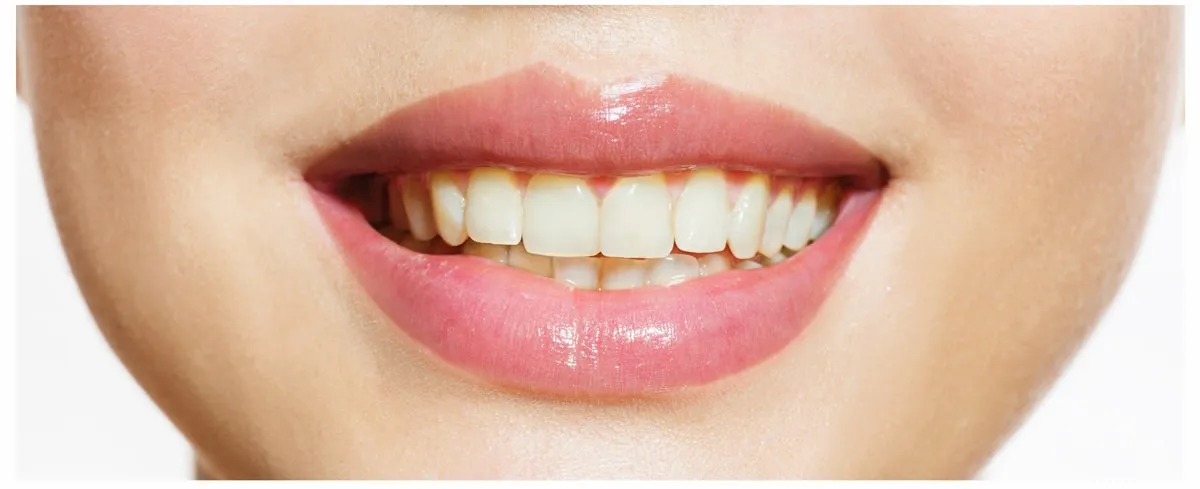
What is Teeth Whitening?
Teeth whitening, also known as bleaching, is a cosmetic dental procedure designed to lighten the shade of your teeth. It’s a popular treatment for people looking to enhance their smile and boost their confidence. Discoloration can occur for many reasons including aging, genetics, and lifestyle choices such as consuming coffee, tea, or tobacco products. There are various methods available, ranging from professional treatments performed by a dentist to over-the-counter products you can use at home. The goal of teeth whitening is to remove stains and brighten the overall appearance of your teeth, giving you a more youthful and vibrant smile.
Teeth Whitening Burnaby 5 Methods Overview
If you’re in Burnaby and considering teeth whitening, you’re in luck! Several effective methods are available to help you achieve a brighter, more radiant smile. Understanding the different options will help you make an informed decision. This guide will take a look at some of the most popular and effective teeth whitening methods available in Burnaby. From professional in-office treatments to convenient at-home solutions, this overview will help you explore the best options to suit your needs and preferences. Consider your budget, desired results, and commitment level to find the perfect teeth whitening method for you.
In-Office Teeth Whitening

In-office teeth whitening, often performed by a dentist in Burnaby, offers the most dramatic and immediate results. This method uses a high-concentration bleaching agent, usually hydrogen peroxide, which is applied to the teeth. A special light or laser may be used to accelerate the whitening process. This procedure typically takes about an hour and can significantly lighten your teeth in a single session. In-office whitening is the most effective method for achieving rapid and noticeable improvements in tooth shade. It is a safe and controlled environment, with experienced professionals ensuring the best results and minimizing any potential risks.
Benefits of In-Office Whitening
The advantages of in-office whitening are numerous. Firstly, it delivers immediate results, making it ideal for those seeking a quick smile transformation. Secondly, the dentist can monitor the process, ensuring the safety of your gums and teeth. Furthermore, professional whitening treatments use stronger bleaching agents than over-the-counter products, leading to more significant and longer-lasting results. Another benefit is the customization offered. Your dentist can tailor the treatment to your specific needs and address any particular concerns, such as sensitive teeth. Finally, in-office whitening provides a comfortable and controlled environment, giving you peace of mind during the process.
Procedure for In-Office Whitening
The in-office procedure typically involves the dentist isolating your teeth, protecting your gums with a protective barrier. Then, a high-concentration whitening gel is applied to the surface of your teeth. A special light or laser might be used to activate the bleaching agent and speed up the process. The gel is usually left on the teeth for a specific amount of time, and then rinsed off. This process may be repeated several times during the same appointment to achieve the desired level of whiteness. After the treatment, your dentist will provide aftercare instructions to help maintain your new, bright smile. You will be able to notice the result right away, the effect can be dramatic.
At-Home Teeth Whitening Kits
At-home teeth whitening kits provide a convenient and more affordable option for brightening your smile. These kits typically include custom-fitted trays and a bleaching gel provided by your dentist, or over-the-counter trays and gels. The process involves applying the gel to the trays and wearing them for a specified amount of time each day or night. At-home kits are less potent than in-office treatments, so results may take longer to appear. However, they can be a great option for achieving noticeable improvements in the comfort of your own home. Always follow the instructions provided in your kit, as this will reduce the chance of sensitivity and help you to get the best results. Also you should consult with your dentist.
Advantages of At-Home Kits
At-home kits offer several advantages, including convenience and affordability. They allow you to whiten your teeth at your own pace, fitting easily into your daily routine. They are also generally more affordable than in-office treatments. The custom-fitted trays provided by your dentist ensure a more even and effective application of the bleaching gel. Furthermore, at-home kits give you more control over the process, allowing you to adjust the frequency and duration of treatments based on your needs and sensitivity levels. At-home kits also offer a great way to maintain the results of a professional whitening treatment, allowing you to keep your smile bright over time.
Types of At-Home Whitening
There are several types of at-home whitening options available. Custom-fitted trays provided by your dentist offer the most effective results, as they ensure the bleaching gel is applied evenly. Over-the-counter whitening strips are also a popular choice, as they are easy to use and readily available. Whitening toothpastes and mouthwashes can help to remove surface stains, but they are generally not as effective as other methods for overall whitening. Whitening gels applied with a brush are also an option. When selecting an at-home whitening product, always read and follow the instructions carefully to ensure safe and effective results. Also check with your dentist to be sure it’s a good choice for you.
Over-the-Counter Whitening Products

Over-the-counter (OTC) whitening products are widely available at drugstores and supermarkets in Burnaby. These include whitening toothpastes, strips, and gels. While these products can help to remove surface stains and make your teeth appear slightly brighter, they typically contain lower concentrations of bleaching agents than professional treatments. OTC products can be a good option for maintaining whiteness or for those who want a more subtle improvement. Be sure to follow the product instructions carefully, as overuse can sometimes cause sensitivity. For more significant whitening, you may want to consider professional treatments or custom-fitted at-home kits. Keep in mind that the results from OTC products are usually less dramatic than from professional treatments.
Effectiveness of Whitening Toothpastes
Whitening toothpastes contain mild abrasives and chemicals that help to remove surface stains and brighten teeth. They are effective at removing stains caused by coffee, tea, and other foods. However, they do not actually change the color of your teeth; they simply remove stains. Whitening toothpastes can be a good way to maintain your teeth’s brightness after a professional whitening treatment or to enhance the results of other whitening methods. They are generally safe to use daily, but excessive use of abrasive toothpastes can sometimes damage the enamel. Always check with your dentist, as they can recommend an appropriate toothpaste for your needs and provide personalized oral health advice.
Whitening Strips & Gels
Whitening strips and gels are another popular over-the-counter option. Strips are thin, flexible strips coated with a bleaching agent that you apply directly to your teeth. Gels are applied using a brush. These products typically contain a higher concentration of bleaching agents than whitening toothpastes, leading to more noticeable results. Strips and gels can effectively lighten your teeth over several weeks. Be sure to follow the instructions carefully, as they can cause temporary sensitivity or irritation. Consider talking to your dentist about which option is best for your teeth and oral health. These products can be a convenient and cost-effective way to improve your smile.
Professional Teeth Whitening vs. DIY Methods

The main difference between professional and DIY teeth whitening methods lies in the strength of the bleaching agents and the level of supervision. Professional treatments, such as in-office whitening, use higher concentrations of hydrogen peroxide, offering more dramatic and immediate results. Your dentist can also tailor the treatment to your specific needs and address any potential issues. DIY methods, like at-home kits and OTC products, are generally less potent, and results may take longer. However, they can be a more affordable and convenient option for maintaining whiteness or for those seeking a subtle improvement. Ultimately, the best method depends on your individual goals, budget, and the current state of your oral health. Consultation with a dentist in Burnaby is recommended for a tailored approach.
Factors Affecting Teeth Whitening Results
Several factors can affect the results of teeth whitening. The type and severity of stains play a significant role. Extrinsic stains, caused by food and drinks, are usually easier to remove than intrinsic stains, which are located within the tooth structure. The natural shade of your teeth also matters; some people have inherently darker teeth than others. The presence of dental work, such as fillings and crowns, can impact the overall appearance, as these materials do not whiten in the same way as natural teeth. Following a post-whitening diet and avoiding staining foods and drinks, such as coffee, tea, and red wine, will help you to maintain your results. The longevity of the results can also be impacted by your lifestyle and oral hygiene habits. Regular dental checkups and cleanings are essential for maintaining a bright smile.
Cost of Teeth Whitening in Burnaby
The cost of teeth whitening in Burnaby varies depending on the method chosen. In-office whitening is typically the most expensive option. The price includes the dentist’s expertise, the use of stronger bleaching agents, and the immediate results. At-home whitening kits, which often include custom trays, are less expensive than in-office treatments but more than over-the-counter products. Over-the-counter whitening products, such as strips and toothpastes, are the most affordable. Remember to factor in potential hidden costs, such as consultation fees or follow-up treatments. Also remember that prices can vary between clinics, so it’s advisable to compare prices and services from several dental practices in Burnaby. Always prioritize the quality of the treatment and the dentist’s experience when making your decision.
Teeth Whitening Aftercare Tips

Following aftercare instructions is crucial for maintaining your bright, white smile after teeth whitening. Avoid staining foods and drinks for the first few days after treatment. This includes coffee, tea, red wine, and dark-colored sauces. Smoking should be avoided as it can cause staining. Brush your teeth gently with a soft-bristled toothbrush and a non-abrasive toothpaste. Drink plenty of water to stay hydrated and to help rinse away any potential staining agents. If you experience any sensitivity, use a toothpaste designed for sensitive teeth. Regular dental check-ups and cleanings will help keep your teeth healthy and bright. Consider using a touch-up whitening treatment at home to help maintain your results over time. Consult with your dentist for specific aftercare instructions tailored to your teeth whitening method.
Maintaining Your White Smile
Maintaining a white smile requires consistent effort and good oral hygiene practices. Regular brushing and flossing, at least twice a day, are essential for removing plaque and preventing stains. Using a whitening toothpaste can help to remove surface stains and maintain brightness. Limit your intake of staining foods and drinks. Regular dental check-ups and professional cleanings are crucial for removing plaque, tartar, and surface stains that can dull your smile. Consider touch-up whitening treatments at home or in the office to help keep your teeth bright over time. Avoiding smoking and tobacco use is also critical for maintaining a white smile. With the right care and attention, you can enjoy a bright and confident smile for years to come. Remember to consult your dentist about specific oral hygiene recommendations.