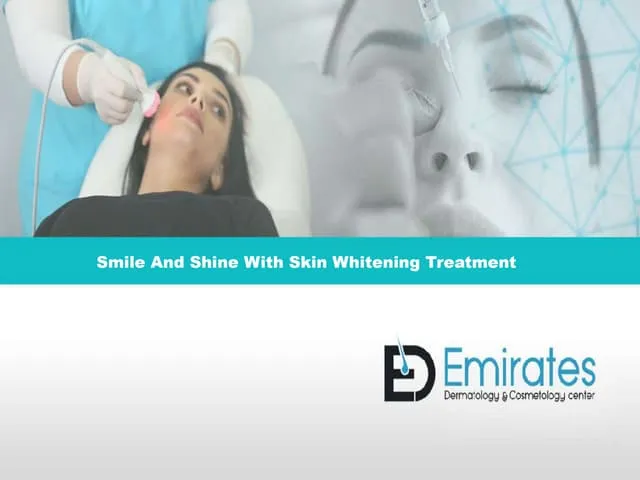
The Truth About Skin Whitening Courses
The pursuit of brighter, more even-toned skin has led many to explore the world of skin whitening courses. These courses promise to provide the knowledge and techniques needed to achieve a lighter complexion. However, it is important to approach these courses with a balanced perspective. Skin whitening is a complex process, and the results can vary widely depending on the individual’s skin type, the methods used, and their commitment to the process. This article delves into the secrets of successful skin whitening, offering a comprehensive guide to understanding the science, methods, and considerations involved, while also providing insights on how to find the right course for your needs. Before you embark on any skin whitening journey, it’s crucial to be well-informed and to have realistic expectations. This article will help you navigate the complexities of skin whitening and make informed decisions.
Understanding Skin Whitening
Skin whitening, at its core, aims to reduce the production of melanin, the pigment responsible for skin color. This can be achieved through various methods, each targeting different aspects of melanin synthesis or removal. The effectiveness of these methods can vary depending on skin type, the cause of the discoloration, and the specific treatment used. It’s essential to understand that skin whitening is not a one-size-fits-all solution, and what works for one person may not work for another. Understanding your skin’s unique characteristics and the underlying causes of any discoloration is the first step towards achieving your desired results. The key is to find a method or combination of methods that are safe, effective, and suitable for your skin.
What Causes Dark Spots and Uneven Skin Tone

Dark spots and uneven skin tone can be caused by a variety of factors. Sun exposure is a major culprit, as ultraviolet (UV) radiation stimulates melanin production, leading to sunspots and premature aging. Hormonal changes, such as those experienced during pregnancy (melasma), can also trigger increased melanin production. Inflammation, whether from acne, eczema, or other skin conditions, can leave behind post-inflammatory hyperpigmentation (PIH), which manifests as dark spots. Genetics also play a role, as some individuals are naturally more prone to hyperpigmentation than others. Understanding the root cause of your skin discoloration is crucial for selecting the most appropriate and effective treatment approach. Addressing the underlying cause, such as protecting against sun damage or managing inflammatory conditions, is often essential for long-term results.
The Science Behind Skin Whitening
The science behind skin whitening involves understanding the melanogenesis process – the production of melanin. Melanin is produced by melanocytes, specialized cells in the skin, in response to stimuli such as UV radiation. The goal of skin whitening treatments is to either inhibit melanin production, reduce the amount of melanin already present, or speed up the shedding of pigmented skin cells. Ingredients like hydroquinone and kojic acid work by inhibiting tyrosinase, an enzyme essential for melanin production. Other methods, such as chemical peels and laser treatments, work by removing the top layers of skin, thereby reducing the visibility of dark spots. It’s important to note that skin whitening is not about completely eliminating melanin, as melanin provides protection against UV damage. Instead, it’s about achieving a more balanced and even skin tone.
Skin Whitening Course Secrets: 5 Proven Methods
Method 1: Chemical Peels

Chemical peels involve applying a chemical solution to the skin to exfoliate the outer layers, revealing new, lighter skin underneath. The depth of the peel can vary, ranging from superficial peels that affect only the top layer of the skin to deeper peels that reach deeper layers. Different chemicals, such as alpha-hydroxy acids (AHAs), beta-hydroxy acids (BHAs), and trichloroacetic acid (TCA), are used depending on the desired outcome and skin type. Chemical peels are effective for treating sun damage, acne scars, and uneven skin tone. The process can cause some redness, peeling, and sensitivity, but these side effects typically subside within a few days or weeks, depending on the depth of the peel. Chemical peels are often used as part of a comprehensive skin whitening course.
How Chemical Peels Work
Chemical peels work by causing controlled damage to the outer layers of the skin. This damage stimulates the skin’s natural healing process, which leads to the production of new skin cells. The chemical solution weakens the bonds between skin cells, causing them to shed. As the old, pigmented skin is removed, newer, lighter skin is revealed. The specific type of chemical and its concentration determine the depth of the peel and the extent of the exfoliation. Regular chemical peels can improve skin texture, reduce the appearance of dark spots, and promote a more even skin tone. It’s crucial to have a chemical peel performed by a trained professional to minimize the risk of complications such as scarring or hyperpigmentation.
Benefits of Chemical Peels for Skin Whitening
Chemical peels offer a range of benefits for skin whitening. They effectively reduce the appearance of dark spots, age spots, and sun damage. They can also improve skin texture, making the skin smoother and more radiant. Chemical peels can stimulate collagen production, which can help reduce the appearance of fine lines and wrinkles. Furthermore, they can help unclog pores, reducing the likelihood of acne breakouts. The benefits of chemical peels are often amplified when combined with other skin whitening treatments, such as topical creams or laser therapy. With proper care and follow-up, chemical peels can significantly enhance your skin’s appearance and contribute to a brighter, more youthful complexion.
Method 2: Laser Therapy

Laser therapy for skin whitening uses focused beams of light to target and destroy melanin-producing cells. This method is particularly effective for treating specific types of hyperpigmentation, such as sunspots and melasma. Different types of lasers are used, each with a specific wavelength that targets melanin. Laser treatments offer a more precise and targeted approach compared to some other methods, minimizing damage to surrounding skin. While laser therapy can be highly effective, it typically requires multiple sessions to achieve optimal results. It’s essential to consult with a qualified dermatologist or laser technician to determine if laser therapy is appropriate for your skin type and condition. The best courses will include information on this complex treatment.
Types of Lasers Used for Skin Whitening
Several types of lasers are used for skin whitening, including Q-switched lasers, fractional lasers, and intense pulsed light (IPL) devices. Q-switched lasers are particularly effective for treating dark spots and sunspots. They emit short pulses of high-intensity light that target melanin without damaging the surrounding skin. Fractional lasers create microscopic wounds in the skin, stimulating collagen production and improving skin texture. IPL devices, while not technically lasers, use a broad spectrum of light to target melanin and reduce pigmentation. The choice of laser depends on the specific skin condition, the individual’s skin type, and the desired outcome. The most reputable skin whitening courses will cover these important distinctions.
Laser Therapy Procedure and Expectations
The laser therapy procedure typically involves the application of a numbing cream to minimize discomfort. The laser is then directed at the targeted areas, and the technician will adjust the settings based on your skin type and the specific condition being treated. The procedure can take anywhere from a few minutes to an hour, depending on the size of the treatment area. After the procedure, you may experience some redness, swelling, and mild discomfort. Most people can return to their normal activities immediately, although it’s essential to avoid sun exposure and follow the aftercare instructions provided by your technician. Multiple sessions are usually required to achieve the desired results, with noticeable improvement often seen after a few weeks. Realistic expectations and patience are key.
Method 3: Topical Creams and Serums

Topical creams and serums containing active ingredients are a common method for skin whitening. These products work by inhibiting melanin production or promoting the shedding of pigmented skin cells. Many over-the-counter and prescription products are available, with varying levels of effectiveness. Choosing the right product is crucial for achieving desired results and minimizing potential side effects. Ingredients like hydroquinone, kojic acid, vitamin C, and retinoids are commonly used in skin whitening products. A thorough understanding of these ingredients and how they interact with the skin is key to a successful outcome. The best skin whitening courses provide valuable insights into the selection and effective use of these products.
Ingredients to Look for in Skin Whitening Products
Several ingredients are known for their skin whitening properties. Hydroquinone is a potent skin-lightening agent that inhibits the enzyme tyrosinase, which is essential for melanin production. However, it can cause side effects like skin irritation and ochronosis (a bluish-black discoloration) with prolonged use, and is only available by prescription in many countries. Kojic acid is a natural compound derived from fungi that also inhibits tyrosinase. Vitamin C is an antioxidant that brightens the skin and helps protect against sun damage. Retinoids, such as retinol, increase cell turnover, promoting the shedding of pigmented skin cells. Arbutin, a derivative of hydroquinone, offers similar benefits with potentially fewer side effects. When selecting a product, it’s important to consider your skin type and sensitivity, as well as the concentration of the active ingredients.
How to Use Topical Products Effectively
To use topical skin whitening products effectively, start by cleansing your skin thoroughly. Apply a thin layer of the product to the affected areas, following the instructions on the product label. Many products are best applied at night, as they can increase the skin’s sensitivity to sunlight. Always use sunscreen during the day to protect your skin from further sun damage, which can counteract the effects of the whitening treatments. Be patient, as it may take several weeks or months to see noticeable results. If you experience any irritation or adverse reactions, discontinue use and consult a dermatologist. Consistent use and a good skincare routine are key to maximizing the effectiveness of these products. Look for the most complete skin whitening courses that explain this.
Method 4: Microdermabrasion

Microdermabrasion is a non-invasive procedure that exfoliates the skin using a specialized device. It involves gently removing the top layer of dead skin cells, which can improve skin texture, reduce the appearance of dark spots, and promote a brighter complexion. Microdermabrasion can be performed by a trained esthetician or dermatologist. It is generally a painless procedure with minimal downtime. The results are typically gradual, and multiple sessions are often needed to achieve optimal results. It’s a good option for those seeking a less aggressive method of skin whitening. Combining microdermabrasion with other treatments, such as topical creams or chemical peels, can enhance its effectiveness. A skin whitening course should cover microdermabrasion.
The Microdermabrasion Process
During microdermabrasion, a handheld device is used to spray fine crystals or a diamond-tipped wand onto the skin. The device gently exfoliates the skin, removing the dead cells and stimulating collagen production. The exfoliated cells and crystals or debris are then vacuumed away. The procedure typically takes 30-60 minutes, and there is little to no downtime. After the treatment, the skin may appear slightly red or flushed, but this usually subsides within a few hours. It’s important to avoid sun exposure and use sunscreen after microdermabrasion, as the skin will be more sensitive to the sun. Regular microdermabrasion sessions can improve skin texture, reduce the appearance of fine lines, and promote a brighter complexion. Following the aftercare instructions is crucial for successful results.
Microdermabrasion Benefits and Results
Microdermabrasion offers several benefits for skin whitening. It helps to reduce the appearance of dark spots, age spots, and sun damage. It also improves skin texture, making the skin smoother and more radiant. Microdermabrasion can help unclog pores and reduce the likelihood of acne breakouts. It can also stimulate collagen production, which can help reduce the appearance of fine lines and wrinkles. The results of microdermabrasion are typically gradual, with noticeable improvements often seen after a few sessions. The effects can be enhanced when combined with other skin whitening treatments. Consistent treatments and a proper skincare routine are key to maintaining the results and achieving a brighter, more even skin tone. This will be covered in the best skin whitening courses.
Method 5: Diet and Nutrition

While topical treatments and professional procedures are crucial, diet and nutrition also play a significant role in skin whitening. Consuming foods rich in antioxidants and vitamins can help protect the skin from damage and promote a brighter complexion. Hydration is also essential, as it helps keep the skin healthy and hydrated. Certain foods can support skin whitening, while others can potentially worsen pigmentation issues. A well-balanced diet combined with effective skin care treatments offers the most comprehensive approach to achieving a lighter and more radiant complexion. The best skin whitening courses will integrate this important aspect.
Foods That Support Skin Whitening
Several foods are known for their skin-brightening properties. Foods rich in vitamin C, such as citrus fruits, berries, and bell peppers, can help protect the skin from damage and promote collagen production. Antioxidant-rich foods, such as green tea, dark chocolate, and leafy green vegetables, can help protect the skin from free radical damage. Foods rich in omega-3 fatty acids, such as fatty fish, can help reduce inflammation, which can contribute to uneven skin tone. Drinking plenty of water is also essential for maintaining healthy, hydrated skin. Including these foods in your diet can support your skin whitening efforts and contribute to a brighter, more radiant complexion.
Foods to Avoid for Brighter Skin
Certain foods can worsen skin pigmentation issues. Processed foods, sugary drinks, and excessive amounts of saturated and trans fats can contribute to inflammation, which can exacerbate skin problems. Foods high in sugar can lead to glycation, a process that damages collagen and elastin, potentially leading to uneven skin tone. Excessive alcohol consumption can dehydrate the skin and contribute to inflammation. Limiting the consumption of these foods and focusing on a balanced, nutrient-rich diet can help optimize your skin whitening efforts and promote a healthier complexion. A good skin whitening course will mention this important aspect.
Risks and Considerations for Skin Whitening

Skin whitening, while promising, comes with potential risks and considerations. It’s crucial to be aware of these before embarking on any skin whitening journey. Choosing reputable treatments, understanding your skin type, and following expert advice are essential for minimizing risks and achieving the best possible results. Always consult with a dermatologist or qualified skincare professional before starting any skin whitening treatment. Understanding the potential risks and taking necessary precautions is key to a safe and successful experience. The best skin whitening courses will focus on this important information.
Potential Side Effects of Skin Whitening Treatments
Skin whitening treatments can have various side effects, ranging from mild to severe. Topical creams containing hydroquinone can cause skin irritation, redness, and in rare cases, ochronosis. Chemical peels can lead to redness, peeling, and sensitivity. Laser therapy can cause temporary redness, swelling, and blistering. Other potential side effects include changes in skin texture, increased sensitivity to sunlight, and uneven pigmentation. The risks vary depending on the treatment method, the individual’s skin type, and the expertise of the practitioner. Always discuss potential side effects with your dermatologist or skincare professional and follow all post-treatment instructions carefully.
Who Should Avoid Skin Whitening Courses
While many people seek skin whitening treatments, some individuals should avoid them altogether or proceed with extreme caution. People with sensitive skin, those prone to allergies, or those with a history of skin conditions like eczema or psoriasis should consult a dermatologist before starting any treatment. Pregnant or breastfeeding women should generally avoid skin whitening treatments due to the potential risks to the baby. Individuals with a history of keloid scarring should exercise caution. It’s essential to be honest with your healthcare provider about your medical history and any existing skin conditions to determine if skin whitening is appropriate for you. The best courses will highlight these contraindications.
Choosing the Right Skin Whitening Course
Choosing the right skin whitening course is crucial for a safe and effective experience. Researching different courses, assessing their curriculum, and checking the credentials of the instructors are important steps. Consider the course’s focus, the methods covered, and the type of support offered. Look for courses that emphasize safety, provide comprehensive information, and offer practical guidance. Choosing a course that aligns with your goals and provides the knowledge and skills you need will increase your chances of success. A well-chosen course can be a valuable investment in your skincare journey. Make sure the skin whitening course includes information about the type of skin and treatment to achieve the best results.
What to Look for in a Reputable Course
When choosing a skin whitening course, look for several key factors. The course should be taught by qualified instructors with experience in dermatology or skincare. The curriculum should cover a wide range of topics, including the science of skin whitening, different treatment methods, and potential risks and side effects. The course should emphasize safety and provide practical guidance on how to choose the right treatments for your skin type. Look for courses that offer hands-on training, case studies, and ongoing support. Reading reviews from past participants can also provide valuable insights. Choosing a reputable course will ensure you receive accurate information and guidance. This will be covered in the best skin whitening courses.
Tips for Successful Skin Whitening Results
Achieving successful skin whitening results requires a comprehensive approach. Following a consistent skincare routine, protecting your skin from sun exposure, and being patient are essential. Be realistic about your expectations and understand that results may take time. Combining different treatment methods can often yield the best results. Regular follow-up appointments with your dermatologist or skincare professional are also important. Consistency and a proactive approach will help you achieve your desired results and maintain a brighter, more even skin tone. Remember, it is essential to consider the long-term implications of skin whitening and to prioritize the health and safety of your skin. Achieving successful skin whitening is a journey that requires dedication, patience, and the guidance of qualified professionals. Be sure the best skin whitening courses include tips and suggestions.