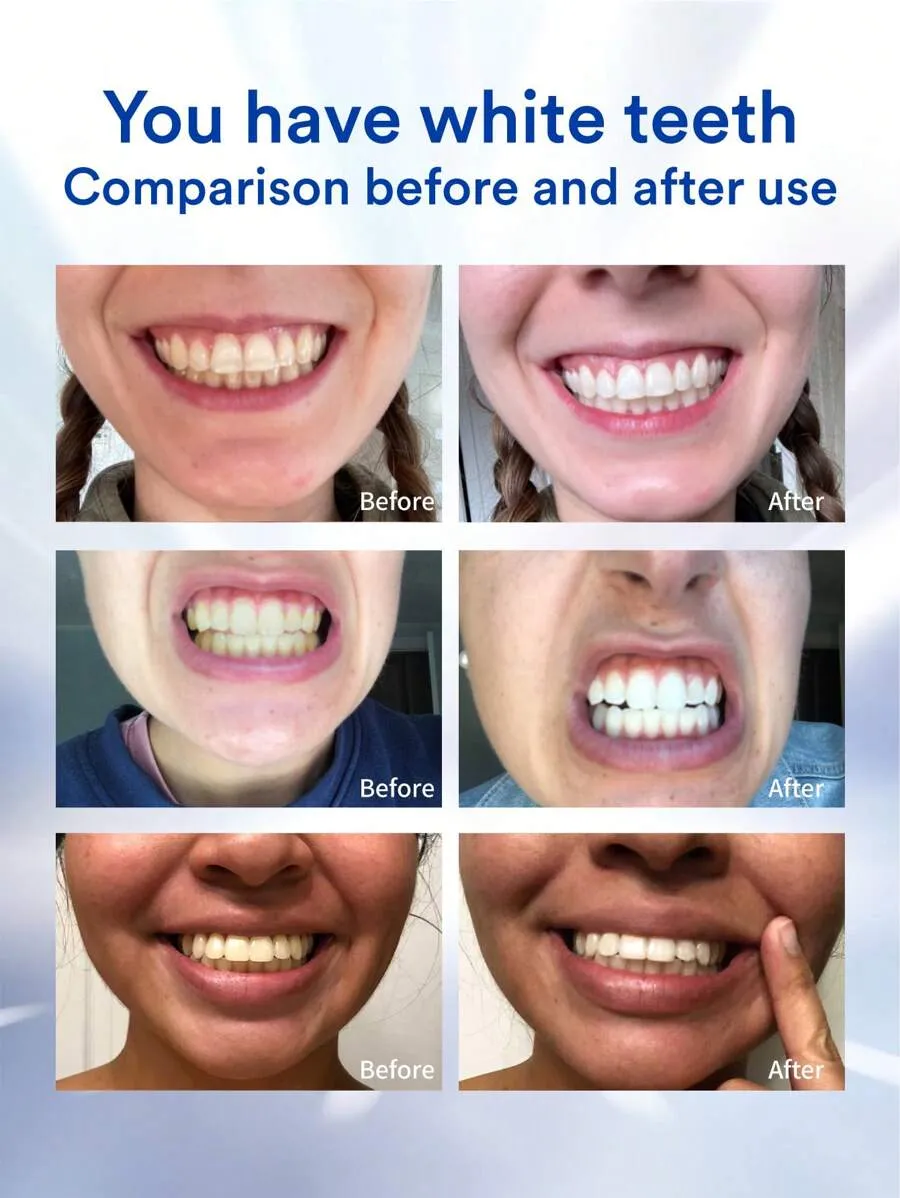
Teeth whitening strips can be a convenient way to achieve a brighter smile. However, a common side effect is teeth sensitivity. This discomfort can range from mild to quite intense, making everyday activities like eating and drinking a challenge. Fortunately, there are several strategies to manage and even prevent sensitivity after using whitening strips. This article will explore the causes of this sensitivity, immediate relief methods, and long-term solutions to keep your smile bright and your teeth comfortable.
What Causes Teeth Sensitivity After Whitening Strips
Understanding the reasons behind teeth sensitivity is the first step in addressing the problem. Whitening strips contain chemicals, typically hydrogen peroxide or carbamide peroxide, that penetrate the enamel to break down stains. This process, while effective, can also irritate the teeth and gums.
The Science Behind Whitening Strips and Sensitivity
The active ingredients in whitening strips work by releasing oxygen molecules that react with the stain molecules within the tooth enamel. This oxidation process lightens the color of your teeth. However, this same process can also affect the tooth’s structure, leading to sensitivity.
How Whitening Strips Affect Tooth Enamel

Tooth enamel is the hard, protective outer layer of your teeth. Whitening agents can temporarily dehydrate the enamel and open the pores, allowing the whitening agents to reach the stains. This can make the tooth more susceptible to temperature changes and pressure, resulting in sensitivity. This effect varies depending on the concentration of the whitening agent, the duration of the treatment, and the individual’s tooth structure.
Common Symptoms of Teeth Sensitivity
Sensitivity usually manifests as a sharp, shooting pain in the teeth when exposed to hot, cold, sweet, or acidic foods and drinks. It can also occur when brushing or flossing. Some people experience a dull ache in their teeth. The intensity and duration of these symptoms can vary from person to person. The discomfort typically subsides a few days after stopping the use of whitening strips.
Immediate Actions to Take for Sensitivity Relief
If you experience teeth sensitivity after using whitening strips, there are several immediate steps you can take to alleviate the discomfort and protect your teeth. These remedies focus on reducing the exposure to irritants and providing relief to the affected areas. The following are some actions to take immediately.
Rinse with Fluoride Mouthwash

Fluoride strengthens tooth enamel and can help reduce sensitivity. Rinsing with a fluoride mouthwash after brushing and flossing can provide an extra layer of protection. Be sure to choose an alcohol-free mouthwash to avoid further irritation.
Use a Desensitizing Toothpaste
Desensitizing toothpastes contain ingredients like potassium nitrate or stannous fluoride, which help block the pathways to the nerves in your teeth. Use a desensitizing toothpaste at least twice a day and allow it to sit on your teeth for a few minutes before rinsing. This allows the active ingredients to penetrate the enamel and provide relief.
Avoid Hot and Cold Foods/Drinks
Until your sensitivity subsides, it is best to avoid extreme temperatures. Hot coffee, tea, ice cream, and other foods or drinks that are very hot or cold can exacerbate sensitivity. Choose lukewarm options instead to minimize discomfort.
Long-Term Strategies to Prevent Sensitivity

While immediate actions can relieve existing sensitivity, long-term strategies can help prevent it from occurring in the first place or reduce its severity. These strategies involve careful product selection, professional guidance, and a commitment to good oral hygiene habits.
Choose the Right Whitening Strips
Not all whitening strips are created equal. Consider the concentration of the active ingredient (hydrogen peroxide or carbamide peroxide) and the duration of use. Start with a lower concentration and shorter treatment time to minimize the risk of sensitivity. Also, look for strips designed for sensitive teeth, which often contain lower concentrations of whitening agents.
Consult Your Dentist
Before starting any teeth whitening treatment, consult your dentist. They can assess your oral health and identify any pre-existing conditions, such as cavities or gum disease, that could make you more susceptible to sensitivity. They can also recommend professional whitening options or desensitizing treatments.
Proper Application and Usage

Always follow the instructions on the whitening strip packaging. Avoid leaving the strips on longer than recommended, and make sure they are applied correctly to all tooth surfaces. Proper application and usage will maximize the effectiveness of the strips while minimizing the risk of sensitivity.
Dietary Adjustments and Oral Hygiene
What you eat and how you care for your teeth significantly impacts sensitivity. Making some simple adjustments to your diet and oral hygiene routine can reduce your risk of experiencing discomfort.
Foods to Avoid or Limit
Certain foods and drinks can worsen teeth sensitivity. Acidic foods like citrus fruits, tomatoes, and vinegar can erode enamel and increase sensitivity. Sugary foods and drinks can contribute to tooth decay, further exacerbating the problem. Limiting your consumption of these items and rinsing your mouth with water after eating them can help protect your teeth.
Gentle Brushing Techniques

Brushing too hard can wear away enamel and expose the underlying dentin, which contains nerve endings. Use a soft-bristled toothbrush and brush gently in a circular motion. Avoid using excessive force. This will minimize the risk of causing sensitivity.
The Role of Hydration
Staying hydrated is essential for overall oral health. Drinking plenty of water helps maintain saliva production, which naturally remineralizes the enamel and neutralizes acids in the mouth. This can indirectly help protect against sensitivity.
When to Seek Professional Dental Help
While most cases of sensitivity after whitening strips are temporary and manageable at home, there are times when you should seek professional dental help. Knowing the signs and what to expect from professional treatments can help you make informed decisions about your oral health.
Signs of Severe Sensitivity

If your teeth sensitivity is severe, persistent, or accompanied by other symptoms, such as pain in your jaw, swelling, or bleeding gums, it is crucial to see a dentist. These symptoms could indicate a more serious underlying issue, such as tooth decay, gum disease, or a cracked tooth.
Advanced Treatments Your Dentist Might Offer
Your dentist can provide several advanced treatments to address teeth sensitivity. These include fluoride treatments, which strengthen enamel; desensitizing agents applied directly to the teeth; and in severe cases, dental procedures like fillings or root canals. Following your dentist’s recommendations can bring long-lasting relief.
In conclusion, teeth sensitivity after using whitening strips is a common but manageable issue. By understanding the causes, taking immediate actions for relief, and implementing long-term prevention strategies, you can maintain a bright smile without sacrificing comfort. Prioritizing your oral health through proper dental care, diet, and the right products will help you achieve the desired results while keeping your teeth happy and healthy.