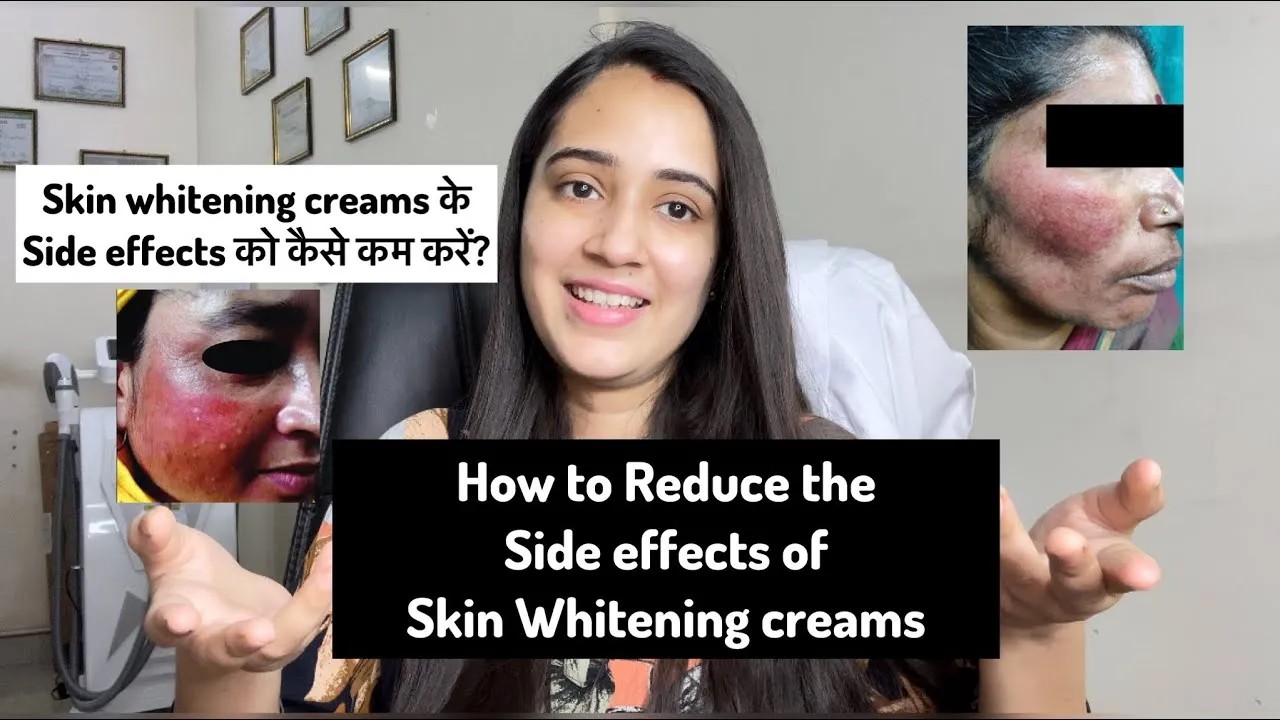
What is Sandal Whitening Cream?
Sandal whitening cream is a cosmetic product marketed to lighten skin tone, reduce blemishes, and even out skin pigmentation. These creams typically contain active ingredients designed to inhibit melanin production, the pigment responsible for skin color. The use of such creams is widespread, driven by cultural beauty standards that often favor lighter skin. However, it’s essential to approach these products with caution, as the ingredients and their effects can vary significantly. Understanding the composition and purpose of these creams is the first step in making informed decisions about their use.
Ingredients and Their Potential Side Effects
Sandal whitening creams often include a combination of active and inactive ingredients. Key active components commonly found in these creams are hydroquinone, corticosteroids, and mercury. Hydroquinone is a skin-lightening agent that inhibits melanin production. Corticosteroids can reduce inflammation but can also thin the skin with prolonged use. Mercury, a toxic metal, is sometimes found in unregulated products for its skin-lightening effects. The potential side effects of these ingredients include skin irritation, allergic reactions, and long-term health issues. It’s crucial to read the label carefully and research the ingredients before use.
Common Side Effects of Sandal Whitening Cream

The use of sandal whitening cream can lead to several common side effects that affect the skin’s appearance and health. These side effects often arise from the active ingredients that are intended to lighten the skin. The severity and frequency of these side effects can vary depending on the product’s formulation, the individual’s skin type, and the duration of use. It is imperative to be aware of these potential issues to ensure a responsible and informed approach to skincare. Furthermore, any adverse reaction requires immediate attention.
Skin Irritation and Allergic Reactions
Skin irritation, characterized by redness, itching, and burning sensations, is a frequent side effect. This can occur due to the cream’s chemical composition or the skin’s sensitivity to particular ingredients. Allergic reactions, which can range from mild rashes to severe hives, also pose a risk. The skin may become inflamed, swollen, and sometimes blistered. It is essential to discontinue use immediately if such symptoms appear. Always perform a patch test before widespread application to check for adverse reactions and to help prevent severe skin issues.
Changes in Skin Pigmentation
Changes in skin pigmentation are a significant concern, and the effects can be both undesirable and permanent. Overuse or misuse of sandal whitening creams can lead to hypopigmentation (loss of pigment), causing white patches on the skin. Conversely, some individuals may experience hyperpigmentation (increased pigment), leading to darker spots or an uneven skin tone. This uneven skin tone can be very difficult to correct. It is vital to use these creams cautiously and seek professional guidance if any changes in skin color occur.
Increased Sensitivity to Sunlight

Many sandal whitening creams can increase the skin’s sensitivity to sunlight. This is often due to the ingredients that affect melanin production, the skin’s natural defense against UV rays. This heightened sensitivity makes the skin more susceptible to sunburn, premature aging, and an increased risk of skin damage. Therefore, it is crucial to use sunscreen with a high SPF and wear protective clothing when using these creams, especially during outdoor activities. Consistent sun protection is vital to mitigate these risks.
Rare but Serious Side Effects
In addition to the more common side effects, sandal whitening creams can cause some rare but severe health complications. These serious side effects are often linked to the presence of harmful ingredients or the misuse of the products. Understanding these potential complications is essential for making informed decisions about the use of these creams. These complications highlight the need for careful product selection and professional consultation.
Hormonal Disruption
Some sandal whitening creams contain ingredients that can disrupt hormonal balance. This is particularly concerning with corticosteroids, which can affect the body’s natural hormone production. Prolonged use of such products can lead to hormonal imbalances, causing various health issues. These may include menstrual irregularities, weight gain, and changes in mood. It is crucial to consult a healthcare professional if you suspect hormonal disruption.
Potential for Skin Cancer

The long-term use of sandal whitening creams, especially those containing mercury or hydroquinone, is linked to an increased risk of skin cancer. These ingredients can damage the skin’s cells, making them more vulnerable to the harmful effects of the sun. The risk is further amplified by the increased sun sensitivity caused by these creams. Regular skin examinations and sun protection are essential for anyone using sandal whitening creams to monitor for any signs of skin cancer.
How to Minimize Risks
While using sandal whitening creams, it’s possible to take several steps to mitigate the risks associated with their use. Careful product selection, proper application techniques, and regular consultation with a dermatologist are crucial. Minimizing risks involves a proactive approach, emphasizing responsible skincare practices. This ensures you can address any adverse effects quickly and effectively. Moreover, understanding these strategies ensures the safe and effective use of these products.
Choosing the Right Product
When selecting a sandal whitening cream, prioritize products that are dermatologist-tested, and have a clear list of ingredients. Avoid products that contain mercury or high concentrations of hydroquinone. Opt for creams with ingredients known for their safety and efficacy. Research the brand and read reviews from other users to assess product performance and potential side effects. Look for certifications from reputable organizations that ensure product quality and safety. Choose products from trusted manufacturers. Be aware of the country of origin and if it has been approved.
Patch Testing

Before applying the cream to your entire face or body, perform a patch test. Apply a small amount of the cream to a discreet area of your skin, such as behind your ear or on your inner arm, and wait for 24-48 hours to see if any adverse reactions occur. If you experience any redness, itching, burning, or other signs of irritation, discontinue use immediately. This helps to determine how your skin will react and helps avoid potential widespread reactions.
Consulting a Dermatologist
Consult a dermatologist before starting the use of any sandal whitening cream. A dermatologist can assess your skin type, identify any existing conditions, and recommend appropriate products. They can also monitor your skin’s response to the cream and offer guidance on usage and potential side effects. Regular check-ups with a dermatologist are advisable, especially when using products that can cause significant skin changes. The expertise of a dermatologist can assist in achieving your desired results, while minimizing potential health risks.
Alternatives to Sandal Whitening Cream
Considering alternatives is important for individuals seeking to lighten their skin. Many options offer a safer, more effective, and sustainable approach. These alternatives prioritize skin health and minimize potential side effects. Incorporating these alternatives into your skincare routine can promote a healthy complexion and minimize any potential risks associated with conventional whitening creams. Exploring these alternatives can provide you with a range of options to fulfill your needs.
Natural Remedies

Several natural remedies can help lighten the skin and improve its appearance without harsh chemicals. These include using ingredients like lemon juice, honey, turmeric, and aloe vera. Lemon juice contains citric acid, which has mild bleaching properties, but it can also cause sensitivity to sunlight. Honey is a natural moisturizer that can help brighten the skin. Turmeric has anti-inflammatory and antioxidant properties, and aloe vera can soothe and heal the skin. While natural remedies are generally safer, it’s essential to perform a patch test before widespread application to check for any reactions.
Professional Treatments
For those seeking more effective skin lightening, professional treatments offer a variety of options. These include chemical peels, laser treatments, and microdermabrasion. Chemical peels use acids to exfoliate the skin and reduce pigmentation. Laser treatments target melanin, breaking down dark spots and evening out skin tone. Microdermabrasion gently exfoliates the skin, improving its texture and reducing blemishes. These treatments should be performed by qualified professionals and are often more effective than over-the-counter creams, with less risk of severe side effects. Be sure to research qualified professionals.
Conclusion
Sandal whitening creams offer the potential to lighten skin tone, but they come with significant risks. The ingredients used can cause skin irritation, allergic reactions, and more serious health problems. Before using these creams, it is crucial to understand the potential side effects, choose products carefully, and consider safer alternatives. Consulting a dermatologist is highly recommended to assess your skin and guide your skincare decisions. By prioritizing skin health and making informed choices, you can minimize risks and achieve a healthier, more radiant complexion.