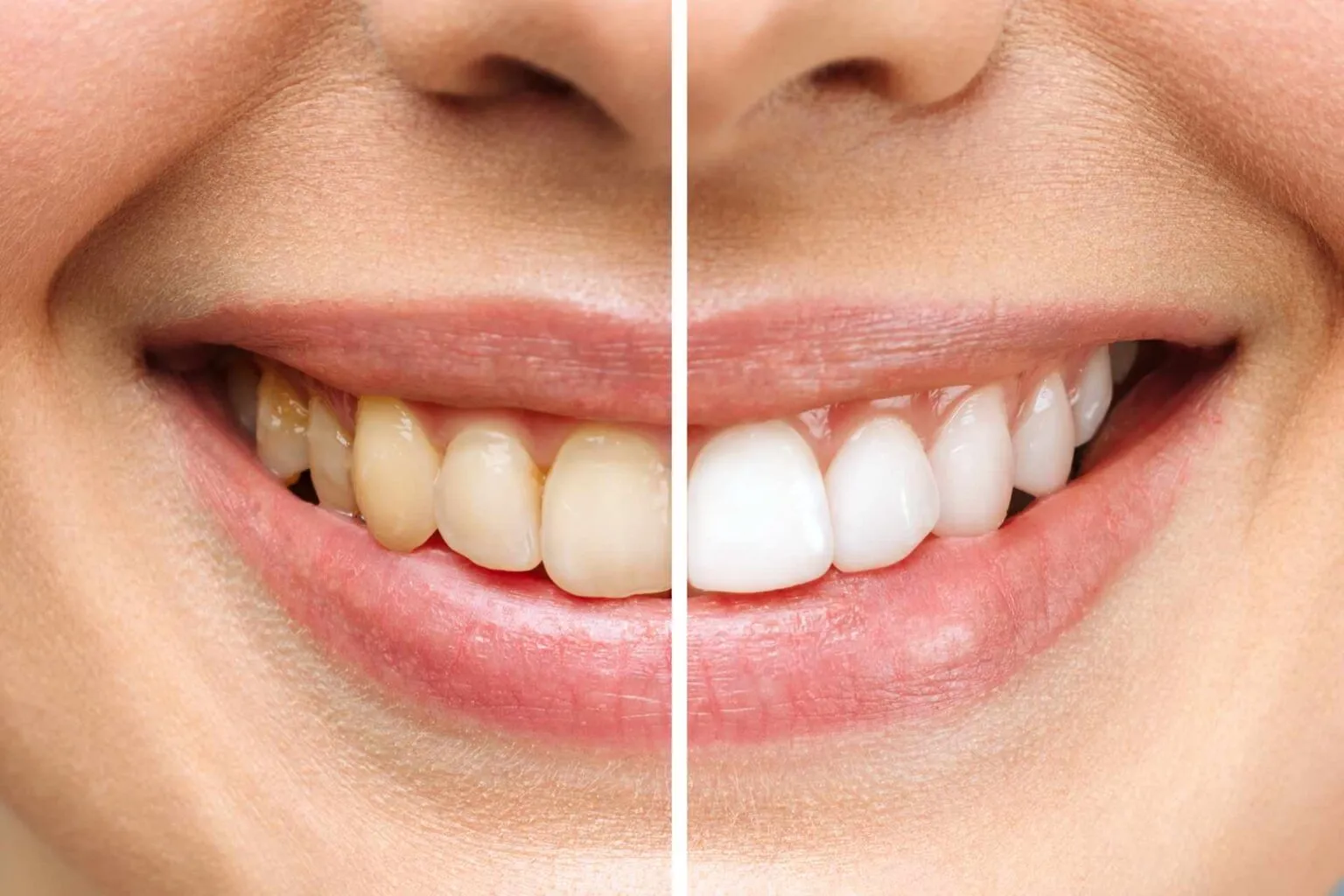
What is Tooth Whitening
Tooth whitening, also known as teeth bleaching, is a cosmetic dental procedure designed to lighten the color of your teeth. It involves removing stains and discoloration to improve the overall appearance of your smile. Over time, teeth can become stained due to various factors, including the foods and drinks we consume, smoking, and the natural aging process. Tooth whitening offers a safe and effective way to counteract these effects and achieve a brighter, more youthful smile. There are several methods available, from professional treatments at a dentist’s office to at-home kits and over-the-counter options. The best approach depends on individual needs and the extent of discoloration.
The Process of Tooth Whitening
The process of tooth whitening typically involves applying a bleaching agent, usually containing hydrogen peroxide or carbamide peroxide, to the surface of the teeth. This agent penetrates the enamel and dentin, breaking down the stain molecules that cause discoloration. In-office treatments are performed by a dentist and often involve a higher concentration of bleaching agent, resulting in faster and more dramatic results. The dentist may also use special lights or lasers to accelerate the whitening process. At-home kits usually contain a lower concentration of the bleaching agent and require more time to achieve the desired results. Regardless of the method, it’s essential to follow the dentist’s or product instructions carefully to ensure safety and effectiveness.
How Does Tooth Whitening Work

Tooth whitening works by using chemical agents to break down the stains within the tooth enamel. The active ingredient, typically hydrogen peroxide or carbamide peroxide, releases oxygen molecules that react with the stain molecules, causing them to break apart. This process lightens the color of the teeth. The effectiveness of the whitening process depends on several factors, including the type and severity of the stains, the concentration of the bleaching agent, and the duration of the treatment. Whitening treatments are most effective on stains caused by aging, coffee, tea, and tobacco. Stains from other sources, such as certain medications or dental trauma, may be more resistant to whitening.
Benefits of Tooth Whitening in Miami
Miami residents can enjoy numerous benefits from tooth whitening treatments, enhancing their smiles and boosting their overall well-being. A brighter, whiter smile can have a significant impact on personal and professional interactions, leading to increased confidence and improved self-esteem. Miami’s vibrant social scene and emphasis on appearance make tooth whitening a popular choice for those wanting to look and feel their best. Additionally, tooth whitening is a relatively quick and non-invasive procedure that can deliver noticeable results in a short amount of time. This makes it a convenient option for busy individuals seeking to enhance their smiles without significant downtime.
Boosts Confidence
One of the most significant benefits of tooth whitening is the boost in confidence it provides. A brighter smile can dramatically improve self-esteem, making individuals feel more comfortable and self-assured in social and professional settings. This newfound confidence can positively impact various aspects of life, from personal relationships to career advancement. People with whiter teeth often smile more readily and feel more inclined to engage in social interactions. In a city like Miami, where image and appearance are highly valued, a confident smile can be a significant asset in both personal and professional endeavors.
Enhances Your Smile’s Aesthetics

Tooth whitening dramatically enhances the aesthetics of your smile, making it appear more youthful and attractive. Stains and discoloration can detract from an otherwise healthy smile, making teeth look dull and aged. Whitening treatments effectively remove these imperfections, revealing a brighter, more radiant smile. This aesthetic improvement not only enhances personal appearance but can also contribute to a more positive self-image. In Miami, where beauty and appearance are often emphasized, having a bright, white smile can be a significant advantage in social and professional settings.
Improves Oral Health
While the primary goal of tooth whitening is cosmetic, it can indirectly contribute to improved oral health. The process encourages better oral hygiene practices, as individuals are often more motivated to maintain their brighter smiles. This can lead to more diligent brushing, flossing, and regular dental check-ups. Moreover, addressing discoloration may also involve identifying underlying dental issues, such as cavities or gum disease, which can then be treated by a dentist. By seeking tooth whitening, individuals may also become more aware of their overall oral health and take steps to maintain it.
Makes You Look Younger
A brighter smile is often associated with youthfulness and vitality. As we age, our teeth naturally become darker, and stains accumulate. Tooth whitening effectively reverses these effects, making individuals look younger and more refreshed. This can be a significant benefit for those seeking to maintain a youthful appearance, particularly in a city like Miami, where aesthetics are often prioritized. A whiter smile can help to create a more positive first impression and contribute to an overall sense of well-being and self-confidence.
Offers Quick Results

One of the significant advantages of tooth whitening is the speed at which results can be achieved. In-office treatments can often produce noticeable results in a single session, making it a convenient option for those seeking immediate improvement. At-home kits also offer relatively quick results, often within a few weeks of consistent use. The ability to achieve a brighter smile quickly is especially appealing for individuals with busy schedules or those preparing for special events. This makes tooth whitening a popular choice for those in Miami who want to enhance their smiles without extensive time commitments.
Types of Tooth Whitening Treatments in Miami
Miami offers a variety of tooth whitening treatments, catering to different needs and preferences. These treatments range from professional in-office procedures performed by dentists to convenient at-home kits and over-the-counter options. The best choice depends on individual circumstances, including the extent of discoloration, budget, and desired results. Consulting with a dentist is essential to determine the most suitable treatment option. The choice should be made based on factors such as the level of staining, sensitivity of the teeth, and the desired level of whitening. It’s important to consider the potential benefits and drawbacks of each type before making a decision.
In-Office Whitening
In-office tooth whitening, also known as professional teeth bleaching, is a highly effective and efficient way to achieve a brighter smile. Performed by a dentist, this treatment uses a high concentration of bleaching agents, often combined with a special light or laser to accelerate the whitening process. The entire procedure typically takes about an hour, and results are often visible immediately. This method is ideal for those seeking quick and dramatic results and is supervised by a dental professional, ensuring safety and minimizing potential side effects. In-office whitening is a popular choice in Miami for its convenience and the ability to achieve significant whitening in a single visit.
At-Home Whitening Kits

At-home whitening kits offer a convenient and affordable alternative to in-office treatments. These kits typically include custom-fitted trays that are filled with a bleaching gel and worn for a specified period each day. The dentist usually provides the trays after taking impressions of the patient’s teeth, ensuring a comfortable and effective fit. At-home kits contain a lower concentration of bleaching agent than in-office treatments, so results may take longer to appear. However, they offer greater flexibility, allowing patients to whiten their teeth at their own pace. It’s essential to follow the dentist’s instructions carefully to achieve the desired results safely and effectively.
Over-the-Counter Whitening Products
Over-the-counter whitening products, such as whitening strips, toothpastes, and mouthwashes, are readily available and provide a convenient option for those looking to brighten their smiles. These products contain lower concentrations of bleaching agents than professional treatments or at-home kits, so results are typically less dramatic and may take longer to appear. Whitening strips are applied directly to the teeth, while whitening toothpastes and mouthwashes help to remove surface stains. These options are generally more affordable but may not be as effective for severe discoloration. Consulting with a dentist is still recommended before using over-the-counter products, especially if you have sensitive teeth or other dental concerns.
Choosing the Right Treatment for You
Choosing the right tooth whitening treatment involves considering several factors to ensure the best possible results. Consulting with a dentist is the first and most crucial step. They can assess the current condition of your teeth, identify the cause of discoloration, and recommend the most suitable treatment option. Factors to consider include the extent of staining, the sensitivity of your teeth, your budget, and the desired level of whitening. In-office treatments offer the most dramatic results but are also the most expensive. At-home kits provide a more affordable option, and over-the-counter products offer even greater affordability. Your dentist will help you weigh the pros and cons of each approach to make an informed decision.
Factors to Consider

Several factors influence the choice of tooth whitening treatment. The severity and type of stains are crucial, as some stains respond better to whitening than others. The sensitivity of your teeth is another important consideration, as some treatments may cause temporary sensitivity. Your budget and desired results also play a significant role. In-office treatments offer the most dramatic results but come at a higher cost. At-home kits are more budget-friendly, while over-the-counter products offer even greater affordability. Discussing these factors with your dentist will help you determine the most appropriate treatment. They can provide personalized recommendations based on your individual needs and preferences.
Consulting with a Dentist
Consulting with a dentist is essential before undergoing any tooth whitening treatment. A dentist can evaluate the health of your teeth and gums, identify the cause of discoloration, and recommend the most suitable whitening method. They can also address any underlying dental issues that may affect the outcome of the treatment. A professional dental consultation includes an examination of your teeth, a review of your medical history, and a discussion of your goals and expectations. The dentist may also take impressions of your teeth to create custom-fitted trays for at-home whitening kits. Professional guidance ensures that the chosen treatment is safe, effective, and tailored to your individual needs.
Maintaining Your Bright Smile
Maintaining a bright smile after tooth whitening requires consistent effort and adherence to certain practices. While tooth whitening can significantly improve the appearance of your teeth, the results are not permanent. Proper care is essential to prolong the effects and prevent future discoloration. This includes practicing good oral hygiene, avoiding staining foods and drinks, and attending regular dental check-ups. The longevity of your whiter smile depends on your lifestyle choices and the care you take to protect your teeth. By following these guidelines, you can enjoy a brighter, more confident smile for years to come.
Post-Whitening Care Tips

Following the post-whitening care tips is crucial for preserving your newly whitened smile. Avoid consuming staining foods and drinks, such as coffee, tea, red wine, and berries, for at least the first few days after treatment, or as recommended by your dentist. Brush your teeth gently with a soft-bristled toothbrush and a non-abrasive toothpaste. Use a straw when drinking beverages to minimize contact with your teeth. Consider using a whitening toothpaste or mouthwash to help maintain your results. If you experience any sensitivity, use a desensitizing toothpaste. Following these simple steps will help to protect your investment and keep your teeth looking their best.
Avoiding Staining Foods and Drinks
Avoiding staining foods and drinks is essential to prevent discoloration and maintain your bright smile. Certain foods and beverages contain pigments that can stain teeth over time. These include coffee, tea, red wine, berries, and dark sauces. Minimize your intake of these items, or rinse your mouth with water immediately after consumption. Consider using a straw when drinking beverages to reduce the amount of contact with your teeth. Avoiding tobacco products is also important, as smoking and chewing tobacco can significantly stain your teeth. By being mindful of your dietary choices, you can significantly extend the life of your tooth whitening results.
Regular Dental Check-ups and Cleanings
Regular dental check-ups and cleanings are crucial for maintaining a healthy and bright smile. Professional cleanings remove plaque and tartar, which can contribute to staining and dullness. Your dentist can also identify and address any underlying dental issues, such as cavities or gum disease, that could affect the appearance of your teeth. Regular check-ups allow your dentist to monitor the condition of your teeth and gums and provide recommendations for maintaining your oral health. Aim for check-ups and cleanings every six months, or as recommended by your dentist, to ensure a healthy and radiant smile. This also provides an opportunity to discuss any concerns about the color of your teeth and explore options for touch-up whitening treatments if needed.