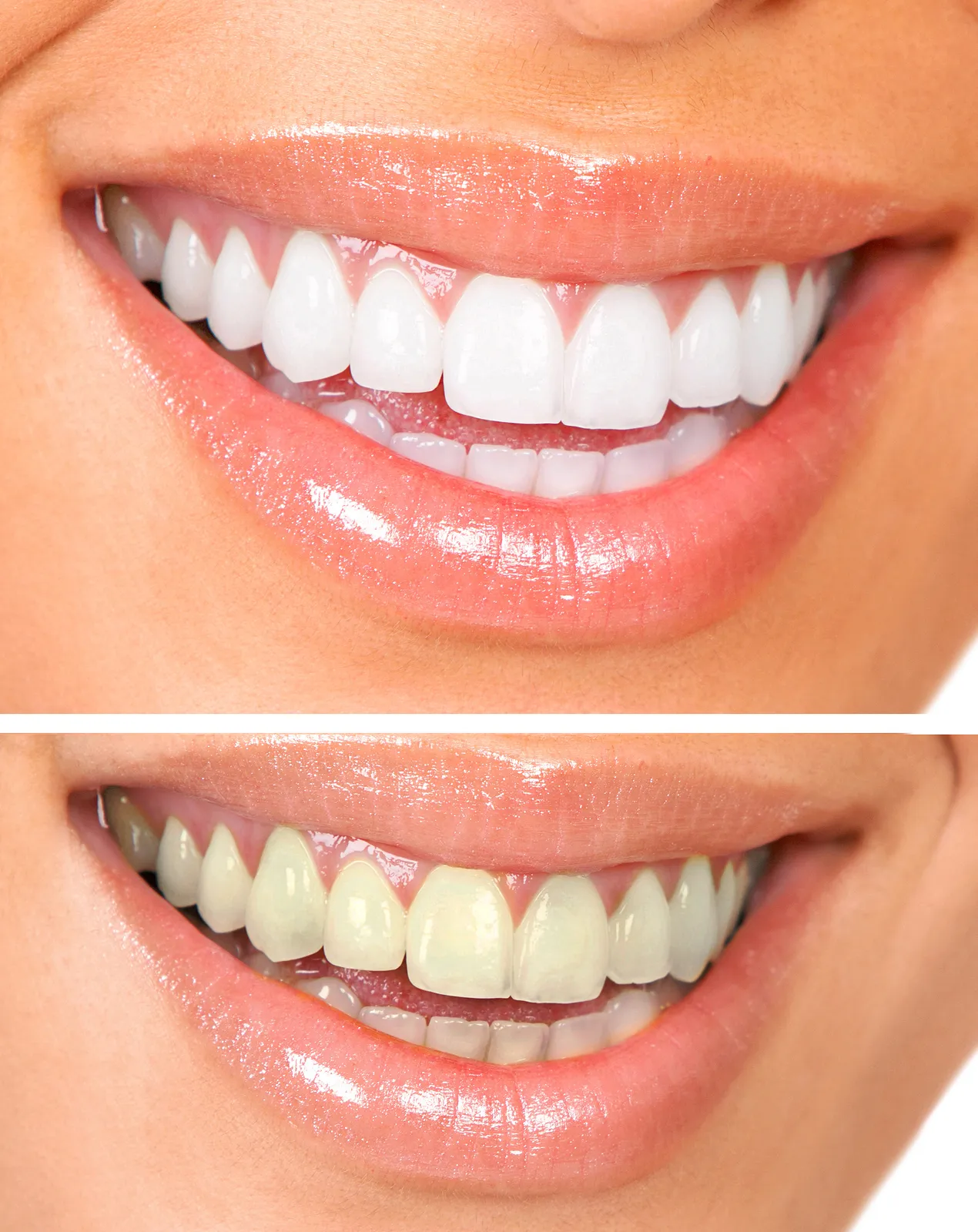
Understanding Mac Teeth Whitening
Mac teeth whitening has become increasingly popular as people seek to enhance their smiles and boost their self-confidence. The allure of a brighter, whiter smile is undeniable, leading many to explore various teeth whitening options. However, it is crucial to understand the process and the different methods available before embarking on any treatment. From professional in-office procedures to at-home kits, the market is flooded with choices. This article delves into the top 7 secrets to achieving a dazzling smile through mac teeth whitening, providing a comprehensive guide to help you navigate the world of cosmetic dentistry.
The Science Behind Mac Teeth Whitening
At the heart of mac teeth whitening lies a fundamental understanding of how teeth become discolored. The outer layer of your teeth, the enamel, is porous and can absorb stains from various sources. These stains accumulate over time, leading to a less vibrant smile. The primary mechanism behind teeth whitening involves the use of bleaching agents, typically hydrogen peroxide or carbamide peroxide. These agents penetrate the enamel and break down the stain molecules, effectively lightening the color of your teeth. The concentration of the bleaching agent, the duration of the treatment, and the method used all influence the final result. Understanding this science is key to making informed decisions about your teeth whitening journey, ensuring you choose the most effective and safe approach for your specific needs. (See image mac-teeth-whitening-overview.webp)
How Mac Teeth Whitening Works
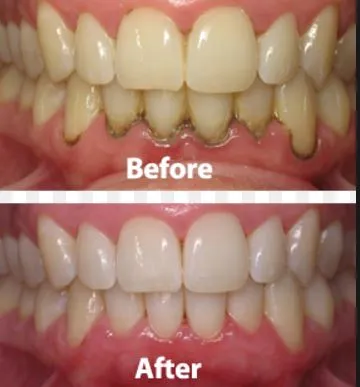
Mac teeth whitening works by utilizing bleaching agents to oxidize the stain molecules embedded in the enamel. When the bleaching agent comes into contact with the discolored areas, it triggers a chemical reaction. This reaction breaks down the stain molecules, effectively decolorizing them. The process can be accelerated through various methods, such as the application of heat or light during in-office treatments. The effectiveness of the process also depends on the concentration of the whitening agent and the duration of its application. At-home kits typically involve lower concentrations and longer treatment periods, while professional treatments provide more potent solutions and immediate results. The overall objective is to lighten the shade of the teeth, creating a visibly brighter and more appealing smile. The science behind the procedure allows for a safe and effective process when the correct process is done (See image teeth-whitening-science.webp)
Top 7 Mac Teeth Whitening Secrets
Secret 1 Consult Your Dentist
Before starting any mac teeth whitening treatment, consulting with your dentist is crucial. A dental professional can assess the health of your teeth and gums, identify any underlying issues, and determine the most suitable whitening method for your specific needs. They can check for cavities, gum disease, or other conditions that might affect the outcome of the whitening procedure. A dentist can also provide personalized advice and recommendations, ensuring you achieve the best possible results while maintaining the health of your teeth. Professional guidance will help you avoid potential complications and ensure a safe and effective whitening experience (See image dentist-consultation.webp).
Why Professional Advice Matters

Professional advice from a dentist is essential because they possess the expertise to evaluate your oral health comprehensively. They can identify any pre-existing conditions that might make teeth whitening unsuitable or require additional treatment. Dentists are also knowledgeable about the different whitening options available and can guide you towards the most effective choice based on your individual circumstances. They will consider factors such as the type and severity of stains, your teeth sensitivity, and your desired results. This consultation ensures you make an informed decision, minimizing risks and maximizing the chances of a successful outcome.
Secret 2 Choose the Right Whitening Method
Mac teeth whitening offers various methods, each with its own advantages and disadvantages. Choosing the right method depends on your budget, time constraints, and the extent of desired results. In-office whitening provides immediate and dramatic results, while at-home kits offer convenience and affordability. Understanding the differences between these methods is key to making an informed decision that aligns with your preferences and expectations. Consider consulting your dentist to determine the best option for your specific needs. Make sure to understand the different steps for a successful outcome (See image teeth-whitening-methods.webp)
In-Office Whitening
In-office whitening, performed by a dental professional, involves the application of a high-concentration bleaching agent, often activated by a special light. This method provides rapid results, with teeth becoming several shades lighter in a single session. The procedure takes approximately one to two hours, making it ideal for those seeking immediate improvement. However, in-office whitening is generally more expensive than at-home alternatives. It’s also important to note that some people may experience increased tooth sensitivity after the treatment.
At-Home Whitening Kits

At-home whitening kits typically include custom-fitted trays or strips and a lower-concentration bleaching agent. These kits offer convenience and affordability, allowing you to whiten your teeth at your own pace, often over a period of weeks. While the results may not be as dramatic as in-office whitening, at-home kits can still effectively lighten the shade of your teeth. It’s essential to follow the instructions carefully to avoid potential side effects, such as tooth sensitivity or gum irritation. Always consult your dentist before using any at-home whitening product to ensure it’s safe and appropriate for your oral health.
Secret 3 Use Whitening Toothpaste
Whitening toothpaste is a valuable addition to your daily oral hygiene routine. These toothpastes contain mild abrasives or chemical agents that help remove surface stains and prevent future discoloration. While they don’t provide the same level of whitening as professional treatments, they can contribute to a brighter smile over time. Regular use of whitening toothpaste can also help maintain the results of your whitening treatments. Look for toothpastes that contain fluoride to protect against cavities and promote overall oral health. Make sure to pick the correct toothpaste that will fit your needs. (See image whitening-toothpaste.webp)
Benefits of Whitening Toothpaste
The primary benefit of whitening toothpaste is its ability to remove surface stains caused by food, drinks, and tobacco. This helps to improve the overall brightness of your teeth. Many whitening toothpastes also contain ingredients that help to prevent new stains from forming, contributing to long-term results. Whitening toothpastes are easy to incorporate into your existing oral hygiene routine, making them a convenient option for maintaining a brighter smile. They can also enhance the effects of professional whitening treatments, extending the lifespan of your results.
Secret 4 Avoid Staining Foods and Drinks

To maximize and maintain the results of your mac teeth whitening treatment, it’s essential to limit your consumption of staining foods and drinks. Coffee, tea, red wine, and dark-colored sodas are notorious for causing discoloration. Certain foods, such as berries, soy sauce, and curries, can also contribute to stains. By making conscious dietary choices and reducing your intake of these items, you can help prevent new stains from forming and prolong the life of your brighter smile. Consider using a straw for drinks, especially those that are heavily pigmented, to minimize contact with your teeth (See image staining-foods.webp).
Common Culprits and Alternatives
Common culprits include coffee, tea, red wine, and dark-colored sodas, all of which contain pigments that easily adhere to tooth enamel. Berries, especially blueberries and blackberries, are also high in staining compounds. As alternatives, consider drinking beverages through a straw, rinsing your mouth with water after consuming staining items, or opting for lighter-colored alternatives. For example, herbal teas can be a good substitute for black tea, and clear sodas can replace dark-colored ones. Maintaining a balanced diet rich in fruits, vegetables, and water is also essential for overall oral health and a brighter smile.
Secret 5 Maintain Excellent Oral Hygiene
Practicing excellent oral hygiene is fundamental to achieving and maintaining a brighter smile. This includes brushing your teeth at least twice a day with fluoride toothpaste, flossing daily to remove plaque and food particles from between your teeth, and using mouthwash to rinse away bacteria. Regular dental check-ups and professional cleanings are also essential for removing plaque and tartar buildup, which can contribute to discoloration. A consistent oral hygiene routine not only enhances the effectiveness of your mac teeth whitening treatment but also promotes overall oral health and prevents tooth decay and gum disease (See image oral-hygiene.webp).
Brushing Flossing and Rinsing

Brushing your teeth twice a day, for at least two minutes each time, is the cornerstone of good oral hygiene. Use a soft-bristled toothbrush and gently brush all surfaces of your teeth, including the front, back, and chewing surfaces. Flossing daily is equally crucial, as it removes plaque and food particles from between your teeth, where a toothbrush can’t reach. Use about 18 inches of floss, and gently guide it between each tooth, reaching below the gum line. Rinsing with mouthwash after brushing and flossing helps to remove any remaining bacteria and freshen your breath. Incorporate these steps into your daily routine for a healthy and bright smile.
Secret 6 Consider Professional Treatments
While at-home whitening kits offer convenience, professional teeth whitening treatments often provide superior and longer-lasting results. Dentists have access to stronger bleaching agents and can customize the treatment to your specific needs and the severity of your stains. Professional treatments can also address deeper stains that may not respond to at-home methods. In-office whitening provides immediate results, with teeth becoming several shades lighter in a single session. Regular professional cleanings also play a vital role in maintaining the results of any whitening treatment, as they remove surface stains and prevent the buildup of plaque and tartar (See image teeth-whitening-methods.webp).
Professional Whitening Options
Professional whitening options include in-office treatments and dentist-supervised at-home kits. In-office whitening involves the application of a high-concentration bleaching agent, often activated by a special light or laser. This provides immediate and dramatic results, with teeth becoming several shades lighter in a single session. Dentist-supervised at-home kits offer a more tailored approach, with custom-fitted trays and stronger bleaching agents than those available over-the-counter. Your dentist will monitor your progress and ensure you achieve the desired results safely. Consider discussing these options with your dentist to determine the best approach for your needs.
Secret 7 Be Patient and Consistent

Teeth whitening, whether professional or at-home, is a process that requires patience and consistency. Results may not be immediate, and it often takes several sessions or weeks to achieve the desired level of brightness. Following the instructions carefully and being consistent with your treatments is essential for maximizing the results. Avoid the temptation to overdo it or rush the process, as this can lead to tooth sensitivity or other side effects. Maintaining a consistent oral hygiene routine and limiting staining foods and drinks will also help you to maintain your results and extend the life of your brighter smile.
Realistic Expectations and Results
Setting realistic expectations is essential for a successful teeth whitening experience. The results will vary depending on the type and severity of your stains, the whitening method used, and your individual tooth enamel. Some people may experience significant improvements, while others may see more subtle changes. It’s important to understand that teeth whitening is not a permanent solution, and the results will fade over time. Maintaining a consistent oral hygiene routine and avoiding staining foods and drinks can help prolong the life of your brighter smile. Discuss your expectations with your dentist to determine the best course of action and achieve a result that meets your needs and desires.
Maintaining Your White Smile
Once you’ve achieved your desired level of whiteness, maintaining your results is a continuous effort. This involves consistent oral hygiene practices, regular dental check-ups, and mindful consumption of staining foods and drinks. Using whitening toothpaste and touch-up treatments can also help to prolong the life of your brighter smile. Following these guidelines ensures that you continue to enjoy the benefits of mac teeth whitening for an extended period. It is a combination of all that goes in to keep your white teeth white.
Long-Term Oral Care
Long-term oral care involves maintaining a consistent oral hygiene routine, which includes brushing your teeth twice a day with fluoride toothpaste, flossing daily, and rinsing with mouthwash. Avoid tobacco use, which stains teeth and increases the risk of oral health problems. Limit your consumption of sugary and acidic foods and drinks, as they can erode enamel and lead to cavities. Regular dental check-ups and professional cleanings are crucial for preventing and addressing any potential issues. Make sure you practice the correct steps for maintaining good oral hygiene.
Regular Dental Check-ups
Regular dental check-ups are essential for maintaining the health and appearance of your smile. During these visits, your dentist will examine your teeth and gums, looking for any signs of decay, gum disease, or other issues. Professional cleanings remove plaque and tartar buildup, which can contribute to discoloration and other oral health problems. Your dentist can also provide personalized advice and recommendations for maintaining your oral health and maximizing the results of your teeth whitening treatments. Schedule regular appointments to keep your teeth in top condition and maintain your bright, white smile.