Understanding Lemon and Baking Soda for Teeth Whitening
The quest for a brighter, whiter smile has led many to explore natural and readily available remedies. Among the most popular is the use of lemon and baking soda for teeth whitening. This method, championed by those seeking cost-effective and accessible solutions, hinges on the purported whitening properties of these two common household items. However, it is essential to approach this practice with caution and a clear understanding of the science and potential risks involved. While the appeal of natural remedies is undeniable, it is vital to weigh the benefits against the potential drawbacks to ensure your oral health is prioritized.
The Science Behind Lemon’s Whitening Power
Lemon’s whitening capabilities are largely attributed to its high citric acid content. Citric acid, a naturally occurring alpha-hydroxy acid (AHA), acts as a mild bleaching agent. It can help to dissolve and remove stains from the surface of the teeth. The acidity also plays a role in breaking down the organic compounds that cause discoloration. However, this same acidity is also a double-edged sword. While effective at removing stains, citric acid can also erode tooth enamel over time, making teeth more susceptible to sensitivity and decay. The enamel is the protective outer layer of the teeth, and its erosion can have significant long-term consequences for oral health.
The Role of Baking Soda in Teeth Cleaning
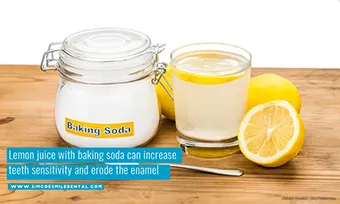
Baking soda, or sodium bicarbonate, offers a different approach to teeth whitening. It acts as a mild abrasive, helping to scrub away surface stains. Its slightly alkaline nature can also neutralize acids in the mouth, which could help to reduce the damage caused by the lemon’s acidity. Baking soda’s effectiveness as a cleaner is recognized in various dental products, including some toothpastes. Its abrasive properties can assist in removing plaque and debris, contributing to a cleaner feeling in the mouth. However, like lemon, excessive use of baking soda can also lead to enamel erosion and increased tooth sensitivity. The key is to use it judiciously and with the right balance.
Potential Risks and Side Effects
The combination of lemon and baking soda for teeth whitening presents several potential risks. The most significant is the risk of enamel erosion due to the high acidity of lemon and the abrasiveness of baking soda. Enamel erosion can lead to increased tooth sensitivity, making teeth more susceptible to hot, cold, and sweet foods and drinks. Over time, it can also increase the risk of cavities and other dental problems. Prolonged use of this mixture can also irritate the gums, leading to inflammation and sensitivity. It is crucial to be aware of these risks and use the mixture sparingly and cautiously.
Step-by-Step Guide How to Make and Use the Mixture
Ingredients You’ll Need

Gathering the right ingredients is the first step. You will need fresh lemon and baking soda. Ensure you use a fresh lemon, squeezing out the juice just before use. The quality of your baking soda also matters; use a reputable brand to ensure purity. Additionally, you’ll need a small bowl for mixing, a soft-bristled toothbrush, and water. These simple tools are essential for preparing and applying the mixture effectively. Having everything ready before you start will make the process smoother and more manageable.
Mixing the Lemon and Baking Soda
The mixing process requires precision. In the small bowl, add a small amount of baking soda, about a teaspoon. Then, add freshly squeezed lemon juice. The mixture should fizz slightly. The consistency should be a thick paste. If the mixture is too runny, add a little more baking soda; if it’s too thick, add a few more drops of lemon juice. This paste is what you will use to whiten your teeth. Be careful not to make too much; you only need enough for one application. The freshness of the mixture is vital for its effectiveness.
Application Technique
Apply the paste to your toothbrush, making sure to coat the bristles evenly. Gently brush your teeth, focusing on the stained areas. Avoid applying too much pressure to prevent enamel damage. The brushing time should be brief, around one to two minutes at most. After brushing, rinse your mouth thoroughly with water to remove all traces of the mixture. It’s also advisable to brush your teeth with regular toothpaste afterward to help re-mineralize the enamel and remove any residual acidity.
Frequency and Duration

Due to the potential risks, the frequency of using lemon and baking soda for teeth whitening should be strictly limited. It’s generally recommended to use this method no more than once or twice a week, and some experts advise against it altogether. The duration of each application should also be short, no more than two minutes. Overuse can quickly lead to enamel erosion and other dental problems. It’s better to err on the side of caution and prioritize the long-term health of your teeth. Regular dental check-ups can also help to monitor the condition of your enamel.
Important Precautions to Take
Protecting Your Gums and Enamel
Protecting your gums and enamel is paramount when using lemon and baking soda for teeth whitening. Avoid brushing too aggressively, as this can damage the enamel and irritate the gums. Ensure that the mixture does not come into prolonged contact with your gums. If you experience any sensitivity or irritation, stop using the mixture immediately. After application, thoroughly rinse your mouth with water to remove any residue. Regular dental check-ups are also essential to monitor the health of your teeth and gums.
Recognizing Signs of Overuse

It’s crucial to recognize the signs of overuse. Increased tooth sensitivity to hot or cold foods and drinks is a common sign. Other symptoms include gum irritation, redness, or bleeding. If you experience any of these symptoms, you should stop using the lemon and baking soda mixture immediately. Continued use despite these signs can lead to more severe dental problems. Consult a dentist if symptoms persist to assess and address any damage that may have occurred.
Alternatives to Lemon and Baking Soda
Other Natural Teeth Whitening Options
If you are looking for natural teeth whitening options that are gentler on your enamel, several alternatives may be worth exploring. Oil pulling with coconut oil is a traditional practice that some people believe can help remove bacteria and whiten teeth. Activated charcoal is another option; it can help to absorb stains from the teeth. However, like baking soda, activated charcoal can also be abrasive, so it should be used with caution. Another option is to use hydrogen peroxide, but in a very diluted form. Always research and consult with a dentist before trying any new teeth whitening methods to ensure safety and efficacy.
Professional Teeth Whitening Treatments

For those seeking more effective and safer teeth whitening options, professional treatments offered by a dentist are the best choice. Professional teeth whitening typically involves using high-concentration hydrogen peroxide gels, which are applied under careful supervision to minimize the risk of enamel damage and gum irritation. There are also in-office treatments and take-home kits available. A dentist can assess your teeth and recommend the most appropriate treatment for your individual needs, ensuring both effectiveness and safety. Professional treatments are generally more predictable and offer better results than DIY methods.
In conclusion, while the allure of lemon and baking soda for teeth whitening is understandable, the potential risks to enamel health outweigh the benefits. It’s essential to approach this method with caution and awareness. If you’re looking for effective and safe teeth whitening, consult a dentist. They can provide professional treatments and guidance, ensuring you achieve a brighter smile while maintaining the health of your teeth.