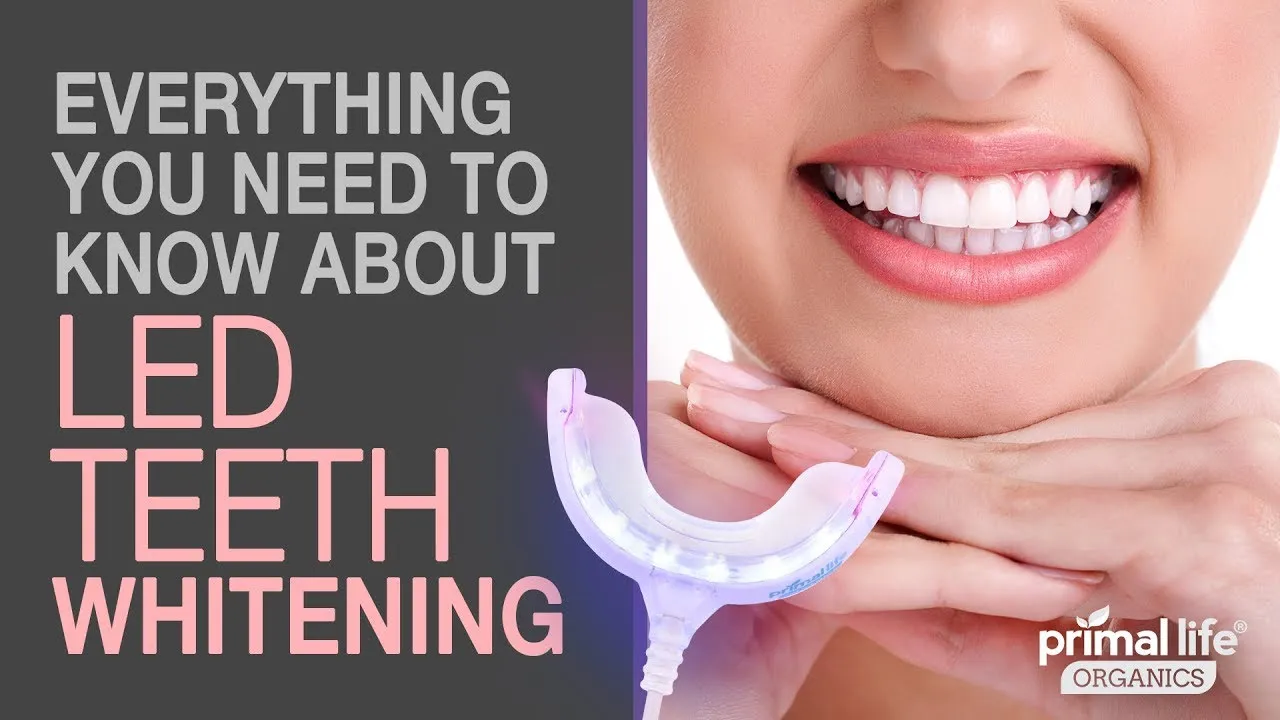
What are LED Light & Whitening Strips?
Achieving a brighter, whiter smile has become a popular goal, leading to the development of various teeth whitening methods. Among the most convenient and accessible options are whitening strips, often combined with LED light technology. Whitening strips are thin, flexible strips coated with a whitening agent, typically hydrogen peroxide or carbamide peroxide. These strips are applied directly to the teeth, adhering to the surface and delivering the active ingredient. LED (Light-Emitting Diode) light, on the other hand, is a type of blue light that is often used in conjunction with these strips to enhance the whitening process. The combination is designed to accelerate the bleaching process and provide quicker results.
The Science Behind LED Light and Whitening
The effectiveness of LED light in teeth whitening stems from its interaction with the whitening agent in the strips. The blue light emitted by the LED device interacts with the peroxide, which is the active ingredient in most whitening strips. This interaction accelerates the breakdown of the peroxide, releasing oxygen molecules. These oxygen molecules then penetrate the enamel and dentin layers of the teeth, breaking down the stain-causing molecules. The light helps to catalyze the chemical reaction, speeding up the whitening process and often leading to more noticeable results in a shorter period. The specific wavelengths of blue light are chosen because they are highly effective at activating the whitening agents.
Benefits of LED Light & Whitening Strips

The combination of LED light and whitening strips offers several advantages over using strips alone. These benefits contribute to their popularity and effectiveness in achieving a brighter smile. This includes faster results, enhanced stain removal, improved overall whitening, and potential for longer lasting results.
Faster and More Effective Whitening
One of the primary benefits is the accelerated whitening process. The LED light speeds up the chemical reaction of the whitening agent, leading to quicker results. Users often report seeing visible improvements in the shade of their teeth within a few days of using the combined system. This rapid action is particularly appealing to those looking for a fast and effective solution for teeth discoloration.
Enhanced Stain Removal
LED light is also effective at removing a broader range of stains. The enhanced activation of the whitening agent allows it to penetrate deeper into the enamel, targeting both surface stains and deeper discoloration. This increased penetration can lead to more comprehensive stain removal, resulting in a more uniformly white appearance.
Improved Whitening Results

By combining the power of whitening strips with the activation provided by LED light, users often experience a more significant improvement in the overall whiteness of their teeth. This combination can achieve a more dramatic transformation compared to using strips alone. This makes it a favored choice for people looking for a noticeably brighter smile.
Reduced Treatment Time
The use of LED light can significantly reduce the time required to achieve desired whitening results. Instead of weeks, visible improvements can often be seen within days. This is highly appealing for individuals with busy schedules. This can result in a more convenient and time-efficient teeth whitening process, without compromising on effectiveness.
Longer-Lasting Results
The enhanced penetration of the whitening agent, facilitated by the LED light, can lead to results that last longer. By removing deeper stains and achieving a more thorough whitening, the treatment may provide a more durable effect. This means the brighter smile achieved with LED light and whitening strips can be maintained for a longer period, requiring fewer touch-up treatments.
How to Use LED Light with Whitening Strips

Using LED light with whitening strips typically involves a few simple steps, but following the instructions carefully is crucial for achieving the best results and minimizing potential risks. Start by reading and adhering to the manufacturer’s guidelines for both the strips and the LED device. This ensures proper use and helps avoid any potential complications. It is essential to understand the specific application procedure outlined by each product.
Choosing the Right LED Light
When choosing an LED light device, consider the light spectrum, the power source, and ease of use. Look for devices specifically designed for teeth whitening, as these are optimized for the correct light wavelengths. Many LED devices are available online and in dental care stores, making it easy to find a suitable option. Read reviews and check for certifications to ensure the product is safe and effective. Consider a device that is comfortable to use and fits easily in your mouth. It’s best practice to make sure the LED device is compatible with the whitening strips you are using to ensure the treatment’s effectiveness and to avoid any potential issues.
Proper Application of Whitening Strips
Before applying the whitening strips, brush your teeth gently to remove any surface debris, but avoid brushing immediately before use. This can lead to temporary sensitivity. Apply the strips according to the instructions, ensuring they are properly placed on the teeth, covering the front surfaces. Make sure the strips adhere well to the teeth to ensure the whitening agent makes full contact. Avoid touching the strips with your fingers to prevent contamination. Once the strips are in place, it’s time to use the LED light device.
Using the LED Light Device

After applying the whitening strips, insert the LED light device into your mouth, ensuring it is positioned correctly to shine on the strips. Turn on the LED light and follow the recommended treatment time. Most devices have a built-in timer. While the light is on, try to keep your mouth open slightly to allow the light to reach all the teeth surfaces. Once the treatment is complete, remove the LED light and the whitening strips. Rinse your mouth with water to remove any residual gel.
Aftercare and Maintenance
Following the treatment, proper aftercare is crucial to maintain your newly whitened smile and prevent potential complications. Avoiding foods and drinks that can stain teeth is important. This includes coffee, tea, red wine, and deeply colored fruits. After each meal, rinsing your mouth with water or brushing your teeth can help remove stain-causing particles. Regular dental check-ups and cleanings are also essential for maintaining optimal oral health and the longevity of your whitening results. Your dentist can provide professional advice tailored to your specific needs and help you maintain a bright, healthy smile.
Potential Side Effects and Precautions
While LED light and whitening strips are generally safe, some potential side effects and precautions should be considered. It’s essential to be aware of these factors to minimize risks and ensure a positive experience.
Sensitivity and Discomfort

Tooth sensitivity is a common side effect of teeth whitening. The whitening agents can temporarily make the teeth more sensitive to temperature changes. This discomfort usually subsides within a few days after the treatment. Using toothpaste designed for sensitive teeth can help reduce sensitivity. Avoid consuming very hot or cold foods and drinks immediately after the treatment. If sensitivity persists or becomes severe, consult your dentist.
Enamel Damage
Overuse of whitening products can potentially damage the enamel, the protective outer layer of the teeth. This can make your teeth more susceptible to decay and sensitivity. Following the manufacturer’s instructions and not exceeding the recommended treatment duration is important. If you experience any changes in the texture or appearance of your teeth, consult with a dental professional immediately. Regular dental checkups can help monitor your oral health and identify any potential issues early.
Alternatives to LED Light and Whitening Strips
While LED light and whitening strips are popular, other teeth whitening options are available. These alternatives may be more suitable for some individuals. Understanding these options allows you to choose the best method for achieving your desired results, considering factors such as cost, convenience, and potential side effects.
Professional Teeth Whitening

Professional teeth whitening is performed by a dentist and typically involves a higher concentration of whitening agents. The dentist can customize the treatment to your specific needs, ensuring safe and effective results. Professional treatments are generally more powerful and provide faster and more dramatic results than at-home methods. In-office whitening also includes the benefit of expert monitoring, minimizing the risk of enamel damage or other complications. While professional whitening may be more expensive, it’s often considered the most effective option for significant teeth discoloration.
Other Home Whitening Methods
Besides strips, other home whitening methods exist. Whitening toothpastes contain mild abrasives and whitening agents to remove surface stains. Whitening gels, applied with a custom-fitted tray, are also available. These methods are generally less potent than strips or professional treatments but can still provide some improvement over time. These are often a more budget-friendly approach. For people seeking gradual whitening, these are suitable options. Consistency in use is crucial to achieving noticeable results with home methods.
Conclusion
Combining LED light with whitening strips is a powerful approach for achieving a brighter, more confident smile. This combination offers numerous benefits, including faster, more effective whitening, enhanced stain removal, and longer-lasting results. By understanding the science behind the process and following the proper usage guidelines, individuals can safely and effectively use this method. While it’s generally safe, it’s important to be aware of potential side effects and precautions and to consider alternatives like professional whitening if needed. Always consult with a dental professional for personalized advice and to ensure this treatment is suitable for your oral health needs.