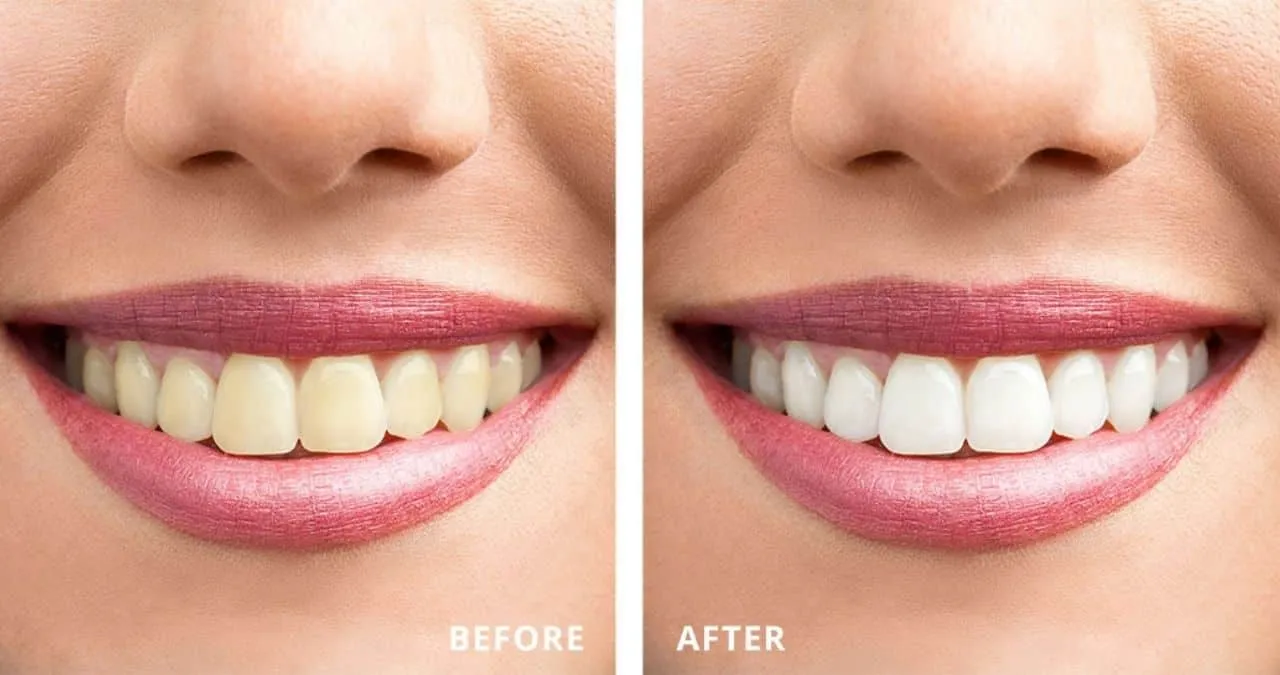
Laser Teeth Whitening vs Bleaching Top 5 Differences
Choosing between laser teeth whitening and bleaching can be a pivotal decision in your journey towards a brighter, more confident smile. Both treatments aim to lighten the shade of your teeth, but they achieve this through different methods, with varying costs, treatment times, effectiveness levels, and potential side effects like sensitivity. This comprehensive comparison delves into the top 5 key differences to help you make an informed choice. Understanding these nuances will empower you to select the teeth whitening method that best aligns with your needs, budget, and desired outcome. Whether you’re looking for a quick fix or a long-term solution, knowing the pros and cons of each procedure is essential before consulting your dentist.
Cost Comparison
One of the primary factors influencing your decision is the cost. The price of teeth whitening can fluctuate significantly based on the method chosen, the geographic location of the dental practice, and the expertise of the dentist. Generally, laser teeth whitening tends to be more expensive than traditional bleaching. This is due to the advanced technology involved, the specialized equipment required, and the increased time investment for the dentist. While bleaching might be considered a more budget-friendly option, it’s crucial to factor in potential repeat treatments or maintenance costs to achieve and sustain the desired level of whiteness. Always discuss the full cost breakdown with your dentist to avoid any financial surprises.
Bleaching Cost

Bleaching, often involving custom-fitted trays and professional-grade whitening gels, typically costs less than laser treatments. The initial investment might seem lower, but it’s important to consider that multiple applications or touch-up sessions might be needed to reach the desired shade of white. Over-the-counter whitening products are even cheaper but may not provide the same level of effectiveness or evenness as professional bleaching. The long-term cost depends on your teeth’s response to the treatment and your commitment to maintenance.
Laser Teeth Whitening Cost
Laser teeth whitening, also known as in-office whitening, is usually the most expensive option. The higher cost reflects the use of a specialized laser to accelerate the whitening process. This method offers quicker results, often achieved in a single dental visit. The expense covers the dentist’s time, the use of advanced equipment, and the higher-concentration whitening agents. While the initial investment is larger, many patients find the immediate and dramatic results worth the price.
Treatment Time
Treatment time varies significantly between laser teeth whitening and bleaching. If you need to whiten your teeth quickly, this factor is vital. Some people have busy schedules, and they prefer a quick solution. Laser teeth whitening offers immediate results, making it a good choice for those seeking a fast transformation. In contrast, bleaching typically requires several days or weeks to achieve the desired effect, depending on the method and the individual’s response to the treatment.
Bleaching Treatment Time

Bleaching treatment time can vary, but generally, it requires more time to achieve visible results. Home bleaching kits require the patient to wear custom trays with a whitening gel for a certain amount of time each day, typically for a few weeks. In-office bleaching, where a dentist supervises the process, may take one or more sessions to reach the desired shade of white. Patience is a virtue with bleaching, but the gradual approach can be gentler on the teeth.
Laser Teeth Whitening Treatment Time
Laser teeth whitening is known for its efficiency. The entire procedure is typically completed within a single dental appointment, usually lasting about an hour or two. The dentist applies a high-concentration whitening gel to the teeth and then uses a laser to activate the bleaching agent, accelerating the whitening process. This method provides instant results, making it an ideal choice for people who want a quick smile makeover before a special event.
Effectiveness
The effectiveness of teeth whitening depends on the individual’s teeth and the type of stains present. Both laser whitening and bleaching are effective, but laser whitening can often deliver more dramatic results in a shorter time. However, the longevity of the results depends on your lifestyle, diet, and oral hygiene habits. Regular touch-ups and good dental care are necessary to maintain a bright smile regardless of the initial method used.
Bleaching Effectiveness

Bleaching is highly effective for removing surface stains and lightening the overall shade of the teeth. The effectiveness of bleaching depends on the concentration of the whitening agent and the duration of the treatment. Professional bleaching treatments, administered by a dentist, generally yield better results than over-the-counter products. Bleaching is particularly effective for stains caused by coffee, tea, and aging, as well as for general discoloration.
Laser Teeth Whitening Effectiveness
Laser teeth whitening is often considered the most effective method for achieving the whitest possible smile in the shortest amount of time. The laser enhances the bleaching process by activating the whitening agent more rapidly and deeply. It can effectively treat both surface stains and deeper discoloration, making it a powerful option for those looking for a significant improvement in their smile’s appearance. The results can be remarkable, sometimes lightening the teeth by several shades in a single session.
Sensitivity
Teeth sensitivity is a common side effect of both laser teeth whitening and bleaching, although it is usually temporary. The intensity of sensitivity varies depending on the individual’s tooth sensitivity and the strength of the whitening agent. Careful consideration of potential sensitivity is essential, especially for people with existing tooth sensitivity or enamel problems. Your dentist can help you manage sensitivity during and after the treatment.
Bleaching Sensitivity

Bleaching can cause temporary tooth sensitivity in some individuals. The whitening agent can penetrate the enamel and reach the dentin, causing sensitivity. Dentists usually recommend using a desensitizing toothpaste before, during, and after the bleaching treatment to minimize discomfort. Sensitivity typically subsides a few days or weeks after the treatment is complete.
Laser Teeth Whitening Sensitivity
Laser teeth whitening can also cause tooth sensitivity, and it may be more intense compared to bleaching. The concentrated whitening agent and the use of a laser can increase sensitivity. However, the dentist can take steps to mitigate this by using desensitizing agents and controlling the duration of the treatment. Most people experience only temporary sensitivity that disappears within a few days. It is important to let your dentist know if you have sensitivity.
Maintenance
Maintaining the results of teeth whitening, whether achieved through laser treatment or bleaching, requires consistent effort. Avoiding stain-causing foods and drinks, practicing good oral hygiene, and scheduling regular dental checkups are all essential for a long-lasting bright smile. Periodic touch-up treatments may be necessary to maintain the desired level of whiteness. The longevity of the results depends on your lifestyle and adherence to post-whitening care recommendations.
Bleaching Maintenance

After bleaching, it’s important to maintain your results through diligent oral hygiene. Regular brushing, flossing, and the use of an anti-staining mouthwash can help keep your teeth bright. Avoiding or limiting the consumption of stain-causing substances such as coffee, tea, red wine, and tobacco is also crucial. Your dentist may recommend occasional touch-up treatments, using home bleaching kits to maintain your smile.
Laser Teeth Whitening Maintenance
Following laser teeth whitening, the maintenance strategies are similar to those for bleaching. Proper oral hygiene, including regular brushing, flossing, and dental checkups, is key to preserving your bright smile. Because laser whitening provides a more dramatic initial result, some patients find it easier to maintain their results with vigilant care. Touch-up treatments may be needed less frequently compared to those who opted for bleaching. Regular visits to your dentist are essential to ensuring the health and longevity of your newly whitened teeth.