The Science Behind Laser Teeth Whitening
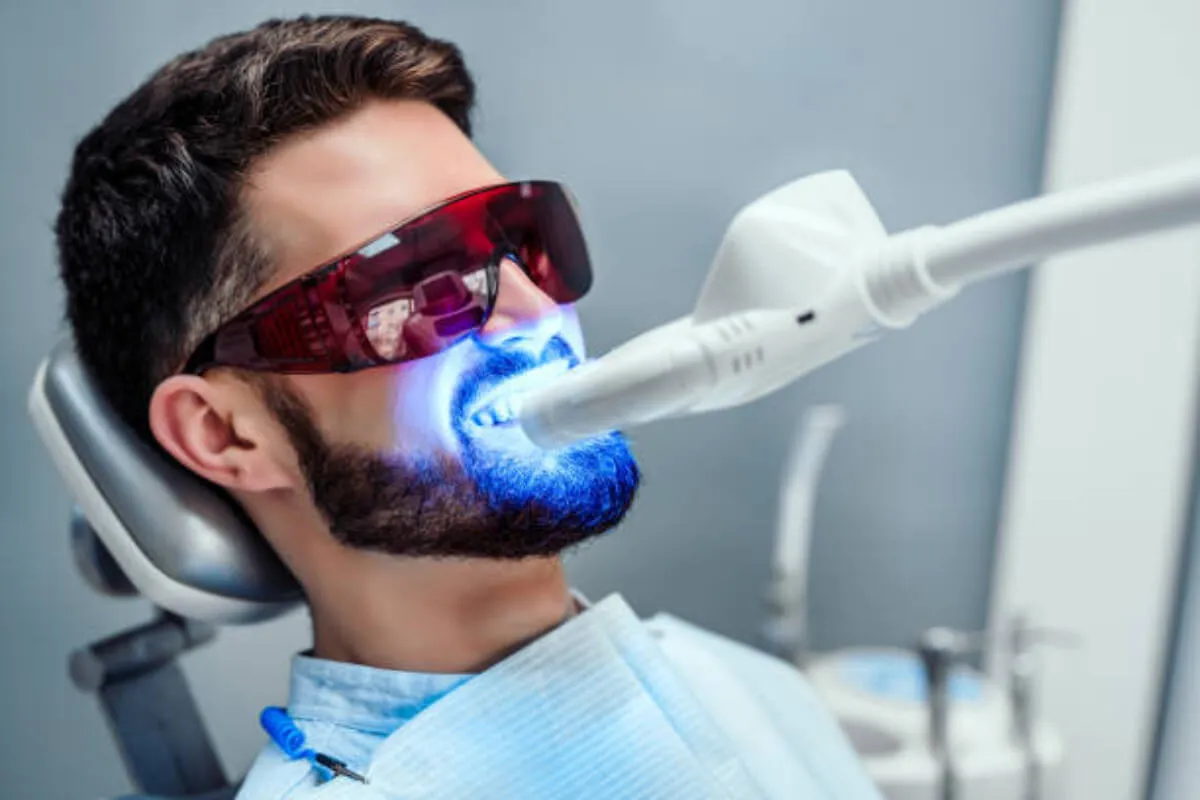
Laser teeth whitening, also known as in-office teeth whitening, has gained immense popularity as a quick and effective method for achieving a brighter smile. But, what exactly happens during this procedure, and how does it work? The process involves applying a bleaching agent, typically a high-concentration hydrogen peroxide solution, to the surface of the teeth. This is where the laser comes in — it’s not directly whitening the teeth. Instead, the laser, often a low-intensity laser, acts as a catalyst, accelerating the chemical reaction of the bleaching agent. The laser’s heat helps to break down the stains and discoloration that have accumulated on the enamel over time, leading to a noticeably whiter smile. It is important to understand the underlying science and the role each component plays in the process to appreciate the effectiveness of this technique and to understand the importance of safety measures.
How Laser Whitening Works
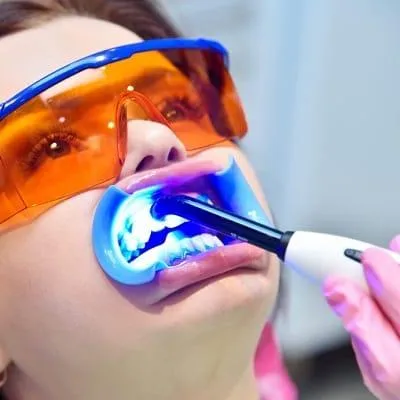
The basic steps in laser teeth whitening usually begin with the dentist isolating the teeth, often using cheek retractors and a protective barrier to shield the gums and soft tissues from the bleaching agent. The high-concentration hydrogen peroxide solution is carefully applied to the enamel. Once the bleaching agent is in place, the laser light is directed at the teeth. The laser’s energy excites the peroxide molecules, causing them to penetrate the enamel and dentin, breaking down the stain molecules that cause discoloration. The entire process is often completed within an hour, making it a convenient option for those seeking immediate results. The number of sessions and the duration of each session depend on the extent of the discoloration and the desired level of whiteness.
The Role of Hydrogen Peroxide

Hydrogen peroxide is the primary active ingredient in most teeth whitening treatments, including laser whitening. Its primary function is to oxidize the stain molecules within the enamel, effectively breaking them down and making them less visible. The concentration of hydrogen peroxide used in professional laser teeth whitening is significantly higher than that used in at-home whitening kits. This high concentration allows for faster and more dramatic results, but it also increases the potential for sensitivity and other side effects if not handled properly. The laser light assists in accelerating this process, but it’s the hydrogen peroxide that does the heavy lifting in terms of the whitening action. Proper application and careful monitoring by a dental professional are essential to ensure both safety and effectiveness.
Fact 1 Immediate Side Effects
While laser teeth whitening can provide impressive results, it’s important to be aware of the potential for immediate side effects. The most common of these is tooth sensitivity. This can range from mild discomfort to sharp, shooting pains when exposed to hot or cold temperatures. This sensitivity is typically temporary, subsiding within a few days or weeks after the procedure. Another common side effect is gum irritation. The bleaching agent can sometimes come into contact with the gums, causing them to become inflamed or sore. This irritation is usually mild and resolves quickly, but it’s a reminder of the importance of proper isolation techniques during the procedure. Being informed about these temporary effects can help patients manage their expectations and address any concerns they may have after the treatment.
Tooth Sensitivity
Tooth sensitivity is a prevalent side effect of laser teeth whitening. The high concentration of hydrogen peroxide can penetrate the enamel and reach the dentin, which contains tiny tubules that lead to the nerve of the tooth. This can result in heightened sensitivity, particularly to temperature changes. Dentists often recommend using desensitizing toothpaste for a few weeks before and after the procedure to help minimize this discomfort. Patients may also be advised to avoid extremely hot or cold foods and drinks during this period. The sensitivity is temporary for most, but the duration and severity can vary depending on the individual’s tooth structure, existing sensitivity levels, and the concentration of the bleaching agent.
Gum Irritation
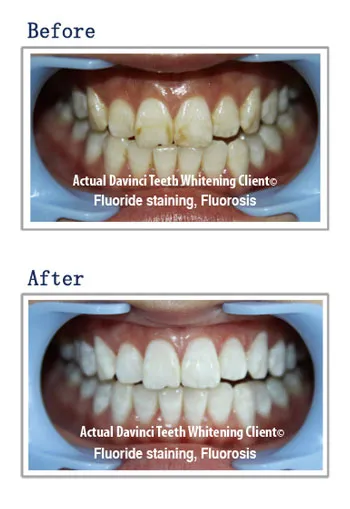
Gum irritation is another potential side effect of laser teeth whitening. It typically occurs when the bleaching agent comes into contact with the soft tissues of the mouth. Dentists take precautions to protect the gums, but some minor irritation can still occur. This irritation might manifest as redness, swelling, or soreness. Usually, the irritation is mild and resolves within a few days. Maintaining good oral hygiene, including gentle brushing and flossing, can help soothe irritated gums. In rare cases, if the irritation is severe or prolonged, patients should consult their dentist to ensure there are no complications and to receive appropriate care. Proper isolation techniques and the skill of the dentist are crucial in minimizing the risk of gum irritation.
Fact 2 Potential Risks
Beyond the immediate side effects, laser teeth whitening also carries some potential risks that patients should be aware of. While generally considered safe when performed by a qualified dental professional, the procedure isn’t without its potential downsides. Understanding these risks helps patients make informed decisions and weigh the benefits against the potential drawbacks. Seeking a dentist with experience in laser teeth whitening and discussing any pre-existing conditions or concerns beforehand is essential to minimize these risks and ensure a safe and successful treatment. The dentist can tailor the procedure to meet the patient’s specific needs and minimize the potential for adverse outcomes.
Enamel Damage
While rare, there is a risk of enamel damage with laser teeth whitening, particularly if the procedure is not performed correctly or if the bleaching agent is too strong. Overuse or improper application of the bleaching agent can weaken the enamel, making the teeth more susceptible to staining and decay. This is why it’s essential to have the procedure performed by a trained dental professional who can carefully monitor the process and adjust the treatment as needed. In some cases, enamel erosion can lead to increased tooth sensitivity. Careful evaluation of the patient’s oral health and the use of appropriate protective measures can help mitigate the risk of damage. Dentists can also recommend strengthening treatments, such as fluoride applications, to help remineralize and protect the enamel after whitening.
Allergic Reactions

Although uncommon, allergic reactions to the bleaching agents or other components used in laser teeth whitening are possible. These reactions can range from mild skin irritation to more severe symptoms, such as swelling or difficulty breathing. Patients with known allergies, especially to peroxide-based products, should inform their dentist before undergoing the procedure. Dentists can take steps to minimize the risk of allergic reactions, such as using hypoallergenic products or performing a patch test. It is important for patients to be aware of the potential symptoms of an allergic reaction and to seek immediate medical attention if they experience any adverse effects after the treatment. The dental professional will have protocols in place to address any allergic reactions that may occur during the procedure.
Fact 3 Is Laser Whitening Safe for Everyone
Laser teeth whitening isn’t a one-size-fits-all solution, and it may not be suitable for everyone. Certain individuals should avoid the procedure due to potential risks or complications. Consulting with a dentist is the best way to determine if laser whitening is safe and appropriate for your specific oral health condition and needs. The dentist will assess your teeth and gums, discuss your medical history, and advise you on the best course of action. This personalized approach ensures that you receive the most appropriate and safe treatment for achieving a brighter smile. The dentist can also recommend alternative teeth whitening methods if laser whitening is not suitable for you.
Who Should Avoid Laser Whitening
Certain individuals may not be ideal candidates for laser teeth whitening. Pregnant or breastfeeding women are often advised to postpone the procedure due to the lack of research on the effects of the bleaching agents on the developing fetus or infant. People with sensitive teeth, gum disease, or other existing oral health problems may also be advised to avoid the treatment until these issues are addressed. Those with dental restorations, such as fillings, crowns, or veneers, should be aware that the whitening process will only affect the natural teeth and not the restorations, which can lead to uneven results. The dentist will assess each patient’s unique situation and advise them on whether laser whitening is a safe and suitable option.
Consulting with a Dentist

Before undergoing laser teeth whitening, consulting with a dentist is essential. The dentist will conduct a thorough examination of your teeth and gums to assess your oral health and determine if you are a good candidate for the procedure. They will also discuss your expectations, explain the potential risks and benefits, and provide personalized recommendations. This consultation allows you to ask questions, address any concerns, and make an informed decision. It is an important step in ensuring the safety and effectiveness of the treatment. The dentist can also provide you with pre- and post-treatment instructions to minimize any side effects and maintain your results.
Fact 4 Long-Term Effects
The long-term effects of laser teeth whitening are an essential consideration for anyone considering the procedure. While the immediate results can be impressive, it’s crucial to understand how to maintain the whitening effect and what impact the treatment might have on your overall oral health over time. Following proper oral hygiene practices and adhering to the dentist’s recommendations are key to ensuring a long-lasting, bright smile. Understanding these aspects of the long-term effects helps patients make informed decisions and achieve the best possible outcomes. Regular dental checkups and professional cleanings are also essential for maintaining the health and appearance of your teeth.
Maintaining Results
Maintaining the results of laser teeth whitening requires consistent care and attention. The effects of the treatment are not permanent, and the teeth can gradually revert to their original color due to staining from food, drinks, and lifestyle habits. To prolong the whitening effect, it’s important to avoid or limit the consumption of staining substances, such as coffee, tea, red wine, and tobacco products. Maintaining good oral hygiene practices, including brushing twice a day, flossing daily, and using a whitening toothpaste, can also help. Your dentist may recommend at-home touch-up treatments using whitening trays or strips to help maintain the desired level of whiteness.
Impact on Overall Oral Health
Laser teeth whitening, when performed correctly, is generally considered safe for overall oral health. However, it’s important to maintain good oral hygiene practices to ensure that your teeth remain healthy and strong. Regular dental checkups and cleanings are crucial for monitoring your oral health and addressing any potential issues. Excessive whitening or improper use of whitening products can potentially weaken the enamel and increase the risk of tooth sensitivity or decay. Following the dentist’s instructions and taking care of your teeth will help maintain your bright smile and overall oral health. In rare cases, there can be an impact, so it is important to inform your dentist if you experience any changes in your oral health.
Fact 5 Alternative Whitening Methods
If laser teeth whitening isn’t the right option for you, or if you prefer to explore alternative methods, there are several other teeth whitening treatments available. These alternatives range from professional treatments to at-home options, each with its own set of advantages and disadvantages. Consulting with your dentist can help you determine which method is best suited for your specific needs and oral health condition. Evaluating the pros and cons of each method ensures that you choose the most effective and safe option for achieving a brighter smile. The dentist can guide you through the various options and offer recommendations based on your individual circumstances.
Professional Whitening Options
Besides laser teeth whitening, dentists offer a range of other professional whitening options. These can include custom-fitted whitening trays that you use at home, under the guidance of your dentist. These trays are designed to hold a professional-strength bleaching agent, allowing you to whiten your teeth gradually over a period of time. Another option is in-office whitening procedures that utilize stronger bleaching agents than at-home kits, although without the use of a laser. These treatments are performed by dental professionals and offer a more controlled environment. These methods provide effective results and are usually safer than over-the-counter options. The dentist will assess your needs and recommend the most suitable professional whitening option.
At-Home Whitening Kits

For those who prefer a more convenient and affordable option, at-home whitening kits are readily available. These kits typically include whitening strips, trays, or toothpastes that contain a lower concentration of bleaching agents compared to professional treatments. While they may not deliver the same dramatic results as laser whitening, they can still effectively lighten the teeth over time. It’s essential to follow the instructions carefully and consult with your dentist before using any at-home whitening kit. The dentist can assess your teeth and recommend the most suitable product and usage guidelines. Overuse or misuse of at-home whitening products can lead to tooth sensitivity, gum irritation, or uneven whitening results.