What is Laser Teeth Whitening (and How Does It Work?)
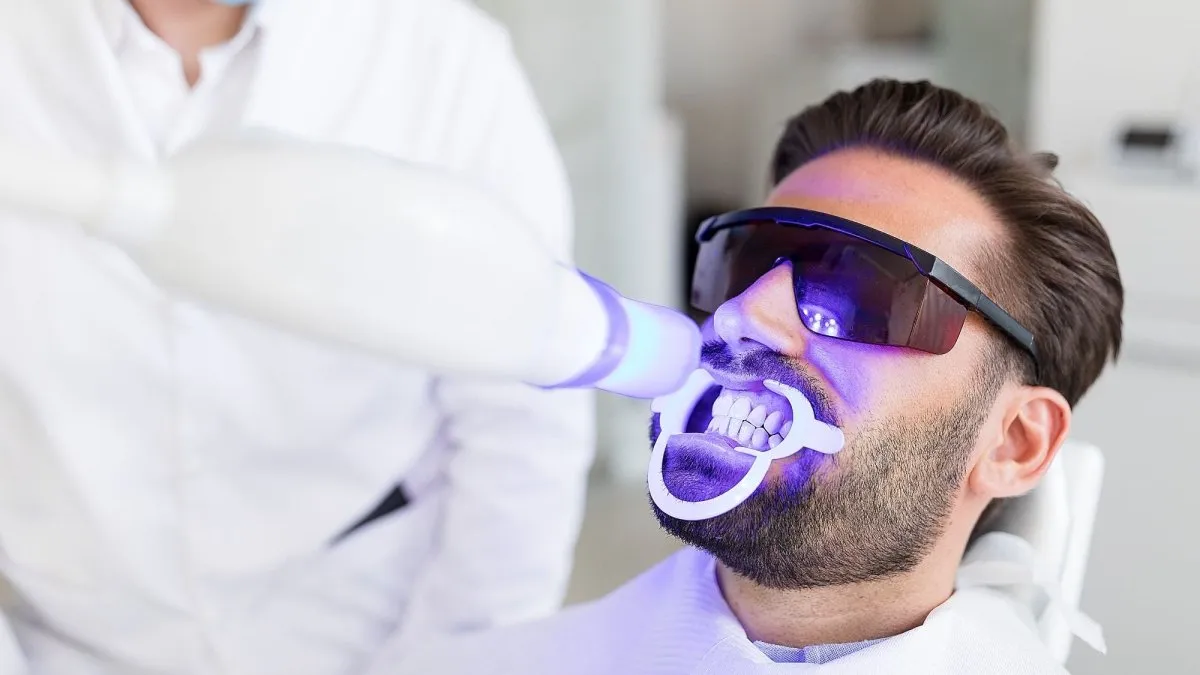
Laser teeth whitening, often referred to as in-office teeth whitening, is a cosmetic dental procedure designed to brighten and lighten the shade of your teeth. Unlike over-the-counter whitening products, this method uses a high-intensity laser light to accelerate the bleaching process, leading to dramatically faster and more effective results. The procedure typically involves applying a powerful bleaching agent, usually hydrogen peroxide, to the surface of the teeth. This bleaching agent then breaks down the stains and discoloration accumulated over time from foods, drinks, and habits like smoking. The laser light, specifically chosen for its wavelength, is then directed onto the teeth, activating the bleaching agent and speeding up the whitening process. This procedure is usually completed in a single visit, making it a convenient option for those seeking immediate improvements to their smile.
The Science Behind Laser Teeth Whitening
The science behind laser teeth whitening is rooted in photochemistry. The bleaching agent, typically a concentrated hydrogen peroxide gel, contains molecules that, when exposed to a specific wavelength of light (the laser), undergo a chemical reaction. This reaction breaks down the stain molecules that cause discoloration on the enamel and dentin of the teeth. The laser light, in essence, acts as a catalyst, accelerating this process. The heat generated by the laser further aids in the penetration of the bleaching agent, allowing it to reach and break down deeper stains within the tooth structure. The intensity and precise control of the laser light are crucial, ensuring that the procedure is effective while minimizing any potential damage to the surrounding soft tissues or tooth enamel. The effectiveness of the laser also depends on the concentration of the bleaching agent and the duration of the treatment.
Fact 1 Laser Teeth Whitening Offers Instant Results

One of the most appealing aspects of laser teeth whitening is the immediate improvement it offers. Unlike at-home whitening kits, which require weeks of consistent use to see noticeable changes, laser teeth whitening delivers visible results in a single session. Patients often experience a transformation of several shades lighter in a matter of an hour or two. This immediate effect is especially beneficial for individuals preparing for special events, such as weddings, job interviews, or social gatherings, where a bright smile is desired. The rapid whitening process can boost confidence and provide an instant aesthetic enhancement. The convenience of achieving such dramatic results in a single appointment makes laser teeth whitening a popular choice for those seeking rapid and effective teeth whitening solutions.
How Laser Teeth Whitening Works
The procedure for laser teeth whitening is typically straightforward. First, the dentist or dental hygienist will thoroughly clean the teeth to remove any surface debris or plaque. Protective measures are then taken to shield the gums and lips, often involving the application of a rubber dam or a protective gel. A bleaching agent, usually a high-concentration hydrogen peroxide gel, is then applied to the surface of the teeth. The dentist then directs the laser light onto the teeth, activating the bleaching agent. The laser light speeds up the chemical reaction, breaking down the stain molecules. The process is often repeated several times during the session, each time enhancing the whitening effect. After the treatment, the teeth are rinsed, and the protective measures are removed, leaving the patient with a significantly brighter smile.
Fact 2 Laser Teeth Whitening Minimizes Sensitivity
Contrary to common misconceptions, laser teeth whitening, when performed by a trained professional, can often minimize tooth sensitivity. Advanced laser technology allows for precise control over the heat generated during the procedure, reducing the risk of tooth sensitivity that can sometimes be associated with other whitening methods. The application of a desensitizing agent before or after the whitening process can further mitigate any potential discomfort. Additionally, the speed of the procedure means that the teeth are exposed to the bleaching agent for a shorter period. This, combined with careful monitoring by the dentist, helps to protect the teeth from excessive exposure. Patients often report less sensitivity compared to other whitening options, making it a more comfortable experience.
Advantages Over Traditional Whitening Methods

Laser teeth whitening offers several advantages over traditional whitening methods, such as at-home bleaching trays or over-the-counter products. The primary advantage is the speed and effectiveness of the results. Laser whitening delivers dramatic improvements in a single session, while other methods may require weeks of use. Another advantage is the professional supervision. A dentist can monitor the procedure, ensuring it is performed safely and effectively, reducing the risk of complications. Moreover, laser whitening can be tailored to the individual’s needs, and the dentist can adjust the intensity of the treatment. This results in a more customized and often more comfortable experience. Finally, laser whitening provides more predictable and consistent results than over-the-counter products. This is because the concentration of the bleaching agent and the procedure are tightly controlled.
Fact 3 Laser Teeth Whitening Offers Lasting Results
The longevity of laser teeth whitening results varies from person to person, depending on factors such as diet, oral hygiene, and lifestyle habits. However, the effects of laser whitening typically last for several months to a few years. The results tend to last longer than those from at-home whitening treatments. Maintaining good oral hygiene, including regular brushing, flossing, and dental check-ups, is essential for prolonging the whitening effect. Avoiding or limiting the consumption of staining foods and drinks, such as coffee, tea, red wine, and dark-colored berries, can also help to maintain the brightness of your teeth. Periodic touch-up treatments, as recommended by your dentist, can further extend the lifespan of the results, ensuring a consistently radiant smile.
Maintenance and Aftercare Tips
To maintain the results of laser teeth whitening and ensure your smile remains bright for as long as possible, there are several important aftercare tips to follow. First and foremost, maintain excellent oral hygiene by brushing your teeth twice a day and flossing daily. Regular dental check-ups and professional cleanings are also crucial for preventing stains and maintaining overall oral health. Immediately after the procedure, it’s advisable to avoid foods and drinks that can stain teeth, such as coffee, tea, red wine, and dark-colored sodas, for at least 24 to 48 hours. Using a straw when consuming staining beverages can help minimize contact with your teeth. Consider using a whitening toothpaste and mouthwash to help maintain the brightness. Following these tips will help you enjoy your newly whitened smile for a longer time.
Fact 4 Laser Teeth Whitening Is Safe and Effective

When performed by a qualified and experienced dental professional, laser teeth whitening is a safe and highly effective procedure. Dentists are trained to assess the patient’s oral health, identify any potential risks, and customize the treatment to ensure the best outcome. The use of protective measures, such as rubber dams and protective gels, minimizes the risk of gum irritation. The bleaching agents used are approved for dental use and are generally safe when used according to the dentist’s instructions. However, some patients may experience temporary tooth sensitivity or mild gum irritation, but these side effects usually subside within a few days. The effectiveness of the treatment is supported by numerous studies and clinical trials, demonstrating its ability to significantly improve the appearance of teeth and boost patient confidence.
Addressing Potential Side Effects
While laser teeth whitening is generally safe, some patients may experience minor side effects. The most common side effect is tooth sensitivity, which usually subsides within a few days. This can often be managed with over-the-counter pain relievers or desensitizing toothpaste. Gum irritation is another potential side effect, which typically resolves shortly after the procedure. The dentist will take precautions to protect the gums during the treatment. In rare cases, more serious side effects, such as chemical burns, can occur if the procedure is not performed correctly. Choosing a qualified and experienced dentist is crucial to minimize these risks. Before the procedure, the dentist will discuss any potential side effects and provide instructions for managing them, ensuring a comfortable and safe experience.
Fact 5 Laser Teeth Whitening Boosts Confidence
One of the most significant benefits of laser teeth whitening is the boost it provides to a person’s confidence and self-esteem. A bright, white smile can make a person feel more attractive, approachable, and self-assured. Studies have shown that people with whiter teeth are often perceived as more successful, intelligent, and friendly. The immediate and dramatic results of laser teeth whitening can have a profound impact on a person’s self-image, making them more likely to smile and engage in social interactions. This newfound confidence can extend to various aspects of life, from personal relationships to professional endeavors. The psychological benefits of a brighter smile are undeniable, leading to a happier and more fulfilled life.
Additional Considerations

Before undergoing laser teeth whitening, it’s important to consult with a dentist. They will assess your oral health, discuss your expectations, and determine if you are a suitable candidate for the procedure. Individuals with existing dental work, such as fillings, crowns, or veneers, may not see the same results, as the whitening agent will not affect these materials. The dentist will also advise on the best course of treatment and any necessary pre-whitening procedures. Pregnant or breastfeeding women are generally advised to avoid teeth whitening treatments. Understanding the potential benefits, risks, and alternatives is crucial for making an informed decision. The dentist will also provide detailed aftercare instructions to ensure the longevity of the whitening results. Consider all these factors to make sure laser teeth whitening is the right choice for you.