Understanding Intimate Whitening
Intimate whitening, also known as anal or genital bleaching, is a cosmetic procedure aimed at lightening the skin in the intimate areas. This practice has gained popularity as people seek to enhance their appearance and boost their self-confidence. It’s important to approach this topic with an understanding of the underlying factors that contribute to skin discoloration and the various methods available for achieving a lighter skin tone. Many individuals opt for intimate whitening to address concerns about uneven skin tone, hyperpigmentation, or simply for aesthetic preferences. This guide will delve into the intricacies of intimate whitening, offering insights into effective and safe practices.
What is Intimate Whitening
Intimate whitening involves the application of specific treatments to reduce the production of melanin, the pigment responsible for skin color, in sensitive areas such as the groin, inner thighs, and perianal region. This process can involve the use of topical creams, chemical peels, laser treatments, or a combination of methods. The goal is to achieve a more uniform and lighter skin tone, which can be particularly desired by those who experience darkening due to factors like friction, hormonal changes, or genetics. It is important to understand that this is a cosmetic procedure and not medically necessary, so it’s crucial to make informed decisions, understanding both the benefits and potential risks involved.
Common Causes of Hyperpigmentation

Hyperpigmentation, or the darkening of skin, in intimate areas can be caused by a variety of factors. One of the most common causes is friction from clothing or physical activities. Hormonal fluctuations, such as those experienced during pregnancy or due to hormonal birth control, can also trigger increased melanin production. Genetics play a significant role, with some individuals naturally predisposed to darker skin in certain areas. Other contributing factors include inflammation, certain medical conditions, and even the use of harsh soaps or deodorants. Identifying the underlying cause of hyperpigmentation is the first step in developing an effective whitening plan, as different causes may require different approaches.
The Top 5 Secrets for Intimate Whitening
Secret 1 Exfoliation
Exfoliation is a crucial step in any intimate whitening routine, as it helps to remove dead skin cells from the surface, revealing brighter, newer skin underneath. Regular exfoliation can also help to reduce the appearance of dark spots and promote the even distribution of melanin. However, it’s important to use gentle methods and products specifically designed for sensitive skin, as the intimate area is particularly delicate. Over-exfoliating can lead to irritation and inflammation, which can worsen hyperpigmentation. Incorporate this as a foundational element in your skin-lightening regimen.
Exfoliation Methods

Several methods of exfoliation can be employed in intimate whitening. Gentle scrubs containing fine particles, like sugar or jojoba beads, can be used a couple of times a week to manually remove dead skin cells. Chemical exfoliants, such as those containing low concentrations of alpha-hydroxy acids (AHAs) or beta-hydroxy acids (BHAs), can also be effective. These acids help to dissolve the bonds between dead skin cells, promoting cell turnover. However, chemical exfoliants should be used with caution and under the guidance of a professional, as they can be irritating. Regardless of the method chosen, always follow up with a moisturizer to soothe and hydrate the skin.
Secret 2 Whitening Creams
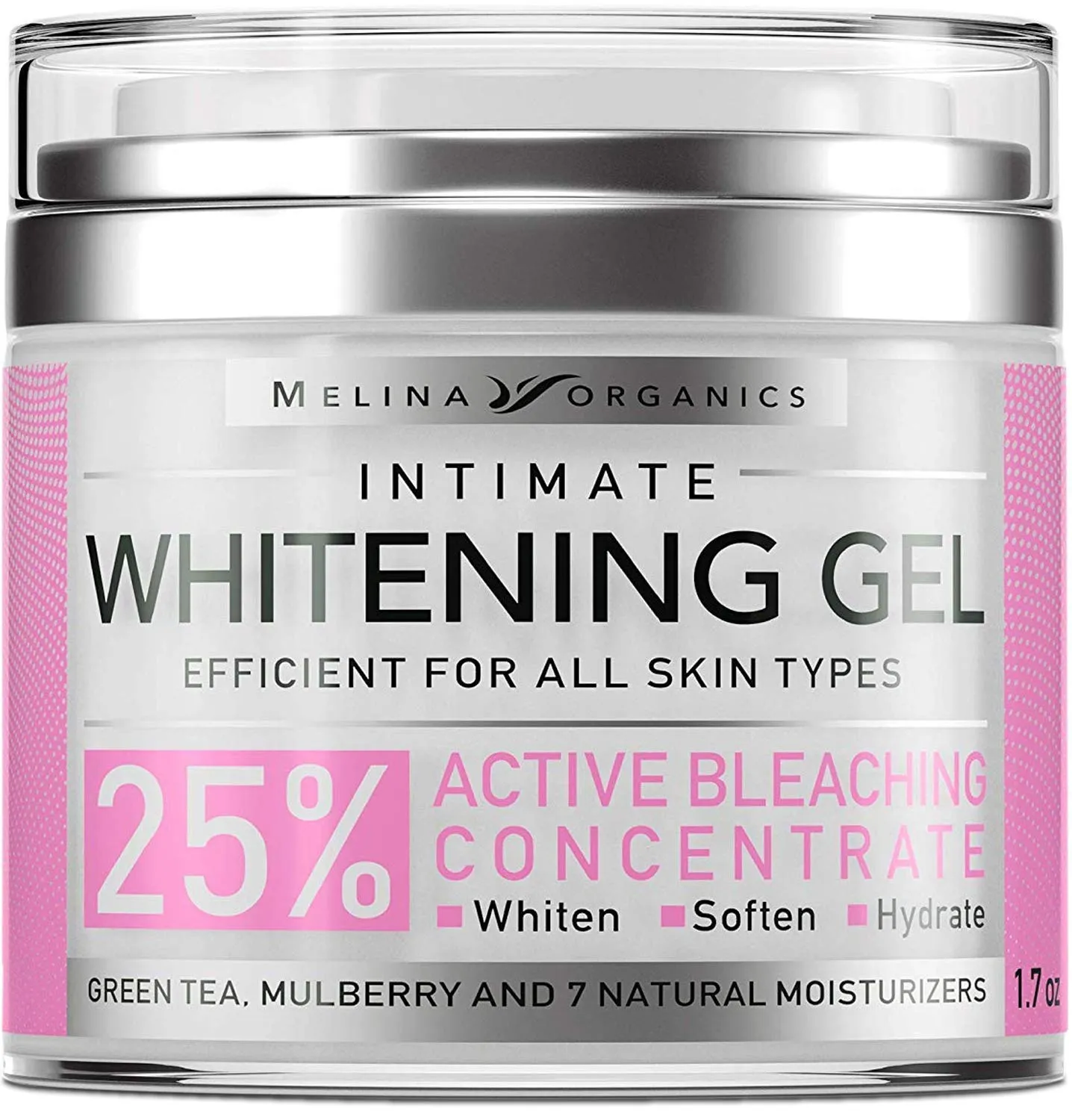
Whitening creams are a popular option for intimate whitening, offering a convenient and accessible solution. These creams typically contain ingredients that inhibit melanin production or promote skin cell turnover, leading to a lighter skin tone over time. Ingredients to look for include hydroquinone, kojic acid, arbutin, and niacinamide. It’s important to note that hydroquinone is a controversial ingredient and should be used under the supervision of a dermatologist. Consistency is key when using whitening creams; results usually become visible after several weeks or months of consistent use. The type of cream and the ingredients used will determine the effectiveness and potential side effects.
Choosing the Right Cream
Choosing the right whitening cream can be challenging, given the variety of products available. Consider your skin type and sensitivity when selecting a cream. People with sensitive skin should opt for products with gentle ingredients. Always read the product labels carefully and research the ingredients to ensure they are safe and suitable for your skin. It’s advisable to start with a lower concentration of active ingredients and gradually increase as needed, monitoring your skin for any adverse reactions. Consulting a dermatologist can help you choose a cream that is appropriate for your individual needs and can also guide you on how to use it safely and effectively.
Secret 3 Professional Treatments

For those seeking more dramatic results, professional treatments offer a powerful alternative to topical creams. These treatments are performed by trained professionals and can provide faster and more significant results. The choice of treatment will depend on individual skin characteristics, the severity of hyperpigmentation, and desired outcomes. Professional treatments can be an effective way to address skin discoloration, but they often require multiple sessions, and aftercare is essential to maintain the results. Be certain to select a reputable provider and discuss any concerns thoroughly before undergoing treatment.
Laser Therapy
Laser therapy uses focused light energy to target and break down melanin in the skin. This treatment can be highly effective in lightening hyperpigmentation and evening out skin tone. Different types of lasers can be used, and the choice will depend on the individual’s skin type and the specific concerns being addressed. Laser treatments typically require multiple sessions to achieve optimal results, and there may be some downtime, such as redness and swelling, following each session. It is important to find a qualified professional with experience in laser treatments for intimate areas to minimize the risk of complications.
Chemical Peels
Chemical peels involve the application of a chemical solution to the skin, which causes the top layers of skin to peel off. This process promotes the growth of new, lighter skin. The strength of the peel can vary, ranging from superficial peels, which affect only the outermost layer of skin, to deeper peels. Superficial peels are often used for intimate whitening, and can be performed with minimal downtime. Deeper peels can provide more significant results but may also involve a longer recovery period and a higher risk of side effects. Aftercare is crucial after a chemical peel and includes avoiding sun exposure and using gentle skincare products. Always consult with a qualified professional before undergoing a chemical peel.
Secret 4 Maintain a Healthy Lifestyle

Maintaining a healthy lifestyle is vital for overall skin health and can significantly impact the effectiveness of intimate whitening treatments. A healthy lifestyle supports the skin’s natural regeneration processes and helps to minimize factors that can contribute to hyperpigmentation. This includes a balanced diet, regular exercise, and adequate sleep. In addition to these, certain habits and practices should be adopted and incorporated into your lifestyle to support your skin’s health and increase the benefits of intimate whitening procedures.
Diet and Hydration
A diet rich in antioxidants, vitamins, and minerals provides essential nutrients for skin health. Antioxidants, found in fruits and vegetables, help to protect the skin from damage caused by free radicals, while vitamins like C and E promote collagen production and skin repair. Staying hydrated is equally important, as adequate water intake helps to maintain skin elasticity and flush out toxins. Dehydration can make skin appear dull and exacerbate any skin issues. Consuming a balanced diet and drinking sufficient water are critical for supporting skin health from the inside out and enhancing the results of intimate whitening treatments.
Secret 5 Patience and Consistency
Intimate whitening is rarely a quick fix; it requires patience and consistency to achieve desired results. The skin regeneration process takes time, and it may take several weeks or months of consistent treatment to see noticeable changes. It is crucial to adhere to the recommended skincare routine, including the use of topical creams, exfoliation, or other treatments, as instructed by your dermatologist or skincare professional. Avoid the temptation to over-treat the area, as this can lead to irritation and potentially worsen the condition. Track your progress with photos to monitor changes over time, and remember that the journey is just as important as the destination.
Realistic Expectations

It’s important to have realistic expectations about intimate whitening. While these treatments can significantly lighten the skin, it’s unlikely that you’ll achieve a completely flawless, even skin tone. Factors such as genetics, skin type, and the severity of hyperpigmentation will influence the results. Furthermore, maintaining the results requires ongoing maintenance, including sun protection and consistent use of skincare products. The goal should be to achieve a more even and lighter skin tone that boosts your confidence and self-esteem, rather than striving for unrealistic perfection. Being informed about potential outcomes is vital before starting any whitening procedure.
Potential Risks and Considerations
While intimate whitening can provide positive results, it’s crucial to be aware of the potential risks and considerations. These procedures involve the use of active ingredients and techniques that can cause side effects, especially if performed improperly. Understanding these potential risks is essential for making informed decisions and ensuring your safety and well-being. Always consult with a qualified professional and discuss any concerns you have before undergoing any form of intimate whitening procedure. Researching and understanding the potential risks will prepare you to make the right decision and help you recognize when professional medical advice should be sought.
Side Effects of Whitening Products
Whitening products can cause several side effects. Common side effects include skin irritation, redness, itching, and dryness. More severe side effects, though rare, can include chemical burns, skin discoloration, and allergic reactions. The risk of side effects is higher when using products with strong active ingredients or when using them incorrectly. Hydroquinone, for example, can cause ochronosis, a permanent skin darkening. Always perform a patch test before using any new product, and discontinue use if you experience any adverse reactions. Consult a dermatologist if you have concerns about side effects.
Consulting a Professional

Before undergoing any intimate whitening treatment, it is essential to consult with a dermatologist or a qualified skincare professional. A professional can assess your skin type, identify the underlying cause of hyperpigmentation, and recommend the most appropriate treatment plan. They can also advise you on the potential risks and benefits of each treatment option and guide you on how to use products safely and effectively. They can also monitor your progress and adjust the treatment plan as needed. Consulting a professional is an important step in ensuring the safety and effectiveness of your intimate whitening journey. It allows you to receive personalized care and reduces the risk of complications.
Conclusion
Intimate whitening can be a safe and effective way to address hyperpigmentation and boost self-confidence when approached with the right information and precautions. By understanding the causes of discoloration, choosing appropriate treatments, and maintaining a healthy lifestyle, you can achieve a lighter and more even skin tone in intimate areas. However, it’s crucial to prioritize safety by consulting with a qualified professional and being aware of potential risks. Patience, consistency, and realistic expectations are key to a successful and satisfying outcome. Always make informed decisions and focus on your overall health and well-being.