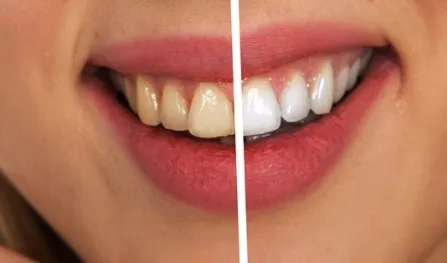
What is Teeth Whitening with Baking Soda & Hydrogen Peroxide
Teeth whitening with baking soda and hydrogen peroxide is a popular at-home method for brightening your smile. This technique utilizes the abrasive properties of baking soda and the oxidizing effects of hydrogen peroxide to remove stains and discoloration from the surface of your teeth. While it can be an effective and affordable alternative to professional whitening treatments, it’s essential to understand the process, potential benefits, and risks before trying it. Many people have found success with this method, but it’s not a one-size-fits-all solution, and individual results can vary depending on factors like the type of stains, the initial shade of your teeth, and the consistency of application. The main advantage is that it’s a readily available, cost-effective way to potentially enhance your smile from the comfort of your home.
How Baking Soda Whitens Teeth
Baking soda, also known as sodium bicarbonate, is a mild abrasive. This means it helps to remove surface stains by gently scrubbing away plaque and debris that can cause discoloration. The abrasive nature of baking soda helps to polish the teeth, making them appear brighter. It also has natural whitening properties. However, it’s important to use it carefully and not too frequently, as excessive abrasion can potentially damage the enamel over time. Many people find it to be a good way to maintain the results of professional whitening treatments or to boost the effects of other at-home methods. Also, baking soda is alkaline, which can help neutralize acids in the mouth, creating a less favorable environment for bacteria that contribute to tooth decay and staining.
The Abrasive Action

The primary way baking soda whitens teeth is through its abrasive action. When you brush with baking soda, the tiny particles work to gently scrub away surface stains caused by food, drinks (like coffee and tea), and tobacco. This action is similar to how a professional cleaning at the dentist removes plaque and surface stains. The abrasive quality of baking soda helps to lift away these stains, revealing the natural whiteness of your teeth underneath. It is important to use baking soda sparingly and with care, to avoid any potential damage to your enamel. Some people find that using a softer toothbrush can help to minimize abrasion and make the process gentler on the teeth and gums.
How Hydrogen Peroxide Whitens Teeth
Hydrogen peroxide is a mild antiseptic and an oxidizing agent. In the context of teeth whitening, it penetrates the enamel and dentin to break down stain molecules. This is the same mechanism used in professional whitening treatments, although the concentration of hydrogen peroxide is much lower in at-home methods. It effectively lightens the intrinsic stains that cause teeth to appear yellow or dull. Hydrogen peroxide also has antibacterial properties, contributing to overall oral health. It can help to kill bacteria in the mouth, which can reduce the risk of gum disease and bad breath. The benefits of hydrogen peroxide are related to its ability to reach and lighten stains inside the tooth structure.
The Oxidation Process
The whitening effect of hydrogen peroxide comes from the oxidation process. When hydrogen peroxide comes into contact with stained tooth enamel, it releases oxygen molecules. These oxygen molecules penetrate the enamel and break down the stain molecules into smaller, less visible components. This process is what effectively lightens the color of the teeth. The strength and effectiveness of hydrogen peroxide depend on its concentration, with higher concentrations used in professional settings for more dramatic results. However, at-home treatments typically use lower concentrations to minimize risks like tooth sensitivity and gum irritation.
Whitening Your Teeth Step-by-Step

Using baking soda and hydrogen peroxide for teeth whitening requires following a specific procedure to ensure effectiveness and safety. This method is a popular choice for those looking for an affordable teeth-whitening solution. It’s essential to be patient and consistent with your routine and follow the steps precisely. Remember that results can vary, and it’s important to be mindful of your oral health throughout the process. This method is best used in conjunction with a good oral hygiene routine to maintain a healthy and bright smile. Many people find this method to be effective when used as part of a regular dental care regimen.
Gathering Your Materials
Before you start, gather all the necessary materials. You will need baking soda, which you can find in most grocery stores; hydrogen peroxide, usually a 3% solution, also widely available; a small bowl or cup for mixing; a soft-bristled toothbrush; and water. Make sure that your toothbrush is clean and in good condition to avoid any additional issues. Additionally, have a timer ready to keep track of the application time. These are the basic items you’ll need to get started. Having all these items ready beforehand helps to streamline the process and makes the experience much more convenient. Make sure that all items are clean to avoid any potential issues.
Mixing the Ingredients
In a small bowl or cup, mix the baking soda and hydrogen peroxide to create a paste. The ideal ratio is often about two parts baking soda to one part hydrogen peroxide, but you can adjust it to achieve a paste-like consistency. The mixture should not be too runny or too thick; it should be easy to apply to your teeth without dripping or being overly abrasive. If the mixture is too thick, add a bit more hydrogen peroxide. If it’s too thin, add a bit more baking soda. Make sure to create just enough paste for the application. Avoid making too much at once, as you will only need enough for a single brushing session. Always make a fresh batch for each use.
Application Techniques

Dip your toothbrush into the paste and apply it evenly to your teeth. Ensure that all surfaces of your teeth are covered, especially those areas that are heavily stained. The goal is to create an even coating for the best results. Brush your teeth gently in a circular motion, paying attention to all sides of each tooth. Do not brush too aggressively, as this can damage your enamel and gums. Ensure you reach all areas of your mouth, including the back teeth. Be consistent with your brushing technique to ensure you cover all surfaces effectively. The goal is to provide even exposure to the whitening agents.
Brushing and Rinsing
Brush your teeth with the baking soda and hydrogen peroxide paste for about one to two minutes. Do not exceed this time to avoid potential enamel damage. Rinse your mouth thoroughly with water. This is crucial to remove all traces of the mixture from your teeth and gums. Be sure to spit out all of the paste, and avoid swallowing any of it. After rinsing, you can brush your teeth again with regular toothpaste to ensure all of the baking soda and hydrogen peroxide is removed. This helps to restore your mouth’s natural pH balance. Also, make sure to rinse your toothbrush thoroughly after use to prevent any residue buildup. The final rinse with water helps to ensure your mouth is clean and fresh.
Things to Know Before You Start
Before you begin teeth whitening with baking soda and hydrogen peroxide, it is important to be aware of certain considerations to ensure safety and effectiveness. Understanding these factors can help you make an informed decision and minimize potential risks. It’s recommended that you consult with a dentist before trying this method, especially if you have existing dental issues. Proper preparation can help you achieve the best results. Make sure you know everything before you start this process. Make sure you know your teeth condition, as well.
Safety Precautions

Prioritize your safety when using this method. Always use a 3% hydrogen peroxide solution, as stronger concentrations can be harmful. Avoid swallowing the mixture, as it can cause stomach upset. If you experience any sensitivity or irritation, stop using the product immediately and consult your dentist. Do not use this method if you have any existing dental problems like cavities or gum disease. Always brush gently to prevent damage to your enamel and gums. Be aware of the potential for side effects. If any adverse reactions occur, discontinue use and seek professional advice. Prioritizing safety is key to a positive experience.
Potential Side Effects
Be aware of the potential side effects. Some people may experience increased tooth sensitivity or gum irritation. This is often a temporary side effect and can be managed by reducing the frequency of use. Excessive use can lead to enamel erosion, making your teeth more susceptible to decay. Discontinue use if you experience severe sensitivity or pain. If you notice any changes in your gum health, consult your dentist. Other potential side effects include a burning sensation in the mouth or an altered taste. It is important to be aware of these potential side effects so you can respond appropriately.
Frequency of Use
It is crucial to use this method in moderation. Avoid using baking soda and hydrogen peroxide more than once or twice a week. Overuse can lead to enamel erosion, increasing the risk of tooth sensitivity and decay. If you experience any adverse effects, reduce the frequency or stop using it altogether. Pay attention to how your teeth and gums respond. Do not exceed the recommended frequency. Maintaining a balance is key to reaping the benefits without incurring potential damage. The appropriate frequency of use varies from person to person based on individual factors.
Other Natural Teeth Whitening Methods

Besides baking soda and hydrogen peroxide, other natural methods can help whiten your teeth. These methods often use ingredients that are readily available and gentler on your teeth. While they may not be as powerful as professional treatments, they can be a good supplement to your dental hygiene routine. Natural methods are popular because they are perceived as safer alternatives. However, it is important to understand that the effectiveness of these methods varies, and it is best to combine them with a good oral hygiene routine for optimal results. Many people incorporate these methods into their daily routine as part of their oral health care regimen.
Oil Pulling
Oil pulling is an ancient Ayurvedic practice that involves swishing oil in your mouth for about 15 to 20 minutes to remove bacteria and toxins. Coconut oil is the most popular choice due to its pleasant taste and antibacterial properties. Some people believe that oil pulling helps to whiten teeth, though scientific evidence is limited. The process helps reduce plaque and improves overall oral health. To practice oil pulling, take about a tablespoon of oil and swish it around your mouth, making sure to reach all areas. After the allotted time, spit out the oil and rinse your mouth with water. While it’s not a direct whitening agent, oil pulling can contribute to a cleaner mouth.
Using Activated Charcoal
Activated charcoal is another popular method for teeth whitening. The fine, black powder is known for its ability to absorb stains and toxins. To use it, wet your toothbrush and dip it into activated charcoal powder, then brush your teeth gently for about two minutes. Rinse thoroughly with water and then brush with regular toothpaste to remove any residual charcoal. The abrasive action of the charcoal helps to remove surface stains, and many users report a noticeable difference in the brightness of their teeth. However, use with caution, as excessive use can erode enamel. Always choose food-grade activated charcoal. It is crucial to brush gently and thoroughly.
Eating Crunchy Fruits and Vegetables
Eating crunchy fruits and vegetables, such as apples, carrots, and celery, can help to naturally clean your teeth. These foods act as natural abrasives, scrubbing away surface stains. The act of chewing also stimulates saliva production, which helps to neutralize acids and wash away bacteria. These foods also provide essential nutrients that support overall oral health. Eating these fruits and vegetables can be an easy, everyday way to maintain a brighter smile. It’s a simple addition to your diet that can make a difference. Incorporating these foods into your diet can be a healthy and effective strategy.
Maintaining Your White Teeth
Once you have achieved the desired level of whiteness, maintaining your results is essential. This involves consistent oral hygiene practices and regular dental checkups. Maintaining a bright smile requires a comprehensive approach to dental health. Maintaining your results helps keep your smile bright and healthy. It’s a long-term commitment to oral health.
Proper Oral Hygiene
Practicing proper oral hygiene is crucial for maintaining your white teeth. Brush your teeth twice a day for two minutes each time. Use a fluoride toothpaste to strengthen your enamel and protect against cavities. Floss daily to remove plaque and food particles from between your teeth and along the gumline. Using mouthwash can help kill bacteria and freshen your breath. Regular brushing and flossing, along with a balanced diet, will help keep your teeth healthy and bright. Developing good oral hygiene habits is the foundation for a healthy mouth. A consistent routine is key for long-term oral health.
Regular Dental Checkups
Schedule regular dental checkups and professional cleanings. Your dentist can identify potential problems and provide professional teeth whitening if needed. Professional cleanings remove plaque and tartar buildup that regular brushing can’t remove. Your dentist can also assess the overall health of your teeth and gums. These checkups help prevent dental problems before they become serious. Regular visits to the dentist are essential for maintaining a healthy, bright smile. Consistent dental care is an investment in your overall health.
In conclusion, using baking soda and hydrogen peroxide for teeth whitening can be an effective, cost-effective method for brightening your smile. However, it’s essential to use this method carefully, following all safety precautions, and being aware of potential side effects. Combining it with other natural methods and proper oral hygiene can help maintain your results and ensure a healthy, bright smile. Remember to consult with your dentist before starting any new teeth whitening treatment. Proper care and maintenance are key to achieving and maintaining the desired results. Be patient, consistent, and mindful of your oral health throughout the process to achieve the best outcome.