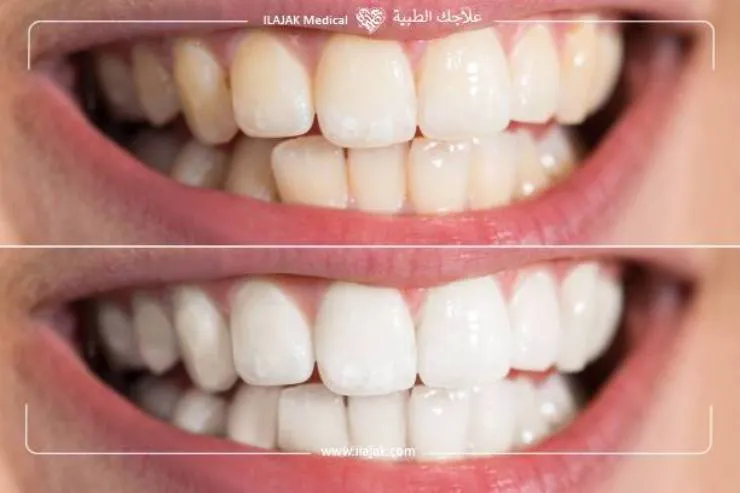
What is In-Office Teeth Whitening
In-office teeth whitening, also known as professional teeth whitening, is a cosmetic dental procedure designed to brighten your smile significantly in a single session. This method is performed by a dentist or a trained dental professional in a clinical setting, ensuring the safe and effective application of powerful bleaching agents. The process typically involves isolating the teeth, protecting the gums, and applying a high-concentration hydrogen peroxide or carbamide peroxide solution. A special light or laser may then be used to accelerate the whitening process, enhancing the results. Unlike over-the-counter products, in-office whitening provides immediate and dramatic results, often lifting the shade of your teeth by several levels. This method is ideal for those seeking a quick and noticeable improvement in their smile’s appearance. The entire procedure is usually completed within one to two hours, making it a convenient option for individuals with busy schedules. Before undergoing in-office teeth whitening, a dentist will assess your oral health to ensure you are a suitable candidate, addressing any existing issues like cavities or gum disease. This ensures the safety and effectiveness of the treatment, while also maximizing the aesthetic outcomes.
The Average In-Office Teeth Whitening Cost
The cost of in-office teeth whitening can vary considerably, influenced by multiple factors like the location of the dental practice, the dentist’s expertise, and the specific whitening system used. On average, you can expect to pay between $500 and $1,000 for a single in-office teeth whitening session. This price range reflects the use of professional-grade whitening agents and the specialized equipment required for the procedure. The higher end of the spectrum may include practices located in major metropolitan areas or those utilizing advanced whitening technologies. It’s important to consider that the initial cost doesn’t always reflect the total expense, as additional treatments may be needed to maintain the desired results. Some practices offer packages that include maintenance treatments or at-home whitening kits to extend the effects of the initial in-office session. Furthermore, the cost can be impacted by the complexity of the treatment and any pre-whitening procedures required, such as a professional cleaning to remove surface stains. Before committing to the procedure, it’s wise to discuss the total cost and any associated fees with your dentist to understand the complete financial commitment.
Factors Affecting Teeth Whitening Cost

Several key factors influence the cost of in-office teeth whitening, contributing to the wide price range you might encounter. The geographic location of the dental practice is a primary determinant, with clinics in urban areas or regions with a higher cost of living typically charging more. The dentist’s experience and expertise also play a significant role; highly experienced dentists or those with specialized training in cosmetic dentistry may command higher fees. The type of whitening treatment itself impacts the cost, as different systems use varying strengths of bleaching agents and technologies, such as laser or light activation, which can affect the overall price. Additionally, the materials used, including the protective barriers and the whitening solution, can influence the final cost. Pre-whitening procedures, such as a professional cleaning or addressing existing dental issues, add to the overall expense. Lastly, the reputation and branding of the dental practice, along with the level of service and amenities offered, can contribute to the total cost of the procedure. Being aware of these factors helps you to better understand and compare prices when considering in-office teeth whitening.
The Procedure Itself
The procedure itself, from start to finish, is a critical factor in determining the overall cost. In-office teeth whitening involves a series of steps, each contributing to the final price. Firstly, a comprehensive oral examination is performed to assess your overall dental health and suitability for the treatment. This is followed by a professional cleaning to remove any surface stains and plaque, ensuring the whitening agent can effectively penetrate the enamel. Next, protective measures, such as isolating the gums and soft tissues with a protective barrier, are applied to prevent irritation from the whitening solution. The whitening agent, typically a high-concentration hydrogen peroxide or carbamide peroxide gel, is then applied to the teeth. Depending on the system, a special light or laser may be used to activate and accelerate the whitening process. The entire procedure, including application, activation, and removal of the whitening agent, is repeated several times during a single session. Finally, the dentist may apply a fluoride treatment to reduce sensitivity and remineralize the teeth. The use of advanced technologies and the dentist’s skill in carrying out each step contribute to the cost.
Geographic Location’s Influence
The geographic location of the dental practice significantly impacts the cost of in-office teeth whitening. Practices located in major cities, such as New York, Los Angeles, or Chicago, often charge higher fees due to the increased overhead costs, including rent, utilities, and staff salaries. These areas typically have a higher cost of living, which translates directly into higher prices for services. Conversely, dental practices in smaller towns or more rural areas may offer more competitive pricing. The regional demand for cosmetic procedures and the local market competition also play a role. Areas with a high concentration of dental practices may have more competitive pricing structures, while those with fewer options might have higher costs. Furthermore, the affluence of the local population can influence pricing; practices in wealthier neighborhoods may target a clientele willing to spend more on cosmetic treatments. When researching in-office teeth whitening, it’s advisable to compare prices among different practices in your area to understand the local market and find the most cost-effective option.
Dentist’s Experience and Expertise

The experience and expertise of the dentist are crucial factors that influence the cost of in-office teeth whitening. Dentists with extensive experience in cosmetic dentistry, especially those who have completed advanced training or specialized courses, often charge more for their services. Their expertise allows them to handle complex cases, achieve superior results, and offer a higher level of patient care. A dentist’s skill in performing the procedure, their ability to assess your dental health accurately, and their understanding of the different whitening systems can significantly impact the outcome of the treatment. Dentists who use advanced techniques or state-of-the-art equipment may also reflect these investments in their pricing. Patient reviews and testimonials can be a valuable resource in assessing a dentist’s reputation and expertise. While a more experienced dentist may come with a higher price tag, it often reflects a greater likelihood of achieving the desired results and minimizing potential risks. Considering the dentist’s qualifications, experience, and the overall quality of care is essential when evaluating the cost of in-office teeth whitening.
Type of Whitening Treatment
The specific type of whitening treatment used by the dentist significantly impacts the overall cost. Different whitening systems utilize varying concentrations of bleaching agents and employ different technologies. For instance, some systems use high-concentration hydrogen peroxide gels activated by a special light or laser, which can be more expensive due to the advanced technology and the enhanced results they provide. Other systems might use carbamide peroxide, a slightly less potent agent, which could result in a lower cost. The brand and quality of the whitening materials also influence the price. Some dental practices use proprietary whitening systems that may come with a higher cost due to brand recognition or unique formulations. The number of whitening sessions and the duration of each session can also affect the total cost. Some treatments require multiple applications of the bleaching agent, while others may achieve desired results in a single visit. Understanding the specific whitening system and its features can help you assess whether the cost aligns with the anticipated results and your expectations.
Comparing In-Office Whitening to Other Options
At-Home Whitening Kits

At-home whitening kits, available from your dentist or over-the-counter, offer a more budget-friendly alternative to in-office whitening. These kits typically contain custom-fitted trays and a lower concentration of bleaching agent, often carbamide peroxide. The cost of at-home kits can range from $100 to $400, a significant difference compared to the $500-$1,000 cost of in-office procedures. The key advantage of at-home kits is their convenience; you can whiten your teeth at your own pace, usually over several weeks, in the comfort of your home. However, the results are generally less dramatic and take longer to achieve than in-office treatments. Consistency is crucial with at-home kits, as you need to wear the trays for a specified period each day to see noticeable results. Furthermore, at-home kits might not be suitable for all types of stains or teeth, and the results may vary depending on your individual tooth structure and the severity of the discoloration. While at-home kits are cost-effective, they require more commitment and may not provide the immediate transformation offered by professional whitening.
Over-the-Counter Products
Over-the-counter (OTC) teeth whitening products are the most accessible and affordable option, available in drugstores and online. These products include whitening toothpastes, strips, gels, and mouthwashes, with prices typically ranging from $10 to $50. OTC products contain lower concentrations of bleaching agents compared to professional treatments, and the results are often subtle and take longer to appear. Whitening toothpastes primarily focus on removing surface stains, while strips and gels can provide slightly more noticeable whitening effects. The convenience and affordability of OTC products make them a popular choice for those seeking a quick and budget-friendly solution. However, the effectiveness of these products varies, and they may not be suitable for individuals with significant tooth discoloration or deep-seated stains. Consistency is key when using OTC products, and you may need to use them regularly for weeks or months to see any visible improvement. It is important to note that overusing OTC products may cause some sensitivity or irritation, and it is essential to follow the manufacturer’s instructions carefully.
Is In-Office Whitening Worth the Cost?
Deciding whether in-office teeth whitening is worth the cost involves weighing several factors, including your personal expectations, the degree of tooth discoloration, and your budget. In-office whitening offers immediate and dramatic results, often lifting the shade of your teeth by several levels in a single session. This can be particularly appealing if you need to enhance your smile quickly for a special occasion. The treatment is performed under professional supervision, ensuring safety and minimizing the risk of side effects. If you have severe stains or are looking for the most effective whitening solution, the higher cost may be justified by the superior results. However, if you have a limited budget or only mild discoloration, over-the-counter or at-home whitening options might be more suitable. Consider the value you place on the convenience, immediate results, and the expertise of a dental professional when making your decision. Evaluate the potential benefits against the cost and determine whether the investment aligns with your goals for a brighter, more confident smile. Consulting with your dentist to discuss your options and expectations will help you make an informed decision.
Benefits of Professional Teeth Whitening

Professional teeth whitening offers several significant benefits that contribute to its value, including the ability to achieve the most dramatic and immediate results. Unlike over-the-counter products, in-office whitening uses high-concentration bleaching agents, resulting in a brighter smile after just one session. The procedure is performed under the supervision of a dentist, ensuring the safety of your teeth and gums. Dentists can also address any underlying dental issues that might affect the whitening process, such as cavities or gum disease. Professional whitening is more effective at removing deep-seated stains, providing a more comprehensive and long-lasting improvement in the appearance of your teeth. The treatment is customized to your specific needs, with the dentist adjusting the strength of the bleaching agent and the duration of the treatment to achieve optimal results. Additionally, professional whitening often includes protective measures, such as gum shields, to minimize the risk of sensitivity or irritation. The expertise of a dentist also ensures that the procedure is performed correctly, reducing the risk of uneven whitening or damage to your teeth. For individuals seeking the most effective and safe whitening solution, professional teeth whitening offers unparalleled benefits.
Potential Drawbacks to Consider
While in-office teeth whitening offers significant benefits, it’s essential to consider potential drawbacks. The primary disadvantage is the higher cost compared to other whitening options. The expense can be a barrier for individuals with budget constraints, making at-home or over-the-counter products more appealing. Another potential drawback is tooth sensitivity. The high concentration of bleaching agents used in professional whitening can cause temporary sensitivity, which may last for a few days after the treatment. Some individuals might experience gum irritation or inflammation if the protective barriers are not applied correctly. Furthermore, the results of teeth whitening are not permanent. Over time, your teeth may gradually darken again, especially if you consume staining foods and drinks. You might need maintenance treatments or at-home touch-ups to maintain the desired results. In some cases, teeth whitening might not be effective on certain types of stains or dental work, such as fillings, crowns, or veneers. Before undergoing in-office teeth whitening, it’s crucial to discuss these potential drawbacks with your dentist and determine if the benefits outweigh the risks.
Tips for Saving on Teeth Whitening
While in-office teeth whitening can be a significant investment, several strategies can help you save money. One effective tip is to ask about payment plans. Many dental practices offer financing options that allow you to spread the cost of the treatment over several months, making it more manageable. Another approach is to look for special offers or promotions. Dental practices frequently run discounts or package deals on teeth whitening, especially during certain times of the year or to attract new patients. Comparing prices among different dental practices in your area can also help you find the most competitive rates. Consider the experience and expertise of the dentist, as this can also influence the cost. Choosing a dentist with a strong reputation and positive reviews might be worth the investment, as it can result in better outcomes and minimize the need for additional treatments. Furthermore, inquire about the possibility of combining in-office whitening with at-home maintenance kits, as some practices offer bundled deals that can reduce the overall cost. By exploring these options and doing your research, you can make in-office teeth whitening more affordable without compromising on quality.
Ask About Payment Plans
One of the most practical tips for making in-office teeth whitening more affordable is to inquire about payment plans. Many dental practices understand that cosmetic procedures can be a significant investment, and they offer financing options to help patients manage the cost. These payment plans allow you to spread the total expense over several months, often with manageable monthly installments. Some practices partner with financial institutions to provide these plans, while others offer in-house financing options. Discussing your financial situation with your dentist or the practice’s administrative staff can help you explore the available payment plans. Ensure that you understand the terms of the plan, including the interest rate, the total amount you will pay, and the repayment schedule. Payment plans can make in-office teeth whitening accessible and less financially burdensome, allowing you to achieve a brighter smile without straining your budget.
Look for Special Offers
Another effective way to save on in-office teeth whitening is to look for special offers and promotions. Dental practices frequently run promotions to attract new patients or to fill appointment slots during slower periods. These offers can include discounts on teeth whitening treatments, bundled packages that combine in-office whitening with at-home maintenance kits, or seasonal specials. Check the dental practice’s website, social media pages, or local advertising for any current promotions. You can also call the practice directly and ask about any ongoing deals or upcoming promotions. Some practices may offer discounts to patients who refer new clients or to those who schedule their appointments during off-peak hours. Special offers can significantly reduce the cost of teeth whitening, making it a more affordable option. Taking advantage of these promotions can help you achieve a brighter smile without exceeding your budget, while also experiencing the benefits of professional teeth whitening.
Maintain Whitening Results
To maintain the results of your in-office teeth whitening and preserve your investment, it’s crucial to follow a few key guidelines. Regular follow-up appointments with your dentist are essential to monitor the condition of your teeth and gums and to provide any necessary touch-up treatments. Practicing good oral hygiene is also crucial, including brushing your teeth twice a day with a whitening toothpaste, flossing daily, and using an alcohol-free mouthwash. Avoiding staining foods and drinks, such as coffee, tea, red wine, and dark berries, can significantly reduce the risk of discoloration. If you do consume these items, rinse your mouth with water immediately afterward or brush your teeth. Consider using at-home whitening touch-up kits as recommended by your dentist to maintain the brightness of your smile. Protect your teeth from further staining and maintain your vibrant smile by regularly following these aftercare tips. Maintaining a consistent routine helps you enjoy the benefits of your professional teeth whitening for as long as possible.
Follow Up Appointments

Regular follow-up appointments with your dentist are essential to maintain the results of your in-office teeth whitening. These appointments allow your dentist to assess the condition of your teeth and gums and to address any potential issues, such as tooth sensitivity or minor discoloration. During these visits, your dentist can also provide professional cleaning and polishing to remove surface stains and maintain the brightness of your smile. They might recommend at-home whitening touch-up treatments or provide custom-fitted trays for maintenance. The frequency of your follow-up appointments will depend on your individual needs and lifestyle. Typically, you should schedule check-ups every six months, or as advised by your dentist. Consistent follow-up care ensures that any potential staining or discoloration is addressed early, preserving the results of your whitening treatment. By adhering to your dentist’s recommendations and attending regular appointments, you can enjoy a consistently bright and beautiful smile for years to come.
Practicing Good Oral Hygiene
Practicing good oral hygiene is paramount in maintaining the results of in-office teeth whitening. Brushing your teeth twice a day with a whitening toothpaste helps remove surface stains and prevents the buildup of plaque and tartar. Be sure to use a soft-bristled toothbrush to avoid damaging your enamel. Flossing daily is equally important, as it removes food particles and bacteria from between your teeth and along the gum line, helping to prevent staining and promoting overall oral health. Consider using an alcohol-free mouthwash to further reduce bacteria and freshen your breath, but be cautious of mouthwashes that may contain staining agents. Regular dental cleanings and checkups are essential for maintaining your teeth’s brightness and preventing any new stains. By diligently practicing these oral hygiene habits, you can significantly prolong the effects of your teeth whitening treatment and enjoy a healthy, radiant smile for years to come. Good oral hygiene goes hand-in-hand with professional teeth whitening to provide the best and most long-lasting results.
Avoiding Staining Foods and Drinks
Avoiding staining foods and drinks is crucial for maintaining the results of your in-office teeth whitening. Certain foods and beverages contain pigments that can easily stain your teeth, causing them to lose their brightness. Common culprits include coffee, tea, red wine, and dark-colored sodas. Dark berries, such as blueberries, blackberries, and cherries, can also contribute to staining. If you consume these items, rinsing your mouth with water immediately afterward can help to minimize staining. Brushing your teeth after consuming staining foods and drinks can also help remove any surface pigments before they have a chance to set. Consider using a straw when drinking beverages that can stain your teeth, as this can help to direct the liquid away from your front teeth. Additionally, you should be mindful of certain sauces, such as soy sauce and balsamic vinegar, which can stain your teeth. By making conscious choices about what you eat and drink, you can significantly reduce the risk of discoloration and maintain your bright, beautiful smile for longer. (Image of Avoid Staining Foods and Drinks)