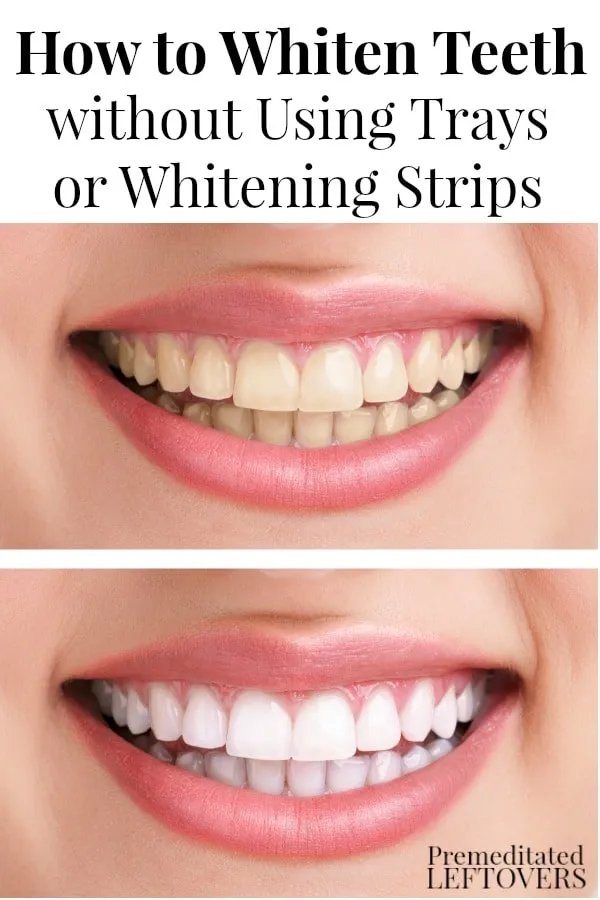
Understanding Teeth Whitening Trays
Teeth whitening trays are a popular and effective method for achieving a brighter smile. These trays, which are designed to hold a whitening agent against the surface of your teeth, are available in various types, each with its own application and recommended wear time. Understanding the different options and how they work is crucial for achieving the best results and maintaining good oral health. The duration for which you leave the trays in place directly impacts the effectiveness of the whitening process, and it is essential to follow the specific instructions provided with your chosen product or as directed by your dentist. Properly using teeth whitening trays can significantly enhance your smile, boosting your confidence and overall appearance. However, improper use may lead to unsatisfactory outcomes or, worse, dental problems, so thorough research and expert guidance are always recommended.
Types of Teeth Whitening Trays
The market offers a variety of teeth whitening tray options, each tailored to different needs and preferences. These trays vary significantly in design, application method, and the concentration of the whitening agent used. Choosing the right type of tray is the first step in a successful whitening experience, so it’s essential to be informed about what’s available. Custom trays, often recommended by dental professionals, provide a snug fit, ensuring even distribution of the whitening solution. Over-the-counter options include pre-filled trays and those designed for use with whitening gels that you apply yourself. Each type has specific instructions for use, and the time the trays are left in place varies according to these instructions. Careful consideration of these differences will assist you in selecting the best option for your unique dental situation and whitening goals.
Custom Trays

Custom teeth whitening trays are crafted to perfectly fit the individual’s mouth, which ensures the whitening agent makes complete contact with the teeth’s surfaces. These trays are typically created by a dentist based on impressions of the patient’s teeth. This precise fit prevents the whitening solution from leaking, which can irritate the gums and reduce the whitening effectiveness. Using custom trays also allows for greater control over the concentration of the whitening agent and the treatment duration. Dentists can prescribe stronger solutions and provide personalized instructions, thereby ensuring safer and more effective results. The initial investment may be greater than with over-the-counter options, but custom trays offer superior comfort, better results, and the professional guidance necessary for optimal dental health during the whitening process. (image: custom-teeth-whitening-trays.webp)
Pre-filled Trays
Pre-filled teeth whitening trays are a convenient over-the-counter option. These trays come pre-loaded with a whitening gel, which simplifies the application process. They are designed to be disposable and offer a hassle-free whitening experience, ideal for individuals seeking a quick and easy method. Pre-filled trays typically contain a lower concentration of the whitening agent compared to professional treatments, resulting in a slower but safer whitening process. The application time and duration of use depend on the specific product. Following the product instructions carefully is crucial to achieve the desired results without causing sensitivity or other adverse effects. While convenient, pre-filled trays may not offer the same level of customization or effectiveness as professional treatments, and results vary depending on the type of staining and the individual’s dental condition. (image: pre-filled-teeth-whitening-trays.webp)
Over-the-Counter Trays
Over-the-counter (OTC) teeth whitening trays are available at most drugstores and supermarkets, making them highly accessible. They usually involve a one-size-fits-all design, unlike custom trays, which can lead to less precise coverage of the teeth. The whitening agents in OTC trays typically have lower concentrations, which makes them a safer option for home use but also less powerful. The treatment time and overall effectiveness depend on the specific product and the nature of the stains on the teeth. It’s essential to adhere closely to the instructions and use the trays consistently to achieve visible results. Although OTC trays are convenient, they are less effective on stubborn stains and may cause uneven whitening. Always consult your dentist before starting any whitening treatment to ensure it’s suitable for your dental health. (image: teeth-whitening-trays.webp)
Factors Influencing Tray Time

Several factors influence the optimal time you should leave teeth whitening trays in. These factors include the concentration of the whitening agent, the severity and type of staining on your teeth, and your individual tooth sensitivity. Understanding how these elements affect the process helps in achieving the best results while minimizing potential risks. The time recommended for use can vary significantly based on these factors, so it’s essential to personalize your approach based on your specific situation and the advice of your dentist. By carefully considering these influences, you can optimize your whitening regimen for both effectiveness and safety, ensuring a brighter, healthier smile. It is recommended to consult with your dentist before starting the whitening process, so you can better understand these factors. (image: staining-on-teeth.webp)
Concentration of Whitening Agent
The concentration of the whitening agent is a primary determinant of how long you should keep the trays in. Higher concentrations, often found in professional treatments, tend to work faster but may also increase the risk of tooth sensitivity and gum irritation. Lower concentrations, common in over-the-counter products, require longer application times to achieve similar results. The specific time for use is always indicated in the product instructions or prescribed by your dentist, and it should be followed diligently. Adjusting the tray time based on the concentration can help balance effectiveness with the potential for adverse effects. Understanding the concentration levels and their impact is essential for anyone looking to whiten their teeth safely and efficiently. Your dentist can provide the best recommendation based on your specific needs and dental condition.
Severity of Staining
The severity of staining on your teeth significantly influences how long you should use whitening trays. Light surface stains might require shorter treatment times, while deeper, more stubborn stains from coffee, tea, or aging may need longer durations. Different types of stains also respond differently to whitening agents. The initial assessment of the staining level will inform the initial treatment plan. Your dentist or the product instructions should guide you on adjusting the tray time as needed. Regularly monitoring your progress and making adjustments based on observed results helps to optimize the whitening process. It is always recommended to start with the minimum recommended time and gradually increase it, if necessary, based on the response and the product’s instructions. (image: staining-on-teeth.webp)
Sensitivity of Teeth

Tooth sensitivity can be a significant factor when determining how long to keep whitening trays in. The whitening agents can sometimes irritate the teeth and gums, particularly in those with pre-existing sensitivity. If you experience increased sensitivity, it may be necessary to reduce the tray time or use a lower concentration of the whitening agent. Sensitivity can also be managed through the use of desensitizing toothpastes or other dental treatments, as recommended by your dentist. Always prioritize comfort and dental health, and consult with your dentist if sensitivity becomes a problem. Adjusting the treatment duration in response to your teeth’s sensitivity ensures that the whitening process is both effective and comfortable. Monitoring how your teeth react to the whitening agent and adjusting the application time is an important part of maintaining a healthy and bright smile. (image: sensitive-teeth.webp)
Following Instructions
Adhering to the instructions provided with your teeth whitening trays is critical to achieving optimal results and minimizing risks. These instructions outline the recommended tray time, frequency of use, and precautions to follow. Deviating from these guidelines can either reduce the effectiveness of the treatment or increase the likelihood of side effects such as tooth sensitivity or gum irritation. Always read and fully understand the product instructions or your dentist’s recommendations before beginning treatment. If you have any questions, seek clarification from your dentist or the product manufacturer. Proper compliance ensures the whitening process is both safe and efficient, leading to a brighter and healthier smile. Keeping to the suggested time frame ensures safety and effectiveness.
Top 5 Tips for Teeth Whitening
To maximize the effectiveness and safety of your teeth whitening journey, consider these top 5 tips. These tips cover essential aspects of the whitening process, including consistency, understanding the type of tray you are using, managing sensitivity, and following your dentist’s advice. By integrating these recommendations into your routine, you can significantly improve your chances of achieving a brighter, healthier smile. These tips ensure your whitening efforts are safe, effective, and tailored to your specific dental needs and goals. Following these tips can make a significant difference in the outcome of your whitening efforts and ensure a positive experience. (image: teeth-whitening-results.webp)
Tip 1 Consistency is Key

Consistency is paramount for successful teeth whitening. Following a regular schedule ensures that the whitening agent has enough time to work effectively, which means sticking to the recommended tray time and frequency. Skipping applications or shortening treatment times can diminish the overall impact, leading to unsatisfactory results. Make whitening a part of your daily or weekly routine, depending on the instructions. Maintaining a consistent schedule also prevents the cycle of starting and stopping, which can lead to uneven whitening. Tracking your progress and consistently following the prescribed plan is essential for achieving and maintaining a bright, beautiful smile. Consistency will lead to the best results.
Tip 2 Know Your Tray Type
Understand the specific type of teeth whitening tray you are using. Each tray type, whether custom-made, pre-filled, or over-the-counter, comes with its own set of instructions regarding application time, frequency, and recommended use. Familiarize yourself with these instructions to avoid misuse and ensure optimal results. Custom trays, designed for a precise fit, may require different treatment times than over-the-counter options. Pre-filled trays have their unique protocols. Knowing these differences helps you tailor your whitening routine and prevents potential issues. If you are uncertain about any aspect of your tray type, consult your dentist or the product manufacturer for clarification. Understanding your specific tray type will allow you to maximize the effectiveness of the whitening treatment.
Tip 3 Manage Sensitivity
Teeth sensitivity is a common side effect of teeth whitening. Managing this sensitivity is crucial for a comfortable experience. If you experience discomfort, you might need to reduce the tray time or the frequency of use. Using a desensitizing toothpaste a few weeks before and during the whitening process can help reduce sensitivity. Your dentist can also recommend other treatments or strategies to alleviate this issue. Avoid consuming very hot or cold foods and drinks, as they can exacerbate sensitivity. If the sensitivity is severe, pause the whitening treatment and consult your dentist. Properly managing sensitivity ensures a more pleasant whitening experience and allows you to achieve the desired results without undue discomfort. Discuss any concerns about sensitivity with your dentist.
Tip 4 Follow Dentist’s Advice

Always follow the advice of your dentist when it comes to teeth whitening. Your dentist can assess your oral health, determine the suitability of whitening treatments, and recommend the best approach for your specific needs. They can provide custom trays, prescribe a stronger whitening agent, and offer professional guidance throughout the process. Following your dentist’s advice ensures that the whitening treatment is safe and effective, minimizing potential risks. They can also monitor your progress and make adjustments as needed. Regular dental check-ups are also important to ensure that your teeth are healthy before and after whitening. Consulting with a dental professional will help you have realistic expectations, and ensure your treatment is tailored to your unique dental situation. (image: dentist-consultation.webp)
Tip 5 Patience and Realistic Expectations
Patience and realistic expectations are essential for a successful teeth whitening journey. Results don’t happen overnight; it takes time for the whitening agents to effectively lift stains. Be patient and consistent with your treatment plan. Understand that not all teeth will whiten to the same degree, and some stains may be more resistant than others. Manage your expectations based on your teeth’s condition, the type of treatment you are using, and the advice of your dentist. It’s important to celebrate small improvements and to avoid comparing your results to others. Maintaining a positive attitude throughout the process will help you achieve the best possible outcome while ensuring you remain satisfied with the results. Remember that a brighter smile is often a gradual process, so be patient. (image: teeth-whitening-results.webp)
Maximizing Results and Minimizing Risks
To maximize the benefits of teeth whitening while minimizing potential risks, it’s essential to approach the process with care. This includes understanding potential side effects, implementing proper tray maintenance, and knowing when to seek professional dental advice. By following these guidelines, you can ensure a safe and effective whitening experience, leading to a brighter, healthier smile. The long-term health of your teeth should always be the top priority throughout this process. Being well-informed, following proper procedures, and seeking professional guidance when needed are critical steps.
Potential Side Effects of Whitening

Teeth whitening, while generally safe, can cause several side effects. The most common is tooth sensitivity, which can range from mild to moderate. Another possible side effect is gum irritation, which can occur if the whitening agent comes into contact with the soft tissues. In rare cases, some individuals may experience temporary changes in the color of their fillings or crowns. It is important to be aware of these potential side effects and to discuss any concerns with your dentist. You can also use desensitizing toothpastes or reduce tray time to help manage the side effects. If the side effects are severe or persistent, it is important to stop the treatment and seek professional advice. Being informed about these potential effects can help you prepare for your whitening process and make any necessary adjustments.
Proper Tray Maintenance
Proper maintenance of your teeth whitening trays ensures both hygiene and the effectiveness of your whitening treatment. After each use, rinse your trays thoroughly with cold water. Do not use hot water, as it can warp the plastic. Clean the trays gently with a soft toothbrush and mild soap. Avoid abrasive cleaners that can damage the tray surface. Store the trays in a clean, dry place, away from direct sunlight. If you have a custom tray, store it in its protective case. Regular cleaning prevents the buildup of bacteria and ensures the longevity of the trays. Following these maintenance tips will help to prolong the life of your trays, maintain oral health, and achieve the best whitening results. (image: tray-maintenance.webp)
When to Consult a Dentist
Knowing when to consult a dentist is crucial for safe and effective teeth whitening. You should always consult your dentist before starting any whitening treatment to ensure it is suitable for your oral health. If you experience any significant side effects, such as severe tooth sensitivity or gum irritation, stop the treatment and seek immediate professional advice. If your teeth are not responding to the whitening treatment as expected, or if you have any concerns about the results, consult your dentist. Your dentist can assess your situation, adjust the treatment plan, or recommend alternative options. Regular dental check-ups are essential for maintaining oral health during and after teeth whitening. Timely consultation with a dental professional guarantees the health and safety of your teeth, as well as the desired results. (image: dentist-consultation.webp)