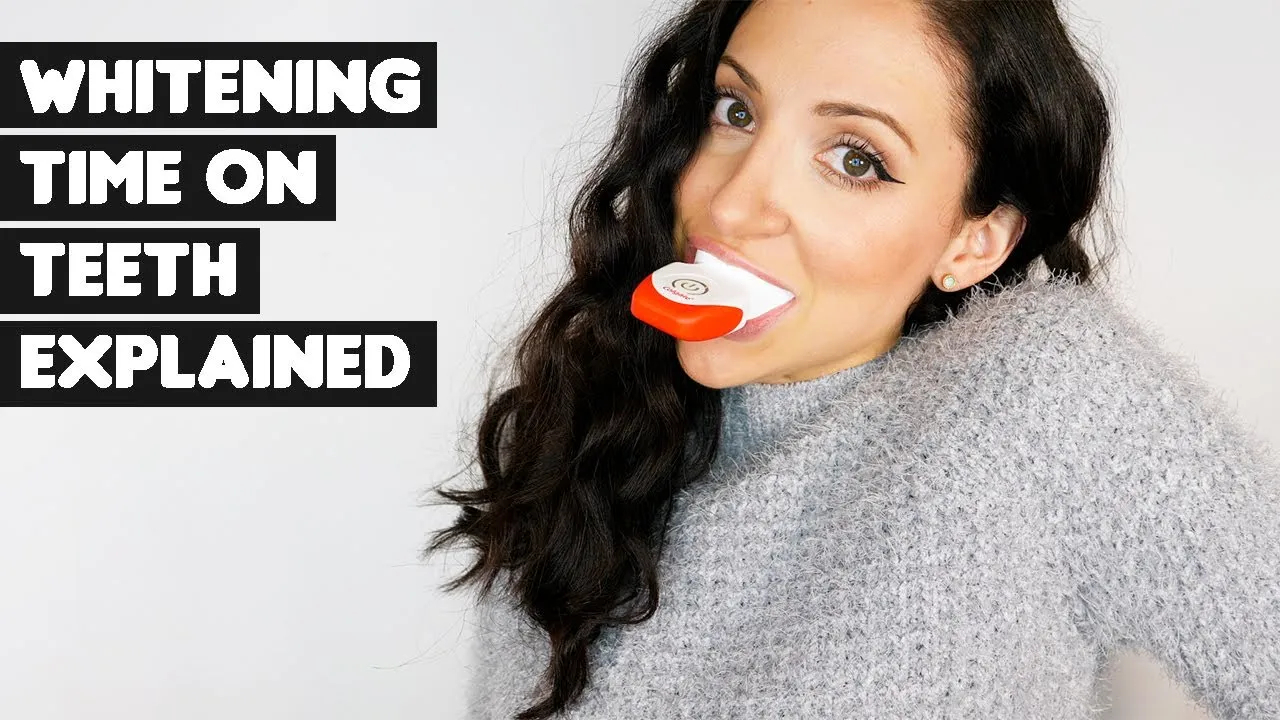
Whitening Strips The Essentials
Whitening strips have become a popular choice for those seeking a brighter smile. They offer a convenient and relatively inexpensive way to whiten teeth at home. However, to achieve the best results and avoid potential problems, it’s important to understand how these strips work, what they contain, and how to use them correctly. This comprehensive guide will walk you through everything you need to know about whitening strips, from the basics to advanced tips for maximizing their effectiveness. It’s important to remember that, while effective, whitening strips are not a one-size-fits-all solution. Factors such as the type of stains, the natural color of your teeth, and your overall oral health can influence the results you experience. Consulting with a dentist is always recommended, especially if you have any pre-existing dental conditions or concerns.
Understanding Whitening Strips What You Need to Know
Whitening strips are thin, flexible strips coated with a peroxide-based whitening agent. These strips are designed to adhere to your teeth, allowing the whitening agent to come into contact with the enamel and begin breaking down stains. The active ingredient in most whitening strips is hydrogen peroxide or carbamide peroxide. These chemicals penetrate the enamel and dentin, the deeper layer of the tooth, to oxidize the stain molecules. This process lightens the color of your teeth, resulting in a whiter appearance. The effectiveness of whitening strips can vary depending on the concentration of the whitening agent, the duration of use, and the frequency of application. It’s crucial to follow the manufacturer’s instructions carefully to avoid over-bleaching and potential side effects. Understanding the basics of how whitening strips work is the first step towards achieving a brighter smile safely and effectively.
Ingredients in Whitening Strips

The primary active ingredient in whitening strips is hydrogen peroxide or carbamide peroxide. Hydrogen peroxide is a stronger bleaching agent and often found in professional teeth whitening treatments. Carbamide peroxide breaks down into hydrogen peroxide, and is commonly used in at-home products due to its slower release and potentially lower sensitivity. In addition to the whitening agents, whitening strips contain other inactive ingredients that serve various purposes. These can include film-forming agents to help the strip adhere to the teeth, stabilizers to maintain the effectiveness of the peroxide, and flavoring agents to improve the taste. Some strips may also contain glycerin, which helps to retain moisture, and sodium hydroxide, which acts as a pH adjuster. Before using whitening strips, it’s wise to review the full ingredient list, especially if you have known allergies or sensitivities. People with sensitivities should consider consulting with their dentist before use.
How Whitening Strips Work
Whitening strips work through a chemical process that targets and breaks down stain molecules within your teeth. When the peroxide-based whitening agent comes into contact with the tooth enamel, it releases oxygen molecules. These oxygen molecules penetrate the enamel and react with the stain molecules, breaking them down and causing them to become less visible. This process is similar to how laundry bleach removes stains from clothing. The effectiveness of this process depends on several factors, including the concentration of the peroxide, the contact time, and the type of stains present. Surface stains, caused by things like coffee, tea, and red wine, tend to respond well to whitening strips. Deeper stains, such as those caused by medications or intrinsic discoloration, may be more resistant and require professional treatment. Consistency is key to achieving noticeable results, but it’s crucial to adhere to the recommended usage instructions to avoid any damage.
Best Practices for Whitening Strips Application
Proper application is essential for maximizing the effectiveness of whitening strips and minimizing potential side effects. Begin by brushing your teeth gently to remove any surface debris, but avoid brushing immediately before applying the strips, as this can irritate the gums. Carefully peel the strips from their backing and apply them to your teeth, ensuring that the gel side is in direct contact with the tooth surface. Align the strips with your gumline and press them gently to secure them in place. The strips should cover the front surfaces of your teeth, including the upper and lower arches, depending on the product. Avoid overlapping the strips or applying them to the gums, as this can cause irritation. Once the strips are in place, avoid eating, drinking, or smoking. After the recommended time, remove the strips and rinse your mouth with water. It’s important to follow the manufacturer’s instructions on usage time for best results.
Preparing Your Teeth for Whitening Strips

Before you start using whitening strips, there are a few steps you can take to prepare your teeth for optimal results. The first step is to have a dental checkup and cleaning to make sure your teeth are healthy and free from any existing issues. Whitening strips work best on clean teeth, so a professional cleaning can remove any plaque or tartar that might interfere with the whitening process. If you have any cavities, gum disease, or other dental problems, it’s essential to address these issues before using whitening strips. Your dentist can advise you on the best course of action. It’s also a good idea to brush your teeth thoroughly, but as mentioned, avoid brushing immediately before applying the strips. This can help reduce tooth sensitivity. Finally, if you have sensitive teeth, consider using a desensitizing toothpaste for a few weeks before starting treatment. These steps will help ensure a smoother and more comfortable whitening experience.
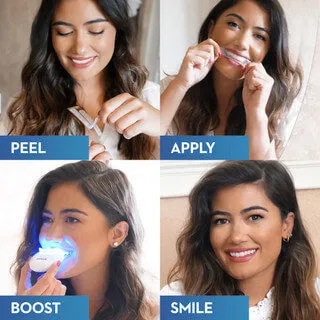
Step-by-Step Application Guide
- Brush and Floss: Start by brushing your teeth gently to remove surface debris. Floss to remove any food particles between your teeth. Wait 15-30 minutes after brushing before applying the strips.
- Peel the Strips: Carefully peel the whitening strips from their backing. Handle them with clean, dry hands.
- Apply the Strips: Apply the longer strip to your upper teeth and the shorter strip to your lower teeth. Align the strips with your gumline, ensuring that the gel side contacts your teeth.
- Press and Secure: Gently press the strips to your teeth, making sure they adhere well. Fold any excess strip material behind your teeth.
- Wait the Recommended Time: Leave the strips on for the duration recommended by the product instructions. This typically ranges from 30 minutes to an hour.
- Remove and Rinse: After the allotted time, remove the strips and discard them. Rinse your mouth with water to remove any remaining gel. Avoid swallowing the gel.
- Post-Application Care: Avoid eating or drinking for at least 30 minutes after removing the strips. Brush your teeth gently using a soft-bristled toothbrush.
The Recommended Duration
The length of time you should leave whitening strips on varies depending on the specific product you are using. Always read and follow the manufacturer’s instructions carefully. Most whitening strips recommend application times ranging from 30 minutes to an hour, once or twice a day, for a period of 10 to 14 days. Some products offer shorter treatment durations, while others may require longer use. Using the strips for a longer period than recommended will not necessarily result in better whitening and can increase the risk of side effects such as tooth sensitivity and gum irritation. Generally, you should start with the minimum recommended time and gradually increase it if you experience no adverse effects. It is also important to consider the concentration of the active ingredient. Higher concentrations often require shorter application times. If you are unsure, consult your dentist or the product’s instructions for guidance.
Factors Influencing Whitening Strip Duration
Several factors can influence the optimal duration for using whitening strips, including the concentration of the active ingredient (hydrogen peroxide or carbamide peroxide), the severity of the stains on your teeth, your individual tooth sensitivity, and the type of stains. Higher concentrations of peroxide typically require shorter application times. The deeper and more extensive the staining, the longer the treatment duration may be needed, but it is important not to exceed the instructions. If you have sensitive teeth, you may need to reduce the application time or use the strips less frequently to minimize discomfort. The type of stains also plays a role; surface stains usually respond more quickly than deeper, intrinsic stains. Additionally, your lifestyle choices, such as your consumption of staining foods and beverages (coffee, tea, red wine, etc.), can impact how long you need to use the strips to achieve your desired results. Consistent usage following the product instructions is key.
Tooth Sensitivity and Whitening Strips
Tooth sensitivity is a common side effect of using whitening strips, and it occurs because the peroxide can penetrate the enamel and irritate the nerves within the teeth. The level of sensitivity varies from person to person, but it can range from mild discomfort to sharp pain. To manage tooth sensitivity, consider the following: Reduce application time; use the strips less frequently; apply a desensitizing toothpaste containing potassium nitrate a few weeks before and during treatment; avoid cold or hot foods and beverages; and consult your dentist if the sensitivity is severe or persistent. If you experience significant discomfort, it is important to stop using the strips and consult with your dentist. Your dentist can recommend specific strategies and may suggest alternative whitening methods or products that are gentler on your teeth.
Managing Tooth Sensitivity During Treatment
Managing tooth sensitivity during whitening strip treatment involves several strategies that can help minimize discomfort and allow you to continue your whitening regimen. Using a desensitizing toothpaste, which contains ingredients like potassium nitrate or stannous fluoride, can help block the pathways that transmit pain signals to your nerves. Apply the toothpaste to your teeth and brush gently for two weeks before starting the whitening treatment. You can also apply a small amount of the toothpaste directly to sensitive areas after removing the strips. Avoiding extremely hot or cold foods and beverages can also reduce sensitivity. Consider using a straw for cold drinks to minimize contact with your teeth. Over-the-counter pain relievers, such as ibuprofen or acetaminophen, can help manage any pain or discomfort. If sensitivity persists or worsens, reduce the frequency of the strips or stop using them altogether and consult your dentist. They can provide guidance on managing the sensitivity.
Other Side Effects of Whitening Strips

Besides tooth sensitivity, other side effects of using whitening strips are possible. Gum irritation is another common issue. The whitening agent can irritate the soft tissues of your gums, leading to redness, swelling, and discomfort. Applying the strips properly, avoiding contact with the gums, and rinsing your mouth thoroughly after each use can help minimize this. In rare cases, some people may experience a mild allergic reaction to the ingredients in the strips, characterized by itching, swelling, or a rash. If you experience any signs of an allergic reaction, stop using the strips immediately and seek medical attention. Another possible side effect is an uneven whitening, which occurs when the strips don’t make consistent contact with all parts of the teeth. This can lead to a patchy appearance, especially if you have fillings, crowns, or veneers that won’t whiten. Consult your dentist if you have any concerns or experience unusual side effects.
Maximizing Results with Whitening Strips
To maximize the effectiveness of whitening strips, it’s important to follow the product’s instructions and to consider other factors that can influence the results. Start by choosing a product with a concentration of whitening agent appropriate for your needs and the sensitivity of your teeth. Ensure your teeth are clean and free from plaque and tartar before starting the treatment. Brush your teeth thoroughly, but as mentioned, avoid brushing immediately before applying the strips. Adhere to the recommended application time and frequency. Consistency is essential, so use the strips as directed over the entire treatment period. Be patient, as it may take several days or weeks to see noticeable results. Maintain good oral hygiene practices throughout the treatment, including brushing, flossing, and regular dental checkups. Limit your intake of staining foods and beverages, such as coffee, tea, red wine, and dark-colored juices, during the treatment period and for a few weeks after. Consider using a whitening toothpaste to help maintain your brighter smile.
Post-Treatment Care for Whitening Strips
After you’ve finished using whitening strips, it’s important to take care of your teeth to maintain your brighter smile and minimize any potential side effects. Avoid eating or drinking staining foods and beverages for a few hours after each application and for at least a week or two after completing the treatment. Continue to practice good oral hygiene, including brushing your teeth at least twice a day with a soft-bristled toothbrush and flossing daily. Consider using a whitening toothpaste to help maintain your results. If you experienced any sensitivity during the treatment, continue using a desensitizing toothpaste for a few weeks after. Schedule regular dental checkups and cleanings to maintain your overall oral health and address any issues promptly. You can also consider touch-up treatments with whitening strips every few months, as needed, to maintain the desired level of brightness. Remember that the longevity of your results will depend on your lifestyle and the choices you make regarding your diet and oral hygiene.
Maintaining Your Bright Smile
Maintaining a bright, white smile after using whitening strips requires ongoing care and attention. Firstly, continue to practice excellent oral hygiene. Brush your teeth at least twice a day with a soft-bristled toothbrush and floss daily to remove plaque and prevent new stains from forming. Limit your consumption of staining foods and beverages, such as coffee, tea, red wine, and dark-colored juices. When you do consume these items, rinse your mouth with water immediately afterward, or brush your teeth if possible. Avoid smoking or using tobacco products, as these can significantly stain your teeth. Consider using a whitening toothpaste or mouthwash to help maintain your results. Schedule regular dental checkups and cleanings to ensure that your teeth stay healthy and bright. Your dentist can also provide professional whitening treatments or touch-up options if needed. Following these tips will help you enjoy a dazzling and confident smile for years to come.