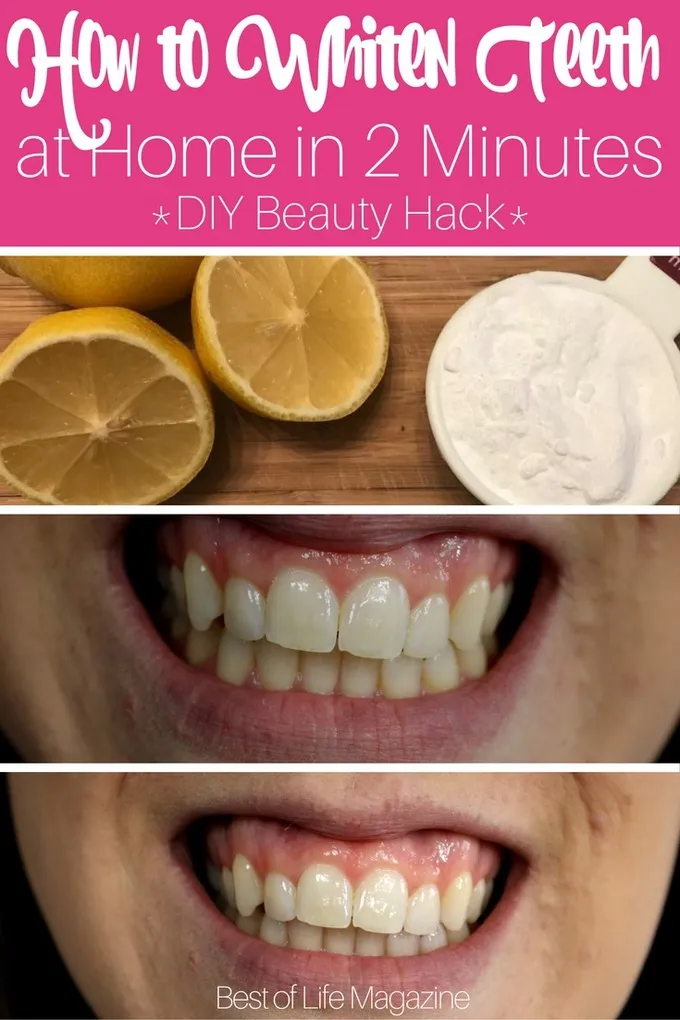
What Causes Tooth Discoloration
Understanding the causes of tooth discoloration is the first step toward effective home teeth whitening. Tooth discoloration can range from mild staining to more severe changes in tooth color, and it’s essential to identify the underlying causes to choose the most suitable whitening methods. Tooth enamel, the hard outer layer of your teeth, is porous and can absorb stains from various sources. The dentin, the layer beneath the enamel, also contributes to the overall color of your teeth, and changes within this layer can also lead to discoloration. Knowing the difference between extrinsic and intrinsic stains helps you select the most relevant teeth whitening solutions.
Common Stains
Tooth stains fall into two primary categories: extrinsic and intrinsic. Extrinsic stains affect the surface of the tooth, while intrinsic stains develop within the tooth’s structure. Both types of stains can impact the appearance of your smile, and addressing them effectively often requires different approaches. Various lifestyle factors, dietary habits, and oral hygiene practices can contribute to the development of these stains. By recognizing the differences, you can better understand how home teeth whitening remedies work and what to expect from them.
Extrinsic Stains

Extrinsic stains occur on the surface of your teeth, typically caused by substances that come into contact with the enamel. Common culprits include coffee, tea, red wine, and tobacco products. These substances contain chromogens, pigments that adhere to the tooth’s surface, causing discoloration over time. Poor oral hygiene, such as infrequent brushing and flossing, can exacerbate extrinsic staining. The porous nature of tooth enamel makes it prone to absorbing these stains. Fortunately, extrinsic stains often respond well to home teeth whitening remedies, such as brushing with whitening toothpaste or using hydrogen peroxide.
Intrinsic Stains
Intrinsic stains originate within the tooth structure, often deeper than the enamel surface. These stains can result from factors such as aging, certain medications (like tetracycline), excessive fluoride exposure, or trauma to the tooth. Intrinsic stains can be more challenging to address with home remedies, as they require the whitening agent to penetrate the tooth’s inner layers. Sometimes, professional dental treatments may be necessary for effective results. However, some home remedies, like using whitening strips or custom-fitted trays with bleaching agents, can help lighten intrinsic stains over time. Recognizing the difference helps you choose the most appropriate whitening options.
Effective Home Teeth Whitening Remedies
Several home remedies can effectively whiten your teeth, offering a more affordable and convenient alternative to professional treatments. These methods typically involve using readily available ingredients and products. While the results may vary depending on the type and severity of the stains, and the consistency of use, many people achieve noticeable improvements in their smile’s brightness. It is important to understand the right way to use these remedies and to manage expectations. Before trying any home teeth whitening remedy, it’s advisable to consult with your dentist to ensure it’s safe and suitable for your specific dental health.
Hydrogen Peroxide

Hydrogen peroxide is a common ingredient in many teeth whitening products. It acts as a bleaching agent, oxidizing the stains on your teeth and making them appear whiter. You can find hydrogen peroxide in various concentrations, and it’s essential to use the right concentration safely. Many people use hydrogen peroxide in the form of a mouth rinse or a whitening agent in their trays. Over-the-counter whitening strips and gels also often contain hydrogen peroxide. While effective, using hydrogen peroxide requires caution to avoid irritating the gums or causing tooth sensitivity. Consistency is key when using hydrogen peroxide, and you typically see results over several weeks of regular use.
How to Use Hydrogen Peroxide Safely
To use hydrogen peroxide safely, begin with a low concentration, typically 3% hydrogen peroxide, which you can purchase at most drugstores. Dilute the hydrogen peroxide with water if necessary. Do not swallow the solution. Rinse your mouth for about 30-60 seconds, making sure to swish it around all areas of your mouth. After rinsing, spit out the solution and rinse your mouth with water. Avoid swallowing any hydrogen peroxide. Overuse can cause sensitivity. It’s best to limit use to once or twice a day and to avoid prolonged contact with your gums. If you experience any irritation or sensitivity, stop using it immediately. Always consult with your dentist for personalized advice.
Baking Soda
Baking soda is a mild abrasive that helps remove surface stains and polish your teeth. Many people use it as a natural alternative to whitening toothpaste. While not a bleaching agent like hydrogen peroxide, baking soda can help to remove extrinsic stains caused by foods and drinks. Its ability to neutralize acids also benefits oral health. Baking soda is readily available, and you can easily incorporate it into your oral hygiene routine. However, it is important to use baking soda with care to avoid damaging your enamel. Baking soda is often combined with other ingredients, such as hydrogen peroxide, to enhance its whitening effect.
Baking Soda Application

To use baking soda for teeth whitening, you can create a paste by mixing it with water to achieve a thick consistency. Apply the paste to your toothbrush and brush your teeth gently for about two minutes. Avoid brushing too hard, as the abrasiveness of baking soda can wear down enamel over time. You can use baking soda once or twice a week, combined with your regular brushing routine. Ensure you rinse your mouth thoroughly after brushing. Some people mix baking soda with hydrogen peroxide for an enhanced whitening effect. If you experience any sensitivity, reduce the frequency of use. Always consult with your dentist before incorporating baking soda into your routine.
Coconut Oil Pulling
Coconut oil pulling is an ancient Ayurvedic practice that involves swishing coconut oil in your mouth for a set period. Proponents of oil pulling claim it can help to whiten teeth, reduce plaque, and improve overall oral health. Coconut oil contains lauric acid, known for its antimicrobial properties. While research on oil pulling for teeth whitening is limited, many people report positive results. The process helps to remove bacteria and toxins from your mouth, which can contribute to a brighter smile. It’s a natural and gentle method that is safe for most people. Consistency and proper technique are key to seeing potential benefits.
How to Oil Pull
To practice oil pulling, place about a tablespoon of coconut oil in your mouth. Swish the oil around for 15-20 minutes, making sure it reaches all areas of your mouth and teeth. The oil will become thinner and milky as it mixes with your saliva. After 15-20 minutes, spit out the oil into a trash can (avoid spitting it down the drain, as it can clog pipes). Rinse your mouth with water, and then brush your teeth as usual. Perform oil pulling on an empty stomach, preferably in the morning. It is important to be consistent with this method to see any potential benefits. While oil pulling has several reported benefits, it is not a substitute for brushing and flossing.
Whitening Toothpaste

Whitening toothpaste is a readily available and convenient option for improving the brightness of your teeth. These toothpastes usually contain mild abrasives or chemical agents that help remove surface stains. Abrasives like silica help to polish the teeth, while other ingredients, like hydrogen peroxide, may offer some bleaching action. Whitening toothpastes are generally safe for daily use and can be integrated seamlessly into your existing oral hygiene routine. However, the effectiveness of whitening toothpaste depends on the type and severity of the stains. For more stubborn stains, you might need to combine it with other whitening methods. It is important to choose a toothpaste with fluoride to maintain your enamel.
Types of Whitening Toothpaste
There are various types of whitening toothpaste available. Abrasive toothpastes contain mild polishing agents to remove surface stains. These are effective for extrinsic stains but may not affect intrinsic stains. Some whitening toothpastes contain hydrogen peroxide or other bleaching agents to provide more significant whitening effects. These are often more effective than abrasive toothpastes alone. Some toothpastes also contain ingredients that help to prevent new stains from forming. The choice of which whitening toothpaste is best for you will depend on your specific needs and preferences. Read the labels and compare the ingredients to make the best choice. Regular use, combined with other good oral hygiene practices, helps maintain a brighter smile.
Dietary Adjustments for Whiter Teeth
Your diet significantly impacts the color of your teeth. Certain foods and drinks are known to stain teeth, while others can help to keep them bright and healthy. By making informed dietary choices, you can enhance the effectiveness of home teeth whitening remedies and maintain a radiant smile. Being mindful of what you consume is crucial for preventing new stains and preserving the results of your whitening efforts. A well-balanced diet that supports oral health is an essential component of a bright and healthy smile.
Foods to Avoid

Certain foods and drinks are notorious for staining teeth. Coffee, tea, and red wine contain strong pigments that can easily adhere to enamel. Dark-colored sodas and fruit juices also contribute to staining. Additionally, highly acidic foods, like citrus fruits and vinegar, can erode enamel, making your teeth more susceptible to stains. Tobacco products, including cigarettes and chewing tobacco, are major culprits in tooth discoloration. Limiting your consumption of these items helps to minimize staining. If you do consume staining foods or drinks, rinse your mouth with water afterward to help prevent stains from setting in. Be mindful of these foods for the best results.
Foods to Embrace
Including certain foods in your diet can help to promote whiter teeth. Crunchy fruits and vegetables, like apples, celery, and carrots, can act as natural abrasives, helping to remove surface stains. Dairy products, such as milk, yogurt, and cheese, are rich in calcium and strengthen enamel, making teeth more resistant to stains. Water is crucial for maintaining oral health, as it helps to rinse away food particles and bacteria. Drinking green tea may help reduce staining, as it contains antioxidants. Choose a diet rich in fiber and low in sugar, which supports overall oral health. A balanced diet supports your whitening efforts and your oral health in general.
Maintaining Your White Smile
Once you have achieved your desired level of whiteness, it’s essential to maintain your bright smile. Consistent oral hygiene practices, regular dental checkups, and mindful dietary choices are key to long-term results. Maintaining your white smile requires a proactive approach. A consistent and diligent oral care routine helps ensure you enjoy the benefits of your home teeth whitening efforts for years to come. Making simple, sustainable habits will make the process easier and more effective.
Regular Dental Checkups

Regular dental checkups and professional cleanings are crucial for maintaining your white smile. During these visits, your dentist can remove any plaque, tartar, and surface stains that brushing and flossing might miss. They can also assess your overall oral health and address any potential issues before they lead to discoloration. Professional teeth whitening treatments are available, if you want an extra boost. Regular checkups are a great preventive measure for keeping your teeth looking their best. Your dentist can provide personalized advice on maintaining your smile.
Proper Brushing and Flossing
Proper brushing and flossing are the cornerstones of maintaining a white smile. Brush your teeth at least twice a day with fluoride toothpaste for two minutes each time. Make sure to brush all surfaces of your teeth, including the front, back, and chewing surfaces. Floss daily to remove plaque and food particles from between your teeth, where your toothbrush cannot reach. Proper brushing and flossing help to remove surface stains and prevent the buildup of plaque, which can lead to discoloration. Use a soft-bristled toothbrush to avoid damaging your enamel. A healthy oral hygiene routine complements all your teeth whitening efforts.
When to See a Dentist
While home teeth whitening remedies can be effective, there are times when you should consult with a dentist. If you have significant tooth discoloration, especially intrinsic stains, or if you experience tooth sensitivity or gum irritation from home treatments, it’s essential to seek professional advice. A dentist can assess the cause of your discoloration and recommend the most appropriate treatment options. They can also offer professional teeth whitening treatments, which may provide better results than home remedies. Regular dental checkups help you avoid any serious dental issues. Always consult with your dentist before starting a new teeth whitening routine, particularly if you have existing dental work, such as fillings or veneers.