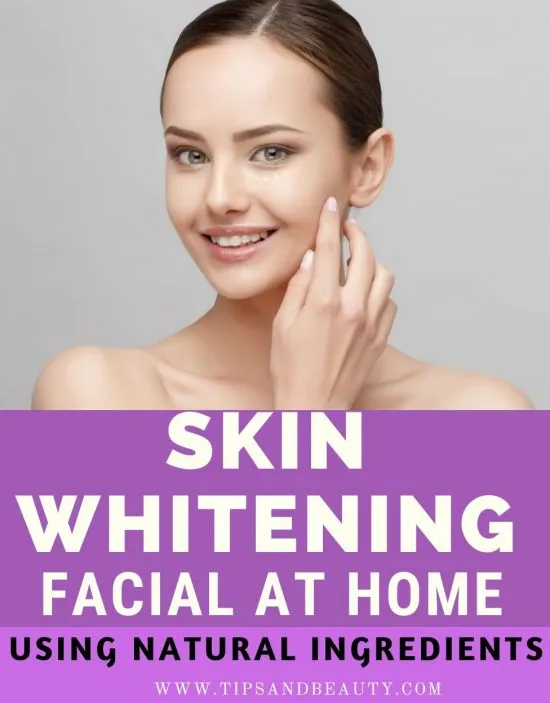
Understanding Skin Whitening
Skin whitening, also known as skin lightening or bleaching, is the practice of using substances, mixtures, or physical treatments to lighten skin tone and reduce the appearance of skin imperfections. The goal is often to achieve a more even complexion and reduce the visibility of dark spots, blemishes, and uneven pigmentation. While the desire for lighter skin is a personal choice, it’s important to approach skin whitening with a focus on safety and health. There are many different methods available, ranging from natural remedies to medical procedures. Understanding the underlying causes of skin discoloration is the first step in selecting the most effective and safest approach.
What Causes Skin Discoloration
Skin discoloration can result from a variety of factors, all of which affect the production of melanin, the pigment responsible for skin color. Understanding these causes is crucial to address them effectively. Common causes range from environmental factors to internal body changes. It’s important to identify the root cause of any skin discoloration issue before starting any treatment, because this helps in determining the most suitable method. This ensures the methods are targeted and effective for addressing the issue.
Hyperpigmentation

Hyperpigmentation is a common skin condition characterized by the darkening of the skin. This occurs when an excess of melanin, the pigment responsible for skin color, forms deposits in the skin. It can manifest as dark spots, patches, or uneven skin tone. Hyperpigmentation can be triggered by several factors including sun exposure, hormonal changes, skin injuries, and inflammation. Common types of hyperpigmentation include melasma, which is often linked to hormonal fluctuations, and post-inflammatory hyperpigmentation (PIH), which can result from acne, eczema, or other skin injuries. Effective treatment often involves addressing the underlying cause, protecting the skin from further damage, and using skin-lightening agents or procedures.
Sun Damage
Sun damage is one of the most significant contributors to skin discoloration and premature aging. Prolonged and unprotected exposure to ultraviolet (UV) radiation from the sun can lead to the overproduction of melanin. This results in dark spots, uneven skin tone, and a leathery texture. The sun’s rays penetrate the skin and damage the DNA of skin cells, causing a cascade of negative effects. The effects of the sun go beyond aesthetic changes; they also increase the risk of skin cancer. Preventing sun damage is therefore a critical part of skin care routines, with the daily use of sunscreen being the most important. Regular application of sunscreen helps protect the skin from harmful UV rays and reduces the risk of further damage.
Inflammation
Inflammation plays a significant role in skin discoloration, frequently leading to post-inflammatory hyperpigmentation (PIH). This occurs when the skin becomes inflamed due to injury, acne, eczema, or other irritants. The inflammatory response triggers melanocytes, the cells responsible for producing melanin, to overproduce pigment. This results in dark spots or patches that appear after the inflammation subsides. The intensity of PIH varies depending on the skin type, the severity of the inflammation, and the individual’s natural skin tone. Managing inflammation through gentle skincare, avoiding harsh products, and seeking treatment for underlying conditions can help minimize the development and severity of PIH. Furthermore, including ingredients in your routine that are anti-inflammatory such as niacinamide, can help reduce and prevent inflammation.
Top 7 Home Skin Whitening Secrets

Secret 1 Exfoliation
Exfoliation is a crucial step in any effective skin-whitening regimen. It involves removing dead skin cells from the surface, which can improve skin tone and texture. By removing these cells, you reveal the fresher, brighter skin beneath, helping to reduce the appearance of dark spots and uneven pigmentation. Regular exfoliation can also improve the absorption of other skin-whitening products, making them more effective. It can be achieved through both physical and chemical methods. Physical exfoliation uses tools like scrubs, brushes, or cloths to manually remove dead skin. Chemical exfoliation utilizes acids, such as alpha-hydroxy acids (AHAs) and beta-hydroxy acids (BHAs), to dissolve the bonds that hold dead skin cells together.
Benefits of Exfoliation
Exfoliation offers a multitude of benefits for the skin, beyond simply brightening the complexion. It helps unclog pores, preventing breakouts and reducing the appearance of blackheads and whiteheads. Removing dead skin cells encourages cellular turnover, which is essential for healthy skin. This can lead to a smoother skin surface, and a reduction in fine lines and wrinkles. The process also helps increase blood circulation, providing the skin with more nutrients and oxygen, and giving it a healthy glow. Consistent exfoliation allows skincare products to penetrate deeper into the skin, enhancing their effectiveness and maximizing their benefits. Choose the exfoliation method that suits your skin type to achieve the best results.
Exfoliation Methods

There are several methods for exfoliating the skin, each with its unique approach and benefits. Physical exfoliants like scrubs and brushes mechanically remove dead skin cells. Scrubs contain granules that gently rub away the surface layer, while brushes can be used for a deeper clean. Chemical exfoliants, such as AHAs and BHAs, utilize acids to loosen the bonds between skin cells, promoting shedding. AHAs like glycolic and lactic acid are water-soluble and ideal for dry or sun-damaged skin, while BHAs like salicylic acid are oil-soluble and work well for oily or acne-prone skin. Microdermabrasion is another method, performed by professionals, that uses a special device to sand away the outer layer of the skin. The choice of method depends on the skin type, concerns, and desired level of exfoliation.
Secret 2 Lemon Juice
Lemon juice is a popular home remedy for skin whitening, primarily because it contains citric acid, a natural AHA. This acid can help exfoliate the skin and lighten dark spots. The effectiveness of lemon juice lies in its ability to break down dead skin cells and promote cell turnover. When applied to the skin, the acid gently removes the top layer of dead cells, revealing the fresh skin underneath. Over time, this can lead to a reduction in the appearance of dark spots, acne scars, and uneven pigmentation. Using lemon juice as part of your skin care routine may also contribute to a brighter and more radiant complexion. Always use lemon juice with caution and proper dilution to minimize any risks.
Benefits of Lemon Juice
Lemon juice offers several potential benefits for the skin, including its skin-lightening properties. The citric acid in lemon juice can help reduce the appearance of dark spots, acne scars, and hyperpigmentation. Furthermore, the juice has antioxidant properties that can protect the skin from free radical damage. Lemon juice also possesses astringent qualities, which can help tighten pores and control oil production. These properties can contribute to a clearer and more radiant complexion. Lemon juice can also help in the fight against acne and blackheads. However, it is important to remember the potential for sensitivity and use it with care.
Precautions

Using lemon juice on the skin requires caution due to its acidity. The high levels of citric acid can cause irritation, redness, and increased sensitivity to sunlight. It’s crucial to dilute lemon juice with water or other ingredients, such as honey or yogurt, to reduce the risk of irritation. Performing a patch test on a small area of skin before applying it to the entire face is recommended. This will help determine if your skin reacts negatively. It is crucial to limit sun exposure when using lemon juice on the skin. Always apply sunscreen with a high SPF to protect the skin from UV rays. If you experience any burning, stinging, or excessive redness, immediately rinse your skin with cool water and discontinue use.
Secret 3 Honey and Yogurt Mask
Honey and yogurt combine to create a soothing and effective mask that can contribute to skin whitening. Honey is a natural humectant, meaning it attracts and retains moisture, which can improve the skin’s hydration. It also has antibacterial properties that can help with acne and blemishes. Yogurt contains lactic acid, a gentle AHA that exfoliates the skin, removing dead cells and promoting a brighter complexion. This combination can help even out skin tone, reduce dark spots, and improve the overall texture of the skin. The ingredients are generally safe for all skin types. Honey and yogurt also have anti-inflammatory properties, further supporting skin health.
Benefits of Honey and Yogurt
Honey and yogurt offer a range of benefits when used in a mask for skin whitening. Honey provides hydration, antibacterial action, and antioxidant effects, nourishing and protecting the skin. Yogurt’s lactic acid gently exfoliates, revealing brighter skin and reducing the appearance of dark spots. This combination can also help reduce inflammation, calm irritated skin, and improve skin texture. Regularly using a honey and yogurt mask can lead to a more even skin tone, increased skin radiance, and improved overall skin health. Moreover, the natural properties of these ingredients make the mask a suitable option for sensitive skin.
How to Make the Mask

Creating a honey and yogurt mask is simple and requires only a few ingredients. Mix equal parts of plain yogurt and raw honey in a clean bowl. Ensure that the yogurt is plain and contains no added sugars or flavors, for the best results. Apply the mixture evenly to your clean face and leave it on for 15-20 minutes. During this time, the mask can gently exfoliate, hydrate, and nourish the skin. Rinse thoroughly with lukewarm water and gently pat your face dry. The mask can be used 1-2 times per week for noticeable improvements in skin tone and texture. Always do a patch test before applying to the entire face to ensure there is no reaction.
Secret 4 Aloe Vera
Aloe vera is well-known for its soothing and healing properties, making it a valuable ingredient in skin whitening treatments. The gel from the aloe vera plant contains numerous vitamins, minerals, and antioxidants that support skin health. It helps reduce inflammation, calm irritated skin, and promote healing. Aloe vera can also inhibit the production of melanin, potentially lightening dark spots and evening out skin tone. The gel helps moisturize the skin. Regular use of aloe vera can provide a brighter complexion, reduce the appearance of scars, and overall improve skin health. Aloe vera is generally safe for most skin types, but performing a patch test is recommended.
Benefits of Aloe Vera
Aloe vera offers numerous benefits for skin whitening, including its anti-inflammatory and soothing properties. It helps reduce redness and irritation, making it beneficial for skin affected by conditions like sunburn or acne. Aloe vera also contains compounds that can inhibit melanin production, thus helping to lighten dark spots and hyperpigmentation. The moisturizing properties of aloe vera help hydrate the skin, promoting a healthy and radiant complexion. Regular use of aloe vera can improve skin elasticity, promote healing, and give the skin a smoother texture. It’s also a great option for those looking for a gentle, natural approach to skin care, since it is generally safe.
How to Use Aloe Vera

Using aloe vera for skin whitening is straightforward. Fresh aloe vera gel can be obtained by slicing open an aloe leaf and extracting the gel directly. Cleanse your face before applying the gel evenly. Let the gel sit for 15-20 minutes, allowing the nutrients to absorb into your skin. Rinse with cool water. You can repeat this process daily or several times a week. Aloe vera is also available in various skincare products, like creams, gels, and serums. When using aloe vera products, follow the instructions. Regular use can help improve skin tone, reduce dark spots, and soothe irritated skin. It’s always advisable to perform a patch test before using on your entire face.
Secret 5 Turmeric
Turmeric, a spice with a rich history in traditional medicine, contains curcumin, which provides significant anti-inflammatory and antioxidant benefits for the skin. These properties make turmeric a valuable ingredient in skin whitening regimens. Turmeric helps inhibit the production of melanin, which can lighten dark spots and improve skin tone. It also protects the skin from damage caused by free radicals, which are key contributors to premature aging and uneven skin tone. Regular use of turmeric can lead to a more radiant and even complexion, improved skin texture, and a reduction in the appearance of blemishes and acne scars. Turmeric is usually mixed with other ingredients to create a mask, maximizing its benefits and making it safe for various skin types.
Benefits of Turmeric
Turmeric provides many benefits for skin whitening, primarily due to its potent anti-inflammatory and antioxidant properties. Curcumin, the active compound in turmeric, helps reduce inflammation, which can be a root cause of skin discoloration. Its antioxidant properties protect the skin from free radical damage, leading to a brighter and more youthful complexion. Turmeric also aids in reducing dark spots, acne scars, and uneven skin tone. Moreover, turmeric can help improve skin elasticity and promote a natural glow. Regular application can result in a more even skin tone, and reduction of inflammation. Turmeric also helps in wound healing.
How to Make a Turmeric Mask
Creating a turmeric mask is easy, and it can be customized to meet your specific needs. A common recipe involves mixing turmeric powder with ingredients like yogurt, honey, and a few drops of lemon juice. Combine the turmeric powder with yogurt to create a smooth paste. Add honey for its moisturizing and antibacterial properties, and a few drops of lemon juice to boost its skin-lightening effects. Apply the mask evenly to your face. Let it sit for 15-20 minutes, and then rinse it off with lukewarm water. Apply sunscreen after use, especially because turmeric can increase the skin’s sensitivity to the sun. Regular use of a turmeric mask can brighten your skin, improve texture, and reduce the appearance of dark spots. Always perform a patch test before applying to the entire face.
Secret 6 Rice Water
Rice water, the starchy water left over after rinsing or boiling rice, has been used for centuries in East Asia for its skin-whitening benefits. The water contains vitamins, minerals, and antioxidants that are beneficial for skin health. It helps lighten skin tone, reduce dark spots, and improve overall complexion. The inositol in rice water aids in cell renewal. It also acts as a sunscreen, protecting the skin from sun damage. Regular use can lead to a more radiant complexion and improve skin elasticity. Rice water is a gentle and natural remedy that suits all skin types, making it a popular choice for those seeking a simple skin-whitening solution. Using rice water is simple, and it can easily be added into your regular skin care routine.
Benefits of Rice Water
Rice water offers several benefits for skin whitening, including its ability to brighten skin and reduce the appearance of dark spots. It contains antioxidants that protect the skin from environmental stressors, promoting a healthy complexion. The inositol in rice water helps to improve cell renewal and enhance skin elasticity, leading to a smoother and more youthful look. Rice water also acts as a gentle toner, helping to balance the skin’s pH levels and control oil production. The vitamins and minerals in rice water nourish the skin, providing a natural glow. Rice water is also a very gentle and natural remedy for many skin conditions.
How to Use Rice Water
Incorporating rice water into your skincare routine is straightforward. You can make rice water by rinsing uncooked rice thoroughly and then soaking it in water for 30 minutes to an hour. Strain the water, and it is ready to use. The collected water can be used as a facial toner, applied after cleansing, or as a face mask, leaving it on for 15-20 minutes before rinsing. You can also use rice water as a hair rinse to add shine and improve scalp health. Regular use of rice water can lead to a brighter complexion, reduced dark spots, and improved skin elasticity. Store rice water in the refrigerator to prevent spoilage and use it within a few days for the best results.
Secret 7 Healthy Diet
A healthy diet plays a crucial role in skin whitening and overall skin health. What you eat directly affects the appearance and condition of your skin. A diet rich in vitamins, minerals, and antioxidants can help lighten skin tone, reduce dark spots, and promote a radiant complexion. Foods that are high in these nutrients can also help fight against the effects of aging, and protect the skin from damage. A well-balanced diet is essential, and it can support the skin whitening treatments you may be using. Drinking plenty of water to stay hydrated is also important to keep your skin healthy. A balanced diet is essential for achieving and maintaining a healthy complexion.
Foods to Include
Include a variety of foods in your diet that are beneficial for skin whitening and overall health. Fruits and vegetables, particularly those rich in antioxidants, are essential. Berries, such as blueberries and strawberries, offer high antioxidant levels to protect the skin from damage. Citrus fruits, like oranges and lemons, are rich in vitamin C, which helps brighten skin and promote collagen production. Leafy greens provide essential nutrients. Incorporate healthy fats from sources like avocados and nuts, which help to keep your skin moisturized. Foods rich in omega-3 fatty acids. Include foods that contain protein. Staying hydrated is essential. Consuming these foods can contribute to a brighter complexion, reduce dark spots, and improve skin elasticity.
Foods to Avoid
Avoiding certain foods can help enhance skin whitening efforts and support overall skin health. Processed foods, which often contain high levels of sugar, salt, and unhealthy fats, can contribute to inflammation and negatively affect the skin. Excessive sugar intake leads to glycation, which can damage collagen and lead to premature aging. High-sodium foods can cause the skin to retain water, which can lead to puffiness and dullness. Dairy products have been linked to breakouts for some individuals. Alcohol and excessive caffeine can dehydrate the skin, diminishing its radiance and making it appear dull. A balanced diet that limits these foods will contribute to clearer skin and support skin-whitening treatments.
Important Considerations
Consulting a Dermatologist
Consulting a dermatologist is an essential step when considering skin whitening treatments. A dermatologist can assess your skin type, identify the underlying causes of skin discoloration, and recommend safe and effective treatments. They can provide expert advice on the suitability of home remedies and help you avoid any potential risks. Dermatologists can also offer professional treatments like chemical peels, microdermabrasion, or prescription creams, such as those containing hydroquinone or retinoids, when necessary. This will help you get the best results and prevent any side effects. A dermatologist will help you set realistic expectations and develop a personalized skin care plan.
Realistic Expectations
Setting realistic expectations is crucial when pursuing skin whitening treatments. While many treatments can improve skin tone and reduce the appearance of dark spots, it is unlikely to drastically change your natural skin color. The effectiveness of treatments varies depending on the type of skin discoloration, the chosen methods, and individual factors. It’s important to understand that results take time and consistency. Patience is key when using home remedies, as it may take several weeks or months to see noticeable improvements. Being happy with your natural skin tone is important. Focus on achieving a more even complexion and overall healthier skin. Accepting and appreciating your natural beauty while working to enhance it ensures a positive and sustainable approach to skin care.