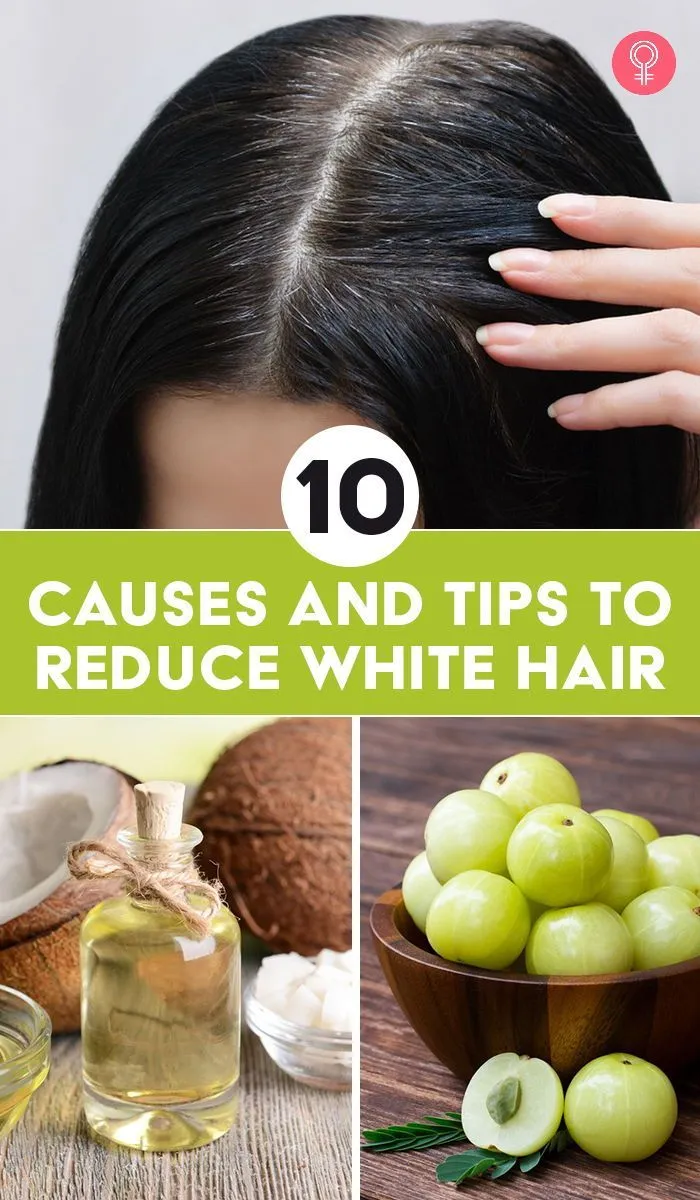
The Science Behind Hair Whitening
Hair whitening, often perceived as a simple cosmetic change, is actually a complex biological process deeply rooted in the science of how our bodies work. The most visible sign of hair whitening is the loss of pigment, which is mainly due to the decline or cessation of melanin production within the hair follicle. Melanin, produced by specialized cells called melanocytes, is responsible for giving hair its color. There are two primary types of melanin — eumelanin (which produces brown and black pigments) and pheomelanin (which produces red and yellow pigments). As we age, melanocyte activity naturally decreases, leading to reduced melanin production and the eventual appearance of white or gray hair. This process can also be affected by various other factors, including genetics, lifestyle, and environmental influences. Understanding the scientific basis of hair whitening provides valuable insights into the diverse reasons why our hair changes color and how to potentially address it.
Genetics and Hair Whitening
Genetics play a significant role in determining when and how quickly your hair whitens. If your parents or close relatives experienced premature hair whitening, there’s a higher likelihood that you will too. Genetic predispositions influence the activity of melanocytes and the rate at which melanin production declines. Some genes are directly involved in the synthesis and transport of melanin, while others influence the overall health and resilience of hair follicles. Understanding your family history can provide important clues about when you might start to see hair whitening and the pace at which it might progress. Although you can’t change your genes, being aware of your genetic predisposition can help you take proactive steps to mitigate the effects of hair whitening and maintain your hair health.
How Genes Influence Hair Whitening

Specific genes can directly affect the melanocyte function, influencing both the amount and type of melanin produced. Some genes regulate the longevity of melanocytes, affecting how long they remain active and capable of producing pigment. Others are involved in the structural integrity of hair follicles, which can indirectly impact melanin production by affecting the overall health of the hair. Research continues to identify specific gene variants that contribute to hair whitening, providing a deeper understanding of the underlying mechanisms. This knowledge can inform the development of targeted interventions, such as personalized treatments or lifestyle recommendations to manage and potentially delay hair whitening.
The Role of Melanin in Hair Color
Melanin is the primary pigment responsible for the color of your hair, skin, and eyes. The melanocytes in the hair follicles produce melanin, which is then transferred to the cells that form the hair shaft. The type and amount of melanin determine the hair color — eumelanin produces shades of brown and black, while pheomelanin results in red and yellow hues. The combination and ratio of these melanins give rise to the various natural hair colors we see. As we age, the melanocytes may become less efficient or eventually stop producing melanin, resulting in the loss of pigment. Without melanin, the hair appears white or gray, which is the natural color of keratin, the primary protein in hair. The health and function of melanocytes, therefore, are essential in maintaining hair color.
Ageing and Hair Whitening
Ageing is one of the most significant factors contributing to hair whitening. As we get older, our bodies undergo a natural decline in various functions, including melanin production in the hair follicles. This reduction is primarily due to the gradual depletion and reduced activity of melanocytes. Over time, these cells become less efficient at producing melanin, leading to a decrease in pigment within the hair. The rate at which hair whitens varies from person to person, influenced by genetics, ethnicity, and overall health. While it’s a natural part of the ageing process, the timing and extent of hair whitening can also be affected by lifestyle and environmental factors. Understanding the relationship between ageing and hair whitening allows individuals to manage expectations and take steps to maintain their hair health as they grow older.
The Natural Whitening Process

The natural whitening process is a gradual transition that occurs over time, as the melanocytes within the hair follicles become less active. This process typically begins around the age of 30, with hair whitening becoming more noticeable with each passing decade. The decline in melanin production is not always uniform, which can result in a mixed appearance of pigmented and white hairs, often seen as graying. Over time, the reduction in melanin leads to an increasing number of white hairs until the entire hair appears white. This process is a combination of biological factors, including reduced cell division, the accumulation of oxidative stress, and the diminishing activity of melanocytes. While inevitable, the speed of this process can be affected by genetics, health, and lifestyle choices.
Lifestyle Factors
Lifestyle choices significantly impact hair whitening, as certain habits and behaviors can accelerate the process. Diet, stress levels, and exposure to environmental factors all play a role in hair health and melanin production. A balanced diet rich in vitamins and minerals is essential for maintaining healthy hair follicles and supporting melanin production. Chronic stress and poor sleep can lead to hormonal imbalances, which can contribute to premature hair whitening. Exposure to pollution, excessive sunlight, and harsh chemicals can also damage hair follicles, causing hair to lose its pigment. Making conscious choices about your lifestyle can positively influence hair health, potentially delaying or slowing down hair whitening.
Stress and Hair Whitening
Chronic stress is known to have several detrimental effects on the body, including accelerating hair whitening. Stress triggers hormonal imbalances, such as increased cortisol levels, which can negatively impact melanocyte function. These imbalances can disrupt the natural processes of melanin production, causing hair to lose its pigment prematurely. Additionally, stress can lead to increased oxidative stress, which damages hair follicles and contributes to hair whitening. Managing stress through techniques like meditation, yoga, or regular exercise can help mitigate its impact on hair health and overall well-being. Addressing stress effectively not only benefits your mental health but also helps maintain the health and color of your hair.
Diet and Hair Whitening

A balanced and nutrient-rich diet is essential for maintaining healthy hair and preventing premature hair whitening. Certain vitamins and minerals play critical roles in melanin production and hair follicle health. Deficiencies in vitamins such as B12, D, and biotin, as well as minerals like iron and copper, have been linked to hair whitening. A diet rich in antioxidants, such as fruits and vegetables, can help combat oxidative stress that damages hair follicles and accelerates hair whitening. Including foods high in protein, omega-3 fatty acids, and essential nutrients supports overall hair health. Making mindful dietary choices can help provide the necessary building blocks for healthy hair and may slow down the process of hair whitening.
Vitamin Deficiencies and Hair Whitening
Specific vitamin deficiencies are closely associated with premature hair whitening. Vitamin B12 deficiency is particularly linked to graying hair, as this vitamin is crucial for the production of red blood cells, which carry oxygen to hair follicles. Deficiencies in vitamin D and biotin can also contribute to hair whitening, as these vitamins are essential for overall hair health and the regulation of melanocytes. Similarly, deficiencies in iron and copper, which are important for melanin synthesis, can accelerate the whitening process. Addressing these deficiencies through diet, supplements, or medical intervention can help restore and maintain hair color. Regular blood tests and consultations with a healthcare provider can help identify and address any nutritional deficiencies that may be impacting hair health.
Medical Conditions and Hair Whitening
Several medical conditions can contribute to premature hair whitening. Autoimmune diseases, such as alopecia areata, can attack hair follicles, leading to hair loss and changes in hair color. Thyroid disorders, both hyperthyroidism and hypothyroidism, can affect the production of melanin and disrupt the normal hair growth cycle. Certain genetic syndromes, like Waardenburg syndrome, are associated with premature graying. If you notice sudden or significant hair whitening, it’s essential to consult a healthcare professional to rule out any underlying medical conditions. Early diagnosis and treatment can help manage these conditions and potentially slow the progression of hair whitening.
Thyroid Problems and Hair Whitening

Thyroid disorders, both underactive (hypothyroidism) and overactive (hyperthyroidism) thyroids, can influence hair color and texture. The thyroid gland produces hormones that regulate metabolism, and these hormones also play a role in hair follicle function. Imbalances in thyroid hormone levels can disrupt the hair growth cycle, leading to changes in hair color, including premature whitening. Additionally, thyroid conditions can cause hair to become dry, brittle, or thin. Managing thyroid conditions through medication and lifestyle adjustments can help restore hormonal balance and improve hair health. If you suspect a thyroid issue, it’s crucial to consult with a healthcare professional for proper diagnosis and treatment.
Alopecia Areata and Hair Whitening
Alopecia areata is an autoimmune disorder that attacks hair follicles, often leading to hair loss in patches. While it primarily causes hair loss, it can also affect hair color. In some cases, hair regrows without pigment, resulting in white or gray patches within the affected areas. The inflammation caused by alopecia areata disrupts the melanocyte function, leading to the loss of melanin and the appearance of white hair. Treatment for alopecia areata may include topical or injected corticosteroids, as well as other medications to suppress the immune response and promote hair regrowth. Consulting with a dermatologist is essential for diagnosis and management of alopecia areata and its effects on hair color.
Smoking and Hair Whitening
Smoking is a significant lifestyle factor that contributes to premature hair whitening. The chemicals in cigarettes, including nicotine, can damage hair follicles and reduce blood flow to the scalp, depriving hair of essential nutrients. Smoking also increases oxidative stress in the body, leading to damage of melanocytes and accelerated melanin loss. Studies show a clear correlation between smoking and early hair whitening. Quitting smoking can improve overall health, including hair health, by reducing exposure to harmful chemicals and increasing blood circulation. Avoiding smoking is one of the most effective steps you can take to preserve the health and color of your hair.
The Impact of Smoking on Hair Health

Smoking directly damages hair follicles, disrupting the normal hair growth cycle. The toxins in cigarette smoke constrict blood vessels, reducing blood flow to the scalp and limiting the supply of oxygen and nutrients necessary for healthy hair growth. This reduced circulation weakens hair follicles, making them more susceptible to damage and premature whitening. Smoking also increases the levels of free radicals in the body, contributing to oxidative stress that further damages hair follicles and melanocytes. The cumulative effects of smoking accelerate the ageing process, including hair whitening. By quitting smoking, individuals can reverse some of the damage and improve the overall health and appearance of their hair.
Environmental Factors
Environmental factors, such as sun exposure and pollution, can contribute to hair whitening. The sun’s ultraviolet (UV) rays can damage hair follicles and the melanin within them. Pollution contains various harmful chemicals that can lead to oxidative stress and damage hair follicles. Protecting your hair from environmental damage is crucial for maintaining its health and color. Wearing hats, using UV protectant hair products, and minimizing exposure to pollutants can help prevent premature hair whitening and maintain vibrant hair.
Sun Exposure and Hair Whitening
Prolonged sun exposure can accelerate hair whitening, as UV rays can damage the hair shaft and the melanin within it. The sun’s UV radiation breaks down melanin, causing hair to lose its pigment and become lighter or white. Moreover, sun exposure can dry out hair, making it more brittle and susceptible to damage. Protecting your hair from the sun is essential, especially during peak hours and in sunny climates. Using hats, scarves, and hair products with UV protection can shield your hair from the harmful effects of the sun and help maintain its natural color.
Pollution’s Effect on Hair

Exposure to pollution can contribute to hair whitening. Pollutants, such as heavy metals and particulate matter, create free radicals, which contribute to oxidative stress within the hair follicles. This oxidative stress damages melanocytes and impairs melanin production. Additionally, pollutants can weaken the hair shaft, making it more vulnerable to damage and further affecting its color. Minimizing exposure to polluted environments and using hair products that help protect against pollutants can help maintain hair color and health. Washing your hair regularly to remove pollutants can also mitigate their adverse effects.
Products and Hair Whitening
The use of certain hair products and treatments can influence the appearance of hair whitening. Harsh chemical treatments, such as perms, relaxers, and repeated bleaching, can damage hair follicles and reduce melanin production. Overuse of heat styling tools, like hair dryers, straighteners, and curling irons, can also damage hair and accelerate whitening. Choosing gentle, sulfate-free shampoos and conditioners can help preserve hair color and maintain healthy hair. Minimizing the use of harsh chemicals and heat styling can prevent damage and slow down the rate of hair whitening. Always look for products that are specifically designed to protect and nourish your hair.
Chemical Treatments and Hair Whitening
Chemical treatments can have a detrimental impact on hair, including accelerating the whitening process. Harsh chemicals found in perms, relaxers, and hair dyes can damage hair follicles and disrupt melanin production. Bleaching, which removes pigment from hair, is a particularly aggressive treatment that can lead to increased hair whitening over time. These treatments can weaken the hair shaft, making it more vulnerable to environmental damage and accelerating the loss of pigment. Opting for gentler treatments, using protective products, and limiting the frequency of chemical processes can help reduce the impact on hair health and potentially slow down hair whitening.
Hair Products and Hair Whitening
The choice of hair products can also affect hair whitening. Some products contain harsh chemicals, such as sulfates and parabens, that can strip the hair of its natural oils, causing dryness and damage. Certain styling products may also contribute to the build-up on the scalp and hinder hair health. Choosing products that are formulated for color-treated or aging hair can help maintain hair color and health. Using gentle shampoos and conditioners, along with products that offer UV protection, can safeguard your hair from environmental damage. Always check the ingredient list and avoid products that contain harsh chemicals or ingredients that may be damaging to your hair.
What Can You Do
While hair whitening is a natural process, certain lifestyle changes and treatments can help slow down or manage its effects. Adopting a healthy lifestyle, including a balanced diet, stress management techniques, and avoiding smoking, can significantly impact hair health. Using hair products designed for color-treated or aging hair can help protect and nourish the hair. Seeking medical advice for any underlying health conditions or vitamin deficiencies is also essential. Understanding the reasons behind hair whitening empowers you to take proactive steps to maintain your hair’s health and appearance, and to embrace the changes gracefully.
Dietary Adjustments
Adjusting your diet can significantly impact hair health and potentially slow down hair whitening. Focus on consuming a balanced diet rich in vitamins, minerals, and antioxidants. Include foods high in vitamin B12, vitamin D, biotin, iron, and copper. Eat plenty of fruits and vegetables, especially those rich in antioxidants, to combat oxidative stress. Incorporate protein-rich foods like lean meats, fish, eggs, and legumes. Stay hydrated and drink plenty of water. By making conscious dietary choices, you can provide your hair follicles with the necessary nutrients for maintaining melanin production and healthy hair.
Managing Stress
Managing stress is vital for overall health, including hair health. Chronic stress can accelerate hair whitening, so incorporating stress-reducing techniques into your daily routine can make a difference. Practice relaxation techniques like meditation, yoga, or deep breathing exercises. Engage in regular physical activity to release endorphins and reduce stress hormones. Ensure you get enough sleep, as sleep deprivation can also increase stress levels. Seek professional help from a therapist or counselor if you’re struggling with chronic stress. Creating a stress-free environment and adopting healthy coping mechanisms will benefit your hair and overall well-being.
Seeking Medical Advice
Consulting with a healthcare professional is essential if you’re concerned about premature hair whitening. A doctor can assess your overall health, rule out any underlying medical conditions, and identify potential vitamin deficiencies. They may recommend blood tests to check for any nutritional imbalances or thyroid issues that could be affecting your hair. Depending on your specific situation, your doctor might suggest supplements or medications to address any underlying conditions. Seeking expert advice will help determine the best course of action and ensure you are addressing the root causes of hair whitening. Early intervention and proactive care can help you manage your hair health and appearance.
Conclusion
Hair whitening is a complex process influenced by genetics, ageing, lifestyle, and environmental factors. While it’s a natural part of life, understanding the reasons behind hair whitening allows you to take proactive steps to maintain your hair’s health and appearance. By adopting a healthy lifestyle, managing stress, and seeking medical advice when needed, you can influence the rate at which your hair whitens. Embrace the journey and focus on overall well-being. Whether you choose to embrace your natural hair color or explore options to maintain your pigment, remember that healthy hair is beautiful hair. With informed choices and consistent care, you can navigate the process of hair whitening with confidence and grace.