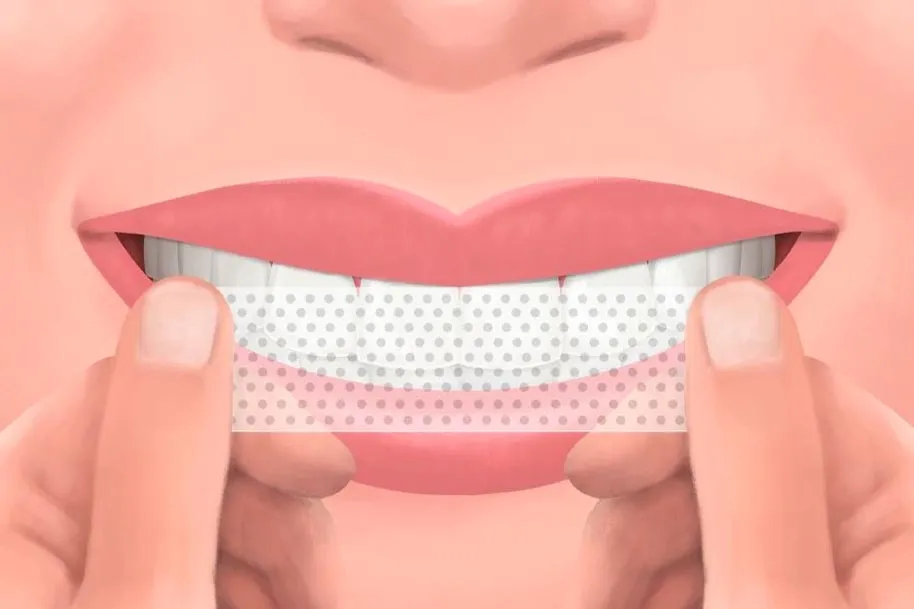
What Are Expired Teeth Whitening Strips?
Teeth whitening strips have become a popular method for achieving a brighter smile. These convenient, over-the-counter products promise to lighten teeth by removing stains and discoloration. But what happens when your strips are past their expiration date? The question of using expired teeth whitening strips often arises, and understanding the potential effects is crucial for maintaining both your oral health and the effectiveness of your whitening efforts. Expired strips may not deliver the same results and could potentially pose some risks. They usually come in a pre-packaged form, with a set of adhesive strips that you apply directly to your teeth. These strips are designed to adhere to the teeth for a specified period, allowing the active ingredients to penetrate the enamel and break down stains.
The Composition of Whitening Strips
To understand the implications of using expired strips, it’s essential to know what they are made of. Whitening strips typically consist of a flexible, plastic-like material coated with a whitening agent. This agent is the key to the product’s effectiveness, and it usually includes hydrogen peroxide or carbamide peroxide. The strips are designed to adhere to the teeth, ensuring the whitening agent stays in contact with the enamel for a set amount of time. Other components include a bonding agent that helps the strip stick to the teeth and a solvent that helps to distribute the whitening agent evenly. The overall composition is engineered to be both effective and safe, provided the product is used as directed and before its expiration date. The effectiveness and safety of the strips rely heavily on the stability and concentration of the active ingredients.
Active Ingredients in Whitening Strips

The primary active ingredients in teeth whitening strips are hydrogen peroxide and carbamide peroxide. Hydrogen peroxide is a strong oxidizing agent that breaks down into water and oxygen. This process helps to remove stains by oxidizing the discolored molecules within the tooth enamel. Carbamide peroxide, on the other hand, is a compound that breaks down into hydrogen peroxide and urea. The urea component acts as a stabilizer, allowing the hydrogen peroxide to be released slowly over time. Both ingredients are effective at whitening teeth, but their concentrations and formulations can vary between different products. The concentration of the active ingredient is a significant factor in the effectiveness of the strips. Higher concentrations can lead to faster results, but they may also increase the risk of side effects like tooth sensitivity and gum irritation.
The Role of Hydrogen Peroxide
Hydrogen peroxide plays a crucial role in the teeth whitening process. As an oxidizing agent, it penetrates the enamel and dentin of the teeth, where it breaks down the organic molecules responsible for discoloration. This process effectively removes stains caused by food, drinks, and other factors. The hydrogen peroxide molecules react with the stained molecules, causing them to break down into smaller, less noticeable components. This results in a brighter appearance of the teeth. The concentration of hydrogen peroxide is a key factor in determining the efficacy and the potential side effects of the whitening process. Higher concentrations can lead to quicker whitening results, but they may also increase the likelihood of sensitivity and irritation. Therefore, it is important to consider the concentration levels when using any whitening product.
Fact 1 Expired Strips May Be Less Effective
One of the primary concerns with expired teeth whitening strips is a reduction in their effectiveness. The active ingredients, hydrogen peroxide or carbamide peroxide, degrade over time. As these compounds break down, their whitening power diminishes, leading to less noticeable results. This means that even if you use the strips as directed, you may not achieve the desired level of whitening. The degradation process is influenced by several factors, including storage conditions, temperature, and exposure to light. Over time, the concentration of the active ingredient decreases, rendering the product less potent. This can be particularly frustrating for users expecting a brighter smile. Therefore, it’s important to consider the shelf life and expiration date of the strips to ensure they are effective.
How Expiration Affects Potency

The expiration date on teeth whitening strips indicates the point at which the product’s effectiveness is no longer guaranteed. The active ingredients, such as hydrogen peroxide, begin to break down over time. This degradation results in a reduced concentration of the whitening agent. As a result, the expired strips may not be able to effectively remove stains and brighten your teeth. The rate at which the active ingredients degrade depends on how the strips are stored and the initial concentration of the active agents. Higher concentrations of the active ingredient may degrade faster than lower concentrations. Using expired strips is unlikely to cause severe harm, but you will likely not see the same results compared to using strips within their expiration date.
Signs of Reduced Effectiveness
When using expired teeth whitening strips, the most noticeable sign of reduced effectiveness is the lack of expected results. You may find that your teeth do not appear any whiter, even after following the usage instructions for the recommended period. Another sign is the duration of the treatment. If the strips were once effective at lightening your teeth in a few applications, and now it takes significantly longer or doesn’t happen at all, it is a good sign they are not working. Also, the appearance of the strips themselves can provide clues. If the strips look dry, brittle, or discolored, the whitening agent may have degraded. Always compare the results you are getting with the results you expect to get, based on previous experience, the product’s claims, and reviews.
Fact 2 Expired Strips May Cause Irritation
While the active ingredients in teeth whitening strips are generally safe, expired strips can increase the risk of irritation. This is because the chemical composition of the strips changes over time. This can lead to an increased risk of side effects such as gum sensitivity and discomfort. When the active ingredients break down, they may form different compounds that could be more irritating to the soft tissues in your mouth. Additionally, the adhesive used in the strips may become less stable or break down, potentially causing more irritation to your gums. The overall effects of using expired strips may lead to issues such as swelling, redness, and tenderness in the gums. If you experience any of these symptoms, it is recommended to stop using the strips and consult with a dentist.
Potential for Gum Sensitivity

Gum sensitivity is a common side effect associated with teeth whitening treatments, and using expired strips can potentially exacerbate this issue. The chemical changes that occur in expired strips can make the active ingredients more concentrated or create new compounds that irritate the gums. This can lead to increased sensitivity, making your gums tender and painful. If you already have sensitive gums, the use of expired strips can worsen the condition. Symptoms may include redness, swelling, and a burning sensation in the gums. To minimize this risk, it is essential to discard expired strips and choose products that are within their expiration date. Additionally, maintaining good oral hygiene can help mitigate any potential irritation.
Dealing with Tooth Discomfort
Tooth discomfort is another potential side effect of using expired teeth whitening strips. The altered chemical composition of the strips might irritate the teeth, leading to temporary sensitivity or pain. This discomfort can range from a mild tingling sensation to more pronounced sharp pains, especially when consuming hot or cold foods and beverages. To manage tooth discomfort, it is important to stop using the strips immediately if you experience any pain. You can also try using toothpaste designed for sensitive teeth. These toothpastes often contain ingredients like potassium nitrate, which help to reduce tooth sensitivity by blocking the pain signals to the nerves. If the discomfort persists or worsens, it’s advisable to consult your dentist to rule out any underlying issues.
Fact 3 Safety Concerns with Expired Strips
Using expired teeth whitening strips poses potential safety concerns. Although the risks are generally low, expired products may not be as safe as those within their expiration date. One of the primary concerns is the potential for bacterial growth. Over time, the packaging of the strips may degrade or become compromised, allowing bacteria to contaminate the product. Using contaminated strips can introduce bacteria into your mouth, leading to infections or other oral health problems. In addition, the altered chemical composition of the active ingredients in expired strips might cause unexpected reactions. It is important to avoid using expired products to avoid any safety issues. Always discard expired strips and purchase new ones from a reputable source.
Risk of Bacterial Growth

Expired teeth whitening strips can create an environment where bacteria can thrive. This is primarily due to changes in the packaging or the chemical composition of the strips over time. The integrity of the packaging might be compromised, which exposes the strips to air, moisture, and other environmental factors that promote bacterial growth. Additionally, the breakdown of the active ingredients could create new compounds that support bacterial proliferation. Using strips contaminated with bacteria can lead to a number of oral health problems, including infections, inflammation, and increased risk of dental diseases. It is crucial to inspect the packaging for any signs of damage before using the strips and always discard expired products.
Proper Storage and Expiration Dates
Proper storage and awareness of expiration dates are crucial for maximizing the effectiveness and safety of teeth whitening strips. Store the strips in a cool, dry place away from direct sunlight and extreme temperatures. This helps to preserve the stability of the active ingredients and prevent premature degradation. Always check the expiration date before using the strips. Do not use the strips if the date has passed. Adhering to the manufacturer’s storage instructions and expiration date guidelines ensures that the product remains effective and minimizes the risk of side effects. Proper storage practices can prolong the shelf life of your strips and ensure optimal performance. Regularly inspect the packaging for any signs of damage or contamination before use.
Fact 4 Storage and Shelf Life Matters
The shelf life of teeth whitening strips is influenced by how they are stored. Improper storage conditions can accelerate the degradation of the active ingredients. Heat, light, and moisture are the primary factors that contribute to this process. When the strips are exposed to these elements, the hydrogen peroxide or carbamide peroxide may break down faster, reducing the whitening power and potentially altering the product’s safety profile. The manufacturer’s instructions usually specify the ideal storage conditions. Following these guidelines can help to maintain the potency and integrity of the strips. This is especially important if you plan to keep the strips for a long time or if you live in an area with extreme temperatures or humidity. If you notice any changes in the appearance of the strips or suspect they have been improperly stored, it is best to discard them.
Optimal Storage Conditions

To ensure that your teeth whitening strips remain effective and safe, it is important to store them correctly. The optimal storage conditions are typically a cool, dry place, away from direct sunlight and extreme temperatures. Keep the strips in their original packaging to protect them from environmental factors, such as moisture and air. Avoid storing the strips in bathrooms, as the humidity can degrade the active ingredients. A dark, dry cabinet or drawer is an ideal storage location. Make sure the storage area is away from sources of heat, such as radiators or direct sunlight. By following these simple storage guidelines, you can prolong the shelf life and maintain the effectiveness of your teeth whitening strips.
How to Check Expiration Dates
Checking the expiration date on teeth whitening strips is a crucial step before using them. The expiration date is usually printed on the packaging, often on the bottom or the side of the box. Locate the date, and ensure that it has not passed. If the expiration date has passed, the strips are no longer guaranteed to be effective, and their use is not recommended. If the date is unclear, or if the packaging is damaged, it is best to discard the strips. Always check the expiration date before using the strips to maintain the quality and to avoid any potential risks associated with expired products. The expiration date helps you assess the product’s usability and effectiveness. Never use a product past its expiration date to avoid potential safety risks.
Fact 5 Alternatives to Expired Strips
If you find that your teeth whitening strips have expired, there are several alternatives available to help you achieve a brighter smile. Using these alternatives is safer and more effective than using expired strips. One option is to consult with a dentist about professional teeth whitening treatments. They can provide safe and effective whitening options tailored to your needs. Another option is to explore over-the-counter whitening products that are within their expiration date. These alternatives include whitening toothpastes, gels, and mouthwashes. Selecting the right alternative is key to achieve the desired results safely and effectively. Consider your preferences and the recommendations of dental professionals.
Professional Whitening Options

Professional teeth whitening offers several advantages over over-the-counter options. Dentists use stronger whitening agents, such as high-concentration hydrogen peroxide, to achieve more dramatic and quicker results. These treatments are administered under controlled conditions, minimizing the risk of gum irritation and sensitivity. The dentist can also assess your oral health and address any underlying issues that could affect the whitening process. Professional whitening procedures include in-office treatments, which can brighten your teeth in a single session, or take-home whitening kits, which involve custom-fitted trays and whitening gel for use at home. Consulting a dental professional ensures a safe and effective whitening experience. They can provide personalized advice and monitor your progress throughout the treatment.
Over-the-Counter Alternatives
There are various over-the-counter teeth whitening alternatives that you can consider, such as whitening toothpastes, gels, and mouthwashes. Whitening toothpastes typically contain mild abrasives and chemicals that help remove surface stains, resulting in a brighter appearance. Whitening gels are often applied using custom-fitted trays or strips and contain a lower concentration of hydrogen peroxide compared to professional treatments. Whitening mouthwashes help to freshen breath and remove stains, but the results are usually less dramatic. When selecting an over-the-counter product, it is important to check the expiration date and follow the instructions carefully. Look for products that are approved by dental professionals and have proven effective in clinical studies. Be cautious with any product that claims instant results and consider potential side effects, such as tooth sensitivity.