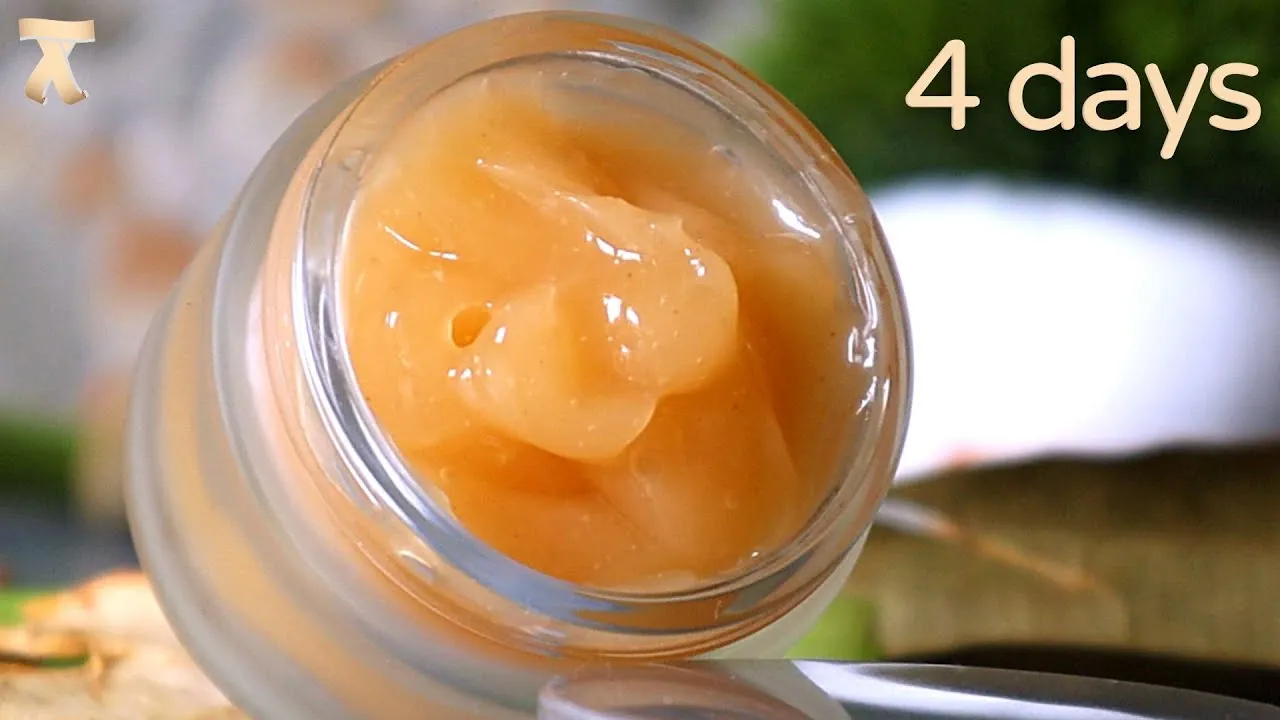
Understanding Skin Whitening & DIY Approach
The pursuit of brighter, more even-toned skin is a common desire, leading many to explore various skin whitening methods. While professional treatments exist, the DIY approach offers a cost-effective and often more natural way to achieve desired results. This article delves into the world of DIY skin whitening creams, providing you with top recipes and essential information to embark on this journey safely and effectively. It’s important to remember that skin whitening is not without its nuances, and understanding the process is the first step towards success. This guide aims to equip you with the knowledge you need to make informed decisions about your skincare routine.
What is Skin Whitening
Skin whitening, in essence, refers to the process of lightening the skin tone or reducing dark spots and hyperpigmentation. This can be achieved through various methods, all of which work by either inhibiting melanin production or exfoliating the skin to reveal brighter layers. Melanin is the pigment responsible for skin color, and its overproduction can lead to uneven skin tone, sunspots, and other forms of discoloration. DIY skin whitening creams often utilize natural ingredients known for their lightening properties. It’s essential to have realistic expectations and understand that results take time and consistency. This guide focuses on safe and effective DIY methods to improve skin appearance.
Benefits of DIY Skin Whitening Creams

The allure of DIY skin whitening creams lies in several key benefits. Primarily, they offer a more affordable alternative to expensive professional treatments. You have complete control over the ingredients, allowing you to choose natural components and avoid harsh chemicals. The use of natural ingredients also minimizes the risk of adverse reactions that can sometimes be associated with commercial products. Furthermore, creating your own creams allows for personalization, tailoring the recipes to your specific skin type and concerns. Many people also find satisfaction in the process of creating their own skincare products, fostering a sense of empowerment and connection with their beauty routine. Finally, many DIY recipes incorporate ingredients readily available, reducing the need for specialized products.
Things to Consider Before Starting
Before you start, there are important considerations. Conduct a patch test by applying a small amount of the cream to a discreet area of your skin (like the inner arm) and waiting 24 hours to check for any adverse reactions. It is vital to know your skin type, as what works for one skin type might not be suitable for another. Be patient; noticeable results typically take time and consistent use. Protect your skin from the sun using sunscreen daily, as sun exposure can undo the effects of skin whitening treatments. Ensure you source high-quality, fresh ingredients and adhere strictly to the recipes for optimal results. If you have sensitive skin or existing skin conditions, consult a dermatologist before using any DIY skin whitening cream. Also, be aware of the ingredients and their potential risks.
Top 5 DIY Skin Whitening Cream Recipes
Recipe 1 The Lemon & Honey Cream

Lemon is a natural bleaching agent thanks to its citric acid content, while honey acts as a humectant and soothes the skin. This combination is ideal for those seeking a brighter complexion. It is important to remember that lemon can increase skin sensitivity to the sun, so use it cautiously and always apply sunscreen when outdoors. This recipe is effective for reducing dark spots and promoting a more even skin tone.
Ingredients & Preparation
You will need 1 tablespoon of fresh lemon juice, 1 tablespoon of raw honey. Mix the lemon juice and honey in a clean bowl until thoroughly combined. Ensure the honey is raw, as it contains more beneficial enzymes. The mixture should have a slightly sticky consistency. Make a fresh batch each time you need to use it, as the ingredients will be most effective when fresh.
How to Apply & Use
Apply a thin layer of the mixture to clean, dry skin, avoiding the eye area. Leave it on for 15-20 minutes. Rinse thoroughly with lukewarm water. Pat your skin dry and follow up with a moisturizer and sunscreen. Use this cream 2-3 times a week. Discontinue use if you experience any irritation. Avoid using the cream if you have open wounds or broken skin.
Recipe 2 Turmeric and Yogurt Mask

Turmeric, a staple in Ayurvedic medicine, contains curcumin, a powerful antioxidant and anti-inflammatory compound. Yogurt provides lactic acid, which gently exfoliates the skin. This mask is effective for reducing blemishes, evening out skin tone, and brightening the complexion. Be careful with turmeric, as it can stain clothing and skin if not mixed with a base.
Ingredients & Preparation
You will need 1 teaspoon of turmeric powder, 2 tablespoons of plain yogurt (unflavored, full-fat). In a bowl, combine the turmeric powder and yogurt, mixing until you have a smooth paste. Make sure there are no lumps. For sensitive skin, you can add a few drops of honey to the mixture. Ensure the yogurt is fresh for the best results.
How to Apply & Use
Apply a thick layer of the paste evenly to your face and neck. Avoid the eye area. Let it sit for 15-20 minutes, allowing the ingredients to work their magic. Rinse thoroughly with lukewarm water, gently massaging your skin to remove any remaining turmeric. Pat your skin dry and follow up with a moisturizer. Use this mask 1-2 times a week. A slight yellow tint on the skin can occur, but this usually washes off after a few washes. Make sure that you don’t have any allergies to the ingredients.
Recipe 3 Aloe Vera and Cucumber Cream

Aloe vera and cucumber are known for their soothing and hydrating properties. They also offer mild skin-lightening effects. This cream is great for sensitive skin and those looking for a gentle approach to skin whitening. Aloe vera is rich in vitamins and minerals that support skin health.
Ingredients & Preparation
You will need 2 tablespoons of fresh aloe vera gel (from the plant or a pure product), 1/2 cucumber, peeled and blended. Blend the cucumber until it forms a smooth pulp. Mix the cucumber pulp and aloe vera gel thoroughly in a bowl. For best results, use freshly prepared aloe vera gel. You can also add a few drops of rose water for an added fragrance.
How to Apply & Use
Apply the mixture evenly to your face and neck, or to specific areas of concern. Allow it to sit for 20-25 minutes. Rinse with cool water. Pat your skin dry and moisturize. This cream can be used daily due to its gentle nature. The hydrating properties make it suitable for dry and sensitive skin types. Make sure you store the mixture in the fridge for up to three days.
Recipe 4 Milk and Almond Oil Cream

Milk contains lactic acid, a gentle exfoliant, while almond oil is rich in vitamin E and moisturizes the skin. This cream is beneficial for overall skin health and for lightening dark spots. This combination is also effective for reducing uneven skin tone.
Ingredients & Preparation
You will need 2 tablespoons of milk (whole milk preferred), 1 teaspoon of almond oil. Warm the milk slightly. Mix the milk and almond oil in a bowl until well combined. For extra benefits, you can add a pinch of saffron. Ensure you use fresh milk for this recipe.
How to Apply & Use
Apply the cream to clean skin and massage gently in circular motions. Leave it on for 20-30 minutes. Rinse with lukewarm water. Pat your skin dry and moisturize. Use this cream daily or every other day for best results. This cream is suitable for various skin types.
Recipe 5 Rice Flour and Milk Cream

Rice flour is a gentle exfoliant, while milk helps to lighten the skin. This cream is excellent for removing dead skin cells and improving skin tone. It is a cost-effective and readily available option.
Ingredients & Preparation
You will need 1 tablespoon of rice flour, 2 tablespoons of milk. Mix the rice flour and milk until you create a smooth paste. Adjust the milk amount to get your desired consistency. Make sure that the rice flour is finely milled for smoother application.
How to Apply & Use
Apply the paste to your face and gently massage in circular motions for a few minutes, focusing on areas with uneven skin tone. Leave it on for 15-20 minutes. Rinse with lukewarm water. Pat your skin dry and moisturize. Use this cream 2-3 times a week for optimal results. Those with sensitive skin should use a gentle hand when massaging.
Tips for Best Results & Safety Precautions

Consistency is Key
For any DIY skin whitening cream to work effectively, consistency is vital. Incorporate the creams into your regular skincare routine and use them regularly, according to the recommended frequency in the recipes. Be patient, as results generally take several weeks or months to become noticeable. Skipping applications can hinder your progress. Maintain a schedule that suits your lifestyle to help ensure you stick to your routine. Record and track progress to assess whether the creams are working well for you.
Sun Protection is Vital
Sunscreen is your best friend when using any skin whitening cream. Many ingredients in these creams make your skin more sensitive to the sun. Always apply a broad-spectrum sunscreen with an SPF of 30 or higher daily, even on cloudy days. Reapply sunscreen every two hours when you are outdoors. Sun damage can worsen hyperpigmentation and reverse the effects of your DIY creams. Protect your skin from the sun’s harmful UV rays by wearing protective clothing, hats, and seeking shade when possible. Without adequate sun protection, your efforts may be in vain.
Patch Test is Necessary
Before applying any new DIY skin whitening cream to your entire face, perform a patch test. Apply a small amount of the cream to a small area of your skin, such as the inside of your elbow or behind your ear. Wait 24-48 hours to see if any irritation, redness, itching, or other adverse reactions occur. If you experience any negative symptoms, discontinue use immediately. Patch testing can help you identify potential allergies or sensitivities to ingredients, preventing a full-blown allergic reaction on your face. This precaution is especially important if you have sensitive skin or a history of allergies. Remember, safety first.
Potential Risks & Side Effects
While DIY skin whitening creams can be effective, they also carry potential risks and side effects. Some ingredients, like lemon juice, can cause skin irritation, sun sensitivity, and even burns if used improperly. Overuse or misuse can lead to dryness, redness, and peeling. Always follow the recipes exactly and use ingredients in moderation. Some individuals may experience allergic reactions to certain ingredients, which is why patch testing is crucial. If you experience any adverse reactions, discontinue use immediately and consult with a dermatologist. Be cautious with ingredients you are unfamiliar with, and research their potential side effects. Be particularly careful with homemade recipes that include strong acids or bleaching agents.
Conclusion
DIY skin whitening creams offer a natural, affordable, and personalized way to achieve a brighter and more even skin tone. The recipes presented here provide a variety of options to address your specific needs and preferences. However, remember to prioritize safety by doing patch tests, protecting your skin from the sun, and being mindful of potential risks. Patience and consistency are crucial. By following these guidelines, you can embark on a safe and effective journey to brighter, healthier skin. It’s essential to be realistic about your expectations and enjoy the process of caring for your skin naturally. Remember to always consult with a dermatologist if you have any concerns about your skin or the ingredients you are using.