What Are Crest Whitening Strips?
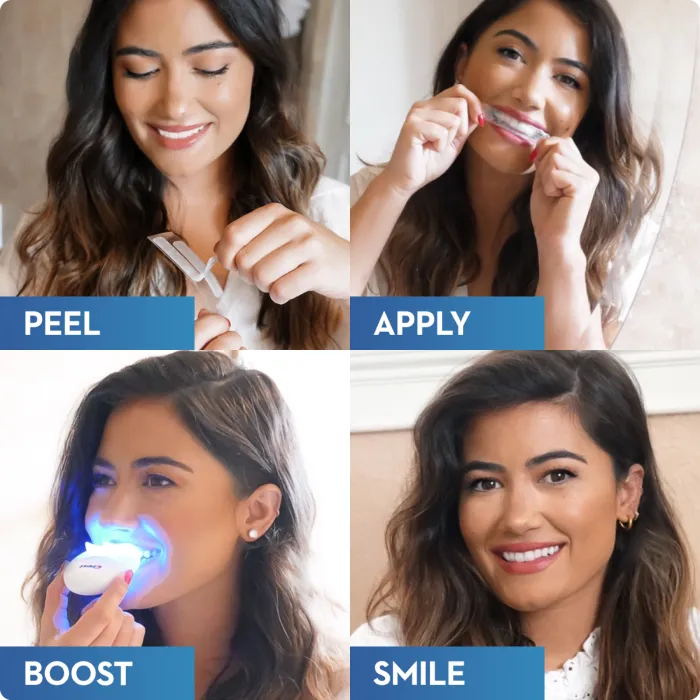
Crest Whitening Strips are a popular over-the-counter cosmetic product designed to whiten teeth. These strips contain a concentration of hydrogen peroxide, the active bleaching agent, which is applied directly to the tooth surface. They are typically thin, flexible plastic strips coated with a whitening gel. Users apply them to their teeth for a specified amount of time, often twice a day for a certain number of days, to achieve a brighter smile. Crest offers various types of whitening strips with different strengths and durations, catering to different user needs and levels of tooth discoloration. They have become a convenient and accessible alternative to professional teeth whitening treatments, allowing individuals to enhance their smile from the comfort of their home.
Overview of the Crest Whitening Strips
Crest Whitening Strips have gained widespread recognition for their ease of use and relatively low cost compared to professional treatments. The strips are designed to adhere closely to the teeth, ensuring that the whitening agent, usually hydrogen peroxide, has maximum contact with the enamel. This close contact is key to the whitening process, as the peroxide penetrates the enamel, breaking down stain molecules. The convenience of the product is a major selling point, as users can incorporate teeth whitening into their daily routines without the need for dental appointments. However, it is important to be aware that while Crest Whitening Strips can be effective, they are not without potential side effects. These can range from mild tooth sensitivity to more significant issues like gum irritation, enamel erosion, and allergic reactions. Therefore, understanding how these strips work and the potential risks involved is crucial before use.
How Crest Whitening Strips Work

The active ingredient in Crest Whitening Strips, hydrogen peroxide, works by penetrating the enamel and dentin of the teeth. When the hydrogen peroxide comes into contact with the stain molecules, it initiates an oxidation process. This process breaks down the complex stain molecules into smaller, less noticeable components, effectively making the teeth appear whiter. The strips are designed to be applied directly to the teeth, ensuring that the whitening gel is in close contact with the enamel. The duration of the treatment, as well as the concentration of hydrogen peroxide, will vary depending on the specific product and the manufacturer’s instructions. Generally, the longer the treatment duration and the higher the concentration, the more pronounced the whitening effect will be, but also the greater the risk of side effects. The effectiveness can be influenced by the type and severity of staining, with extrinsic stains (those on the surface) often responding better than intrinsic stains (those within the tooth structure).
Negative Effect 1 Tooth Sensitivity
Tooth sensitivity is one of the most commonly reported side effects of using Crest Whitening Strips. This sensitivity typically manifests as a sharp, temporary pain or discomfort in the teeth when exposed to hot or cold temperatures, or even to air. The hydrogen peroxide in the strips can penetrate the enamel and reach the dentin, which contains tiny tubules that connect to the nerve endings in the teeth. This exposure can irritate the nerves, leading to heightened sensitivity. The intensity of the sensitivity varies from person to person, but it can be significant enough to cause discomfort and make everyday activities, such as eating or drinking, unpleasant. This side effect is often temporary, subsiding within a few days after the whitening treatment is completed or after reducing the frequency of strip use. However, persistent or severe sensitivity should prompt consultation with a dentist.
What Causes Tooth Sensitivity
The primary cause of tooth sensitivity from Crest Whitening Strips is the hydrogen peroxide used in the whitening gel. This chemical can temporarily dehydrate the teeth and irritate the nerves within the dentin tubules. The tubules, which are microscopic channels, allow fluids to flow to the nerve, making them sensitive to external stimuli. The higher the concentration of hydrogen peroxide in the strips, the greater the potential for sensitivity. Additionally, individual factors such as the natural thickness of the enamel, the presence of existing dental issues (like micro-cracks or cavities), and overall oral health can influence the degree of sensitivity experienced. Some people may also be naturally more prone to sensitivity than others. Improper use, such as applying the strips for longer than recommended or using them more frequently than directed, can also exacerbate the problem and increase the likelihood of experiencing sensitivity.
How to Deal With Tooth Sensitivity

If you experience tooth sensitivity while using Crest Whitening Strips, there are several steps you can take to manage the discomfort. First, it’s essential to reduce the frequency of use or the duration of the treatment as recommended on the product’s instructions. Using a toothpaste designed for sensitive teeth, which contains ingredients like potassium nitrate, can help block the nerve signals and reduce pain. Avoiding extremely hot or cold foods and drinks can also minimize discomfort during the treatment period. You can also use a soft-bristled toothbrush and brush gently to avoid further irritation. If the sensitivity persists or becomes severe, consulting with a dentist is advisable; they may recommend stronger desensitizing treatments or other interventions to alleviate the discomfort.
Negative Effect 2 Gum Irritation
Another common side effect of Crest Whitening Strips is gum irritation, which can range from mild redness and inflammation to more severe cases of blistering or pain. This irritation occurs when the whitening gel comes into contact with the soft tissues of the gums, which can be more susceptible to the effects of the hydrogen peroxide. The chemical can cause a burning sensation, leading to inflammation and, in some cases, chemical burns. Gum irritation is often more pronounced if the strips are not applied correctly, for instance, if they overlap the gum line or do not adhere properly to the teeth. This irritation can not only be uncomfortable but also make it difficult to maintain good oral hygiene, which can further exacerbate the problem. Proper application and awareness of any irritation are crucial to minimize this side effect.
Causes of Gum Irritation From Crest Whitening Strips
The primary cause of gum irritation from Crest Whitening Strips is the direct contact of the hydrogen peroxide gel with the gum tissue. The gel is designed to stay on the teeth, but if the strips are not applied correctly, they can extend onto the gums. This can happen if the strips are too large or if the user doesn’t properly position them. Another factor is the concentration of hydrogen peroxide; higher concentrations are more likely to cause irritation. Furthermore, individuals with pre-existing gum conditions, such as gingivitis, may be more susceptible to irritation. Improper application techniques, such as over-applying the strips or using them more frequently than recommended, can worsen the irritation. Sensitivity to the ingredients in the gel, although less common, can also contribute to this side effect. Ensuring the strips fit well and are applied precisely is essential to reduce the risk.
How to Treat Gum Irritation

If you experience gum irritation while using Crest Whitening Strips, the first step is to discontinue use or reduce the frequency of application. Rinse your mouth with lukewarm water or a diluted salt water solution to soothe the irritated tissues. Applying a small amount of vitamin E oil to the affected areas can also help to promote healing. Avoiding irritating foods and drinks, such as those that are acidic or spicy, can also aid in the recovery process. If the irritation is severe, with significant pain or blistering, consult with a dentist. They may recommend the use of a topical anti-inflammatory agent or a protective barrier to prevent further irritation. Maintaining good oral hygiene, including gentle brushing and flossing, is crucial to avoid secondary infections and to facilitate healing.
Negative Effect 3 Enamel Erosion
Enamel erosion, although less common than tooth sensitivity or gum irritation, is a serious potential side effect of prolonged or improper use of Crest Whitening Strips. Enamel is the hard, protective outer layer of the teeth. Overexposure to hydrogen peroxide can gradually erode the enamel, making the teeth more susceptible to decay, sensitivity, and discoloration. This process occurs because the peroxide can break down the mineral structure of the enamel, weakening it over time. Enamel erosion is not easily reversible, and once it occurs, the affected enamel cannot regenerate. Prevention is, therefore, extremely important. Individuals should follow the manufacturer’s instructions carefully and avoid overuse to minimize the risk of enamel erosion. Regular dental check-ups can help to monitor for any early signs of enamel damage.
Understanding Enamel Erosion
Enamel erosion is the gradual wearing away of the enamel, the hard, protective outer layer of the teeth. It is caused by acids that dissolve the minerals that make up the enamel. In the case of Crest Whitening Strips, the acidic nature of the hydrogen peroxide can contribute to this erosion, especially if the strips are used excessively or if the enamel is already weakened. The process often starts subtly, with the enamel becoming thinner and more porous. This can lead to increased sensitivity and a change in the appearance of the teeth, such as a more transparent look or the appearance of small cracks. Severe enamel erosion can expose the underlying dentin, which is softer and more prone to decay. The damage caused by enamel erosion is irreversible, highlighting the importance of prevention and proper usage of whitening products.
Preventing Enamel Erosion

Preventing enamel erosion when using Crest Whitening Strips involves several key strategies. Always follow the manufacturer’s instructions regarding the duration and frequency of use. Avoid using the strips more often or for longer than recommended. Consider using a toothpaste that contains fluoride, as fluoride helps to strengthen the enamel and protect against acid erosion. Reduce your consumption of acidic foods and drinks, such as citrus fruits, sodas, and fruit juices, as these can also contribute to enamel erosion. Ensure you maintain good oral hygiene by brushing your teeth gently with a soft-bristled toothbrush and flossing regularly. Regular dental check-ups are essential, as your dentist can monitor the condition of your enamel and provide guidance on the safe use of whitening products.
Negative Effect 4 Allergic Reactions
Although rare, allergic reactions can occur in some individuals using Crest Whitening Strips. These reactions can be triggered by ingredients in the whitening gel, such as hydrogen peroxide or other additives. Allergic reactions can manifest in a variety of ways, ranging from mild skin irritations to more severe systemic responses. Symptoms can include itching, swelling, hives, and, in severe cases, difficulty breathing. If you experience any signs of an allergic reaction, it is crucial to discontinue use of the strips immediately and seek medical attention. The risk of allergic reactions is generally low, but it is important to be aware of the potential for such reactions and to recognize the symptoms promptly. If you have known allergies or sensitivities, consult with a dentist or healthcare professional before using these products.
Common Allergic Reactions
Common allergic reactions to Crest Whitening Strips can vary in severity. Mild reactions may include localized itching, redness, or a slight rash around the mouth or on the gums. Moderate reactions may involve swelling of the lips, tongue, or throat. More severe reactions, although rare, can result in hives, difficulty breathing, and anaphylaxis, a life-threatening condition. If you experience any of these symptoms, seek medical attention immediately. The ingredients that commonly cause allergic reactions include hydrogen peroxide, as well as various stabilizers, flavorings, and other additives in the whitening gel. It is essential to be aware of your body’s response and to discontinue use if any adverse symptoms occur. Reading the product label carefully and consulting with a dentist if you have known allergies can help minimize the risk of an allergic reaction.
What to Do If You Have an Allergic Reaction

If you suspect you are having an allergic reaction to Crest Whitening Strips, the first step is to stop using the product immediately. Rinse your mouth thoroughly with water to remove any residual whitening gel. Mild reactions, such as itching or minor skin irritation, may resolve on their own. However, if the symptoms are more severe, such as swelling, difficulty breathing, or widespread hives, seek immediate medical attention. You may need to take an antihistamine or, in the case of anaphylaxis, receive an epinephrine injection. It’s a good idea to document the symptoms and the product used, as this information can be helpful for your doctor. After an allergic reaction, it’s advisable to consult with your dentist or an allergist to identify the specific allergen and prevent future reactions. They may recommend alternative teeth whitening methods or products.
Negative Effect 5 Discoloration or Uneven Whitening
Crest Whitening Strips, while generally effective, can sometimes lead to discoloration or uneven whitening of the teeth. This can happen if the strips are not applied correctly, if there are pre-existing dental issues, or if the teeth have varying levels of stain absorption. In some cases, certain areas of the teeth may whiten more than others, resulting in an inconsistent appearance. This can be especially noticeable if the teeth have fillings, crowns, or veneers, as these restorations do not whiten in the same way as natural enamel. The effectiveness of the whitening process can also be affected by the type of stain present; for example, intrinsic stains, which are located within the tooth structure, may be more difficult to remove. Uneven whitening can be frustrating and may require professional intervention to correct.
Causes of Uneven Whitening
Several factors can contribute to uneven whitening with Crest Whitening Strips. Improper application is a common cause; if the strips do not make full contact with all surfaces of the teeth, some areas may not whiten effectively. The presence of fillings, crowns, or veneers is another factor, as these materials do not respond to the whitening agent. The natural variation in the enamel thickness and porosity across different teeth can also lead to uneven results. Certain types of stains, such as those caused by tetracycline antibiotics, may be more resistant to whitening. Furthermore, the level of stain intensity and the type of stain (extrinsic vs. intrinsic) can influence the overall whitening outcome. Individual differences in saliva composition and the overall health of the teeth can also impact the effectiveness and uniformity of the whitening process. Careful application and realistic expectations are important to manage this.
Solutions for Discoloration Issues

If you experience uneven whitening or discoloration after using Crest Whitening Strips, there are several solutions to consider. If the discoloration is mild, it might resolve on its own as the whitening process continues. Ensure that you are applying the strips correctly, making sure they cover all tooth surfaces. If the issue persists, consulting with a dentist is advisable. They may recommend professional teeth whitening treatments, which can provide more consistent results. Other options include dental bonding or veneers, which can cover up areas of discoloration and create a more uniform appearance. It’s also essential to evaluate the cause of the discoloration to address any underlying issues, such as dental decay or problems with existing dental restorations. Regular dental check-ups and proper oral hygiene can also help maintain the results of any whitening treatments.
Alternatives to Crest Whitening Strips
If you are concerned about the negative effects associated with Crest Whitening Strips, several alternatives are available to whiten your teeth. These options range from professional treatments provided by a dentist to at-home methods that are gentler and less likely to cause side effects. The best alternative will depend on your individual needs, the severity of the discoloration, and your budget. It’s always a good idea to consult with your dentist before starting any teeth whitening treatment to discuss your options and determine the best course of action for your specific situation. Understanding the different alternatives can help you make an informed decision about achieving a brighter smile.
Professional Teeth Whitening Options
Professional teeth whitening, performed by a dentist, is generally considered the most effective method for whitening teeth, though also typically the most expensive. This often involves the application of a stronger concentration of hydrogen peroxide or other whitening agents, activated by a special light or laser. The process is usually completed in a single office visit, with results that can be significantly more dramatic than those achieved with at-home methods. Dentists can also address pre-existing dental issues and can customize the treatment to the individual’s specific needs. Professional whitening is safer because it is performed under the supervision of a dental professional, reducing the risk of enamel erosion and other side effects. The dentist can also provide guidance on maintaining the results with at-home products and good oral hygiene practices.
At-Home Whitening Alternatives

Several at-home teeth whitening alternatives offer a less intensive approach compared to Crest Whitening Strips, making them a good option for those with sensitive teeth or who are concerned about side effects. Whitening toothpastes contain mild abrasives and chemicals that help to remove surface stains; however, they do not significantly change the color of the tooth itself. Whitening gels applied with custom-fitted trays, provided by a dentist, can offer a more controlled and effective method than over-the-counter strips, as they are tailored to your mouth and prevent gel from irritating the gums. Another alternative is using activated charcoal toothpastes or powders, though evidence of their effectiveness is limited, and they can be abrasive, potentially damaging enamel if overused. When choosing an at-home whitening product, always consult with a dentist to make sure it is appropriate for your specific dental health needs.
Conclusion
Crest Whitening Strips provide a convenient and affordable method for improving the appearance of your smile; however, it is crucial to be aware of their potential negative effects. Tooth sensitivity, gum irritation, enamel erosion, allergic reactions, and uneven whitening are all possible side effects that can affect your dental health. Understanding these risks and following the product instructions carefully can help minimize these issues. Alternatives, such as professional teeth whitening or gentler at-home methods, may be better choices for individuals with sensitive teeth or concerns about side effects. Consulting with a dentist is essential to make an informed decision about teeth whitening and to ensure the treatment is safe and suitable for your individual needs. Prioritizing your oral health is key to achieving a bright and healthy smile.