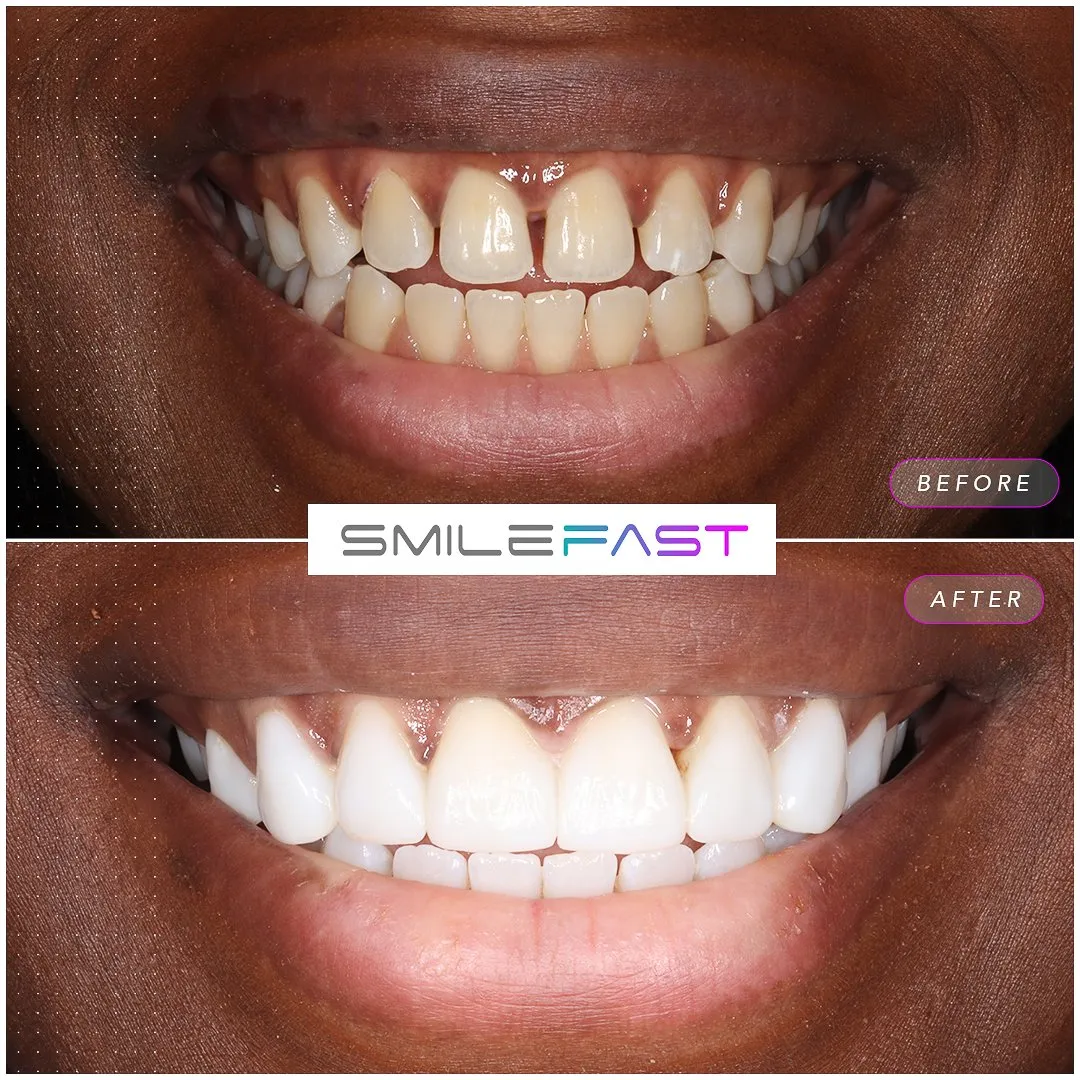
What is Composite Bonding and How Does it Work?
Composite bonding, also known as dental bonding, is a popular cosmetic dentistry procedure used to improve the appearance of teeth. It involves applying a tooth-colored composite resin to the teeth, which is then shaped, sculpted, and polished to achieve a natural-looking result. The procedure is versatile and can address various dental imperfections, including chips, cracks, gaps, and discoloration. The process begins with the dentist selecting a shade of composite resin that closely matches the natural color of the patient’s teeth. The resin is then applied to the tooth’s surface, layer by layer, and hardened using a special curing light. This bonding process is effective because the resin adheres directly to the tooth structure. It’s a minimally invasive technique, often completed in a single visit, making it a convenient option for those seeking a quick smile enhancement. The results can be remarkable, instantly improving the aesthetics of the teeth.
The Benefits of Composite Bonding for Whitening
Composite bonding offers significant advantages for teeth whitening beyond just the application of the resin. It effectively conceals stains and discoloration caused by factors such as coffee, tea, smoking, or aging. Unlike traditional teeth whitening methods, which may not always yield the desired results for deep or stubborn stains, composite bonding provides a reliable solution. The composite resin is designed to match the surrounding teeth, providing a uniform and natural-looking white appearance. This is particularly beneficial for individuals with internal tooth discoloration that cannot be addressed with surface treatments. Moreover, composite bonding can correct minor imperfections, such as small chips or gaps, contributing to a more symmetrical and attractive smile. The procedure is also more affordable than other cosmetic options, such as veneers, making it an accessible choice for many. The outcome is immediate and the impact on self-esteem can be considerable, giving patients renewed confidence in their smiles.
Teeth Whitening Composite Bonding Process

The composite bonding process for teeth whitening is typically straightforward, but the specific steps can vary depending on the individual’s needs and the dentist’s approach. It begins with a thorough assessment of the teeth to determine the extent of the discoloration and any other cosmetic concerns. The dentist will then select the appropriate shade of composite resin to match the desired level of whitening. The tooth surface is prepared by gently roughening it to ensure proper adhesion of the resin. The composite resin is then carefully applied to the tooth in layers, meticulously shaped to achieve the desired form and appearance. Once the desired shape is achieved, a special curing light is used to harden the resin. Finally, the dentist polishes the composite to create a smooth, natural-looking surface. The entire procedure is usually completed in one visit, making it a convenient option for patients seeking quick and effective teeth whitening.
Consultation and Planning
Before undergoing composite bonding for teeth whitening, a comprehensive consultation with a dentist is essential. This initial step involves a thorough examination of the patient’s oral health, including the teeth, gums, and overall bite. The dentist will discuss the patient’s cosmetic goals and expectations, taking into account the shade of white desired and the overall aesthetic outcome. X-rays may be taken to assess the underlying structure of the teeth and identify any potential issues, such as cavities or gum disease. The dentist will then evaluate whether composite bonding is the most appropriate treatment option, or if other procedures, such as veneers or teeth whitening, might be more suitable. During the consultation, the dentist will also explain the bonding process, including the benefits, risks, and aftercare instructions. A customized treatment plan will be developed, outlining the specific steps involved, the number of teeth to be treated, and the estimated cost. This planning stage ensures that the patient is fully informed and prepared for the procedure, leading to a satisfactory outcome.
Preparation of the Teeth
Proper preparation of the teeth is a crucial step in the composite bonding process to ensure successful adhesion and a long-lasting result. The first step involves cleaning the teeth thoroughly to remove any plaque, debris, or surface stains. The dentist will then select the appropriate shade of composite resin that best matches the desired whitening level. The tooth surface is then prepared by gently roughening it using a mild etching solution. This process creates microscopic irregularities on the enamel surface, which helps the composite resin bond securely to the tooth. A bonding agent is then applied to the prepared tooth surface. This bonding agent acts as an intermediary, creating a strong chemical bond between the tooth and the composite resin. The preparation process is generally painless and essential for achieving a durable and aesthetically pleasing outcome. Careful preparation helps the composite resin adhere correctly and prevent it from chipping or staining prematurely. The dentist’s meticulous approach during this stage directly influences the success and longevity of the composite bonding treatment.
Application of Composite Resin

The application of the composite resin is where the artistry of the procedure truly shines. The dentist applies the selected shade of composite resin to the prepared tooth surface in thin, carefully layered increments. Each layer is meticulously sculpted and shaped to match the desired contour, size, and overall aesthetic of the tooth. The dentist uses specialized instruments to carefully build up the tooth, addressing any imperfections, such as chips, gaps, or discoloration. After each layer of resin is applied, it is hardened using a special blue curing light. This process ensures that the resin bonds firmly to the tooth and solidifies its shape. The dentist continues to add and sculpt layers of resin until the desired shape and appearance are achieved. This process requires precision, skill, and a keen eye for detail. The result is a tooth that looks natural, healthy, and beautifully whitened. The careful application of the composite resin is what transforms the smile.
Shaping and Polishing the Composite
Once the composite resin has been applied and hardened, the dentist carefully shapes and polishes it to achieve a natural and seamless finish. This step is critical to ensure the composite bonding blends perfectly with the surrounding teeth and creates a smooth, comfortable surface. The dentist uses various specialized instruments, such as burs and polishing discs, to refine the shape, remove any excess material, and smooth out any imperfections. The goal is to create a surface that is indistinguishable from the natural enamel. Polishing is a crucial step, as it removes any microscopic imperfections that could collect stains or make the bonding more noticeable. The dentist will then assess the patient’s bite to ensure the composite bonding does not interfere with normal chewing function. The final result is a beautifully shaped, polished tooth that blends seamlessly with the natural teeth, creating a bright and confident smile. This meticulous attention to detail results in a cosmetic outcome that looks and feels completely natural.
Aftercare and Maintenance for Composite Bonding
Proper aftercare and maintenance are essential to ensure the longevity and aesthetic appeal of composite bonding. Patients should practice diligent oral hygiene, including brushing their teeth twice a day with a soft-bristled toothbrush and flossing daily. Regular dental checkups and professional cleanings are also crucial to remove plaque and tartar buildup and to assess the condition of the composite bonding. Avoiding habits that can damage or stain the composite resin is also recommended. This includes avoiding biting on hard objects, such as pens or ice, and limiting the consumption of staining foods and beverages, such as coffee, tea, and red wine. Patients should also refrain from smoking, as smoking can discolor the composite resin. If any issues arise, such as chipping or staining, patients should promptly consult their dentist for repair or maintenance. By following these aftercare instructions, patients can enjoy their beautifully whitened smiles for many years to come.
Tips for a Long-Lasting Whiter Smile

To maintain a long-lasting whiter smile with composite bonding, several lifestyle adjustments and preventative measures are recommended. Regular dental checkups and professional cleanings are key to maintaining oral health and the appearance of the bonding. Using a whitening toothpaste can help to remove surface stains and maintain the brightness of the teeth. Avoid consuming staining foods and beverages, such as coffee, tea, red wine, and berries. If these items are consumed, brushing your teeth soon afterward can help to minimize staining. Quitting smoking is also highly recommended, as smoking can significantly discolor the composite resin. Consider using a straw for beverages to limit contact with the teeth. Furthermore, be mindful of your diet and avoid excessive consumption of acidic foods and drinks, as they can erode the enamel and potentially affect the bonding. Protect your teeth from trauma by wearing a mouthguard during sports or activities that pose a risk of injury. Following these tips can significantly extend the lifespan of your composite bonding and help you enjoy a bright, beautiful smile for years to come.