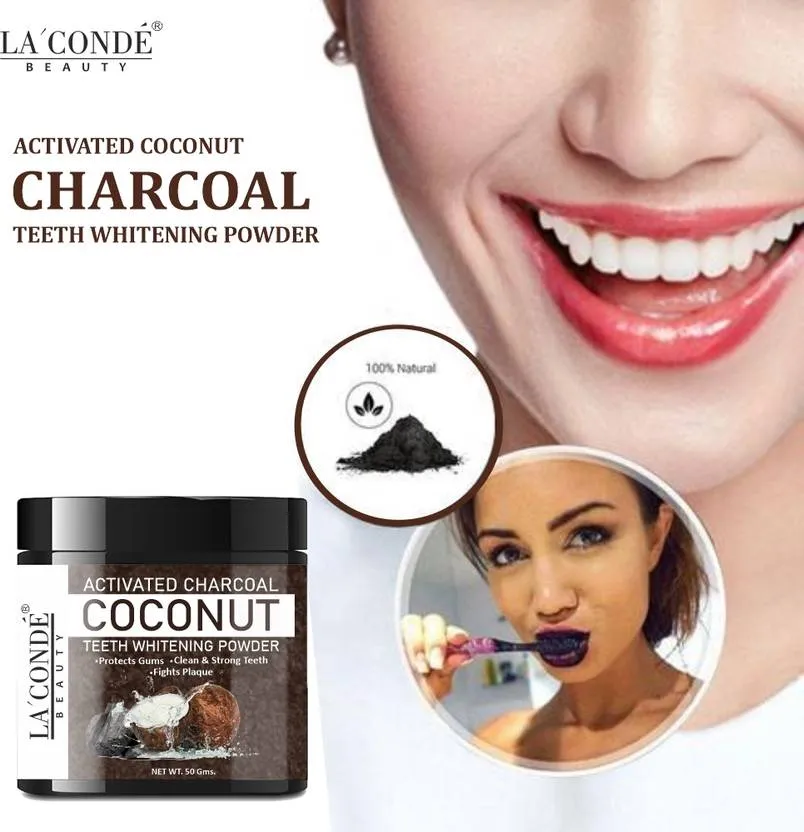
Achieving a brighter smile is a common goal, and many people are turning to natural remedies like coconut teeth whitening powder. This method has gained popularity as an alternative to harsh chemical treatments. This article delves into how coconut teeth whitening works, its benefits, step-by-step instructions, potential drawbacks, and how to maintain your results. Discover the secrets to a naturally whiter smile using the power of coconut!
What is Coconut Teeth Whitening Powder
Coconut teeth whitening powder is a natural product typically made from finely ground coconut shell or activated charcoal combined with coconut oil. It’s used as a gentle abrasive to help remove surface stains from teeth. Unlike commercial whitening products that use strong chemicals like hydrogen peroxide, coconut powder offers a gentler approach, making it an appealing option for those with sensitive teeth or who prefer natural remedies. The powder’s texture aids in polishing the teeth, contributing to a brighter appearance, while its natural components may offer additional oral health benefits.
How Coconut Powder Whitens Teeth
The Science Behind Coconut Powder

Coconut powder, specifically when combined with coconut oil, offers a unique approach to teeth whitening. The powder itself acts as a mild abrasive. This gentle abrasion helps to scrub away surface stains caused by coffee, tea, wine, and other foods and drinks. The coconut oil, a key component, is rich in lauric acid, known for its antibacterial properties. This can help reduce bacteria in the mouth, contributing to overall oral health. The combined effect of gentle abrasion and antibacterial action contributes to a cleaner and potentially whiter appearance of teeth.
Coconut Oil’s Role in Oral Health
Coconut oil is central to the efficacy of coconut teeth whitening. It acts as a carrier for the powder and provides additional oral health benefits. Coconut oil pulls bacteria from the mouth, reducing plaque buildup and potentially preventing cavities. This process, often referred to as ‘oil pulling,’ has been practiced for centuries in Ayurvedic medicine. The oil’s properties also contribute to fresher breath and a healthier environment for gums and teeth. When used in combination with the abrasive action of the powder, it creates a comprehensive approach to teeth whitening and overall oral hygiene.
Step-by-Step Guide Coconut Teeth Whitening
Gathering Your Supplies

Before you begin, gather your supplies. You’ll need coconut teeth whitening powder, a soft-bristled toothbrush, and a small cup or container for the powder. Ensure your toothbrush is clean and in good condition to prevent any damage to your enamel. It’s also useful to have a sink or area that’s easy to clean, as the powder can sometimes be messy. Consider having a hand mirror to better monitor the process and ensure thorough cleaning. Make sure all your tools are easily accessible to make the process smoother.
Preparing Your Mixture
If you’re not using a pre-mixed product, you can prepare your own mixture. Combine the coconut teeth whitening powder with a small amount of coconut oil to create a paste. Start with a teaspoon of powder and add a few drops of oil at a time, mixing until you achieve a consistency that is neither too runny nor too thick. The mixture should be easily applied to your toothbrush without dripping. This ensures effective application and helps the powder stick to your teeth for optimal results.
Applying the Powder
Dip your toothbrush into the prepared mixture, ensuring it is evenly coated. Avoid using excessive amounts, as a little goes a long way. It’s best to start with a small amount to prevent wastage. Be careful not to apply too much pressure when brushing, as this could potentially damage your enamel. Gently apply the paste to your teeth, covering all surfaces thoroughly. It is important to focus on each tooth to ensure effective stain removal and uniform whitening.
Brushing and Rinsing

Brush your teeth gently in small, circular motions for about two minutes. Make sure to reach all areas of your mouth, including the back teeth. After brushing, rinse your mouth thoroughly with water to remove any remaining powder and debris. Check your teeth in the mirror to ensure that you’ve reached every surface. You can follow up with your regular toothpaste to ensure a clean and fresh feeling. This process helps remove the powder completely and ensures a clean mouth.
Benefits of Coconut Teeth Whitening
Natural Whitening Properties
Coconut teeth whitening powder offers a natural alternative to chemical-based whitening treatments. It utilizes gentle abrasion to remove surface stains caused by common foods and drinks. The natural components help to restore the natural color of your teeth, leading to a brighter smile without the use of harsh chemicals. This gentler approach makes it a popular choice for those seeking a more holistic approach to oral care. The absence of harsh chemicals can also be beneficial for individuals with sensitive teeth.
Gentle on Enamel

Compared to many commercial whitening products, coconut powder is less abrasive, making it a gentler option for your enamel. This is a significant advantage for those with sensitive teeth or who are prone to enamel erosion. The mild abrasiveness helps to lift stains without damaging the protective layer of the teeth. This can prevent increased sensitivity and other dental issues associated with harsher treatments. Using coconut powder helps you achieve a whiter smile while prioritizing your oral health.
Additional Benefits
In addition to whitening, coconut teeth whitening powder offers several other oral health benefits. Coconut oil’s antibacterial properties may help reduce plaque buildup and fight against bad breath. Regular use can contribute to improved gum health, thanks to the anti-inflammatory qualities of coconut oil. This holistic approach supports overall oral hygiene, making it more than just a whitening treatment. These benefits also contribute to fresher breath and a healthier mouth.
Potential Drawbacks and Considerations
Effectiveness

While coconut teeth whitening can remove surface stains and brighten teeth, its effectiveness varies. It may not be as powerful as professional treatments or some over-the-counter products. Results may be more subtle and gradual. For deeply set stains or significant discoloration, other methods might be more effective. Consistency is key, and results often depend on the individual’s diet, oral hygiene, and the frequency of use. Setting realistic expectations about the degree of whitening is important.
Sensitivity and Irritation
Although generally gentle, some individuals may experience sensitivity or irritation. The abrasive nature of the powder can cause discomfort if used too frequently or if applied with too much pressure. Always use a soft-bristled toothbrush and avoid over-brushing. Discontinue use if you experience persistent irritation or increased sensitivity. If you have existing dental issues, it is always best to consult with your dentist before using coconut teeth whitening powder or any other teeth-whitening product.
Alternatives and Additions to Coconut Powder
Baking Soda

Baking soda is another natural ingredient often used for teeth whitening. It acts as a mild abrasive and can help to remove stains. When mixed with coconut oil or water, baking soda creates a paste that is applied to the teeth. However, use baking soda sparingly, as excessive use can wear down enamel. Combining baking soda with coconut powder may enhance the whitening effect, but it’s important to balance effectiveness with the health of your enamel. Monitor your teeth for any signs of sensitivity.
Activated Charcoal
Activated charcoal is a popular alternative to coconut powder, known for its ability to absorb stains. It’s a highly absorbent substance that can draw out impurities and stains from the teeth. Many people find that activated charcoal can effectively remove surface stains. Like coconut powder, it is applied to the teeth with a toothbrush and rinsed off. Be cautious about using activated charcoal as it can be abrasive, so it’s important to use it gently and not too frequently.
Essential Oils
Certain essential oils, such as peppermint or tea tree oil, can be added to your coconut teeth whitening mixture. These oils can offer additional antibacterial and freshening properties. Use them sparingly, as they can be potent. Adding a drop or two to your mixture can enhance the cleaning power and provide a refreshing taste. Always ensure that the essential oils you use are safe for oral use and that you dilute them properly to avoid irritation.
Maintaining Your Results

To maintain the results of your coconut teeth whitening routine, follow these tips. Practice good oral hygiene, including brushing twice daily and flossing regularly. Avoid foods and drinks that stain teeth, like coffee, tea, and red wine. Regular dental check-ups and cleanings are essential for removing plaque and tartar, which can impact the appearance of your teeth. Consider using the coconut teeth whitening powder a few times a week, rather than daily, to prevent excessive abrasion. Combine these practices to keep your smile bright and healthy.
In conclusion, coconut teeth whitening powder offers a natural and gentle approach to achieving a brighter smile. By understanding how it works, following the step-by-step guide, and considering potential drawbacks, you can effectively incorporate this method into your oral hygiene routine. Remember to practice good oral hygiene habits and seek professional dental advice for the best results. With consistent care and attention, you can enjoy a naturally whiter and healthier smile.