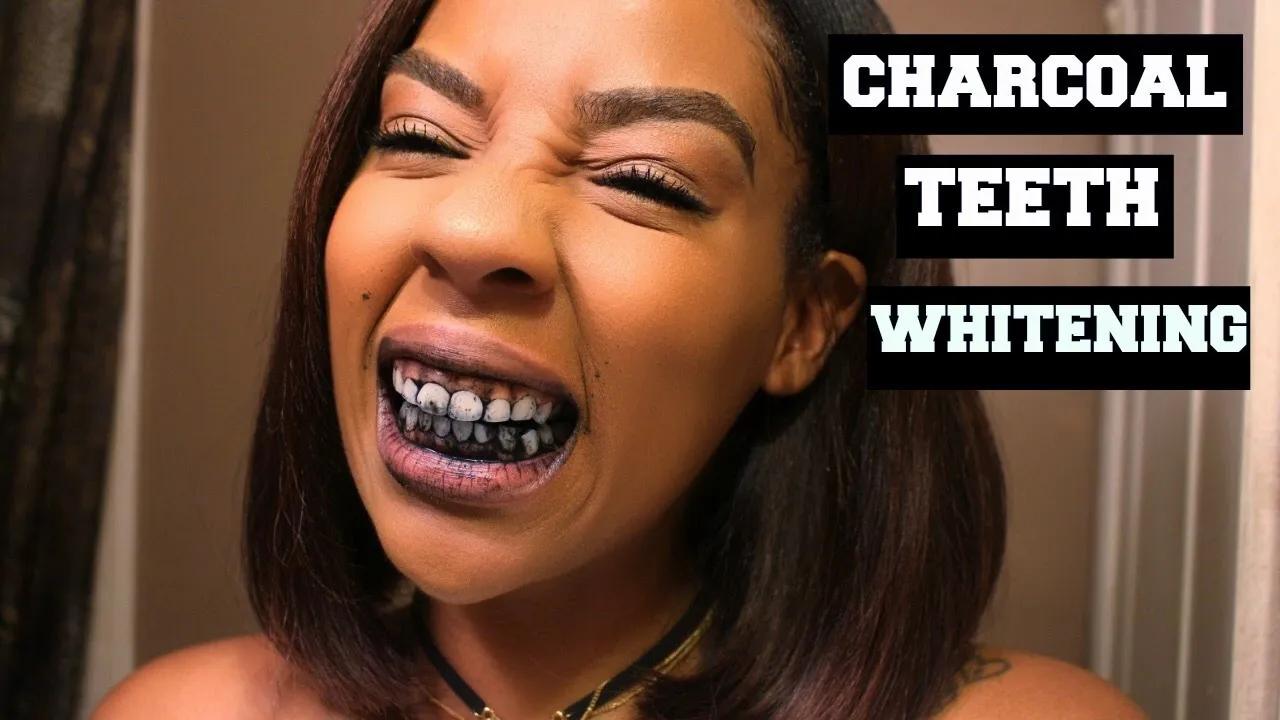
What is Charcoal Teeth Whitening
Charcoal teeth whitening has surged in popularity as a seemingly natural and affordable way to brighten your smile. This method typically involves using activated charcoal, a fine black powder, to brush your teeth. Proponents claim it can effectively remove stains and whiten teeth. The appeal lies in its accessibility and the perception that it’s a gentler alternative to harsh chemical treatments. But does charcoal teeth whitening really work, and more importantly, is it safe? Let’s delve into the science and explore the facts behind this popular trend. We’ll investigate its mechanisms, evaluate its effectiveness, and assess the potential risks to help you make an informed decision about your oral health. Understanding the nuances of charcoal teeth whitening is crucial before incorporating it into your dental hygiene routine.
How Charcoal Whitening Works
The premise of charcoal teeth whitening revolves around the unique properties of activated charcoal. It is believed to work through a combination of absorption and abrasion. The porous nature of activated charcoal allows it to attract and bind to surface stains on teeth. This can include stains from coffee, tea, wine, and other foods. As you brush, the charcoal, along with the bound stains, is removed from the teeth. However, the effectiveness and safety of this process are subjects of ongoing debate. It’s essential to examine the science behind this process to understand its true impact on your dental health and whether it lives up to the hype.
The Science Behind Activated Charcoal

Activated charcoal is created by heating carbon-rich materials, such as wood or coconut shells, to very high temperatures. This process changes the structure of the carbon, creating tiny pores. These pores increase the surface area of the charcoal, making it highly absorbent. This porous structure is what allows activated charcoal to attract and bind to various substances. In the context of teeth whitening, the theory is that the charcoal will bind to stain molecules on the surface of the teeth, which is why charcoal is effective on specific use cases such as poison control. The scientific evidence supporting the effectiveness of charcoal for teeth whitening is, however, limited, with most of the claims based on anecdotal evidence and user testimonials rather than rigorous scientific studies. While it might remove surface stains, its long-term effects on tooth health require closer scrutiny.
Charcoal’s Abrasive Properties
Besides absorption, the slightly abrasive nature of activated charcoal is another factor contributing to its stain-removing capabilities. As you brush with charcoal, it gently scrubs the surface of your teeth. This action can help remove plaque and surface stains, leading to a brighter appearance. However, the abrasiveness is also a concern because excessive or improper use can erode tooth enamel, the protective outer layer of your teeth. Enamel erosion can make your teeth more vulnerable to decay, sensitivity, and further staining. Therefore, understanding the balance between stain removal and enamel protection is crucial when considering charcoal teeth whitening. Always use it cautiously and avoid applying excessive pressure while brushing.
Is Charcoal Teeth Whitening Effective?
The effectiveness of charcoal teeth whitening remains a topic of debate within the dental community. While many users report visible improvements in the brightness of their teeth, it is essential to evaluate these claims critically. Some studies and dental professionals suggest that activated charcoal can help remove surface stains, giving teeth a cleaner appearance. But whether it can genuinely whiten teeth beyond removing surface stains is questionable. The results often depend on the individual’s oral hygiene habits, the type of stains present, and the frequency of use. To make an informed decision, you must consider what science says about its ability to deliver long-term improvements.
Whitening Power of Charcoal

The ‘whitening power’ of charcoal is primarily attributed to its abrasive nature and ability to absorb surface stains. As the charcoal scrubs the teeth, it can remove plaque and external stains caused by food, drinks, and tobacco. This can lead to a brighter smile by removing the discoloration that dulls your teeth’s appearance. However, charcoal does not contain bleaching agents that can change the intrinsic color of your teeth, which is the natural shade of the enamel. Therefore, its effectiveness is limited to superficial stains. While it may offer a temporary improvement, charcoal is unlikely to achieve the dramatic whitening results associated with professional treatments or peroxide-based products.
Factors Affecting Results
Several factors influence the effectiveness of charcoal teeth whitening. The type and severity of stains play a significant role; it performs better on surface stains. Poor oral hygiene habits can diminish the effects, while those who diligently brush and floss may see better results. The duration and frequency of use also matter. Overuse may lead to adverse effects, while inconsistent use might not yield noticeable changes. Individual enamel properties also affect the outcome, as some individuals may experience more significant whitening effects than others. Furthermore, the quality and formulation of the charcoal product can affect its performance. For instance, some products might include added abrasives or ingredients. Ultimately, achieving desired results requires a comprehensive approach to oral care and a realistic understanding of what charcoal can and cannot accomplish.
Safety of Charcoal Teeth Whitening
While charcoal teeth whitening is promoted as a natural and safe alternative to chemical treatments, potential risks are associated with its use. Dental experts raise concerns about the abrasiveness of charcoal and its long-term effects on enamel. The absence of fluoride in many charcoal products is another concern, as fluoride helps protect teeth against decay. Before considering charcoal teeth whitening, you should be aware of the potential downsides and consult with a dentist. A professional can evaluate your oral health and provide personalized recommendations based on your individual needs. Making informed decisions about your dental care requires careful consideration of safety and effectiveness.
Potential Risks and Side Effects

Several potential risks and side effects are associated with using charcoal for teeth whitening. Over-brushing with abrasive charcoal can erode tooth enamel, leading to increased sensitivity, as the underlying dentin becomes exposed. Enamel erosion also increases the risk of cavities and discoloration, as the enamel protects against these issues. Irritation of the gums and soft tissues can occur, especially if the charcoal product contains harsh additives or is used aggressively. If you have existing dental issues, such as cavities or gum disease, charcoal might exacerbate these conditions. The lack of scientific evidence supporting the safety of long-term use adds to the concern, making it essential to approach this whitening method with caution and under professional guidance.
Enamel Erosion and Sensitivity
Enamel erosion is a significant concern when using charcoal for teeth whitening. Enamel is the hard, protective outer layer of your teeth, and once it erodes, it cannot be restored. As enamel thins, the underlying dentin becomes more exposed. This can cause increased sensitivity to hot and cold foods and drinks, leading to discomfort. Tooth sensitivity is a common side effect of enamel erosion. Furthermore, enamel erosion makes teeth more vulnerable to decay and staining, as the protective barrier is compromised. When using charcoal, it’s crucial to brush gently and avoid excessive pressure to minimize the risk of enamel damage. If you experience any sensitivity or discomfort, discontinue use and consult a dentist. A dentist can assess the extent of any damage and suggest appropriate treatments to protect your teeth.
Best Practices for Using Charcoal
If you still choose to use charcoal teeth whitening, following the best practices is essential to minimize risks and maximize potential benefits. Always use a soft-bristled toothbrush and brush gently, avoiding excessive pressure. Apply a small amount of charcoal powder to your toothbrush; more does not equal better results. Brush for a short duration, typically one to two minutes, and rinse thoroughly with water. Make sure to brush your teeth with regular fluoride toothpaste after using charcoal to protect against decay and strengthen your enamel. Limit the frequency of use; once or twice a week is generally recommended. Avoid using charcoal if you have existing dental issues or sensitive teeth. And, most importantly, consult with your dentist to ensure it’s a safe option for your oral health.
How to Use Charcoal Powder

To use charcoal powder for teeth whitening safely, begin by wetting your toothbrush. Dip the wet brush into the charcoal powder, ensuring you coat the bristles lightly. Brush your teeth gently in small, circular motions for about two minutes, avoiding harsh scrubbing. Once done, rinse your mouth thoroughly with water. Next, brush your teeth with your regular fluoride toothpaste to remove any remaining charcoal particles and strengthen your enamel. Rinse your mouth again. It’s also important to be mindful of the mess, as charcoal can stain surfaces. You should be cautious with your clothes while brushing with charcoal. Clean your sink and surrounding area immediately after use to prevent staining. Regular and gentle use, coupled with good oral hygiene practices, will help you to maximize the benefits while minimizing the risks.
Choosing the Right Charcoal Product
When selecting a charcoal product, several factors should guide your choice. Opt for products made from food-grade activated charcoal derived from coconut shells or other natural sources. Check the ingredients list and avoid products with harsh abrasives or added chemicals, which can be damaging. Look for products that have been tested and certified by reputable organizations. Be sure that the product you are about to use does not contain any unnecessary additives that could potentially harm your teeth. Some charcoal products come in powder form, while others are pre-mixed in toothpaste. Consider your preferences and oral hygiene routine when choosing the right product. Read reviews and consult with your dentist to ensure the product aligns with your dental health needs and preferences. Doing thorough research before investing in any charcoal teeth whitening product will contribute to your safety and the success of the teeth whitening process.
Alternatives to Charcoal Teeth Whitening
If you’re seeking teeth-whitening solutions, numerous alternatives to charcoal are available, each with different levels of effectiveness and safety. Professional teeth whitening treatments are the most effective, providing significant and immediate results. Over-the-counter options like whitening strips and toothpastes offer a convenient alternative. However, before choosing any of these methods, considering your oral health is essential. Consult a dentist to discuss your options and determine the best course of action for your specific needs and concerns. The selection of a teeth whitening product can also depend on your dental professional’s advice.
Professional Teeth Whitening Options

Professional teeth whitening is typically the most effective way to brighten your smile. Dentists use powerful bleaching agents, often containing a higher concentration of hydrogen peroxide than over-the-counter products. The procedures are usually conducted in-office, allowing dentists to monitor the process and minimize potential risks. They can also offer custom-fitted trays for at-home treatments. Professional whitening can produce dramatic results, often lightening teeth several shades within a single session or a few weeks. However, it is more expensive than at-home alternatives and may cause temporary sensitivity. Discussing your options with your dentist is essential to determine if professional whitening is appropriate for your oral health and aesthetic goals. Professional teeth whitening is a safe and effective option for those seeking a brighter smile, carried out in controlled settings with trained professionals.
Other Home Whitening Methods
Various home whitening methods are available, providing more accessible and affordable alternatives to professional treatments. Whitening strips, containing a lower concentration of peroxide, can be applied to teeth for a specified duration. Whitening toothpastes contain mild abrasives or chemicals, which may help remove surface stains. Whitening gels are applied using custom-fitted trays or brush-on applicators. These methods generally provide more moderate results compared to professional treatments. Results and safety vary depending on the specific product and your oral health. Always follow the product instructions carefully and consult with a dentist before starting any home whitening regimen. Your dentist can evaluate your oral health, recommend suitable products, and provide guidance on safe and effective usage. The right home teeth whitening method for you depends on the degree of whitening you desire, your budget, and your tolerance for any potential side effects.
Conclusion
In conclusion, while charcoal teeth whitening has gained popularity as a seemingly natural solution for a brighter smile, it’s crucial to approach this method with caution. The potential benefits, such as surface stain removal, should be weighed against the risks, including enamel erosion and increased sensitivity. Although charcoal may provide some cosmetic improvement by removing stains, it’s unlikely to achieve significant teeth whitening beyond that. If you consider using charcoal, choose high-quality products and follow best practices, such as gentle brushing and limited use. The safest and most effective approach to teeth whitening is consulting with a dentist. Professional treatments offer reliable results while minimizing risks, and your dentist can guide you toward the best options for your dental health needs and aesthetic goals. Ultimately, prioritizing your oral health is paramount, and making informed decisions will help you achieve a healthy and beautiful smile.