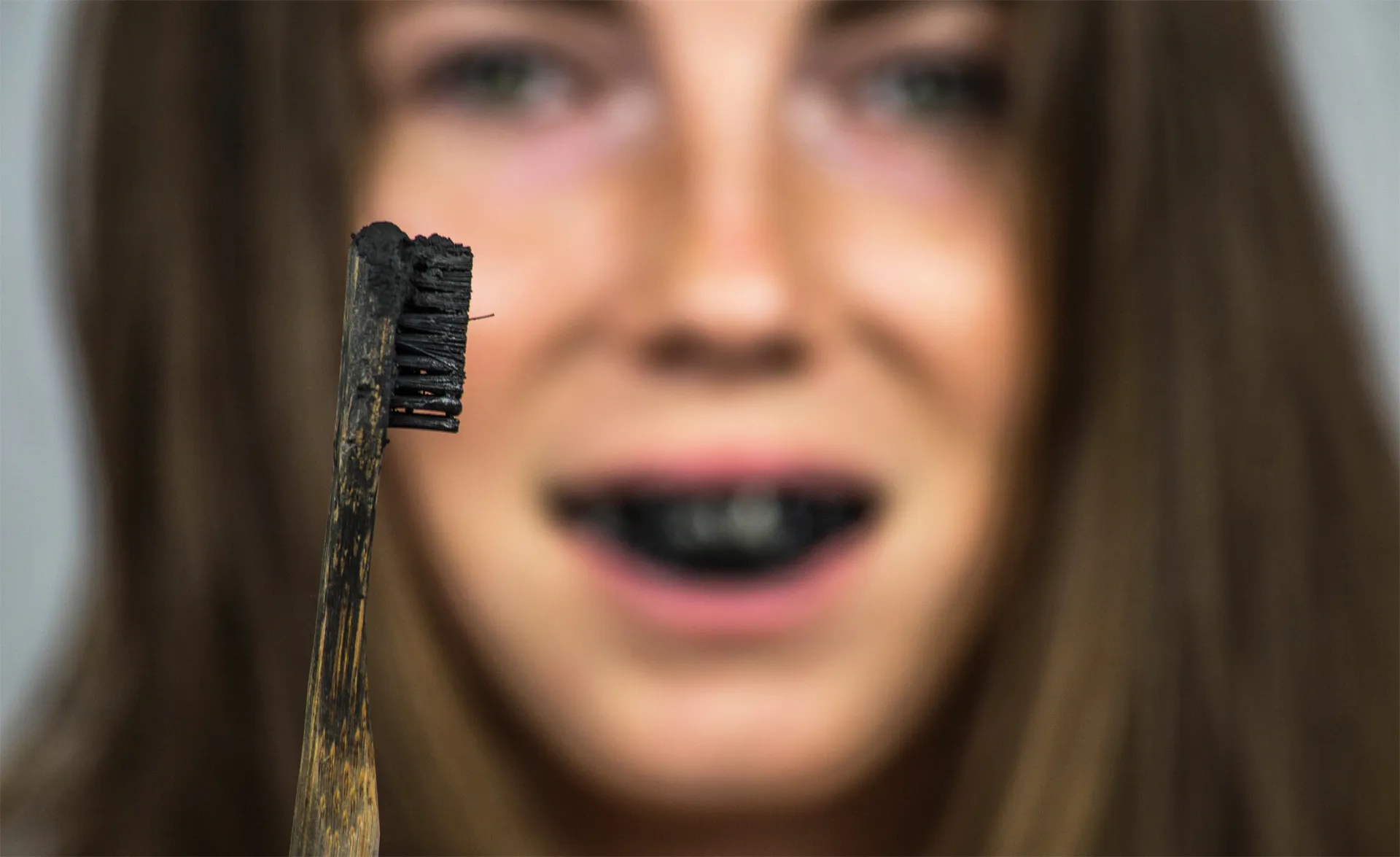
What is Charcoal Teeth Whitening?
Charcoal teeth whitening has surged in popularity, promising a brighter smile through the use of activated charcoal. This trend involves brushing your teeth with charcoal-based products, such as powders or toothpastes, aiming to remove stains and whiten teeth. Activated charcoal, a finely ground black powder, is made from various materials like coconut shells, wood, or peat. Proponents claim its porous nature helps absorb impurities and stains from the teeth. While the concept may seem appealing, it’s crucial to examine the potential dangers and risks associated with this whitening method before incorporating it into your oral hygiene routine. Understanding the science behind charcoal teeth whitening and its impact on your teeth is essential for making informed decisions about your dental health.
How Charcoal Whitening Works
The purported mechanism behind charcoal teeth whitening relies on the abrasive properties of activated charcoal. The idea is that the charcoal particles bind to stains on the surface of the teeth, effectively scrubbing them away when you brush. This action is primarily a mechanical process rather than a chemical one. Unlike professional whitening treatments that use peroxide to penetrate the enamel and change the tooth’s color, charcoal teeth whitening is designed to remove surface stains, such as those caused by coffee, tea, or tobacco. However, the effectiveness of this approach is often debated, with many dental professionals expressing concerns about its potential negative effects. The use of abrasive materials on the teeth can lead to more than just surface-level cleaning.
Common Charcoal Teeth Whitening Dangers

While charcoal teeth whitening may seem like a natural and simple way to brighten your smile, several dangers and risks are associated with its use. These dangers range from mild to severe, and understanding them is crucial for protecting your oral health. The abrasive nature of charcoal can lead to enamel erosion, potentially causing increased tooth sensitivity and making teeth more susceptible to decay. Additionally, some charcoal products may contain harsh chemicals or additives that can irritate the gums and soft tissues of the mouth. It is essential to be aware of these potential risks and to consider safer and more scientifically proven alternatives before incorporating charcoal into your dental care routine. Prioritizing your oral health means knowing the potential pitfalls of any treatment.
Potential Risks of Charcoal Teeth Whitening
In addition to the common dangers, charcoal teeth whitening presents several specific risks. Overuse of charcoal products can lead to more severe issues, such as irreversible damage to the tooth enamel. This erosion can compromise the structural integrity of the teeth, leading to increased sensitivity to hot and cold foods and drinks, as well as a higher risk of cavities. Furthermore, the abrasive nature of charcoal can contribute to gum recession, exposing the sensitive roots of the teeth. These risks underscore the importance of consulting with a dental professional before trying charcoal teeth whitening, as they can assess your oral health and provide personalized advice. Considering these risks helps you to weigh the potential benefits against the potential harm.
Fact 1 Tooth Enamel Erosion
One of the most significant dangers of charcoal teeth whitening is tooth enamel erosion. Enamel is the hard, protective outer layer of your teeth that shields the underlying dentin from damage and sensitivity. Activated charcoal is abrasive, meaning it can wear away the enamel over time. This erosion can lead to increased tooth sensitivity, as the dentin becomes exposed. The dentin contains microscopic tubules that lead to the nerve of the tooth, making them more vulnerable to external stimuli like heat, cold, and sugar. Moreover, enamel erosion can increase your risk of cavities, as the weakened enamel is less able to resist the acids produced by bacteria. The damage to the enamel is irreversible, which makes the risk a serious concern.
Fact 2 Gum Irritation and Damage

Charcoal teeth whitening can also cause gum irritation and damage. The abrasive particles in charcoal products can irritate the delicate gum tissues, leading to inflammation, redness, and even bleeding. Over time, the constant irritation can contribute to gum recession, where the gums pull away from the teeth, exposing the roots. Exposed tooth roots are more susceptible to decay and sensitivity. Furthermore, if charcoal products contain harsh chemicals or additives, they can exacerbate gum irritation. People with pre-existing gum conditions, such as gingivitis or periodontitis, are particularly vulnerable to these effects. Maintaining healthy gums is essential for overall oral health, and charcoal whitening can undermine those efforts.
Fact 3 Limited Effectiveness
While charcoal teeth whitening is often marketed as a powerful solution for a brighter smile, its effectiveness is often limited. The primary mechanism of action involves removing surface stains, which may provide a temporary improvement in the appearance of teeth. However, charcoal products cannot change the intrinsic color of your teeth, which is the natural shade of the dentin. This means that charcoal whitening is unlikely to produce dramatic results, particularly for those with deeply embedded stains or naturally dark teeth. In comparison to professional whitening treatments that use peroxide to penetrate the enamel and oxidize stains, charcoal is less effective. Many users may find the results disappointing, especially considering the potential risks involved.
Fact 4 Abrasive Nature of Charcoal
The abrasive nature of activated charcoal is a double-edged sword. While it can help remove surface stains, it simultaneously poses a significant risk to your dental health. The abrasive particles can wear away at the enamel, as described earlier. This abrasion can occur even if you are brushing gently, as the charcoal itself is inherently abrasive. The extent of the damage depends on factors such as the frequency of use, the pressure applied while brushing, and the specific formulation of the charcoal product. The cumulative effect of this abrasion can lead to enamel erosion, increased sensitivity, and a higher risk of cavities. The fact that charcoal is abrasive is a fundamental concern regarding its use for teeth whitening.
Fact 5 Lack of Scientific Evidence

One of the most significant drawbacks of charcoal teeth whitening is the lack of robust scientific evidence to support its safety and efficacy. Many of the claims made by proponents of charcoal whitening are anecdotal rather than based on scientific research. Limited studies have been conducted on the long-term effects of charcoal on teeth and gums. The absence of scientific backing raises concerns about the potential risks. Dental professionals often express skepticism due to the lack of evidence. Without rigorous scientific studies, it is difficult to assess the true benefits and risks associated with charcoal teeth whitening. The lack of evidence makes it difficult to endorse charcoal for teeth whitening purposes.
Safer Alternatives to Charcoal Whitening
If you’re looking to brighten your smile without the risks associated with charcoal, several safer alternatives are available. One option is using teeth-whitening toothpaste containing fluoride and mild abrasive agents. These toothpastes can help remove surface stains while being gentler on your enamel. Another option is professional teeth whitening treatments offered by your dentist. These treatments use peroxide-based solutions that are highly effective and are administered under professional supervision, minimizing the risk of side effects. Furthermore, maintaining good oral hygiene practices, such as regular brushing, flossing, and dental checkups, can help keep your teeth looking their best. Consulting with your dentist is the best way to determine the most appropriate and safe teeth whitening options for your particular needs.
Professional Teeth Whitening Options
Professional teeth whitening offers several advantages over at-home methods like charcoal whitening. Dentists can provide customized whitening treatments tailored to your specific needs and the condition of your teeth. These treatments often use higher concentrations of peroxide-based solutions, delivering more noticeable results in a shorter amount of time. Professional whitening is also performed under the supervision of a trained dental professional, reducing the risk of enamel damage or gum irritation. Dentists can also assess your oral health before treatment, ensuring that your teeth and gums are healthy enough for whitening. There are various professional whitening options, including in-office treatments and take-home kits. Consulting with your dentist will help you to determine the best option for your needs.
Maintaining Oral Health After Whitening

Regardless of the teeth-whitening method you choose, maintaining good oral health is essential for long-term results and overall well-being. This involves regular brushing and flossing to remove plaque and bacteria. Using a fluoride toothpaste helps strengthen your enamel. Regular dental checkups and professional cleanings are also crucial for preventing cavities and gum disease. You should also be mindful of your diet, limiting foods and beverages that can stain your teeth, such as coffee, tea, and red wine. Consider using a straw to minimize contact with your teeth. Avoiding tobacco products is essential for oral health. By following these guidelines, you can help maintain a bright and healthy smile for years to come.
In conclusion, while charcoal teeth whitening has gained popularity, it presents several potential dangers and risks. The abrasive nature of charcoal can erode tooth enamel, leading to increased sensitivity and a higher risk of cavities. It may cause gum irritation and damage. Moreover, its effectiveness is often limited, and there’s a lack of robust scientific evidence to support its safety. Safer and more effective alternatives, such as professional teeth whitening and good oral hygiene practices, are readily available. Prioritizing your oral health involves making informed decisions based on scientific evidence and consulting with dental professionals to determine the best approach for a healthy and beautiful smile.