Understanding Biocos Whitening Cream
Biocos Whitening Cream is a skincare product marketed for its ability to lighten skin tone, reduce dark spots, and even out complexion. It typically contains a blend of ingredients designed to inhibit melanin production, the pigment responsible for skin color. These ingredients often include hydroquinone, kojic acid, arbutin, and various plant extracts. The cream’s popularity stems from the desire for fairer skin and the promise of a more radiant appearance. However, it is crucial to understand that the efficacy and safety of these creams, especially those with potent ingredients, can vary significantly. It’s essential to approach these products with caution and be well-informed about potential side effects and long-term consequences before use. Always consult with a dermatologist before incorporating any new skincare product into your routine.
Common Side Effects of Biocos Cream
While Biocos Whitening Cream promises desirable results, it is important to be aware of the potential side effects associated with its use. Many of these side effects are linked to the active ingredients designed to alter melanin production. The severity of these side effects can vary depending on individual skin sensitivity, the concentration of active ingredients, and the duration of use. Some users may experience mild irritation, while others may face more serious complications. A thorough understanding of these common side effects is crucial for making informed decisions about using this cream and seeking appropriate medical advice when necessary. Always prioritize skin health and safety, and be prepared to discontinue use if adverse reactions occur.
Skin Irritation and Allergic Reactions

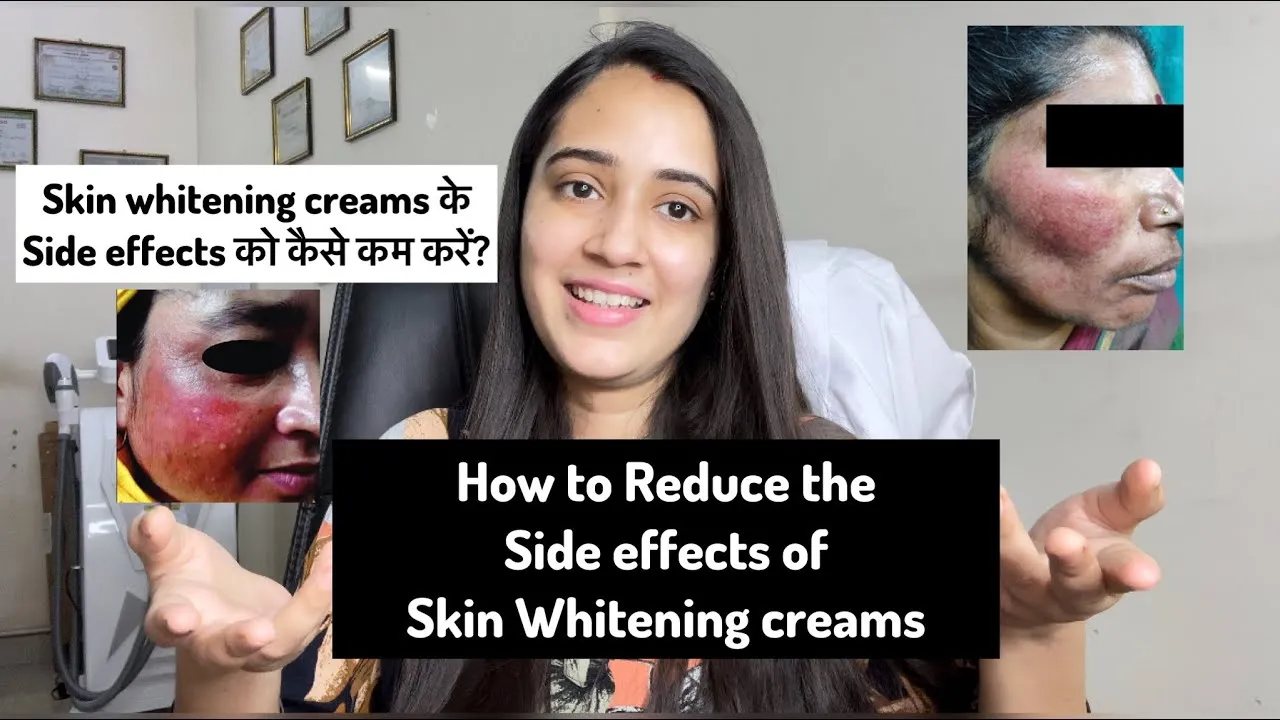
One of the most frequently reported side effects of Biocos Whitening Cream is skin irritation and allergic reactions. This can manifest as redness, itching, swelling, and a burning sensation on the treated areas. These reactions often occur due to the presence of harsh chemicals or the skin’s sensitivity to specific ingredients. The ingredients in the cream, such as hydroquinone, can be particularly irritating, especially for individuals with sensitive skin. Allergic reactions may also arise, characterized by hives, rashes, and in severe cases, difficulty breathing. To minimize the risk of irritation, always perform a patch test on a small area of skin before widespread application. If any signs of irritation or allergic reaction appear, discontinue use immediately and consult a dermatologist. Consider the potential for these reactions before including this cream into your skincare routine.

Redness and Burning Sensation
Another common side effect is the development of redness and a burning sensation on the skin. This discomfort can range from mild to severe, depending on the individual’s skin type and the concentration of active ingredients in the cream. The burning sensation is often a result of the skin’s inflammatory response to the chemicals present in the cream. Redness typically accompanies the burning, indicating irritation and potential damage to the skin’s outer layers. Prolonged use or excessive application can exacerbate these symptoms, leading to increased discomfort and potential complications. It is crucial to monitor the skin’s reaction closely and adjust the application frequency or discontinue use if these symptoms become bothersome. If the redness and burning sensation persist or worsen, consult a healthcare professional for appropriate guidance.

Dryness and Peeling
Dryness and peeling are frequently reported side effects associated with the use of Biocos Whitening Cream. The active ingredients, particularly those designed to exfoliate and lighten the skin, can disrupt the skin’s natural moisture barrier, leading to dehydration. This often results in a tight, dry feeling and visible flaking or peeling of the skin. The severity of dryness and peeling can vary, with some users experiencing mild flaking while others experience more extensive peeling, causing discomfort and potentially increasing the risk of skin damage. Using a gentle, hydrating moisturizer can help mitigate these effects, but it is essential to carefully monitor the skin’s response and adjust the cream’s application frequency or discontinue use if the dryness and peeling become excessive. Proper skincare routine can reduce these side effects.

Hyperpigmentation and Darkening of Skin

Paradoxically, the use of Biocos Whitening Cream can sometimes lead to hyperpigmentation or a darkening of the skin. This adverse effect is known as post-inflammatory hyperpigmentation (PIH) and can occur after skin irritation or inflammation. If the skin becomes irritated from the cream, it may trigger the production of melanin, resulting in darker patches. The long-term use of certain ingredients like hydroquinone can also cause ochronosis, a condition where the skin turns bluish-black. This complication is permanent and difficult to treat. To prevent hyperpigmentation, it is important to protect the skin from sun exposure using a broad-spectrum sunscreen and to avoid excessive use or misuse of the cream. If darkening of the skin occurs, discontinue use immediately and seek medical advice to determine the appropriate course of action.

Thinning of the Skin
Prolonged use of Biocos Whitening Cream, particularly those containing corticosteroids or hydroquinone, can lead to thinning of the skin (atrophy). This thinning makes the skin more fragile, prone to bruising, and susceptible to damage. The skin may also develop visible blood vessels (telangiectasia) and stretch marks (striae). Thinning skin reduces its ability to protect against environmental factors and can make it more sensitive to other skincare products. It’s essential to use these creams sparingly and under the guidance of a dermatologist to minimize the risk of skin thinning. Regular monitoring of skin condition and early intervention are critical to prevent irreversible damage. Always consult a healthcare provider for any concerns.

Long-Term Health Risks and Considerations
The long-term use of Biocos Whitening Cream, especially those containing strong chemicals, carries significant health risks. Hydroquinone, a common ingredient, has been linked to ochronosis, a permanent skin discoloration. Corticosteroids, also present in some formulations, can lead to skin atrophy and other serious complications. In addition, some creams may contain mercury, which is a toxic heavy metal that can cause severe health problems, including kidney damage and neurological disorders. It is essential to carefully review the product ingredients and avoid creams containing these harmful substances. Always consult with a dermatologist before using skin-whitening products and monitor for any adverse effects. Prioritizing your health and safety is crucial when considering the use of these products. Be aware of the ingredients and the effect of them to avoid health problems.
Alternatives and Safe Practices

There are several safe and effective alternatives to Biocos Whitening Cream. These include products containing alpha-arbutin, niacinamide, vitamin C, and kojic acid, which are generally considered safer and gentler on the skin. These ingredients work to reduce melanin production without the harsh side effects associated with hydroquinone and steroids. Practicing sun protection is also crucial. Using a broad-spectrum sunscreen with an SPF of 30 or higher can help prevent further darkening of the skin and protect it from environmental damage. Consider incorporating a consistent skincare routine that includes gentle cleansers, moisturizers, and exfoliants. Consulting with a dermatologist to create a personalized skincare plan tailored to your skin type and concerns is highly recommended. Focusing on overall skin health through these safe practices can lead to healthier and more radiant skin.
