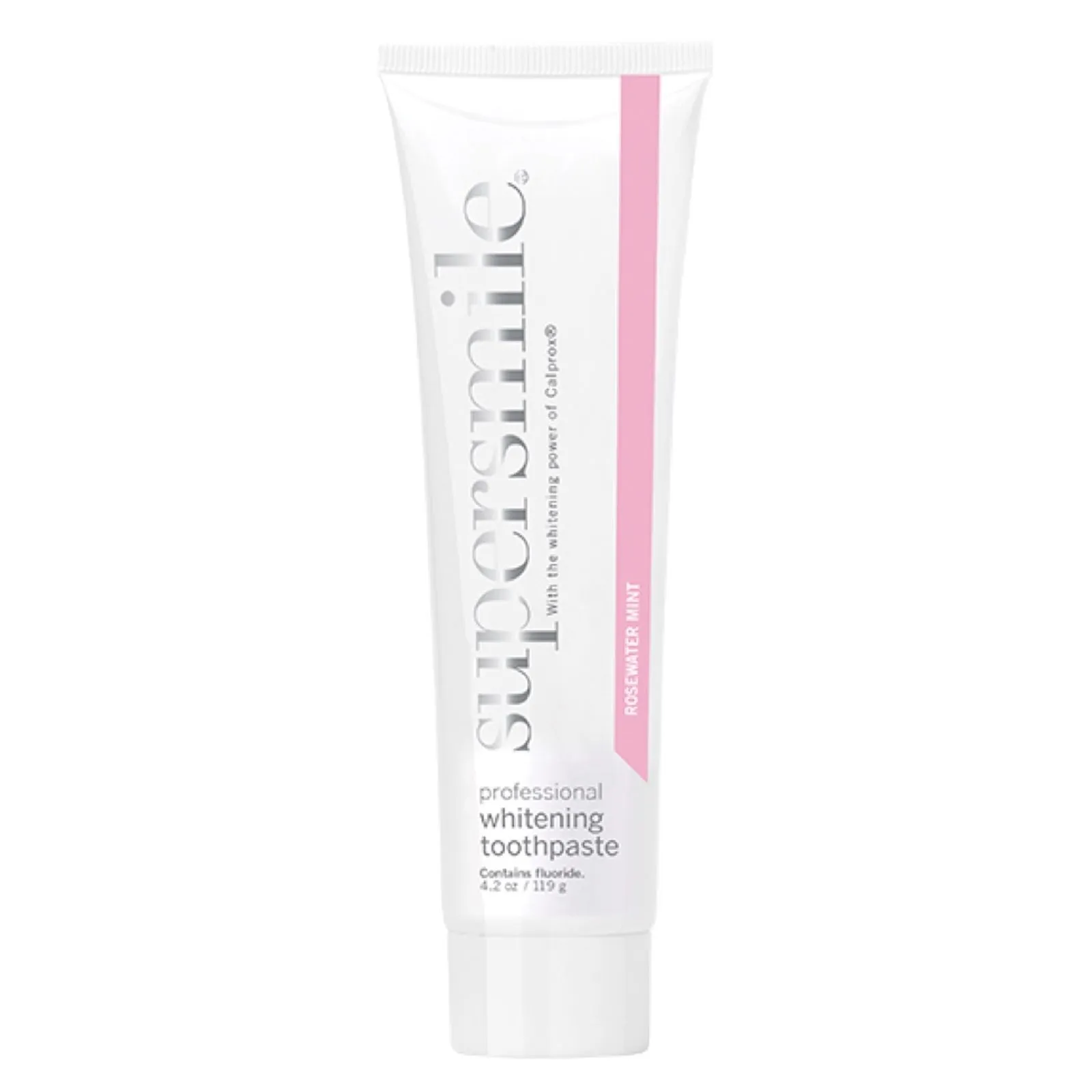
Achieving a brighter, more confident smile is a common goal, and whitening toothpaste is often the first line of defense. But with so many options on the market, how do you choose the best whitening toothpaste for your needs? This comprehensive guide will walk you through everything you need to know, from understanding how whitening toothpaste works to selecting the right product for your specific oral health concerns. We’ll explore key ingredients, different types of toothpaste, and provide tips to maximize your results, ensuring you make an informed decision and achieve a dazzling, healthy smile. Let’s dive into the world of whitening toothpaste and uncover the secrets to a brighter you.
What is Whitening Toothpaste
Whitening toothpaste is designed to remove surface stains and, in some cases, slightly lighten the overall shade of your teeth. Unlike professional whitening treatments, which use high concentrations of bleaching agents, whitening toothpaste typically relies on abrasive particles or chemical ingredients to achieve their effects. These toothpastes work by scrubbing away stains caused by coffee, tea, wine, and other common culprits. While they can improve the appearance of your teeth, it’s essential to understand their limitations and manage your expectations. They are most effective on surface stains and won’t dramatically change the natural color of your teeth.
How Does Whitening Toothpaste Work
Whitening toothpaste employs a few primary mechanisms to brighten your smile. The most common is the use of mild abrasives. These abrasive particles gently scrub the enamel surface, dislodging stain molecules and removing them. Common abrasives include hydrated silica, calcium carbonate, and dicalcium phosphate. Another approach involves chemical reactions. Some whitening toothpastes contain ingredients like hydrogen peroxide, which can penetrate the enamel and break down stain compounds from the inside out. The effectiveness of a whitening toothpaste depends on several factors, including the type and concentration of active ingredients, the duration of use, and your individual oral hygiene habits. Consistent use, combined with proper brushing technique, is crucial for achieving optimal results.
Ingredients to Look For

When selecting a whitening toothpaste, pay close attention to the ingredients list. Understanding the role of each component will help you choose a product that aligns with your oral health needs and goals. Several key ingredients are commonly found in whitening toothpastes, each playing a distinct role in stain removal and overall oral hygiene. By understanding the purpose of these ingredients, you can make an informed decision and select a toothpaste that effectively brightens your smile while promoting healthy teeth and gums. Let’s take a closer look at some of the most important ingredients.
Hydrogen Peroxide
Hydrogen peroxide is a powerful oxidizing agent often used in whitening toothpastes. It works by penetrating the enamel and breaking down stain molecules, leading to a brighter appearance. The concentration of hydrogen peroxide in toothpaste is typically lower than in professional whitening treatments, making it gentler for daily use. While effective, hydrogen peroxide can sometimes cause temporary tooth sensitivity, especially for those with already sensitive teeth. Always follow the manufacturer’s instructions and consult your dentist if you experience any discomfort. The benefits of using hydrogen peroxide include its stain-removal properties and its ability to slightly lighten the underlying tooth color.
Baking Soda
Baking soda (sodium bicarbonate) is a mild abrasive and a natural cleaning agent often included in whitening toothpastes. It helps remove surface stains by gently scrubbing the teeth. Baking soda also has a slight whitening effect and can help neutralize acids in the mouth, contributing to overall oral health. Products with baking soda are generally considered safe, but those with very sensitive teeth may want to use them cautiously. The benefits of baking soda include its natural stain-removing properties and its role in promoting a balanced oral environment. It’s a popular choice for those seeking a natural approach to teeth whitening.
Fluoride

Fluoride is a crucial ingredient in most toothpastes, including whitening varieties. It strengthens tooth enamel, making it more resistant to decay and helps prevent cavities. Fluoride works by remineralizing the enamel, replenishing the minerals that can be lost due to acids from food and bacteria. While some may worry about fluoride, its benefits in preventing tooth decay significantly outweigh any potential risks, especially when used in recommended amounts. Make sure the whitening toothpaste you choose contains fluoride to ensure your teeth are protected from decay while you work on whitening them. Look for the American Dental Association (ADA) seal of approval to ensure the product meets safety and effectiveness standards.
Choosing the Right Whitening Toothpaste
Selecting the right whitening toothpaste involves considering your individual oral health needs and preferences. Factors like tooth sensitivity, enamel strength, and your overall oral hygiene routine play a crucial role in your decision. It’s also important to understand the different types of whitening toothpaste available, as they vary in their ingredients, abrasive qualities, and effectiveness. By taking the time to assess your needs and explore the options, you can find a toothpaste that not only whitens your teeth but also promotes long-term oral health. Let’s look at how to navigate the different aspects of choosing your whitening toothpaste.
Tooth Sensitivity
If you have sensitive teeth, choose a whitening toothpaste specifically designed for sensitivity. These toothpastes typically contain lower concentrations of abrasive agents and may include ingredients like potassium nitrate, which helps block the pathways to the nerves in your teeth, reducing sensitivity. Avoid toothpastes with harsh abrasives or high concentrations of whitening agents, as these can exacerbate sensitivity. Always consult your dentist if you experience persistent sensitivity while using a whitening toothpaste. Look for products that are gentle and promote enamel health. Be patient and consistent with your choice, as results may take longer when using a toothpaste formulated for sensitivity.
Enamel Protection

Protecting your enamel is crucial, and this applies even when whitening your teeth. Look for toothpastes that contain fluoride to help strengthen and remineralize your enamel. Some whitening toothpastes also include ingredients like hydroxyapatite, which can help rebuild the enamel surface. Avoid excessively abrasive toothpastes, as they can wear down enamel over time, increasing sensitivity and the risk of cavities. Always brush gently, and consider using a soft-bristled toothbrush. Maintaining good oral hygiene practices helps ensure your teeth stay healthy and strong while you’re working on whitening them. Consider your enamel health when making your selection.
Types of Whitening Toothpaste
Whitening toothpastes come in various forms, each with its own characteristics and benefits. Understanding these types can help you select the most suitable product for your needs and preferences. From daily-use options to those specifically designed for sensitive teeth or enamel protection, there’s a whitening toothpaste to match almost every requirement. The key is to know what to look for and how these products work. Familiarizing yourself with the different types ensures you can make the best choice for your oral health and aesthetic goals. Let’s explore some common types and what makes them unique.
Whitening Toothpaste for Daily Use
These toothpastes are designed for everyday use and typically contain mild abrasives and whitening agents. They’re suitable for those who want to maintain a brighter smile without causing excessive sensitivity or damage to the enamel. Look for products that also offer cavity protection, fresh breath, and overall oral health benefits. Consistent use is key to achieving and maintaining results. Ensure the product you choose fits seamlessly into your daily oral hygiene routine. Choose a flavor you enjoy to make brushing a pleasant experience.
Whitening Toothpaste for Sensitive Teeth

If you have sensitive teeth, opt for whitening toothpastes formulated for sensitivity. These usually contain gentler abrasives and ingredients like potassium nitrate, which helps desensitize the nerves in your teeth. They may also have added ingredients to soothe gums and protect enamel. While they might be less aggressive in their whitening action, they can still effectively remove surface stains while minimizing discomfort. Always consult your dentist if you experience any unusual sensitivity. Consistent use of these specific toothpastes can provide both whitening benefits and relief from sensitivity issues.
Whitening Toothpaste Brands
Numerous brands offer whitening toothpastes, each with its unique formulations and claims. Researching various brands and their products can help you find the best fit for your individual needs. Pay attention to customer reviews, ingredient lists, and any specific features that cater to your concerns, such as enamel protection or sensitivity relief. Consider brands with a reputation for quality and those that have a strong track record in the dental care industry. The goal is to choose a trusted brand that offers a product you can rely on for both effectiveness and safety. Here are some popular brands and what they offer.
Top Whitening Toothpaste Recommendations
When choosing a whitening toothpaste, consider these recommendations based on their ingredients, effectiveness, and user reviews. Note that individual results may vary, and it’s always best to consult your dentist for personalized advice. Focus on products that have a good balance of stain removal, enamel protection, and sensitivity considerations. When selecting, be sure to research each brand and compare based on your personal needs. Here are some recommendations:
Tips For Best Results

To maximize the benefits of whitening toothpaste, incorporate these tips into your oral hygiene routine. Consistency, proper technique, and a few lifestyle adjustments can make a significant difference in your results. From brushing techniques to dietary choices, these strategies are designed to help you achieve a brighter, healthier smile. By combining these tips with the right whitening toothpaste, you’ll be on your way to achieving the dazzling smile you desire.
Regular Brushing Technique
Brush your teeth at least twice a day for two minutes each time, using gentle, circular motions. Ensure you cover all surfaces of your teeth, including the front, back, and chewing surfaces. Avoid brushing too hard, as this can damage enamel and irritate gums. Replace your toothbrush every three months or sooner if the bristles become frayed. A proper brushing technique is crucial for removing surface stains and maintaining overall oral health. Combine these techniques with the right toothpaste.
Dietary Considerations
Certain foods and drinks can stain your teeth, such as coffee, tea, red wine, and dark-colored berries. Limit your consumption of these items, or rinse your mouth with water after consuming them. Consider using a straw for beverages to minimize contact with your teeth. Eating a balanced diet rich in fruits and vegetables can also improve your oral health and contribute to a brighter smile. Be mindful of what you eat and drink, and incorporate healthy eating habits into your routine. Making simple changes to your diet can help maintain your whitening results.
When to See a Dentist

While whitening toothpaste can be a helpful tool for improving the appearance of your teeth, it’s important to consult your dentist for regular checkups and professional advice. A dentist can assess your overall oral health, identify any underlying issues that might be affecting your teeth color, and recommend professional whitening treatments if needed. They can also provide personalized guidance on the best whitening toothpaste for your specific needs. Regular dental checkups are an essential part of maintaining a healthy and radiant smile. Remember that professional advice is always the best approach, and incorporating it into your routine is the best decision.
In conclusion, choosing the best whitening toothpaste involves understanding how they work, knowing the key ingredients, and considering your individual needs. By following these guidelines and consulting with your dentist, you can select a product that effectively brightens your smile while promoting optimal oral health. Remember, consistent use and proper oral hygiene habits are key to achieving and maintaining a brighter, more confident smile. Start your journey towards a dazzling smile today!